How We Boosted a Liquor Retailer’s Sales by 32% with a Custom Mobile App

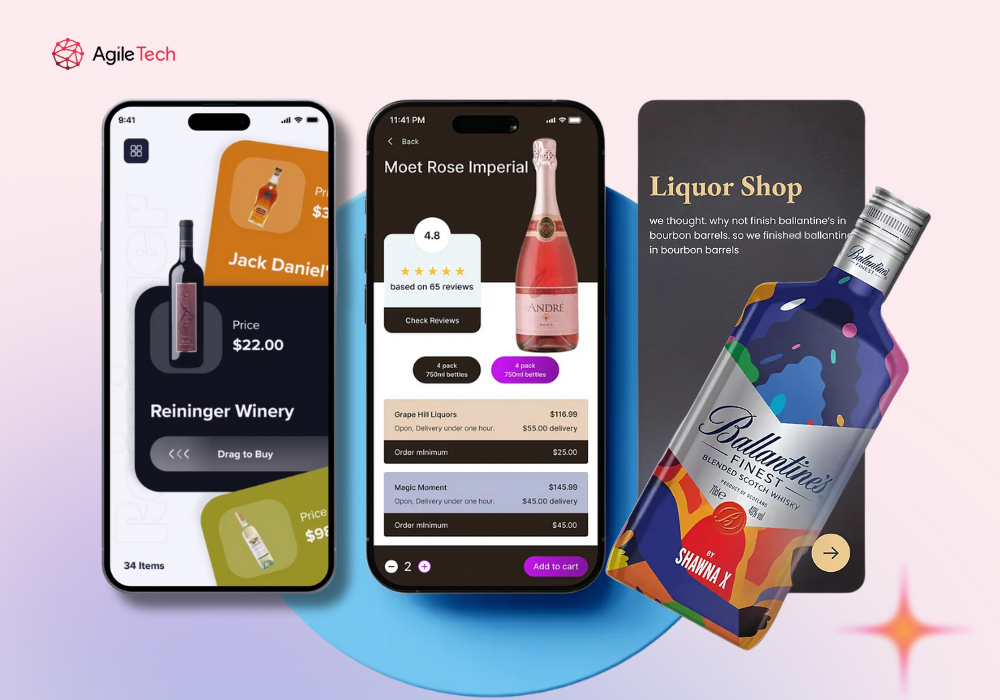
online liquor store app

How We Boosted a Liquor Retailer’s Sales by 32% with an Online Liquor Store App

Team Size

5 Members

Duration

4 Months

Our Client 

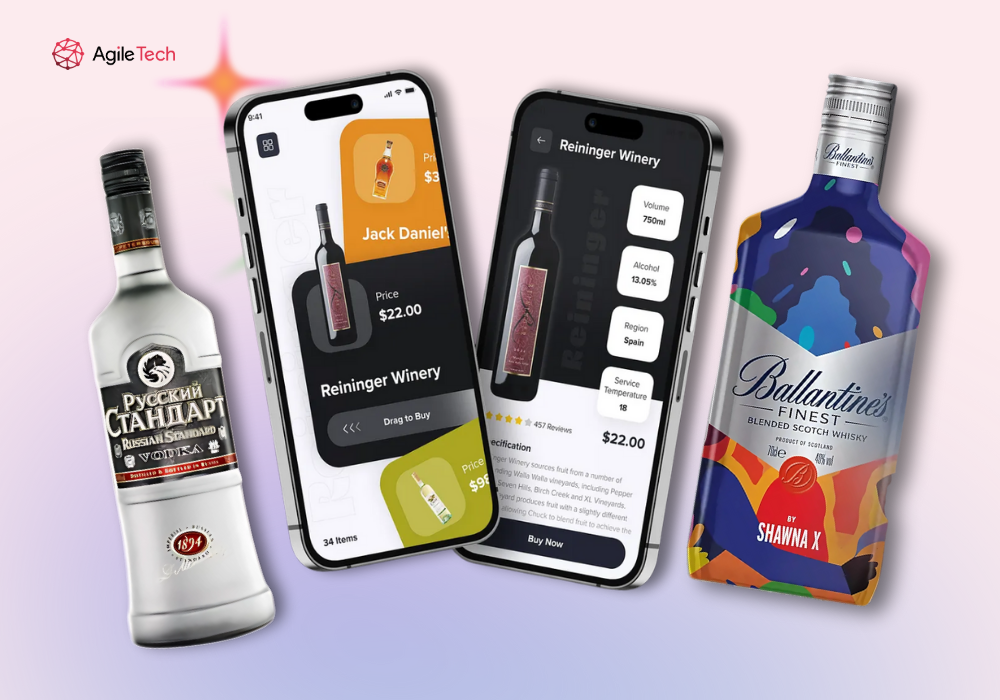
Our client, a well-established liquor retailer with multiple physical locations, sought to expand their business into the digital marketplace through an online app store solution. With changing consumer behaviors and increasing demand for convenient shopping options, they recognized the need to develop a robust online liquor store app that would provide their customers with a seamless shopping experience. The goal was to create a premium presence in the app store online ecosystem.

The client had built a loyal customer base over 15 years of operation but was losing market share to competitors who had already established online presences in various online app stores. They needed an online store app solution that would not only match their competitors’ offerings but would exceed them in terms of user experience, functionality, and reliability.

Web Features 

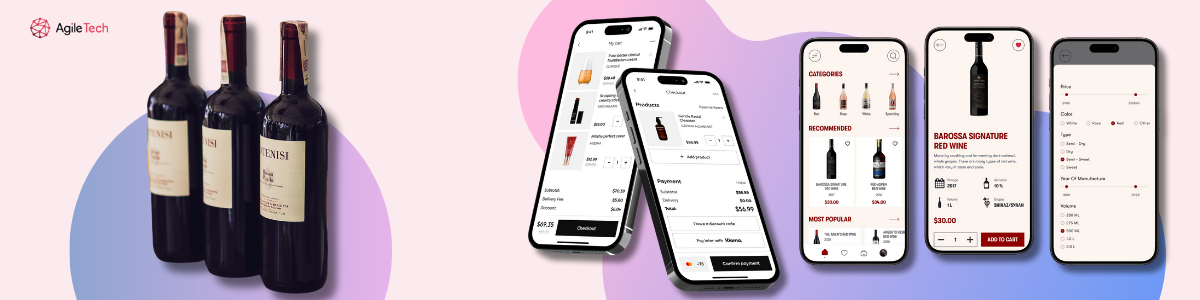
The online app was designed with a comprehensive set of features to ensure a smooth and engaging shopping experience in the app store online environment:

1. User Authentication and Account Management

  • Email and phone-based registration with OTP verification
  • Secure password recovery system
  • Comprehensive profile management options
  • Personal information editing capabilities
  • Custom preferences settings

2. Product Discovery and Navigation

  • Intuitive category-based browsing optimized for the online app store experience
  • Advanced search functionality with keyword support
  • Sophisticated filtering and sorting options
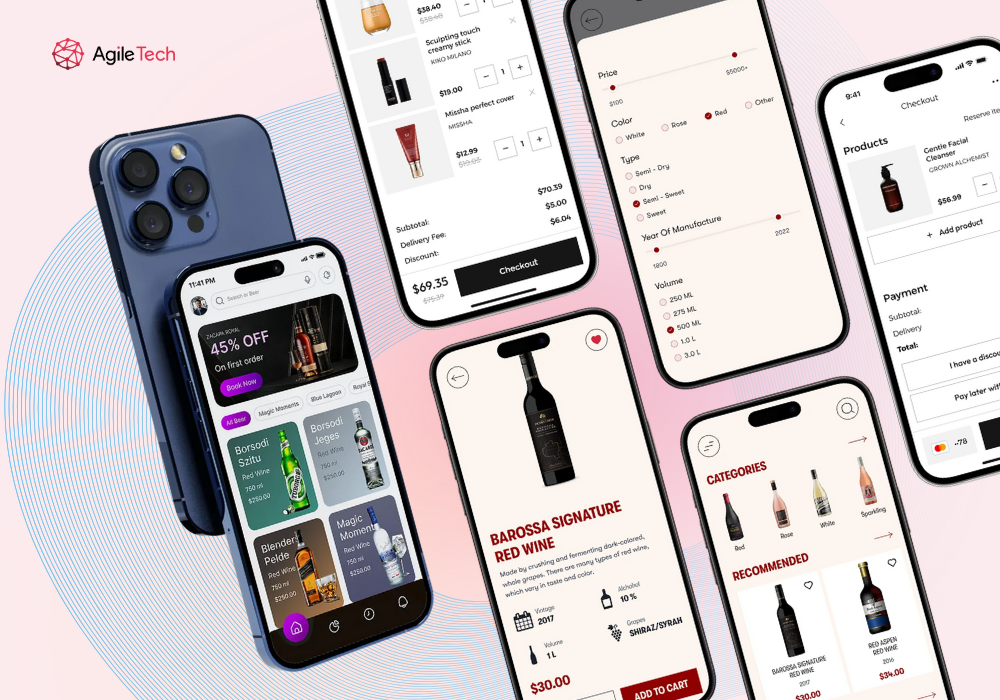
  • Detailed product pages with high-quality images
  • Comprehensive product information and specifications
  • Customer ratings and reviews integration similar to app store online standards

3. Shopping Features

  • Seamless cart management in the online liquor store app
  • Wishlist/favorites functionality
  • Real-time inventory tracking
  • Discount code application
  • Multiple payment method support

4. Order Management

  • Detailed order history with filtering options
  • Order tracking capabilities
  • Direct customer support access
  • Order detail review

5. User Experience Elements

  • Brand-consistent design and loading indicators
  • Responsive interface across different device sizes
  • Optimized performance for smooth navigation in the app store online environment

Project Goals 

The client established several clear objectives for the liquor store app project:

  1. Increase sales by at least 20% within the first year of launch on the online app store
  2. Expand customer reach beyond geographical limitations of physical stores
  3. Improve customer retention through enhanced shopping convenience
  4. Create a platform capable of handling seasonal demand fluctuations
  5. Establish a digital presence that reflected the premium nature of their brand in the app store online marketplace
  6. Implement a secure and compliant system for age verification and responsible alcohol sales
  7. Build a foundation for future expansion of digital offerings on the online app store

Challenges 

  1. Real-time Inventory Management Handling inventory and availability in real-time was a major challenge. Keeping the product catalog accurate and up-to-date with real-time stock information proved difficult, especially during high-demand periods or with complex supply chains. The system needed to prevent overselling while maintaining an engaging user experience in the app store online environment.
  2. Regulatory Compliance The liquor industry is heavily regulated, with different laws across various jurisdictions. Implementing robust age verification and adhering to local alcohol sales regulations required careful planning and implementation for an online liquor store app.
  3. Payment Gateway Integration Integrating secure payment processing while offering multiple payment options presented technical challenges, especially in ensuring PCI compliance and protecting sensitive customer information on the online app store.
  4. User Experience Optimization Creating an intuitive interface that could effectively showcase a large product catalog with detailed information, while maintaining fast loading times and responsive performance across different devices, meeting the high standards expected in the app store online environment.
  5. Integration with Existing Systems The client already had established point-of-sale and inventory management systems in their physical locations. The new online liquor store app needed to integrate seamlessly with these existing systems.
online app store
app store online

Related Post: Emerging in Best E-commerce Platforms: Sellers Drive 80% Sales Growth

AgileTech’s Solutions 

  1. Real-time Inventory Management System We developed a real-time inventory management system for the online liquor store app that syncs directly with the backend, ensuring product stock levels are updated instantly as items are sold or restocked. This system uses websocket connections to provide real-time updates to users browsing products, showing accurate availability information without requiring page refreshes.
  2. Advanced Age Verification Process We implemented a multi-layer age verification system in the app store online environment that includes both initial account verification and per-transaction checks to ensure compliance with local regulations. The system stores verification status securely while maintaining user privacy.
  3. Secure Payment Processing Our online liquor store app solution integrated multiple payment gateways with advanced encryption and security measures. We implemented tokenization for sensitive payment information and ensured all transactions followed PCI DSS requirements.
  4. Optimized Mobile Experience Using React Native, we created a native-like experience for the online app store that performs consistently across both iOS and Android platforms. We implemented lazy loading techniques, image optimization, and efficient state management to ensure smooth performance even on older devices.
  5. Custom API Integration Layer We developed a custom middleware layer for the online liquor store app that facilitated seamless communication between the mobile application and the client’s existing systems, allowing for consistent data flow across all business channels.
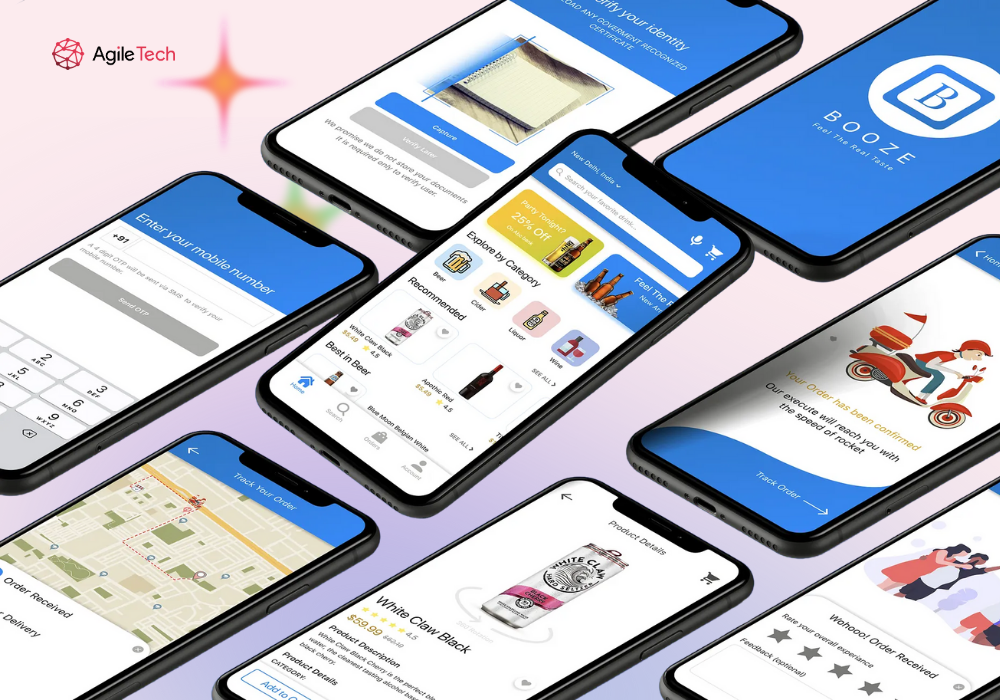
app store online
online liquor store app

Technologies Used 

  • Frontend: React Native for cross-platform mobile development
  • Backend: NodeJS for a scalable and efficient server environment
  • Database: MongoDB for flexible data storage and retrieval
  • Real-time Communications: Socket.io for instant inventory updates
  • Payment Processing: Integration with major payment gateways
  • Cloud Infrastructure: AWS for hosting and scaling
  • Authentication: JWT-based authentication system with OTP verification
  • Analytics: Custom analytics implementation for user behavior tracking in the online liquor store app

Project Results 

The implementation of the online liquor store app yielded impressive results for our client in the app store online marketplace:

  1. Increased Revenue: 32% growth in overall sales within the first six months, exceeding the initial target of 20% for the first year
  2. Extended Market Reach: 40% of orders came from areas beyond the physical store locations
  3. Enhanced Customer Retention: 68% of app users made repeat purchases within the first three months
  4. Improved Operational Efficiency: 25% reduction in inventory holding costs due to improved forecasting capabilities
  5. Positive User Feedback: Achieved a 4.7/5 star rating on both App Store and Google Play
  6. Increased Average Order Value: 15% higher average purchase amount compared to in-store transactions

Project Highlights 

  1. Timely Delivery: Despite the complexity of the project, our team completed the online app store solution within the agreed deadline, allowing the client to launch ahead of a key holiday sales period.
  2. Seamless Omnichannel Experience: The app successfully integrated with physical store operations, creating a unified brand experience across all customer touchpoints.
  3. Scalable Architecture: The online liquor store app architecture was designed to handle significant traffic spikes during promotional periods, successfully managing a 300% increase in users during the holiday season without performance degradation.
  4. Custom Recommendation Engine: We implemented an AI-driven recommendation system in the app store online environment that increased cross-selling by 28% through personalized product suggestions.
  5. Compliance Excellence: The robust age verification and regulatory compliance systems in the online liquor store app successfully passed audits in all operating jurisdictions.

Post-Launch Support 

Our commitment to the client’s success in the app store online marketplace extends beyond the initial launch with comprehensive post-launch support:

  1. Regular Updates: Bi-weekly updates to address minor bugs and improve functionality based on user feedback and analytics for the online liquor store app.
  2. Feature Enhancements: Quarterly major updates introducing new features and enhancements to keep the application competitive in the online app store marketplace.
  3. Performance Monitoring: Continuous monitoring of application performance with proactive optimization to ensure consistently fast loading times and responsive user experience.
  4. Security Audits: Regular security assessments and updates to protect against emerging threats and vulnerabilities in the online liquor store app.
  5. Scaling Support: Ongoing infrastructure adjustments to accommodate growing user base and transaction volumes on the online app store.
  6. Analytics Reporting: Monthly detailed analytics reports providing insights into user behavior, sales patterns, and opportunities for optimization.

The online liquor store app represents a successful digital transformation for our client, enabling them to not only meet changing consumer expectations but to exceed them in the app store online environment. Through thoughtful design, robust engineering, and ongoing support, we’ve helped establish a digital revenue channel that continues to grow and evolve with the business. The strategic development of this online app store solution has positioned our client as a leader in the digital liquor retail space.

Project Images

Looking to build your own app store online ?

Connect with us today to discuss your software development needs and discover how our tailored outsourcing services can propel your business forward.


A Laravel-Powered E-Commerce Platform with 15+ Payment Gateways

e-commerce platform

Inside a Laravel-Powered E-Commerce Platform with 15+ Payment Gateways

Team Size

5 Members

Duration

6 Months

Features

We created a two-sided solution—tailored for both shoppers and administrators—to support everything from product discovery to post-purchase order tracking. Here’s how we broke it down:

  • Multi-channel Registration: Customers can sign up or log in using email, Apple ID, or Facebook.
  • Effortless Browsing: A sleek UI makes it easy to search and filter thousands of products by category, price, or popularity.
  • Flexible Ecommerce Shopping Cart: Users can add, update, or remove items in real time, with visual cues for deals and stock levels.
  • Wishlist Management: Save favorite items for future purchases, all from one screen.
  • Diverse Payment Options: Pay with credit cards, wallets, or localized methods like VNPay and Momo.
  • Flash Sales and Bundles: Customers can enjoy time-limited deals and quantity discounts.
  • Order Tracking: Real-time updates on processing, shipping, and delivery.
  • Engaging Content: Access blogs and guides that educate and promote products.
  • Account Personalization: Manage profiles, preferences, and purchase history.
  • Product Ratings & Reviews: Transparent customer feedback drives trust and conversions.
  • Dynamic Dashboard: A single view of total admins, customers, sales, blog activity, and product metrics.
  • Role-Based Access Control: Create multiple admins with customized permissions for secure delegation.
  • User & Product Management: Add and manage customers, product categories, and inventory effortlessly.
  • Mobile Slider Management: Update homepage banners and featured sliders.
  • Email Marketing: View newsletter subscribers and send mass mail campaigns.
  • Support Tickets: Manage customer service efficiently with ticket creation, tracking, and configuration.
  • Global Tax Settings: Configure tax rules by country to stay compliant with local regulations.
  • SEO and OG Metadata Support: Enhance visibility and click-throughs across search engines and social platforms like Facebook and X.
  • Flash Sale Engine: Schedule multiple sales events with automated start and end timers.
  • Inventory and Ratings System: Track stock, manage attributes, and moderate customer reviews.
  • Campaign & Layout Customization: Control the look and feel of the store and its promotional modules.
  • Payment Gateway Integration: Accept payments via over 15 major methods, including PayPal, Stripe, Razorpay, Mercado Pago, and more.
  • Page & Blog Management: Easily publish articles, updates, and brand stories.
  • Multi-language & Appearance Settings: Localize content and adjust the UI to match regional preferences.

Challenges

Building such a rich e-commerce platform came with its share of complexities:

  • Third-Party Integration Complexity: With the client’s demand for over 15 different payment gateways and seamless integration with global shipping and CRM systems, ensuring smooth API communication was a technical hurdle.
  • SEO Optimization at Scale: Implementing scalable SEO support, including Open Graph (OG) metadata for social media sharing, especially for blogs.
  • Cross-platform Compatibility: Ensuring responsive design across mobile, tablet, and desktop, plus support for major browsers like Chrome, Safari, and Firefox, was essential for reaching a global audience.

AgileTech’s Solutions

We tackled each challenge using a combination of proven practices and innovative development to compete with the best e-commerce platforms:

We integrated payment providers such as PayPal, VNPay, Stripe, Momo, Razorpay, and others using their official SDKs and libraries to ensure security and compliance.

Our developers built custom components to dynamically generate OG tags, titles, and meta descriptions for all blogs, products, and landing pages. Social previews were tested and optimized.

We used a mobile-first approach and tested each page on a range of devices to guarantee a consistent user experience. The frontend framework was optimized for lightweight performance and fast loading times.

ecommerce shopping cart

best e-commerce platforms

Project Outcomes

The finished e-commerce platform was a flexible, powerful, and visually engaging e-commerce solution that exceeded the client’s original expectations. Key deliverables included:

  • A unified platform accessible on mobile, desktop, and tablets.
  • A robust e-commerce shopping cart experience that minimized abandoned purchases.
  • Rich admin capabilities for marketing, logistics, inventory, and user engagement.
  • SEO and metadata enhancements that improved indexing and shareability.
  • Seamless backend management for payment, sales, and customer service.

The Impact

Within the first few months post-launch, the shopping platform delivered measurable business improvements:

  • 78% increase in conversion rate within the first three months
  • 84% improvement in page load speed
  • 45% reduction in cart abandonment rates
  • 92% increase in mobile sales
  • 38% increase in customer retention rate

78%

Increase in Conversion Rate

84%

Improvement in Page Load Speed

92%

Increase in Mobile Sales

Technologies Used

The feature-rich e-commerce platform was built using a modern technology stack:

Backend

  • Laravel (PHP): Used for its robust MVC architecture and built-in tools, allowing scalable backend development and seamless third-party integrations.
  • PHP Scripts: Enabled quick implementation of custom features like payment gateways and inventory logic.

Frontend

  • HTML5 & CSS3: Provided a responsive and clean layout compatible with all devices and modern browsers.
  • JavaScript: Powered interactive elements like dynamic carts and real-time search for a smooth user experience.

Post-launch Support

We provided ongoing support after delivery to ensure the high-performance e-commerce platform stayed updated and secure:

  • Regular bug fixes and security updates.
  • Maintenance for all third-party integrations.
  • Performance monitoring and fine-tuning.
  • Monthly SEO audits and analytics reports.
  • Admin training and onboarding for new team members.
  • New feature rollouts based on user feedback and business growth needs.

Project Images

Looking to build an E-commerce Platform?

Connect with us today to discuss your software development needs and discover how our tailored outsourcing services can propel your business forward.
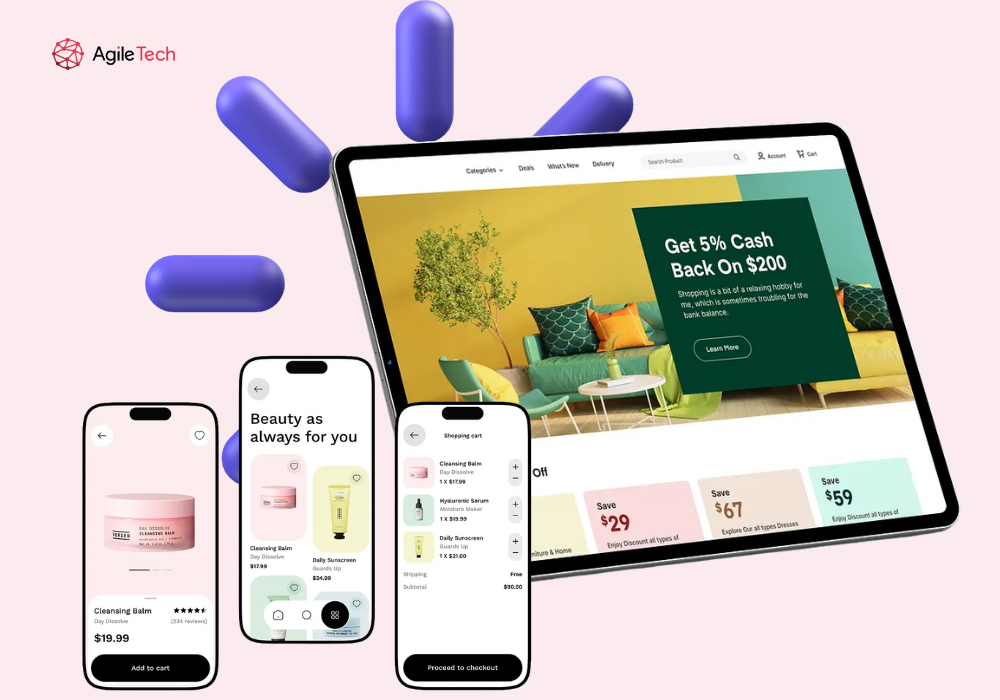
Grocery eCommerce Platform Boosted Sales by 40%

grocery shopping software

A Feature-Rich Grocery eCommerce Platform Boosted Sales by 40%

Team Size

5 Members

Duration

4 Months

Features

Customer-Facing Features

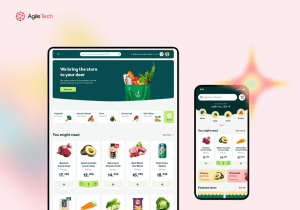
  • User-Friendly Registration: Customers can create accounts via email, Google, or Apple login, with phone number verification through OTP.
  • Personalized Shopping Experience: Products are displayed in categorized sections, including brands, featured items, and trending products.
  • Advanced Search & Filters: Users can filter products based on categories, brands, ratings, or price range.
  • Wishlist & Notifications: Customers can save products to wishlists and receive notifications about discounts or stock availability.
  • Cart Management: Customers can view, edit, and remove items from their cart seamlessly.
  • Order Tracking: Real-time order tracking with notifications on order status (preparation, dispatch, delivery).
  • Multiple Payment Options: Secure transactions through credit cards, Stripe, and cash on delivery.
  • Account Management: Customers can update personal details, manage delivery addresses, and payment methods; view order history.
  • Customer Reviews: Users can rate and review purchased products on the grocery store website.

Admin CMS Features

  • Dashboard Overview: Store owners can monitor total orders and revenue; receive new order notifications.
  • Product Management: Add, edit, and delete products, create custom combos, and promotions; set limited-time offers.
  • Order & Refund Handling: View, edit, and manage order statuses, including refunds and cancellations.
  • Customer Management: Access customer profiles and order history; handle inquiries or complaints.
  • Analytics & Insights: View sales trends, best-selling products, and customer behavior analytics.
  • Staff Management: Add, edit, or remove staff profiles with assigned roles.
  • Order History Search & Filters: Filter order history based on payment method and status.

Challenges

The project faced several challenges:

  • Customization Needs: The client required a highly customizable grocery eCommerce platform to frequently update shop details, featured products, and customer reviews.
  • User Experience: Ensuring a seamless and intuitive experience for both customers and administrators was critical.
  • Scalability: The grocery store website needed to handle increasing traffic and transactions as the company expanded.
  • Real-Time Functionality: Implementing real-time order tracking and notifications required robust backend infrastructure.

AgileTech’s Solutions

To address these challenges, the development team implemented the following solutions:

A flexible admin dashboard was created, allowing shop owners to easily update store details, banners, logos, and featured products without technical expertise.

Using Agile/Scrum methodologies, the team ensured timely delivery and iterative improvements based on client feedback.

grocery store website

The grocery shopping software was built with scalability in mind, leveraging technologies like Redis for caching and MongoDB for efficient data management.

Real-time order tracking and notifications were implemented using WebSocket technology, ensuring customers stayed informed at every stage.

grocery ecommerce platform 3

Project Outcomes

The grocery eCommerce platform was delivered successfully, meeting all the client’s requirements. Key results include:

  • A seamless user experience with an intuitive UI for both customers and store owners.
  • On-time project delivery, following the Agile/Scrum methodology.
  • Improved operational efficiency with a powerful CMS that simplifies store management.
  • Scalability and flexibility, ensuring future growth and adaptability.

The Impact

The implementation of this grocery shopping software significantly boosted business performance:

  • 40% Increase in Sales: The platform’s intuitive design and real-time features led to a significant boost in customer engagement and sales.
  • 30% Reduction in Operational Costs: The admin dashboard streamlined backend operations, reducing the time and effort required to manage the store.
  • 25% Higher Customer Retention: Features like wishlist notifications and personalized promotions improved customer satisfaction and loyalty.
  • 20% Increase in Average Order Value: Custom combos and limited-time offers encouraged customers to purchase more.

40%

Increase in Sales

30%

Reduction in Operational Costs

25%

Higher Customer Retention

Technologies Used

Frontend:

  • ReactJS and NextJS for fast rendering and SEO optimization.
  • Bootstrap for responsive design.
  • Tailwind for streamlined styling.

Backend:

  • Framework:  ExpressJS provides a lightweight and efficient Node.js framework for API and server-side logic.
  • Database: MongoDB, a NoSQL database offering high scalability and flexibility for dynamic data management.
  • Caching: Redis ensures quick data retrieval and improves platform performance by reducing database load.

Post-launch Support

To ensure the smooth operation of the grocery store website, the development team provided:

  • Regular updates and bug fixes.
  • Performance optimization to handle increasing traffic.
  • Training for the team to effectively use the admin dashboard.
  • Ongoing customization to adapt to changing business needs.

This website’s transition to a custom grocery eCommerce platform revolutionized their business, driving significant growth in sales, customer retention, and operational efficiency. By leveraging cutting-edge technologies and a user-centric design, the platform not only met but exceeded the client’s expectations. This case study highlights the transformative power of well-designed grocery shopping software and serves as a blueprint for other retailers looking to embrace digital transformation.

Project Images

Looking to build a Grocery eCommerce Platform?

Connect with us today to discuss your software development needs and discover how our tailored outsourcing services can propel your business forward.

Reduced Costs by 30% with Inventory Management System Website

inventory management system

Reduced Costs by 30% for SMEs through an Inventory Management System Website

Team Size

6 Members

Duration

4 Months

Challenges

As businesses grow, inventory management becomes increasingly complex. This company faced several challenges in handling large data volumes efficiently:

  • Managing Large Data & System Performance: As the number of products, orders, and users increased, database queries slowed down, affecting overall performance. The need for a system that could efficiently process and manage large datasets became critical.
  • Tracking Multi-Warehouse Operations: Managing multiple warehouses with real-time stock adjustments was critical. Delayed or inaccurate inventory tracking led to stockouts, overstocking, and supply chain inefficiencies.
  • User Role Management: The client needed robust employee role and permission management to ensure secure access and prevent unauthorized modifications.
  • Comprehensive Reporting: Generating detailed reports on inventory, transactions, and financials was essential for monitoring business performance and making informed decisions.
  • Automation & Notifications: The client wanted this IMS website to be automated with inventory tracking and reordering processes, also implement alerts for low stock, pending approvals, and critical updates.

AgileTech’s Solutions

To address these challenges, our team implemented a custom-built inventory management system (IMS) using PHP Laravel. Key solutions included:

We optimized database queries and integrated PostgreSQL for efficient data handling. This ensured seamless performance even with large datasets. By restructuring data models and indexing frequently queried fields, we reduced query response times significantly.

The system was built with ReactJS and NextJS for a responsive frontend, ensuring a smooth user experience across devices. The modular architecture allowed easy feature additions and scalability as the business expanded.

IMS

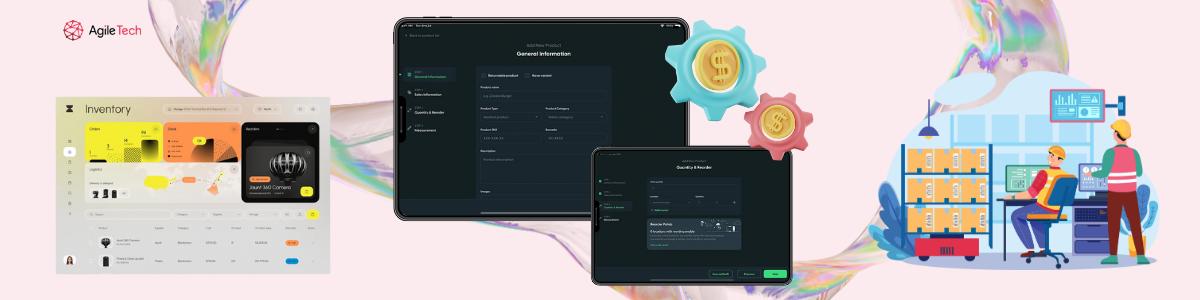
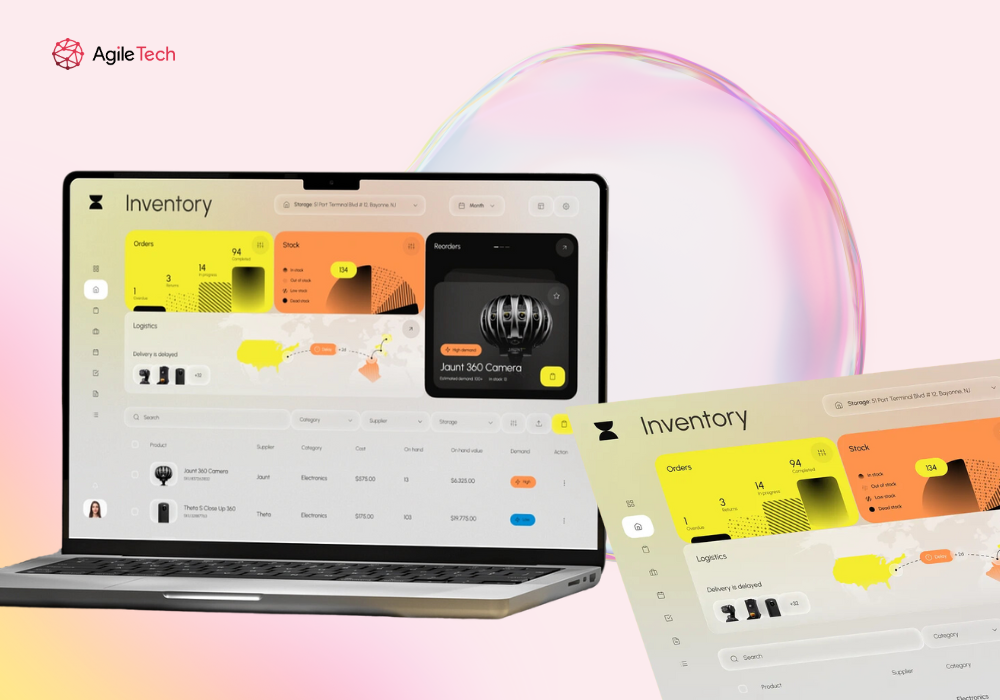
Enabled real-time tracking of stock adjustments, warehouse transfers, and product movements. This feature helped our client maintain optimal inventory levels and minimize carrying costs.

Implemented a role and permission system to ensure employees had appropriate access levels. Admins could assign roles such as warehouse manager, sales associate, and procurement officer with specific permissions.

IMS website

Provided dynamic reports on inventory stock, transactions, payments, and data entries. Reports could be exported in multiple formats for further analysis.

Integrated Redis caching to speed up frequently accessed data and reduce server load. This optimization significantly improved the system’s ability to handle high-traffic scenarios.

inventory management system 3

Configured email and SMS notifications for stock alerts, order updates, and system events, ensuring proactive inventory management.

The system allowed businesses to process orders faster by automatically updating stock levels, reducing manual intervention, and enhancing order accuracy.

inventory management system for admin

Project Outcomes

The project successfully delivered a powerful yet affordable IMS website, revolutionizing the business’s inventory operations. The key outcomes included:

  • Enhanced Performance: Optimized queries and caching improved system speed and responsiveness.
  • Scalable IMS Website: Allowed businesses of all sizes to manage inventory efficiently without system slowdowns.
  • Improved Data Accuracy: Real-time tracking minimized stock discrepancies and enhanced decision-making.
  • Cost-Effective Solution: Delivered a high-quality IMS at an affordable price point for small and large businesses.

The Impact

Our client experienced a 50% increase in operational efficiency after implementing the new inventory management system. The streamlined workflow reduced manual data entry errors and significantly improved order fulfillment speed. With multi-warehouse tracking and dynamic reporting, This corporation gained better visibility into its inventory and reduced excess stock costs by 30%.

50%

Increased Operational Efficiency

30%

Reduced Stock Cost

70%

Reduced Data Errors

Technologies Used

Frontend: ReactJS, NextJS, Ant Design (Antd)

Backend:

  • PHP Laravel
  • Google API (for integrations)
  • PostgreSQL (database)
  • Redis (caching)

Post-launch Support

To ensure a seamless transition, our team provided comprehensive post-launch support, including:

  • System Monitoring: Continuous monitoring to identify and resolve performance issues, ensuring smooth operations at all times.
  • Security Updates: Regular updates to maintain system security and integrity, protecting against potential cyber threats.
  • Feature Enhancements: Implementing new features based on user feedback, ensuring the system evolves with the client’s business needs.
  • Technical Support: 24/7 support for troubleshooting and maintenance, ensuring minimal downtime and quick issue resolution.
  • User Training: Conducted hands-on training sessions for employees to ensure smooth adoption and optimal utilization of the system.

Our business partner’s success story highlights the power of an optimized inventory management system (IMS) in transforming business operations. With a robust IMS website, businesses can efficiently track inventory, enhance decision-making, and drive profitability. This case study serves as a testament to how a well-designed IMS website can provide businesses with the tools needed to stay competitive in an evolving market.

Project Images

Looking to build an Inventory Management System Website?

Connect with us today to discuss your software development needs and discover how our tailored outsourcing services can propel your business forward.
30% Efficiency Boost with IMS Software

IMS Software AgileTech

How Our IMS Software Boosted Operational Efficiency by 30% for a Leading Retailer

Team Size

4 Members

Duration

6 Months

Challenges

During the process of IMS software development, AgileTech’s Team faced certain obstacles. Some of the primary challenges included:

  • Complex Staff Management: The client required a system to assign specific roles (admin, salesman, accountant) with clearly defined permissions to streamline their team’s workflow.
  • Overwhelming Inventory Data: Managing products, suppliers, categories, and stock levels was proving to be a cumbersome task. The client wanted to organize and track inventory with clear expiration dates and warnings for expired items.
  • Comprehensive Financial Management: The client needed detailed sales, expenses, and profit reports alongside managing invoices, taxes, discounts, and loans effectively.
  • Frequent Feature Changes: Throughout development, the client requested multiple changes to features and functionality, which posed a challenge in terms of meeting deadlines.

AgileTech’s Solutions

Our team tackled these challenges by creating a fully integrated IMS software built with the latest tech stack to provide flexibility, scalability, and real-time data. To ensure a smooth transition, we employed rapid prototyping and testing for features that could be adjusted as the client refined their requirements.

  • Staff Management and User Roles: The platform was designed to assign user-specific roles (admin, salesman, accountant) and permissions, ensuring that each user could access only the features relevant to their responsibilities. Using ReactJS and NextJS, we built a user management system that helped organize workflow and minimize errors by restricting access to specific tasks.
  • Dashboard for Reports Management: The client needed a way to visualize performance data quickly. We integrated an interactive dashboard using Antd and Tailwind that displayed real-time graphs and reports for sales, expenses, profit and loss ledgers, and more. This dashboard provided managers with easy access to key metrics, enhancing decision-making and performance analysis.
IMS Software 1
  • Customer and Supplier Management: The IMS software enabled the client to manage both paid and credit customers, as well as their suppliers. Features were included to add, edit, and remove customer and supplier data efficiently, streamlining business operations. This centralized customer and supplier management ensured better tracking of transactions and improved customer relationships.
  • Categories and Product Management: The platform allowed the client to manage product categories and stock in multiple warehouses. Using PostgreSQL for database management and Redis for caching, the client could add, edit, or remove product categories and track stock levels in real-time. The system also supported expiration date tracking for products, ensuring that outdated items were flagged for removal.
IMS Software 2
  • Invoice and Loan Management: The IMS platform integrated invoice and loan management capabilities, allowing the client to handle paid and unpaid invoices. Features for adding taxes and applying discounts were also implemented. The loan management system was flexible enough to add, edit, or remove loans and loaners, ensuring the client could efficiently manage all financial aspects.
  • Expense Management and Financial Reporting: The platform enabled the client to manage spending and track financial transactions. It supported features for handling tax management and applying discounts to invoices. Additionally, the platform allowed for comprehensive reports management, including sales profit and loss ledgers, sales ledgers, and expense ledgers, giving the client full control over their finances.
IMS Software 3

Project Outcomes

The final IMS website successfully addressed all the client’s core needs while allowing for flexibility in scaling the platform as their business grew. Key outcomes of the project included:

  • Enhanced Efficiency: By centralizing inventory, warehouse, and financial data, the client improved operational workflows, reducing the time spent on manual inventory tracking and data entry.
  • Real-Time Insights: The interactive dashboard provided managers with real-time data to make informed decisions on stock levels, sales performance, and profit margins.
  • User Customization: The ability to define roles and permissions for staff members led to more organized workflows, improving productivity and minimizing errors.

The Impact

The IMS software brought significant impacts to the client’s business: a 50% reduction in inventory errors through automated stock tracking and expiration date management; a 30% increase in operational efficiency by automating invoicing, loan tracking, and expense management; and a 75% faster decision-making process thanks to the interactive dashboard providing instant access to critical reports, enabling quicker and more strategic business decisions.

50%

Reduction in inventory errors

30%

Increase in operational efficiency

75%

Faster decision-making process

Technologies Used

The inventory management system was built based on these powerful technologies:

  • Frontend: ReactJS, NextJS, Vite, Antd, Tailwind CSS
  • Backend: NestJS, PostgreSQL, Redis

Post-launch Support

To ensure the software to manage inventory​ remains up-to-date and continues to meet evolving business needs, we provided comprehensive post-launch support.

  • Regular Updates: Ongoing feature enhancements to support new business processes.
  • Bug Fixes: Addressing any post-launch issues promptly to ensure system stability.
  • Feature Enhancements: Implementing additional modules as requested by the client to further improve system functionality and align with their growth strategy.

Project Images

Looking to build your own IMS Software?

Connect with us today to discuss your software development needs and discover how our tailored outsourcing services can propel your business forward.
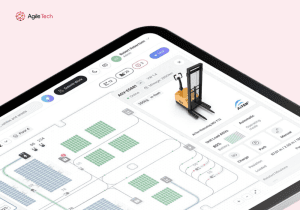
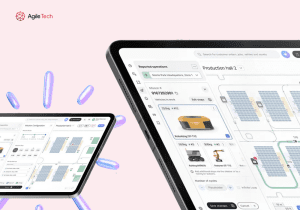
SCM Solution for a Leading Supermarket

Optimizing Operations: AgileTech’s SCM Solution for a Leading Supermarket

Team Size

10+ Members

Duration

6 Months

Challenges

Developing a comprehensive supply chain management (SCM) solution for a large supermarket chain came with its own set of unique challenges:

  • Integrating with Existing Systems: Supermarkets already utilize various systems for inventory management, logistics, and demand forecasting. Integrating new SCM software with existing systems presented challenges regarding data flow and process alignment.
  • Managing Complex Processes: The retail industry involves numerous intricate processes, such as managing inventory across multiple product categories and tracking the supply chain from suppliers to customers. Ensuring that the software can handle and automate these processes was crucial.
  • Accurate Demand Forecasting: Effective demand forecasting is vital for optimizing inventory and logistics. However, inaccurate predictions can lead to out-of-stock or overstock situations, potentially costing the supermarket both sales and storage expenses.
  • Security and Compliance: Protecting customer and transaction data while ensuring compliance with relevant regulations was essential for maintaining trust and operational integrity.
  • Scalability: The software needed to be scalable to accommodate future growth and feature enhancements as the supermarket expanded.

AgileTech’s Solutions

AgileTech implemented a robust approach to tackle these challenges when developing this supply chain management system effectively:

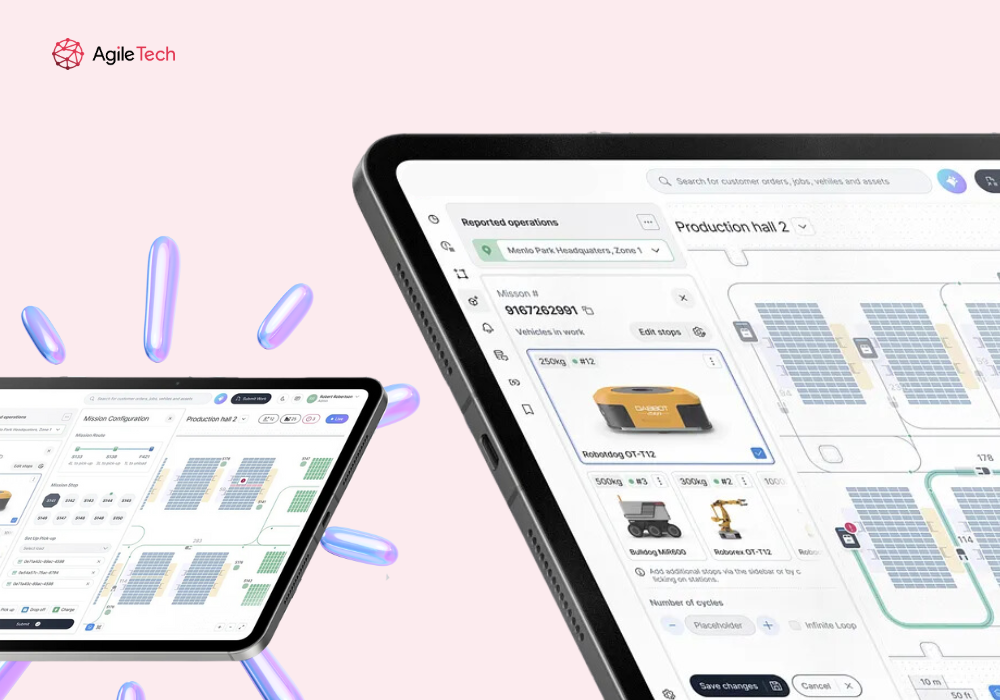
  • Integration Analysis and Planning: We conducted a comprehensive analysis of the supermarket’s existing systems to identify integration points and developed a detailed integration plan. Our use of APIs and middleware technology ensured that data flowed smoothly between systems.
  • Building Clear Processes: We established detailed processes for every aspect of SCM, from inventory management to logistics. By adopting an agile approach, we gathered feedback from end users and continuously refined these processes for optimal performance.
  • AI and ML for Demand Forecasting: We integrated machine learning algorithms to analyze historical data and predict future demand accurately. Our analytics framework enabled the tracking of performance metrics and the adjustment of forecasts as necessary.
  • Data Security and Compliance: We ensured that the software adhered to the highest security standards, employing encryption and user authentication to safeguard data. Regular security audits and risk assessments were also conducted to maintain compliance.
  • Extensible Architecture Design: Our development team implemented a microservices architecture, allowing for easy expansion and updates. This design ensured that new features could be added seamlessly without disrupting existing functionalities.
Supply chain management
Supply chain management (SCM)

Project Outcomes

AgileTech’s SCM implementation brought impressive benefits to the supermarket, significantly boosting operational efficiency and delivering notable cost savings. By using advanced predictive analytics, the system cut inventory holding costs by 25%, reducing overstock and freeing up valuable warehouse space. Automated order processing and streamlined logistics also accelerated order fulfillment by 65%, allowing the supermarket to deliver goods faster and enhance customer satisfaction. Employees reported a 95% satisfaction rate, appreciating the system’s user-friendly design and the ease it brought to their daily tasks, contributing to a more productive and positive work environment overall.

Technologies Used

To deliver a secure, efficient, and scalable supply chain management system, AgileTech utilized the following technology stack:

  • Frontend: React.js, Redux
  • Backend: Node.js, Express.js
  • Database: PostgreSQL, MongoDB (optional)
  • Data Forecasting and Analysis: Python (Pandas, NumPy, Scikit-learn)
  • Security: JWT
  • DevOps: Docker, Kubernetes, Jenkins
  • Data Analytics and Reporting: Power BI

Post-launch Support

AgileTech’s commitment to our clients extends well beyond the launch of the SCM. We provided comprehensive post-launch support, including:

  • System Maintenance and Updates: Regular updates and security patches to ensure ongoing reliability.
  • User Training: In-depth training sessions to empower the client’s team to leverage the SCM fully, enhancing overall effectiveness.

Project Images

Looking to build your own SCM platform?

Connect with us today to discuss your software development needs and discover how our tailored outsourcing services can propel your business forward.