
What is GPS Fleet Tracking? Best software for Fleet Manager
Managing a vehicle fleet without real-time visibility is like navigating without a map. You’re making decisions in the dark, reacting to problems instead of preventing them, and watching profits slip through inefficiencies you can’t even measure.
GPS fleet tracking changes that equation entirely. This technology gives you unprecedented control over your fleet operations, transforming raw location data into actionable insights that drive safety, efficiency, and profitability.
Let’s explore how GPS fleet tracking works, why it matters for your bottom line, and how to choose the right solution for your business.
What Is GPS Fleet Tracking?
GPS fleet tracking combines hardware and software to monitor your vehicles and assets in real time. By installing GPS devices in each vehicle, you gain instant access to precise location data that enables smarter dispatching, optimized routing, and comprehensive oversight of driver behavior.
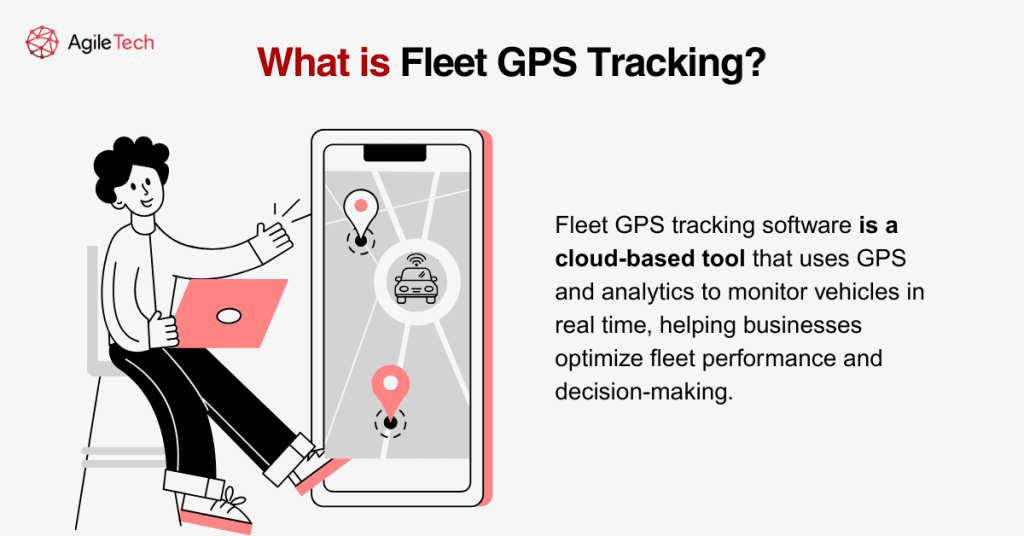
Think of it as your fleet’s central nervous system. Every vehicle transmits data to a centralized management platform, creating a live overview of positions, speeds, fuel consumption, and operational status. This isn’t just about knowing where your trucks are—it’s about understanding how your entire operation performs.
For industries dependent on timely deliveries, route optimization, and safety compliance, effective fleet tracking isn’t optional anymore. It’s the foundation of competitive operations. Modern GPS systems have evolved from simple tracking devices into sophisticated management platforms that enable data-driven decisions and rapid responses to unexpected challenges.
How Does GPS Fleet Tracking Work?
Understanding the mechanics behind GPS fleet tracking reveals why it’s become indispensable for modern fleet operations.
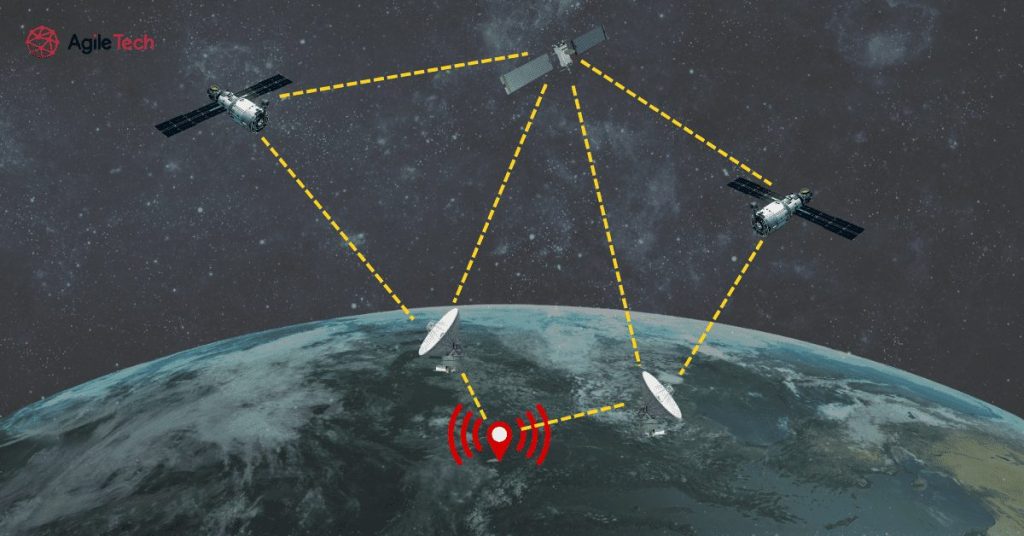
The system operates through a straightforward process. GPS trackers installed in your vehicles receive signals from multiple satellites to calculate precise location coordinates. These devices then transmit data—including speed, direction, and often fuel levels—through cellular or satellite networks to your fleet management platform.
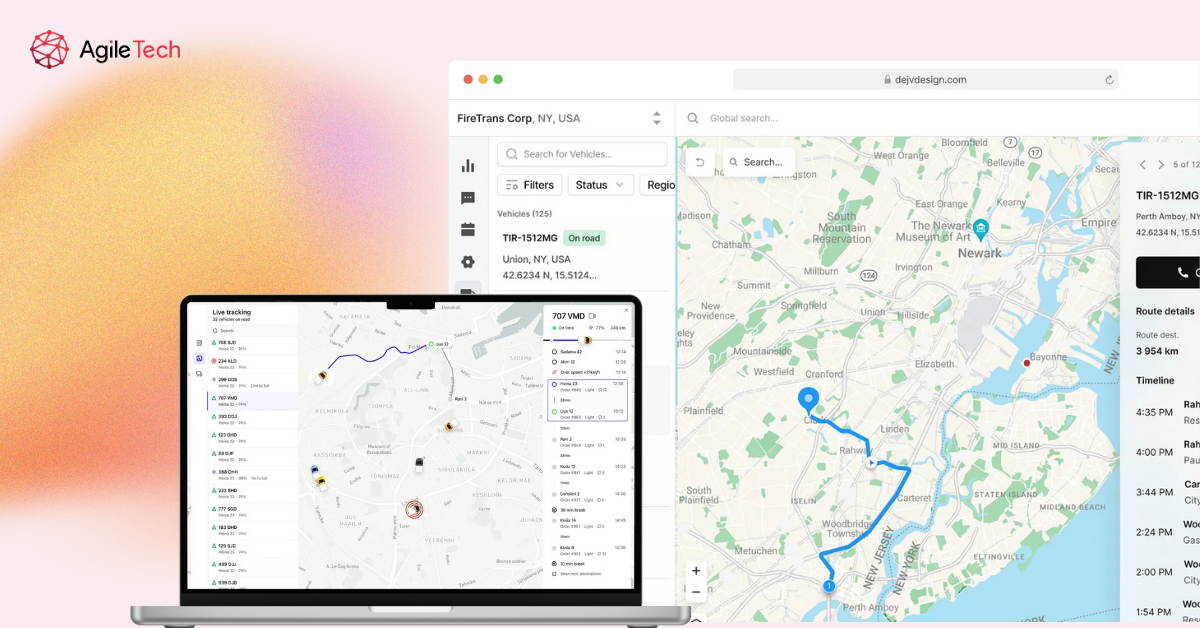
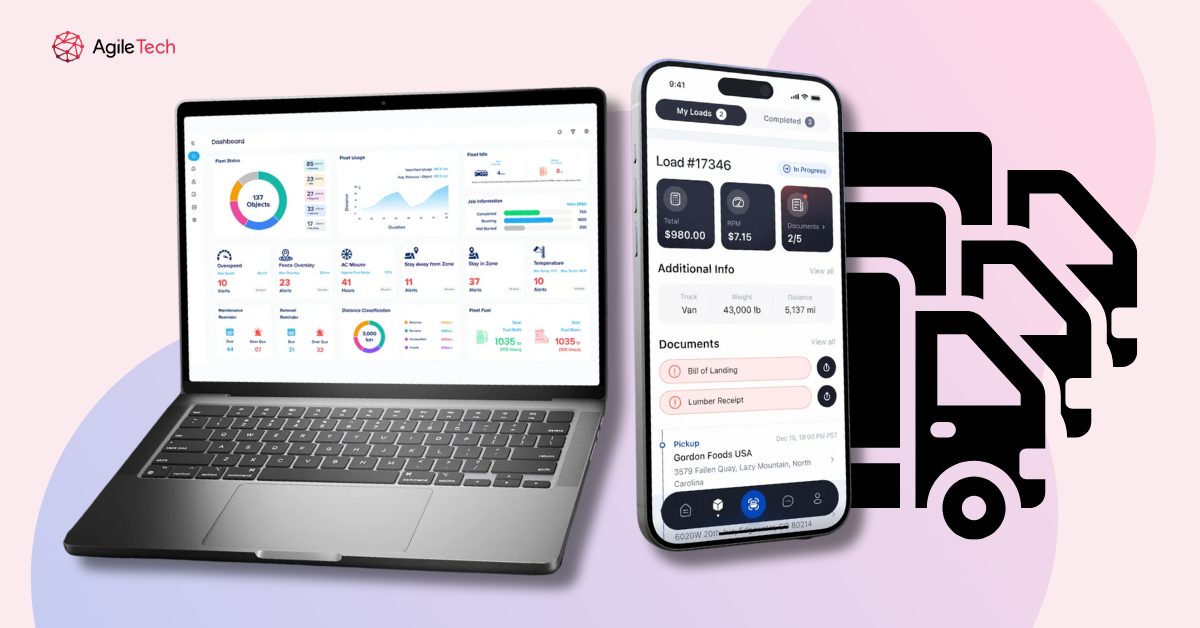
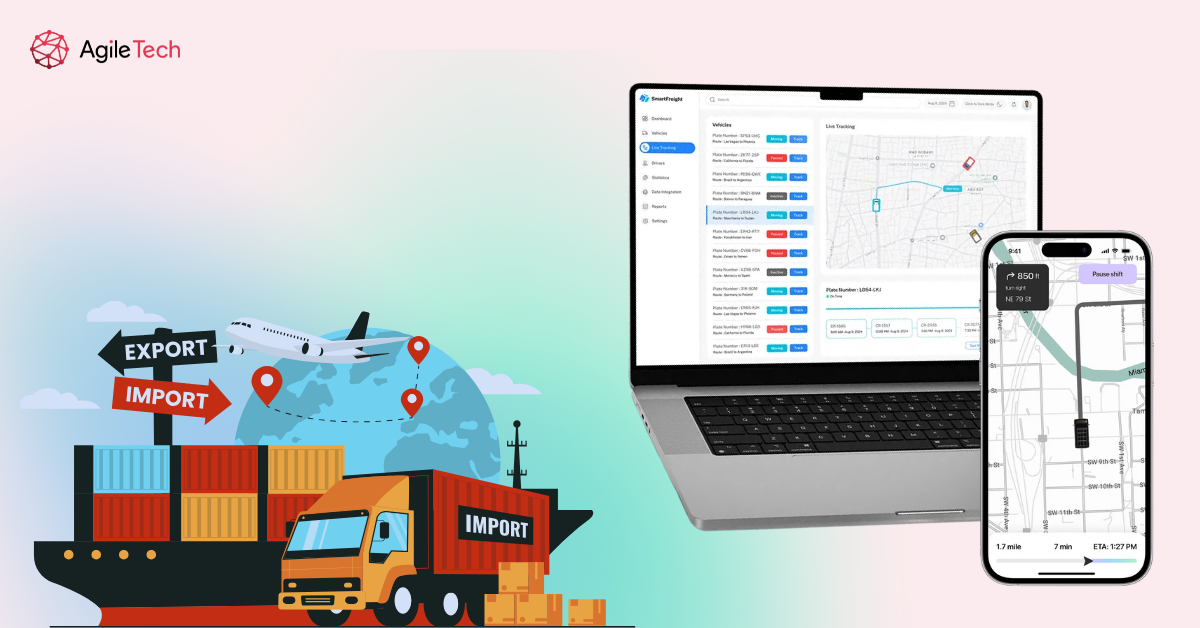
Your team accesses this information through intuitive dashboards that display real-time vehicle locations, movement patterns, and operational metrics. But the system does far more than simple tracking.
Advanced platforms analyze this data to facilitate intelligent route planning, monitor driver behavior, schedule preventive maintenance, and trigger alerts for unauthorized use or route deviations. The result is a comprehensive view of your fleet that empowers proactive management rather than reactive firefighting.
The Benefits of GPS Fleet Tracking
Implementing GPS fleet tracking delivers measurable advantages that directly impact your company’s profitability, safety record, and operational agility. Here’s how this technology transforms fleet management.
Enhanced Safety Measures
GPS tracking provides real-time visibility into driver behavior, flagging risky patterns like speeding, harsh braking, and excessive idling so you can implement targeted coaching before incidents occur. When accidents do happen, live location data enables rapid response, potentially saving lives while minimizing liability exposure. The result is fewer accidents, lower insurance premiums, and a culture of responsibility across your workforce.
Improved Operational Efficiency
Real-time location monitoring enables dynamic dispatching, where you can adjust routes instantly based on traffic conditions or customer requests, translating to faster deliveries and maximum vehicle utilization. The system also enables proactive maintenance scheduling based on actual vehicle usage rather than arbitrary time intervals, minimizing unexpected downtime. Your drivers spend less time behind the wheel while accomplishing more—directly boosting productivity across your operation.
Cost Savings and Financial Benefits
Many fleet managers report that GPS tracking systems pay for themselves within the first year through fuel savings and efficiency gains alone. Route optimization dramatically reduces fuel consumption and vehicle wear, while the ability to detect unauthorized vehicle use and minimize idling multiplies the savings further. When you combine driver behavior management with proactive maintenance oversight, you’ll experience fewer breakdowns and substantial long-term financial benefits.
Real-Time Location Alerts
Custom alerts for entering or leaving job sites, exceeding speed limits, or deviating from assigned routes enable proactive oversight rather than reactive problem-solving. These notifications serve multiple purposes: verifying arrivals, ensuring compliance, improving accountability, and providing customers with accurate ETAs based on real-time data. You’ll only receive notifications that matter, reducing alert fatigue while maintaining comprehensive oversight.
Route Planning Innovations
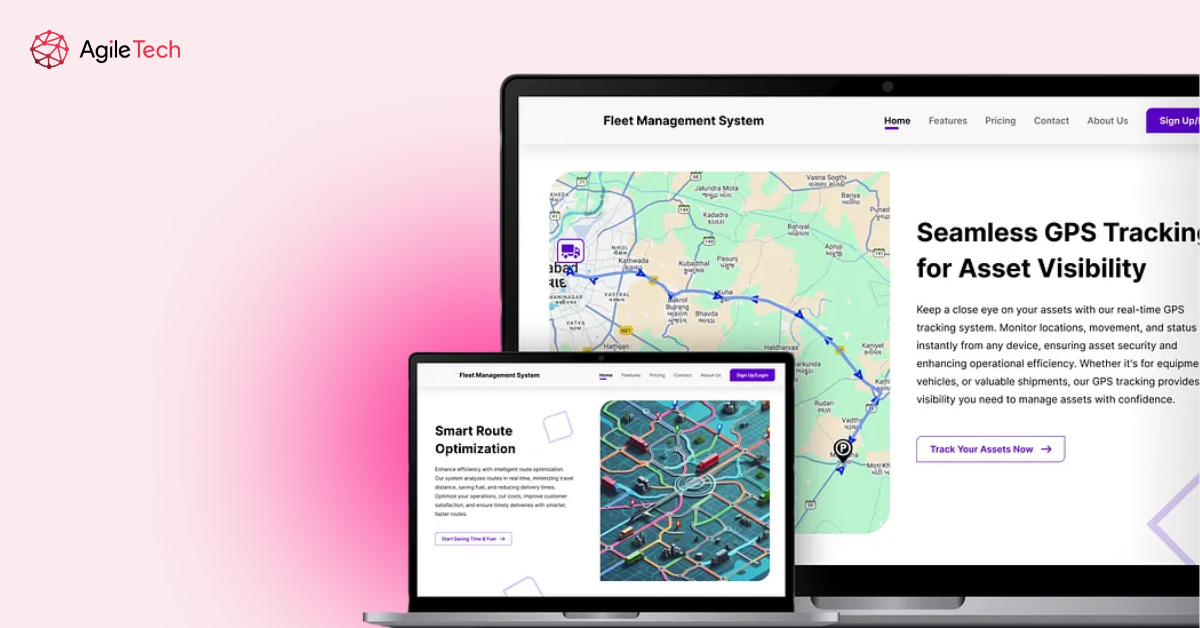
Modern platforms analyze real-time traffic data alongside historical patterns to suggest optimal routes that reduce travel time, enhance fuel efficiency, and improve on-time delivery rates. Advanced systems dynamically adjust to changing conditions like road closures or weather events, streamlining operations without constant human intervention. Your dispatchers spend less time planning and more time handling exceptions, while drivers follow routes optimized for current conditions.
Driver Behavior Monitoring
Detailed reports on acceleration patterns, braking habits, and speed limit adherence provide objective data for performance evaluations and targeted coaching opportunities. This data enables you to implement training programs, recognize safe drivers, and enforce compliance standards consistently across your fleet. The outcomes include fewer accidents, lower insurance premiums, reduced maintenance costs, and a more professional workforce.
GPS Fleet Tracking Software
Choosing the right GPS fleet tracking software determines whether you’ll maximize the return on your investment or struggle with a system that doesn’t fit your operational needs.
Modern solutions incorporate advanced analytics, customizable features, and integrations that align with diverse business workflows. The ideal platform offers an intuitive interface that your team can adopt quickly, customizable dashboards that display the metrics you care about, and integration capabilities with your existing systems.
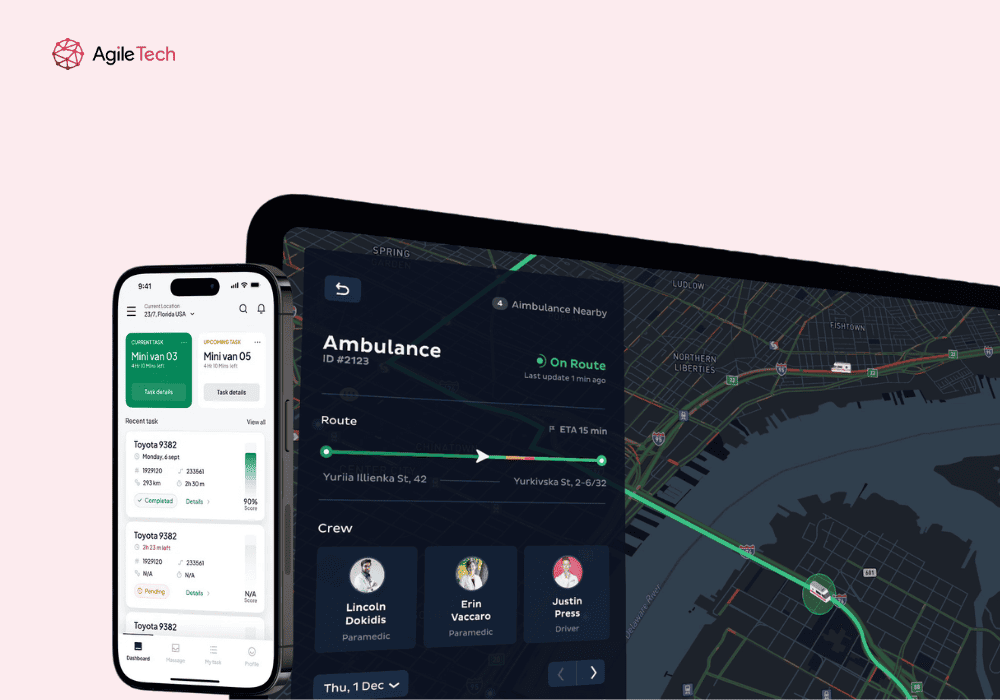
Mobile access has become essential, enabling fleet managers to oversee operations remotely without being chained to a desktop. Cloud-based architectures facilitate seamless updates and easy scalability, crucial considerations for growing fleets or evolving operational demands.
Software Features
Top-tier GPS fleet management software delivers a comprehensive feature set designed to address the full spectrum of fleet management challenges:
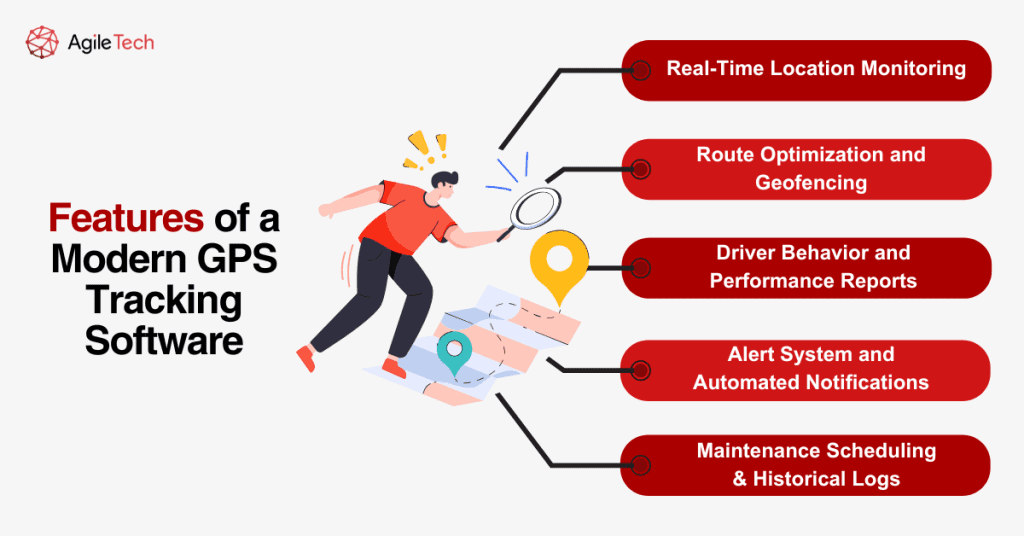
- Real-Time Location Monitoring provides instant visibility into vehicle positions, enabling you to track your entire fleet on a live map and respond immediately to changing conditions. This feature alerts you when vehicles enter or leave designated areas, ensuring precise oversight of job site activities and route adherence.
- Route Optimization and Geofencing leverages algorithms and real-time traffic data to suggest the most efficient routes while virtual boundaries trigger automatic alerts when vehicles cross predefined areas. This combination reduces fuel consumption, improves delivery times, and enhances security across your fleet.
- Driver Behavior and Performance Reports deliver objective insights into acceleration patterns, braking habits, speed compliance, and idling time. These detailed scorecards support performance management, enable targeted coaching, and help you recognize and reward safe driving practices.
- Alert System and Automated Notifications keep you informed of critical events without constant monitoring, sending instant alerts for speeding, route deviations, unauthorized vehicle use, or maintenance requirements. Customizable notifications ensure you only receive alerts that matter to your operation.
- Maintenance Scheduling and Historical Logs schedule preventive service based on actual vehicle usage, mileage, and engine diagnostics rather than guesswork. The system maintains comprehensive historical records of all maintenance activities, helping you track vehicle health, identify recurring issues, and extend asset life while minimizing costly breakdowns.
Solutions like Links GPS fleet management system exemplify these features, delivering comprehensive tools that support effective fleet operations from dispatch to maintenance.
Types of GPS Fleet Tracking Devices
Understanding the different GPS tracking device types helps you select the right hardware configuration for your fleet’s specific requirements. Devices vary based on installation methods, data transmission frequency, and intended applications.

Passive GPS Tracking
Passive GPS devices store location data locally during vehicle operation, which you download and analyze later, making them ideal for post-trip analysis, route auditing, or situations where continuous connectivity isn’t necessary. These trackers offer distinct advantages: longer battery life, lower upfront costs, reduced data transmission expenses, and effective verification of work hours or compliance after the fact. Many fleet managers use passive devices alongside active systems to create layered tracking coverage that balances real-time operational needs with cost-effective historical analysis and reporting.
Active GPS Tracking
Active GPS devices continuously transmit data, providing real-time location updates at preset intervals—often as frequently as every few seconds. These devices are essential for operations demanding immediate visibility, such as emergency response, high-value asset protection, or time-sensitive deliveries, and they typically feature cellular communication modules that enable instant updates and alerts. The real-time nature of active tracking facilitates immediate decision-making, making it the preferred choice for fleet operations requiring close oversight, rapid response capabilities, and comprehensive monitoring of vehicle diagnostics and driver behavior.
Industries That Use GPS Fleet Tracking
GPS fleet tracking delivers value across diverse industries, with each sector leveraging its capabilities to address unique operational challenges.
Delivery Industry
In the delivery sector, fleet tracking maximizes last-mile efficiency—the most expensive and complex part of the delivery process. Real-time vehicle location data empowers coordinators to assign routes dynamically, avoiding congestion and minimizing fuel consumption.
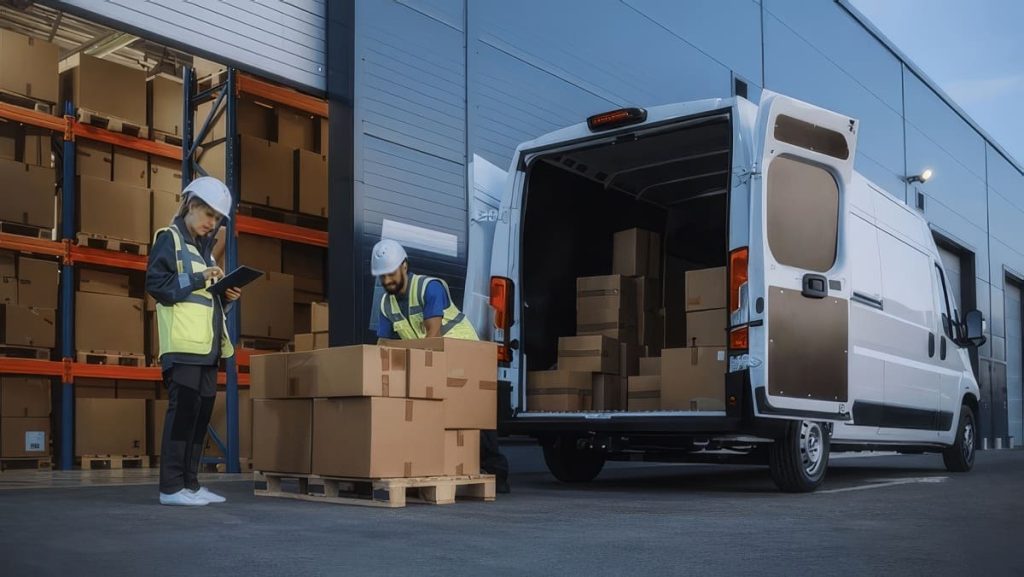
On-time deliveries drive customer satisfaction and repeat business. GPS tracking enables delivery companies to monitor driver behavior, optimize route planning, and ensure packages arrive within promised windows. Integration with route management software helps manage large fleets efficiently, reducing costs while boosting reliability.
The ability to provide customers with accurate delivery ETAs based on real-time data has become a competitive differentiator in this industry.
Transit Industry
Public transit providers utilize GPS fleet tracking to improve schedule adherence and passenger safety. Real-time updates allow transit authorities to inform passengers about delays proactively, reducing frustration and improving the commuter experience.

Monitoring vehicle movements enhances security and asset management. Management systems that include route tracking and vehicle diagnostics improve overall service quality, support better resource utilization, and provide the transparency that modern riders expect.
For transit agencies, GPS tracking isn’t just about efficiency—it’s about building trust with the communities they serve.
Construction Fleets
Construction companies operate on tight schedules with unpredictable job site locations. GPS fleet tracking ensures heavy machinery and vehicles are utilized efficiently, reducing idle times and controlling operational costs.

Fleet tracking helps verify vehicle arrivals and departures at multiple construction sites, establishing accountability and preventing unauthorized equipment use. The data also enables proactive maintenance scheduling to prevent breakdowns during critical project phases.
Asset management becomes more streamlined, minimizing downtime and maximizing return on investment for expensive heavy equipment and specialized vehicles used across project sites.
Public Safety Services
Ambulance, fire, and police fleets depend on real-time monitoring to respond swiftly during emergencies. GPS tracking provides the location data crucial for deploying vehicles efficiently when every second counts.
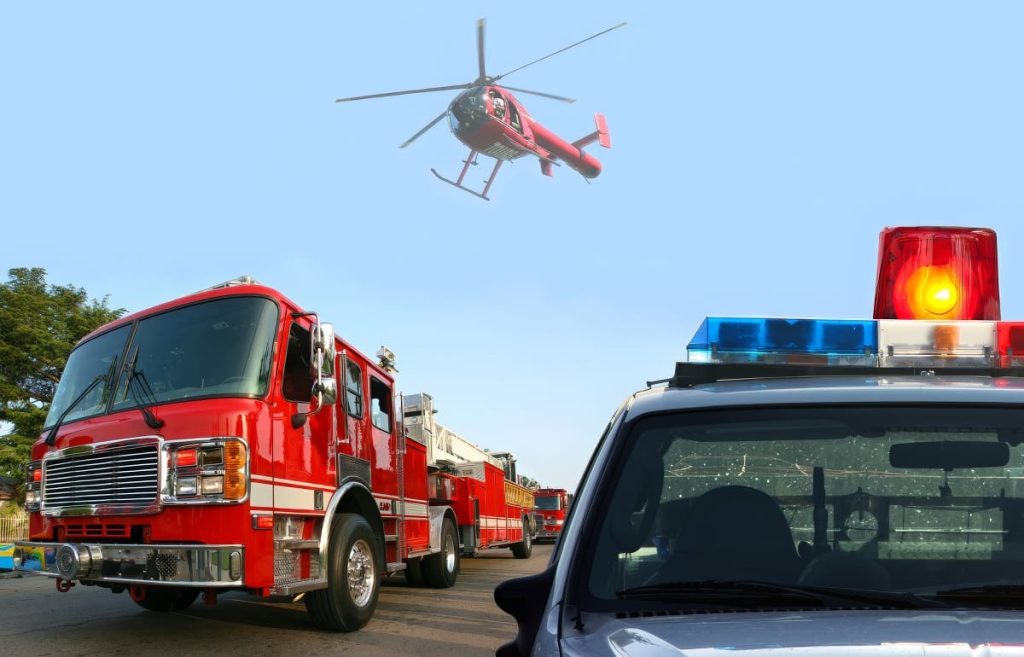
The technology supports safety protocols by monitoring driver behavior and vehicle status, even during high-stress emergency responses. Integration with dispatch systems ensures rapid response times and better coordination among units.
For public safety services, GPS fleet tracking enhances operational readiness and safety, ultimately saving lives and protecting communities. The technology has become as essential as the vehicles themselves.
Why Choose AgileTech as Your Fleet GPS Tracking Developer?
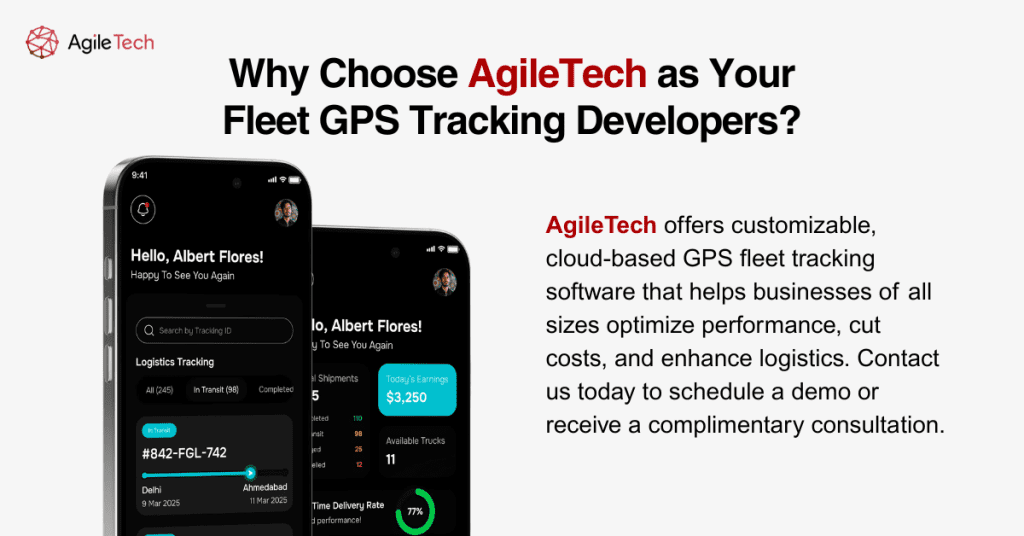
Selecting the right technology partner for your GPS fleet tracking solution can make the difference between a system that transforms your operations and one that creates more problems than it solves. AgileTech brings deep expertise in fleet management technology, combining technical excellence with a genuine understanding of the challenges you face daily.
Our Working Process
Our approach to software development outsourcing is structured to ensure efficiency, transparency, and success. Here’s a step-by-step breakdown of how AgileTech delivers exceptional results:
Initial Consultation and Requirement Gathering
We start by understanding your specific needs and objectives. Our team conducts detailed consultations to gather all necessary requirements, ensuring we have a clear understanding of your project goals.
Project Planning and Proposal
Based on the gathered requirements, we develop a comprehensive project plan. This includes defining the scope, timeline, and budget. Our proposal outlines the key deliverables and milestones, providing a transparent view of the project’s trajectory.
Design and Development
Our experienced developers and designers begin the software development process. Utilizing agile methodologies, we ensure iterative progress with continuous feedback loops. This approach allows us to adapt to changes and refine the product to meet your expectations.
Quality Assurance and Testing
Rigorous quality assurance is integral to our process. We conduct thorough testing to identify and resolve any issues, ensuring that the final product is robust, reliable, and meets the highest standards.
Deployment and Integration
Once the software passes all quality checks, we proceed with deployment. Our team ensures smooth integration with existing systems, providing support throughout the transition to guarantee minimal disruption.
Ongoing Support and Maintenance
Post-deployment, we offer continuous support and maintenance services. Our goal is to ensure your software remains up-to-date and performs optimally, addressing any issues promptly and efficiently.
Our approach starts with listening to your specific needs rather than forcing you into a one-size-fits-all solution. We’ve developed fleet tracking systems for diverse industries—from delivery fleets managing hundreds of vehicles to construction companies coordinating heavy equipment across multiple job sites. This experience means we understand the nuances of different operational models and can build GPS tracking solutions that align perfectly with your workflows.
Our Achievements
As a leading software outsourcing company, we are proud of the achievements that reflect our commitment to excellence, innovation, and customer satisfaction.
Recognitions & Certifications










Join the Fleet Managers Who’ve Already Transformed Their Operations


Stop Losing Money on Unexpected Downtime and Inefficient Routes
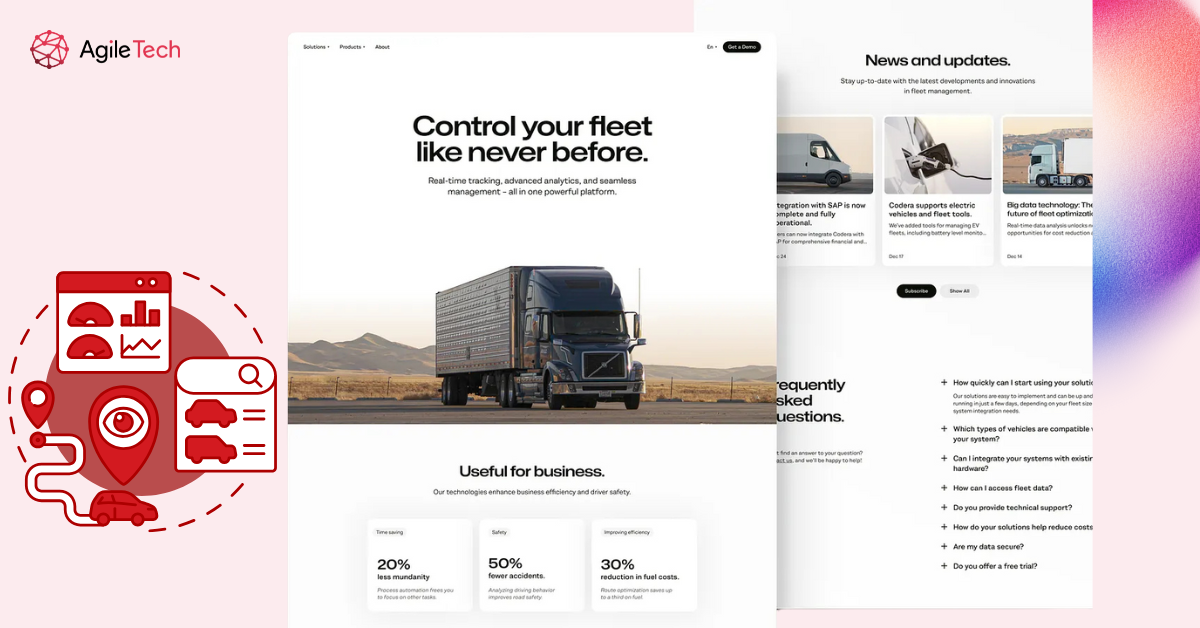
While you’re managing routes manually, they’re cutting fuel costs by 30% and getting real-time visibility on every vehicle. Don’t fall behind!