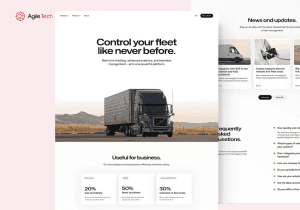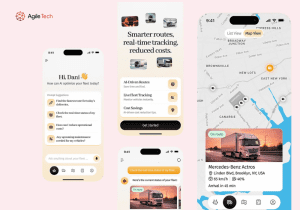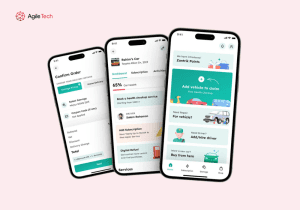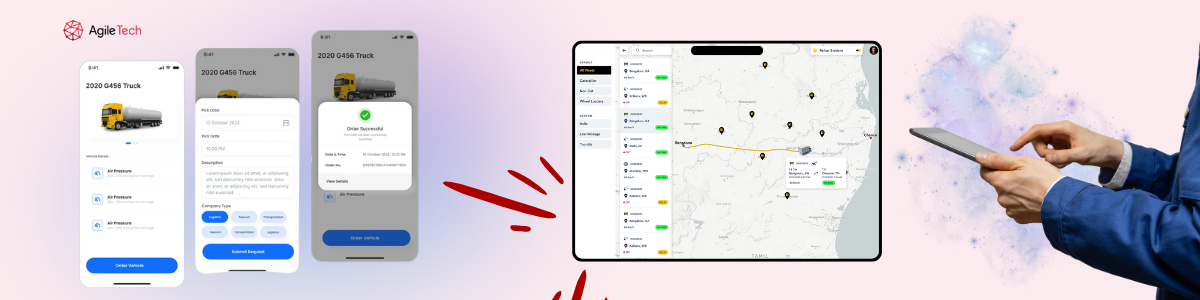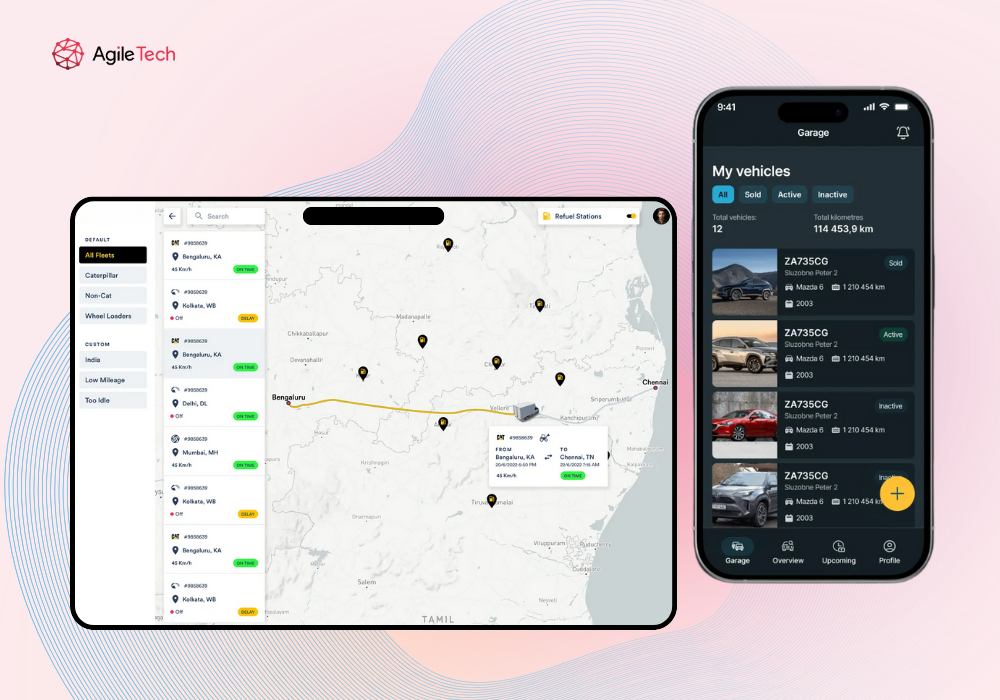
Reducing Downtime by 40% with an Intelligent Vehicle Fleet Management System

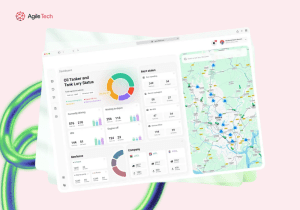
vehicle tracking and fleet management system

Reducing Downtime by 40% with an Intelligent Vehicle Fleet Management System

Team Size

8 Members

Duration

1 Year

Our Client 

Our client is a fast-growing logistics and transportation company operating across multiple regions, managing a large and expanding fleet of delivery and service vehicles. As their operations scaled, the need for an intelligent and responsive fleet management system (FMS) became paramount. Their existing infrastructure could no longer support the complexities of real-time vehicle tracking, health monitoring, and operational analytics. To address these pain points, the client approached AgileTech with a clear vision: develop a robust and scalable vehicle tracking and fleet management system that integrates cutting-edge GPS fleet management system features with cloud-based scalability.

Web Features 

The delivered web-based platform was tailored to optimize the fleet management lifecycle. Its core features included:

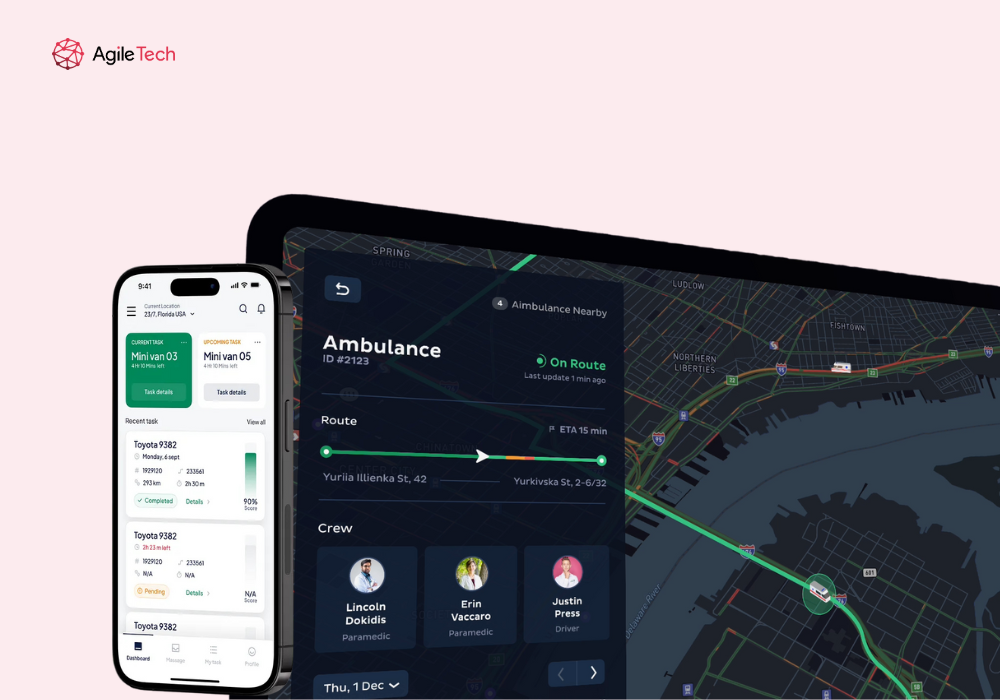
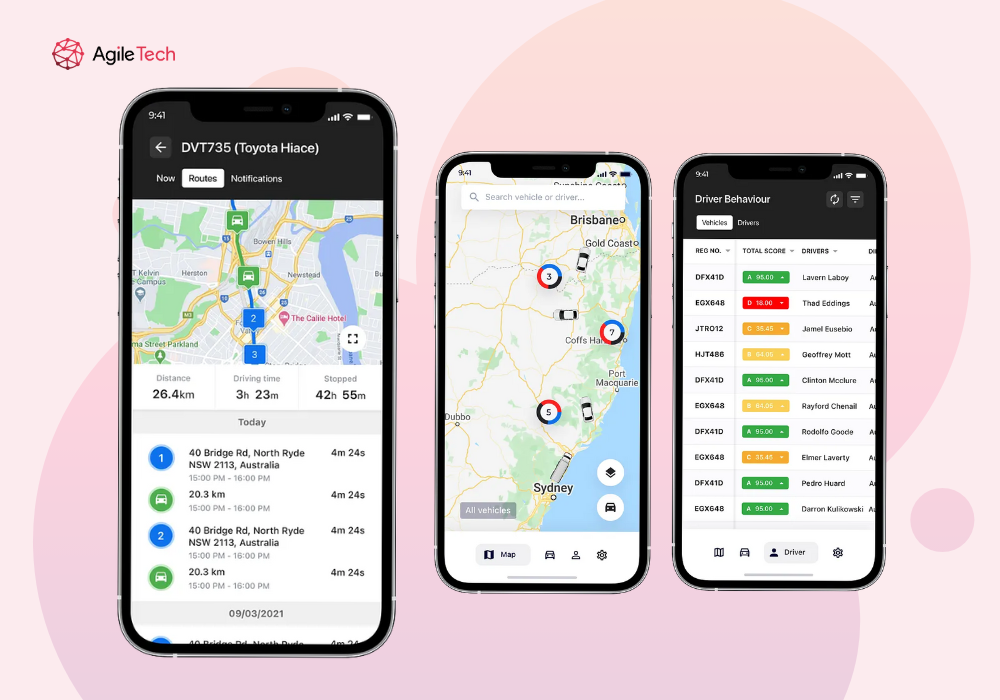
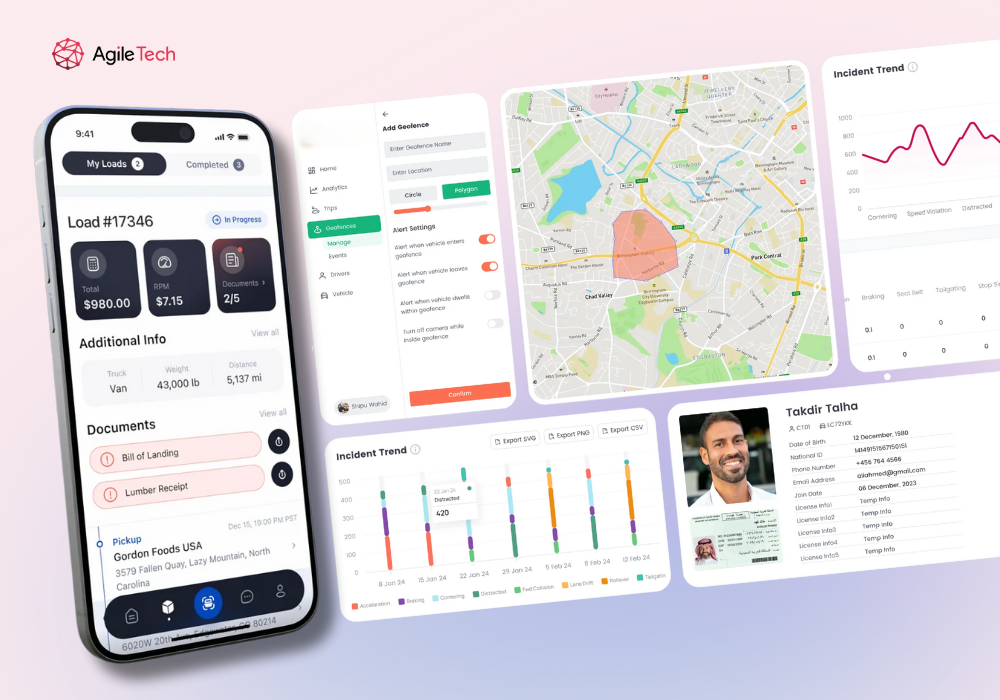
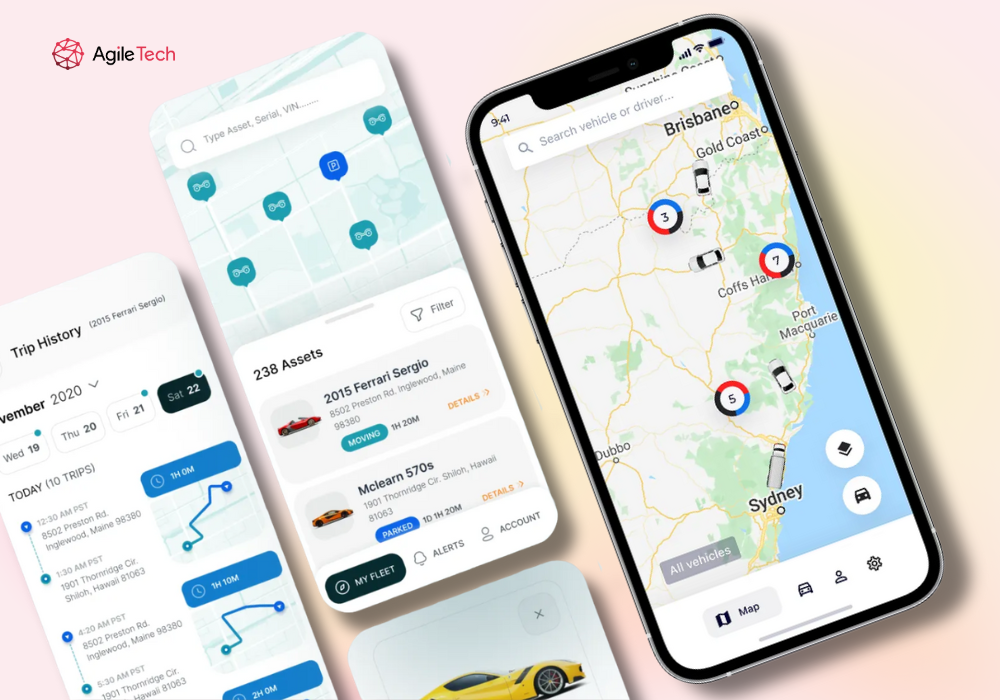
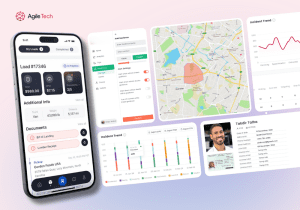
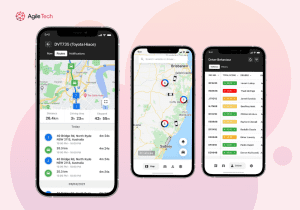
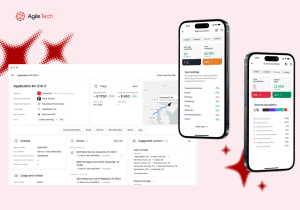
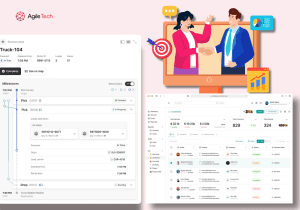
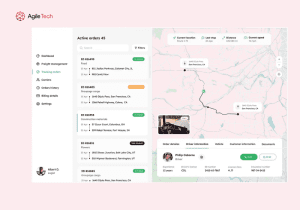
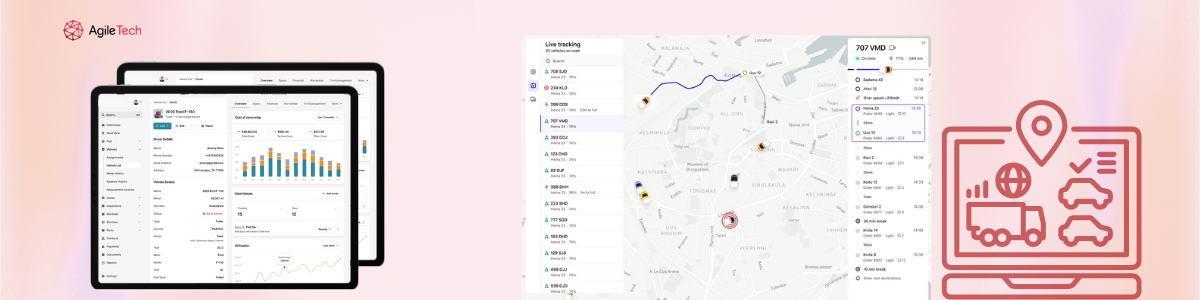
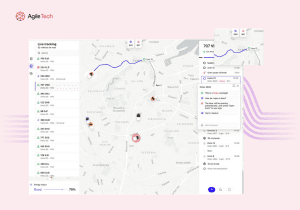
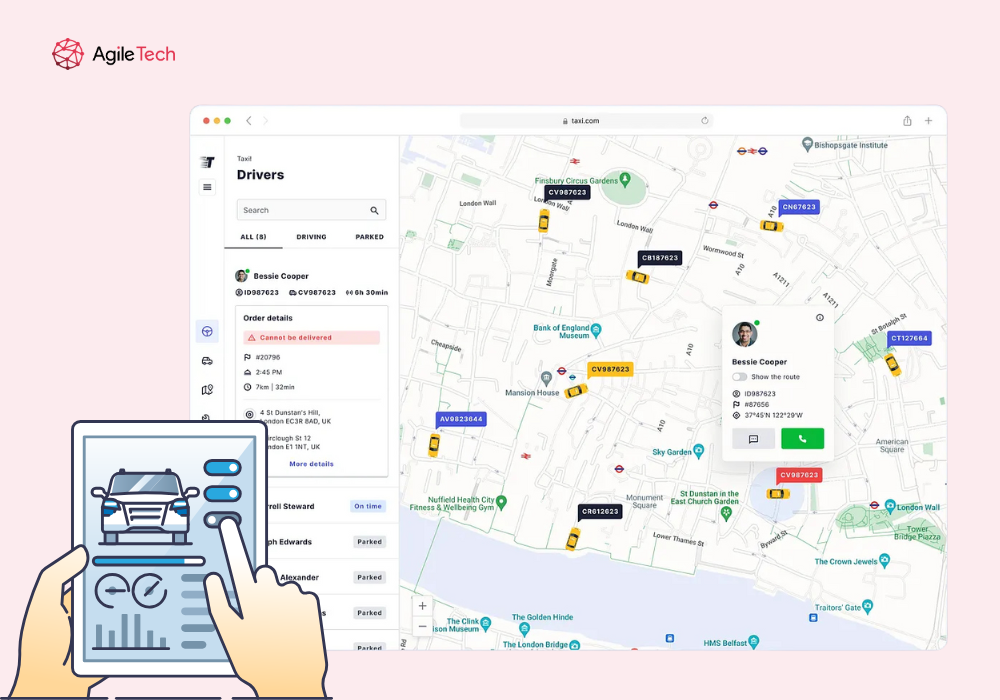
  • Real-Time GPS Vehicle Tracking: Comprehensive mapping tools with live location updates, route playback, and geofencing capabilities.
  • Vehicle Health Monitoring via IoT Sensors: Integration with onboard diagnostics (OBD) systems and sensors to monitor key performance indicators such as engine health, tire pressure, fuel consumption, and battery levels.
  • Automated Maintenance Notifications: Customizable alerts and schedules to notify fleet managers and drivers of upcoming or overdue services.
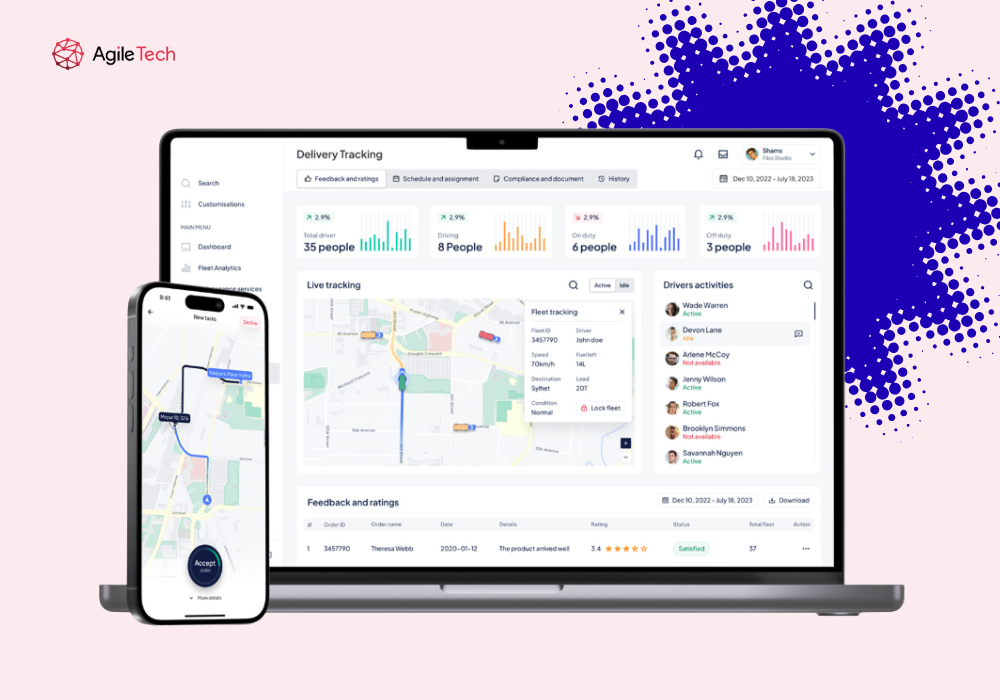
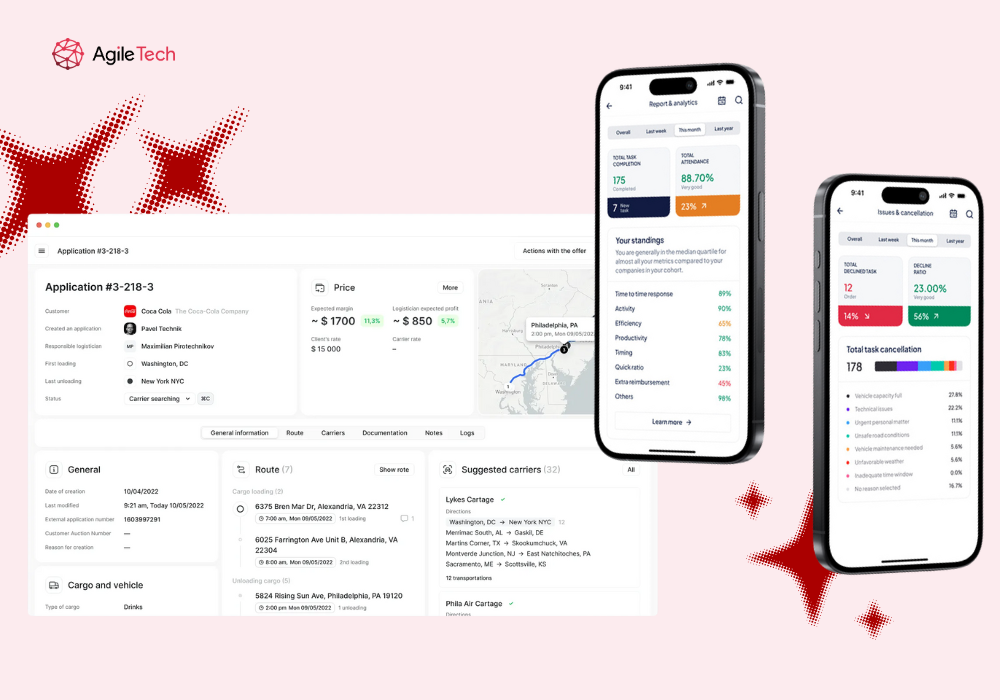
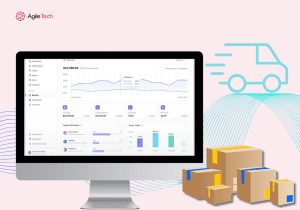
  • Data Analytics and Reporting: Detailed reporting dashboards for trip history, driving behavior analysis, maintenance logs, and fuel efficiency metrics.
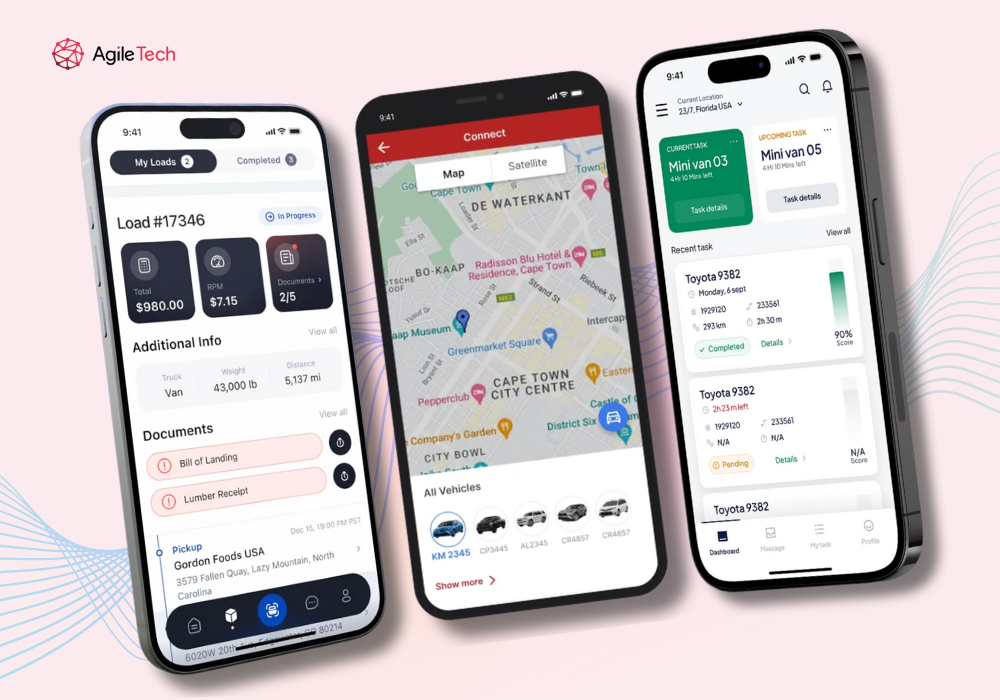
  • Mobile Accessibility: The system supports seamless access on both desktop and mobile devices, ensuring field operatives and administrators can manage operations anytime, anywhere.
  • Role-Based Access Control: Admins can define roles and permissions, ensuring secure access to data and system modules.

Project Goals 

The primary goal was to create an all-in-one, cloud-based vehicle fleet management system capable of supporting thousands of vehicles with high data accuracy and real-time communication. Beyond tracking, the platform was envisioned to deliver actionable insights to improve fleet efficiency, reduce operational costs, and enhance safety. Scalability, real-time responsiveness, and cross-platform access were central to the system’s architecture.
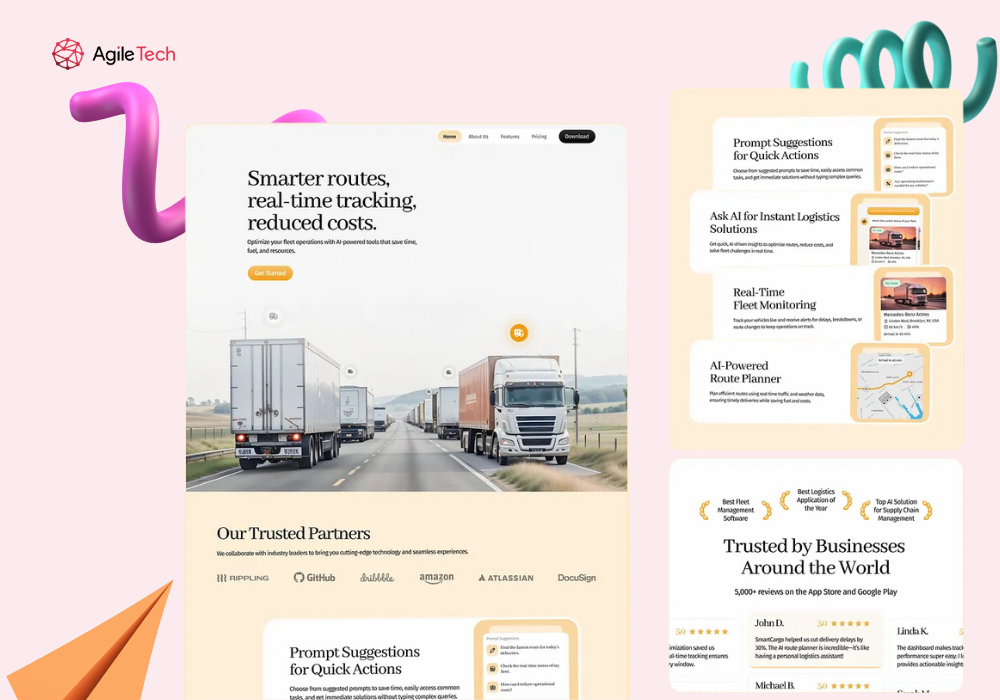
fms

Challenges 

Developing a high-performance vehicle fleet management system for a large-scale operation presented a complex mix of technical and logistical challenges. From the outset, it was clear that the success of the project hinged on our ability to manage and process a massive amount of real-time data reliably, while also delivering a smooth, responsive user experience across devices. The following core challenges emerged during the discovery and planning phases:

1. Real-Time Telematics Data Processing at Scale

The backbone of any GPS fleet management system is the ability to collect and process telematics data from a vast network of vehicles in real time. Each vehicle in the client’s fleet was equipped with IoT devices transmitting multiple data points per second, including location, speed, engine diagnostics, fuel levels, and driver behavior indicators. This created a constant stream of high-volume, time-sensitive data that needed to be ingested, processed, stored, and visualized without delay.

The challenge was twofold: not only did the system need to handle real-time data processing, but it also needed to ensure data integrity and consistency across all dashboards and reports. Any latency or data loss could compromise decision-making, driver safety, and fleet performance.

2. Ensuring Scalable Architecture for Fleet Growth

The client’s fleet was growing rapidly, with plans to onboard hundreds of new vehicles and expand operations to new regions within the following year. This meant the system architecture had to be future-proof from the beginning. A short-term solution that merely accommodated the current fleet size would have been inadequate and risky.

We had to anticipate increasing data loads, user traffic, and integration points while ensuring the system remained stable and responsive. The platform needed to support horizontal scalability—allowing the client to add new vehicles, devices, users, and locations without impacting overall performance or requiring major reengineering.

3. Maintaining Reliable, Low-Latency Communication Between Devices and the Cloud

One of the critical performance metrics for any fleet management system (FMS) is how quickly and reliably data can travel from a moving vehicle to the cloud, and then from the cloud to the end-user interface. Factors such as unstable network connections, limited bandwidth in remote areas, and hardware inconsistencies can all disrupt this flow of information.

To meet the client’s needs, it was essential to design a system that could maintain reliable communication in real time—even in environments where connectivity is limited or inconsistent. This included not only the telemetry data, but also the delivery of commands and notifications back to the fleet (such as maintenance alerts, safety warnings, or dispatch messages). Delays or missed transmissions would undermine the platform’s core purpose.

4. Integrating and Standardizing IoT Sensor Data from Multiple Vendors

The client utilized a variety of IoT devices sourced from different hardware providers. Each had its own communication protocol, data format, and level of compatibility. Integrating these into a unified data model that could power a consistent user experience was an added layer of complexity.

We needed to normalize this heterogeneous data, standardize it across modules, and ensure the system could continue to onboard new types of devices in the future without requiring significant redevelopment.

5. Delivering a Mobile-Accessible, User-Friendly Interface

The platform would be used by a wide range of stakeholders—including fleet managers, dispatchers, mechanics, and drivers—many of whom would rely on mobile devices while in the field. It was crucial that the interface was not only responsive across devices, but also intuitive enough for quick adoption by non-technical users.

Designing for usability while maintaining depth of functionality was a careful balancing act. The user interface had to present complex analytics and real-time data in a way that was digestible and actionable—even when accessed on a smartphone with limited screen space.

AgileTech’s Solutions 

To address the challenges of building a scalable, real-time vehicle tracking and fleet management system, AgileTech delivered a tailored, cloud-first solution with a focus on performance, flexibility, and usability.

1. Real-Time Data Handling:
We implemented a robust AWS IoT architecture capable of processing high-volume telematics data from multiple vehicles and IoT sensors. This ensured real-time tracking, accurate health monitoring, and seamless data flow with minimal latency.

2. Scalable Cloud Infrastructure:
The system was built to scale horizontally, allowing easy onboarding of new vehicles, users, and regions. The cloud-native setup ensures the platform remains stable and responsive as the fleet grows.

3. Low-Latency Communication:
Using optimized communication protocols and cloud services, we ensured reliable, two-way communication between vehicles and the platform—even in areas with poor connectivity. Alerts, commands, and data updates now transmit in real time.

4. Flexible IoT Integration:
We developed a unified data model that normalized inputs from various IoT devices and vendors. This made the system hardware-agnostic and easy to extend, reducing future integration efforts.

5. Mobile-Responsive and User-Friendly Design:
The frontend, built with Angular, delivers a responsive UI that works seamlessly across desktops and mobile devices. Key features are easily accessible, ensuring both drivers and managers can operate the system efficiently from anywhere.
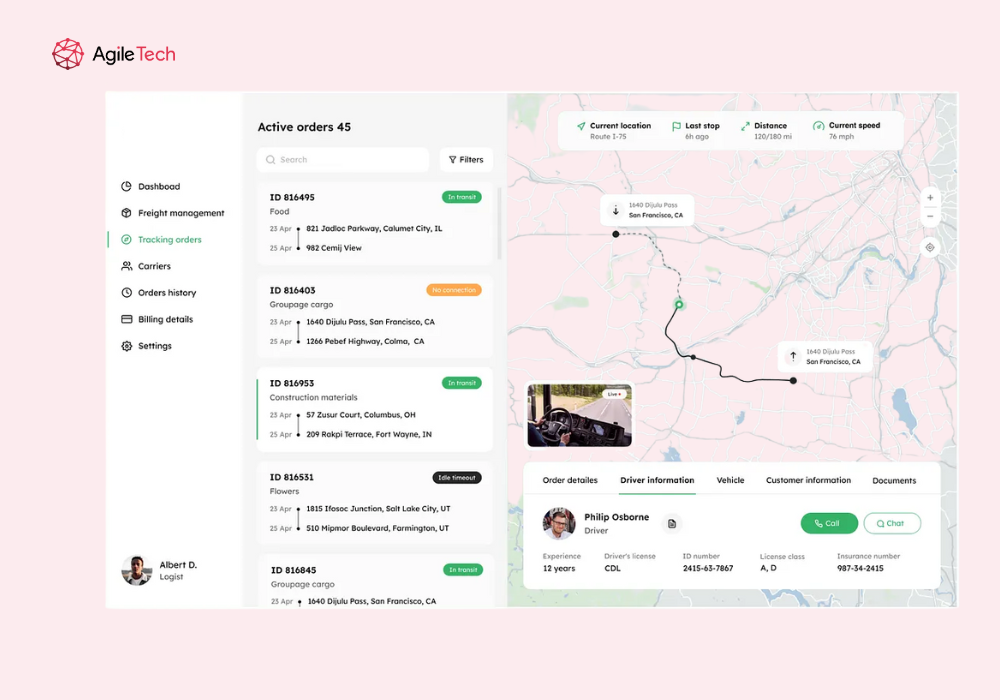
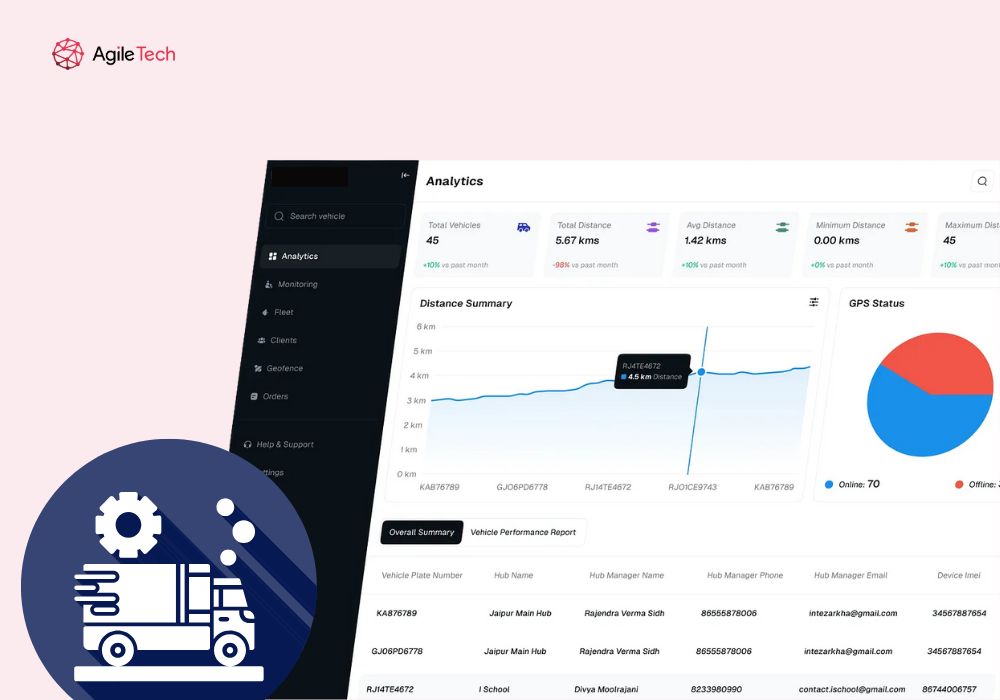
gps fleet management system
fms
vehicle fleet management system

Related Post: A GPS Fleet Management System Improved Petroleum Truck Tracking by 65%

Technologies Used 

The project’s tech stack was carefully selected to deliver maximum performance and adaptability:

  • Frontend: Angular – for fast, responsive, and user-friendly interfaces.
  • Backend: PHP with Symfony – providing a secure, flexible framework for handling complex business logic.
  • Database: PostgreSQL – used for its robustness in handling large volumes of structured data.
  • Cloud Infrastructure: AWS IoT and supporting services – to facilitate scalable real-time data ingestion, storage, and analysis.

Project Results 

The result was a fully functional and scalable GPS fleet management system that significantly streamlined the client’s operations. Key improvements included:

  • A 40% increase in operational visibility thanks to real-time vehicle tracking and reporting.
  • 30% reduction in vehicle downtime due to automated maintenance alerts and proactive repairs.
  • Enhanced driver accountability and safety due to behavior analytics and geofencing features.
  • The platform seamlessly supported the client’s growing fleet with zero disruption during scaling phases.
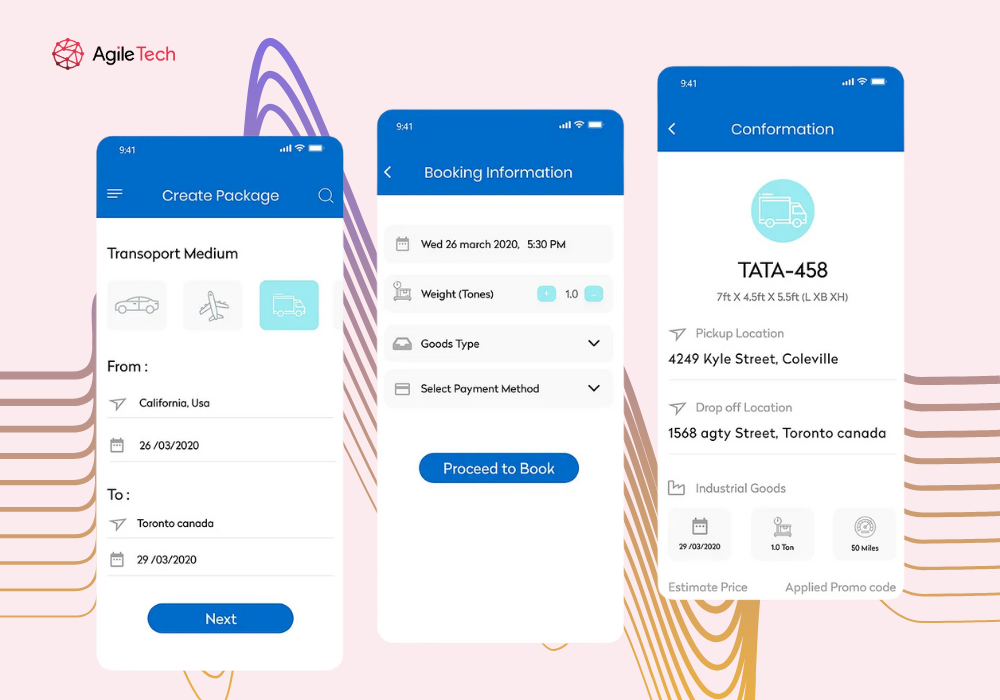
vehicle fleet management system

Moreover, the web-based vehicle tracking and fleet management system empowered managers with the tools needed to make informed decisions and optimize their fleets like never before.

Project Highlights 

One of the most notable achievements of the project was delivering a cost-effective solution without compromising on performance or reliability. AgileTech completed the system within the estimated production time, ensuring a smooth rollout across all operational regions.

The client was highly satisfied with the outcome and appreciated AgileTech’s consultative approach and transparent communication throughout the development cycle. Due to the project’s success, our partnership continues beyond the initial deployment.

As of December 2022, AgileTech is collaborating with the client to implement advanced billing features integrated with their internal accounting system. This new module automates invoice generation and supports online payments via credit cards and bank transfers—bringing the system closer to being an end-to-end fleet management hub.

Post-Launch Support 

Post-launch, AgileTech remains actively engaged in the platform’s evolution. Our support team provides:

  • 24/7 system monitoring and performance tuning
  • Regular updates and security patches
  • Custom module development based on evolving business needs
  • User training and documentation updates

With continuous enhancements and responsive technical support, the client has the confidence to scale further and explore new service territories.

Project Images
Looking to build your own vehicle fleet management system ?

Connect with us today to discuss your software development needs and discover how our tailored outsourcing services can propel your business forward.
Slashing Fuel Costs by 15% with Fleet Fuel Management System

fleet fuel management system

A Comprehensive Fleet Fuel Management System Reduced Fuel Costs by 15%

Team Size

7 Members

Duration

4+ Years

Features

The fleet fuel management system was delivered as a full-featured, web-based fleet and fuel management system that tackled several core needs of the logistics business. Below are the major functionalities integrated into the platform:

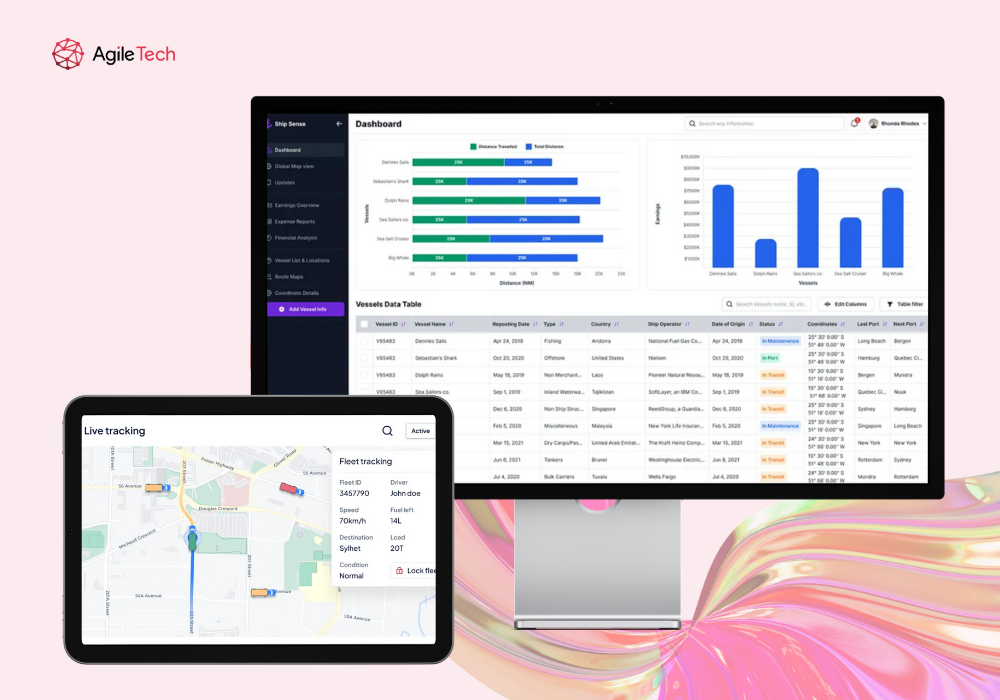
  • Real-Time Vehicle Tracking: Integrated GPS tracking with a live map interface for instant fleet location updates.
  • Fuel Monitoring: Detailed fuel consumption reports, alerts for irregular fuel use, and tracking of fill-ups vs. mileage.
  • Driver Behavior Analytics: Monitoring of driver habits such as speeding, idling, harsh braking, and overall efficiency.
  • Route Optimization Engine: Intelligent route planning to reduce fuel usage and delivery times.
  • Performance Dashboards: Centralized analytics hub providing data insights, historical trends, and performance KPIs.
  • Alerts and Notifications: Automated alerts for maintenance, fuel anomalies, and driver behavior issues.
  • Data Synchronization: Seamless integration with internal business systems to streamline reporting and operations.

Challenges

Implementing this comprehensive FMS presented several significant challenges:

  • Device Integration Complexity: The client utilized GPS tracking devices from multiple vendors, requiring complex integration to create a unified tracking system for this customized fleet fuel management system website.
  • Real-Time Data Processing: With a large fleet, processing and presenting real-time tracking data without latency required sophisticated architecture.
  • Data Accuracy and Reliability: Ensuring consistent accuracy across all tracking devices and fuel monitoring systems was critical for meaningful insights.
  • Legacy System Integration: The platform needed to interface smoothly with the client’s existing internal systems without disruption.
  • User Adoption: Creating an intuitive interface that employees could quickly adapt to without extensive training was essential for project success.

AgileTech’s Solutions

To address these challenges, we implemented a multi-faceted approach for the fleet management system:

We developed a sophisticated middleware layer capable of handling multi-vendor device integration, standardizing data formats across all device types. This adapter-based architecture allowed for easy addition of new device types without core system modifications.

Our team designed a highly scalable backend architecture using .NET and ASP.NET Core that efficiently processed large volumes of real-time data. The system utilized message queuing and parallel processing techniques to handle peak loads without performance degradation.

fleet and fuel management system

We implemented sophisticated algorithms to analyze fuel consumption patterns, driver behavior, and route efficiency, providing meaningful, actionable insights. The system incorporated machine learning elements to identify patterns and anomalies that would be difficult to detect manually.

Custom API development ensured smooth data flow between the new FMS and existing internal systems. We created bidirectional data synchronization mechanisms with appropriate transformation layers to accommodate legacy system limitations.

The React-based frontend with Material UI delivered an intuitive user experience that required minimal training for adoption. We employed role-based interfaces that presented each user with only the tools and data relevant to their responsibilities.

gps fleet management system

fms

Project Outcomes

The implementation of the fleet and fuel management system brought significant operational improvements:

  • Seamless real-time vehicle tracking and monitoring
  • Centralized dashboard for fleet performance and fuel efficiency
  • Improved data accuracy and faster decision-making
  • Better coordination between field teams and dispatchers
  • Automated reporting and fuel usage analysis
  • Enhanced driver accountability and performance monitoring

The Impact

The business impact of implementing the new GPS fleet management system was substantial:

  • 15% reduction in overall fuel consumption through optimized routing and fuel monitoring
  • 60% improvement in employee productivity, thanks to automated processes and better data visibility
  • 25% faster decision-making via comprehensive dashboards and real-time analytics
  • 40% increase in operational efficiency by eliminating manual data handling and streamlining internal workflows

15%

Reduction in Fuel Consumption

60%

Improvement in Productivity

25%

Faster Decision-making

Technologies Used

The fleet fuel management system was built using a modern, scalable technology stack:

Frontend:

  • React with Material UI for an intuitive user interface
  • React Form Hooks for streamlined data entry
  • TypeScript for enhanced code reliability

Backend:

  • NET, ASP.NET Core provides robust server-side processing
  • RavenDB for efficient document storage and retrieval

Post-launch Support

After deployment, we provided ongoing maintenance and technical support to ensure the FMS website remained stable, secure, and adaptable. Our post-launch services included:

  • Real-time bug fixes and performance monitoring
  • User training and onboarding for staff
  • Feature updates based on client feedback
  • System scaling and infrastructure optimization

Project Images

Looking to build a Fleet Fuel Management System?

Connect with us today to discuss your software development needs and discover how our tailored outsourcing services can propel your business forward.
How We Boosted Efficiency by 40% with an Advanced Vehicle Fleet Management System

vehicle fleet management system

How We Boosted Efficiency by 40% with an Advanced Vehicle Fleet Management System

Team Size

6 Members

Duration

18 Months

A leading logistics company with a rapidly expanding fleet sought to optimize its vehicle operations by implementing an advanced Fleet Management Vehicle Tracking System (FMS). Managing a large number of vehicles across different locations posed significant challenges in tracking, route optimization, maintenance, and driver management. The company required a comprehensive solution that would enable real-time monitoring, enhance operational efficiency, and provide data-driven insights for better decision-making. The objective was to integrate cutting-edge technology to improve fleet visibility, reduce operational costs, and increase overall profitability.

Features

  • Real-Time Vehicle Tracking: Live GPS tracking enabled fleet managers to monitor vehicle locations accurately, ensuring better dispatching and security. Integration with IoT sensors allowed for constant updates on vehicle status, fuel levels, and driving conditions.
  • Route Optimization: AI-driven algorithms analyzed historical traffic data and real-time road conditions to suggest the most efficient routes. This feature minimized travel time, reduced fuel consumption, and enhanced delivery performance.
  • Driver Behavior Monitoring: By analyzing driving patterns such as speed, braking, and acceleration, the system provided insights into driver performance. This feature promoted safety, reduced accidents, and encouraged responsible driving habits.
  • Vehicle Health Diagnostics: Sensors continuously monitored engine health, tire pressure, and battery status. Automated alerts notified fleet managers of potential issues before they escalated, preventing costly repairs and downtime.
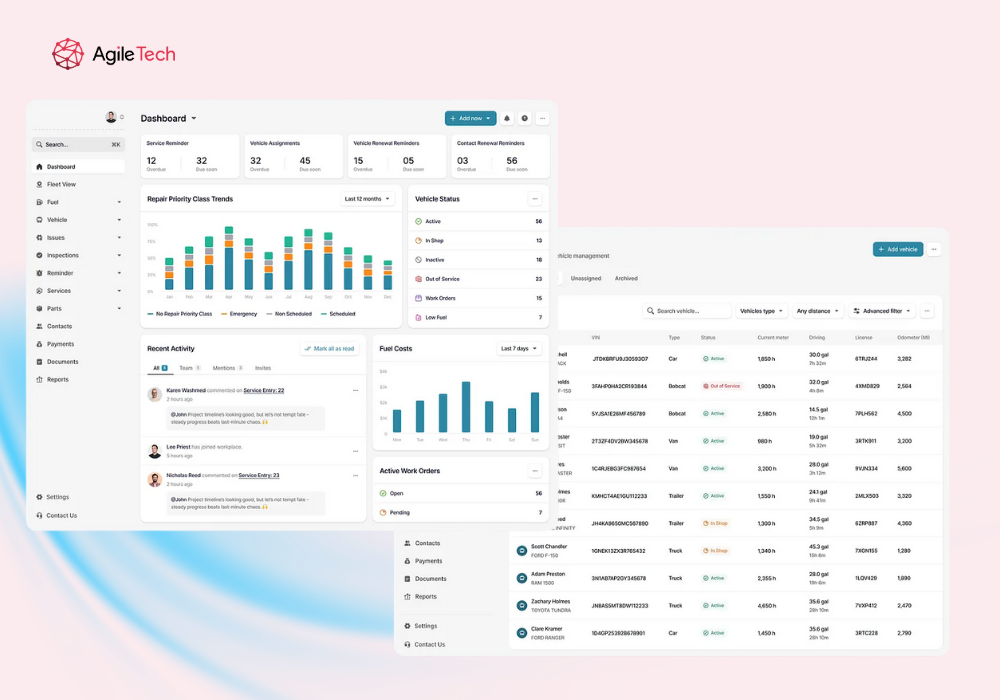
  • Comprehensive Dashboards: An intuitive dashboard provided fleet operators with real-time insights into vehicle utilization, fuel efficiency, and overall fleet performance. Customizable reports allowed data-driven decision-making.
  • Automated Reporting: The system generated detailed reports on vehicle expenses, fuel usage, maintenance schedules, and driver performance, enabling better financial planning and resource allocation.
vehicle fleet management system

Project Goals

The logistics company aimed to develop a robust Vehicle Fleet Management System with clear objectives:

  • Ensure seamless integration of IoT devices for real-time data collection and improved operational insights.
  • Enhance operational efficiency by reducing manual processes and improving automation in fleet tracking and route planning.
  • Improve fleet visibility to ensure optimal asset utilization, reduced fuel wastage, and better compliance with safety regulations.
  • Leverage AI-powered analytics for predictive maintenance and driver performance tracking to lower vehicle downtime and accident rates.
  • Provide mobile accessibility so fleet managers and drivers could monitor and manage operations from anywhere, ensuring flexibility and responsiveness.

Challenges

Developing and implementing an advanced Fleet Management Vehicle Tracking System came with several challenges:

  • Seamless Integration of IoT Devices: The system needed to support various IoT tracking devices and ensure smooth, real-time data communication.
  • Handling Large-Scale Data Processing: Managing and analyzing vast amounts of real-time vehicle and sensor data required a high-performance cloud infrastructure.
  • Route Optimization & Predictive Maintenance: AI-driven insights needed to be highly accurate to maximize efficiency and minimize disruptions.
  • Cross-Platform Compatibility: Ensuring a seamless user experience across different devices and platforms, including web and mobile applications.

AgileTech’s Solutions

  • IoT Core Integration: Enabled seamless communication between tracking devices and the cloud, ensuring accurate real-time data transmission.
  • AWS Lambda for Data Processing: Used a serverless approach to efficiently handle large volumes of vehicle and sensor data, allowing for real-time analytics and reporting.
  • AI-Powered Predictive Analytics: Implemented machine learning models to predict maintenance needs, optimize fuel usage, and analyze driver behavior.
  • Cross-Platform Development:
    • Web App: Built using React and Next.js to deliver a highly responsive and user-friendly interface.
    • Mobile App: Developed with Flutter to ensure smooth operation on both Android and iOS devices, allowing fleet managers to monitor operations on the go.
vehicle fleet management system

Related Post: Scaling Fleet Management Vehicle Tracking System for 10,000+ Vehicles

Technologies Used

  • Backend: Developed using Node.js, a scalable and high-performance runtime that ensures seamless backend processing and real-time data handling.
  • Databases:
    • PostgreSQL: Used for structured, relational data storage, ensuring efficient and reliable fleet data management.
    • MongoDB: Utilized for handling large volumes of unstructured data, enabling fast retrieval of real-time tracking information.
  • Frontend:
    • React & Next.js: Chosen for its ability to build highly interactive and dynamic web applications with superior performance and SEO capabilities.
  • Mobile Applications:
    • Flutter: Selected for its cross-platform capabilities, allowing the development of a single codebase that works seamlessly on both Android and iOS devices.
  • Cloud Services:
    • AWS Lambda: Ensured serverless computing for scalable and cost-efficient processing of fleet data.
    • IoT Core: Provided seamless communication between IoT tracking devices and the cloud, enabling real-time monitoring and analytics.
  • AI & Machine Learning:
    • TensorFlow: Used for developing predictive maintenance models, reducing vehicle downtime and enhancing operational efficiency.
    • OpenAI API: Integrated to analyze driver behavior patterns and provide insightful recommendations for improving safety and fuel efficiency.
  • Security & Compliance:
    • End-to-End Encryption: Implemented to secure data transmission between vehicles, cloud servers, and user devices.
    • Multi-Factor Authentication (MFA): Added for enhanced access control and security, preventing unauthorized access to fleet data.

Project Results

The implementation of AgileTech’s Fleet Management Vehicle Tracking System delivered significant improvements:

  • Increased Operational Efficiency: Automation of fleet tracking, route optimization, and driver monitoring streamlined operations, reducing administrative workload and increasing productivity.
  • Complete Fleet Visibility: Real-time insights enabled fleet managers to make quick, informed decisions regarding vehicle deployment, fuel management, and security.
  • Improved Collection & Settlement: The system automated invoicing, reconciliation, and payment processes, leading to faster and more accurate financial transactions.
  • Automated Ticketing & Incident Management: An integrated ticketing system facilitated issue tracking and resolution, significantly improving customer satisfaction and compliance management.
  • Enhanced Decision-Making: AI-driven analytics allowed the company to make data-backed decisions that improved operational efficiency and long-term business strategies.

Project Highlights

AgileTech provided comprehensive post-launch support to ensure system reliability and continuous improvement:

  • Continuous System Monitoring: Regular performance checks and updates to maintain uptime and optimize functionality.
  • Feature Enhancements: Periodic updates based on user feedback to add new functionalities and improve existing features.
  • Security Maintenance: Implementation of robust security protocols, data encryption, and access controls to protect sensitive fleet data.
  • User Training & Support: Conducted workshops and provided documentation to help fleet managers and drivers make the most of the system.

Project Images

Looking to build your own Vehicle Fleet Management System?

Connect with us today to discuss your software development needs and discover how our tailored outsourcing services can propel your business forward.
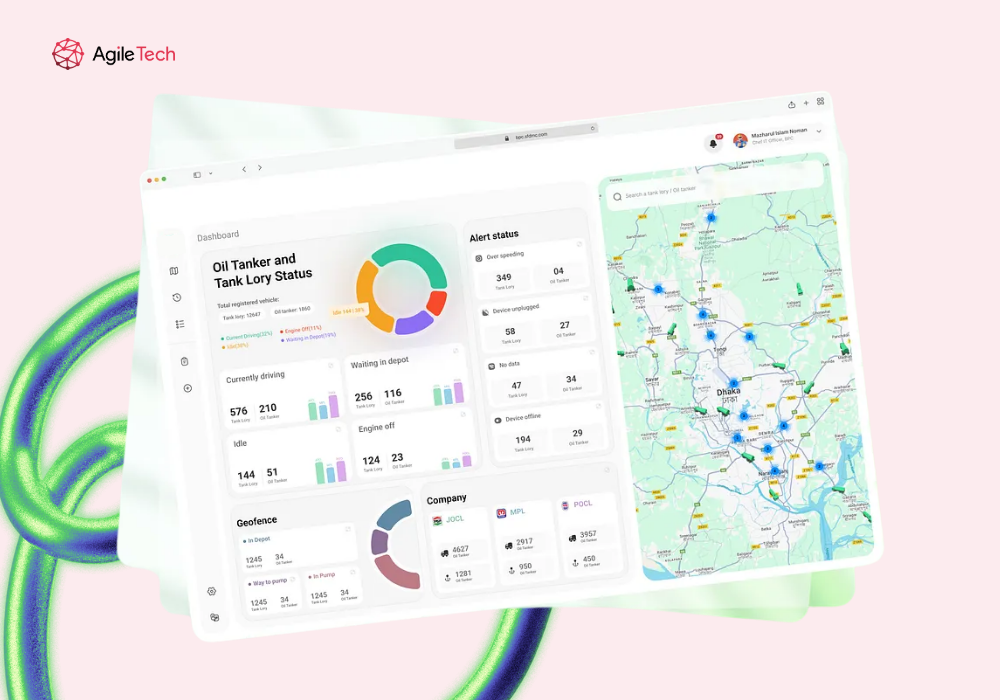
Scaling Fleet Management Vehicle Tracking System for 10,000+ Vehicles

fleet management vehicle tracking system

Scaling Fleet Management Vehicle Tracking System for 10,000+ Vehicles

Team Size

30 Members

Duration

8 Years

Our client, a prominent logistics and transportation company managing an extensive fleet of commercial vehicles, sought a modern fleet management vehicle tracking system to enhance operational efficiency, reduce costs, and improve real-time tracking. Their existing systems lacked real-time analytics, struggled with telematics integration, and provided limited insights into fleet performance. To maintain competitiveness and comply with evolving regulatory requirements, they required a robust vehicle tracking and fleet management system with intelligent automation and data-driven decision-making capabilities.

Features

To address the client’s requirements, AgileTech developed a vehicle fleet management system with key features, including:

  • Real-time GPS Tracking: Enabling continuous vehicle location monitoring for enhanced visibility and security.
  • Route Optimization: AI-driven route planning to minimize delays and fuel consumption.
  • Fleet Analytics Dashboard: Offering insights into vehicle performance, driver behavior, and operational efficiency.
  • Geo-Fencing & Alerts: Sending instant notifications for unauthorized movements, route deviations, or potential security threats.
  • Driver Performance Monitoring: Generating driver scorecards based on speed, braking patterns, and compliance with safety regulations.
  • Maintenance Scheduling: Automating service reminders and reducing downtime through predictive maintenance analytics.

Project Goals

The key objectives of the project included:

  • Enhancing Fleet Visibility: Providing real-time data on vehicle locations, movements, and operational status.
  • Reducing Operational Costs: Cutting fuel expenses and optimizing vehicle usage.
  • Improving Safety & Compliance: Monitoring driver behavior and ensuring adherence to transportation regulations.
  • Enabling Scalable Growth: Supporting an increasing number of vehicles and data points without performance degradation.
  • Providing Actionable Insights: Delivering detailed analytics for informed decision-making.

Challenges

During the development of the fleet management vehicle tracking system, AgileTech encountered several significant challenges that required innovative solutions:

  • Integration Complexity with Telematics Devices: The client utilized a variety of telematics devices with differing data protocols and formats. Integrating these devices into a single cohesive system required extensive customization and testing to ensure smooth data flow across the platform. The challenge was compounded by the need for real-time data synchronization from various hardware sources, which could vary in terms of connectivity and reliability.
  • Managing High Volumes of Real-Time Data: With a large fleet, the volume of incoming data from vehicles was substantial. The system needed to handle real-time data streams, such as vehicle location, fuel consumption, and driver behavior, while maintaining low latency. Ensuring that the system could process and respond to this data without delays or crashes was critical to maintaining operational efficiency and providing accurate insights.
  • Ensuring Compatibility with Android Automotive OS: Developing a seamless integration between the fleet management system and Android Automotive OS was a unique challenge. Since the platform needed to function in-vehicle, it had to comply with the strict requirements of Android Automotive OS for both performance and user interface. Customization was necessary to ensure that the mobile apps would not only work within the constraints of the operating system but also provide a smooth and intuitive experience for drivers.
  • Scalability to Support Growing Fleets: As the client’s fleet continued to expand, the system needed to be designed with scalability in mind. AgileTech had to create a flexible architecture capable of handling an increasing number of vehicles, users, and data inputs without compromising on performance. This required careful planning in terms of infrastructure, data storage, and load balancing to ensure the system could grow with the client’s needs.
  • Security and Data Privacy: Given the sensitive nature of the fleet’s operational data, including driver behavior, vehicle movements, and maintenance schedules, ensuring high-level security and compliance with data protection regulations was crucial. AgileTech had to implement robust encryption methods and safeguard against potential breaches, while also making sure the system met regulatory requirements for data storage and access control.

AgileTech’s Solutions

To tackle the challenges that arose during the development of the fleet management vehicle tracking system, AgileTech implemented several innovative solutions:

  • Flexible Platform Architecture for Telematics Integration: The challenge of integrating diverse telematics devices was addressed by designing a flexible, modular architecture that could seamlessly support multiple protocols and data formats. By using an open and scalable framework, AgileTech ensured that the system could easily integrate new devices or adapt to future hardware updates. This made the integration of various sensors, such as GPS trackers, fuel monitors, and driver behavior devices, efficient and future-proof.
  • Optimized Data Processing Pipelines for Real-Time Performance: To manage the large volumes of incoming data and ensure the system could handle real-time data streams, AgileTech implemented optimized data processing pipelines. Cloud-based data processing allowed for scalable, high-performance handling of data in real time, minimizing latency and ensuring that critical data, like vehicle locations, fuel usage, and maintenance alerts, were processed instantly. By using distributed computing and advanced caching techniques, the system was able to manage and store large datasets with minimal delays, providing fleet managers with up-to-the-minute insights.
  • Custom Android Automotive OS Applications for In-Vehicle Functionality: The compatibility challenge with Android Automotive OS was overcome by developing custom applications designed specifically for the Android environment. AgileTech worked closely with the client to ensure that the mobile apps could function seamlessly within the Android Automotive OS ecosystem. The apps were optimized for the unique constraints of in-vehicle environments, ensuring smooth performance and providing an intuitive user interface for both fleet managers and drivers. Features like real-time tracking, alerts, and route optimization were integrated into the app, ensuring drivers had access to critical information directly from their in-vehicle systems.
  • Scalable Infrastructure to Support Growing Fleets: To ensure that the system could scale with the client’s growing fleet, AgileTech designed the platform to be highly scalable from the ground up. By leveraging cloud services like AWS, AgileTech ensured that the system could accommodate increased user loads and data volumes without performance degradation. Techniques such as horizontal scaling, load balancing, and elastic infrastructure were employed, allowing the platform to grow alongside the client’s expanding fleet while maintaining optimal performance at all times.
  • Robust Security Measures and Data Privacy Compliance: Recognizing the importance of data security and compliance, AgileTech integrated robust encryption protocols to safeguard sensitive data. The system was designed to meet data privacy regulations, including GDPR and other local laws, ensuring that fleet data was securely stored and accessed. Role-based access controls were implemented to limit data access based on user roles, and secure communication channels were established to protect data both in transit and at rest. Regular security audits and updates were also put in place to ensure ongoing protection against potential threats.
fleet management vehicle tracking system

Technologies Used

  • Mobile: Java, Kotlin
  • Backend: Laravel, PHP
  • Frontend: VueJS
  • Cloud Services: AWS for high-availability hosting and secure data storage
  • Telematics & GPS: Google Maps API, OpenStreetMap, and proprietary tracking solutions
  • Android Automotive OS: Customized applications for seamless in-vehicle operations

Project Results

Following the implementation of the fleet management vehicle tracking system, the client experienced measurable improvements:

  • 30% Reduction in Fuel Costs: Through optimized route planning and real-time traffic analysis.
  • 25% Increase in Fleet Efficiency: Enabling better vehicle utilization and reduced idle time.
  • 40% Improvement in Compliance & Safety: By monitoring driver behavior and automating compliance checks.
  • Seamless Integration with Existing Systems: Ensuring workflow continuity and reducing manual interventions.
  • Scalability for Future Growth: Supporting a growing fleet and increasing data loads without performance issues.

Project Highlights

  • Successfully developed an end-to-end telematics solution integrating multiple vehicle tracking devices and sensors.
  • Delivered custom mobile applications compatible with Android Automotive OS for an enhanced driver experience.
  • Achieved real-time vehicle monitoring, route optimization, and driver behavior tracking.
  • Scaled the platform to support large fleets and high data volumes.
  • Enhanced fleet efficiency, safety, and operational transparency for clients across various industries.

Post-launch Support

AgileTech remains a strategic partner for the client by continuously enhancing the fleet management vehicle tracking system with regular system updates to improve functionality and security. The team provides 24/7 technical support, ensuring immediate resolution of any operational challenges and minimizing downtime. Additionally, AgileTech proactively introduces ongoing feature enhancements to keep the system aligned with evolving industry requirements, regulatory standards, and technological advancements, allowing the client to maintain a competitive edge in fleet management.

Project Images

Looking to build your own Fleet Management Vehicle Tracking System ?

Connect with us today to discuss your software development needs and discover how our tailored outsourcing services can propel your business forward.
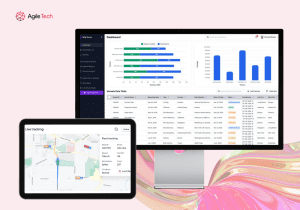
GPS Fleet Management System Improved Petroleum Truck Tracking by 65%

gps fleet management system

A GPS Fleet Management System Improved Petroleum Truck Tracking by 65%

Team Size

4 Members

Duration

4 Months

Features

The GPS fleet management system was designed to address these challenges with the following key features:

  • Vehicle and Driver Registration:  A centralized database to store and manage vehicle and driver details for quick reference and compliance tracking.
  • Live GPS Tracking:  A real-time location tracking system that allows fleet managers to view the exact location of trucks on a digital map, ensuring visibility and security.
  • Geofencing and Route Alerts: Alerts are set up to notify managers when trucks deviate from assigned routes or make unauthorized stops, enhancing security and route adherence.
  • Automated Reporting: The system generates daily, weekly, and monthly reports detailing fleet performance, fuel usage, and route efficiency.
  • Maintenance and Compliance Alerts: Automated notifications are implemented to remind operators of upcoming vehicle maintenance schedules, reducing the risk of breakdowns and regulatory non-compliance.

Challenges

The company faced several key challenges before implementing the fleet management vehicle tracking system:

  • Real-Time Tracking of Heavy-Duty Vehicles: The client required a highly accurate tracking system to monitor the movement of petroleum trucks across Ghana in real-time. Any delay in tracking updates could result in serious logistical issues and increased risks.
  • Monitoring Stop Points and Routes: Unauthorized stoppages and route deviations led to security risks, fuel wastage, and inefficient fleet management. Identifying and addressing these issues manually was a time-consuming task.
  • Tight Deadline with Limited Resources: The development team had only 16 weeks to build and deploy the system, all while facing resource limitations and operational constraints due to the COVID-19 pandemic.

AgileTech’s Solutions

To tackle these challenges, the team implemented the following solutions:

A GPS-powered tracking system was integrated to provide real-time location updates. Automated alerts were triggered when a truck deviated from its assigned route or made an unscheduled stop.

A structured module was developed for vehicle and driver registration, enabling fleet managers to track compliance records efficiently. Additionally, a reporting dashboard was introduced to generate performance insights, helping decision-makers optimize fleet operations.

fms

Using Docker, the system was containerized to allow easy deployment and maintenance on the client’s local data center, ensuring minimal downtime and efficient scalability.

The team adopted an Agile methodology, working in sprints to ensure steady progress and timely completion of this GPS fleet management system within the given timeframe.

fleet management vehicle tracking system

Project Outcomes

The implementation of the fleet management system (FMS) significantly transformed the client’s logistics and tracking capabilities:

  • Enabled real-time tracking of petroleum trucks across multiple regions, providing managers with greater visibility over fleet movement.
  • Reduced route deviations by setting up geofencing alerts that immediately notified fleet operators about unauthorized stoppages.
  • Enhanced operational efficiency, allowing managers to make data-driven decisions using automated reporting.
  • Delivered the project within the strict 16-week deadline, despite the challenges posed by limited resources and external constraints.
  • Implemented a scalable, dockerized deployment, ensuring that future updates and system expansions could be handled efficiently.

The Impact

The fleet management vehicle tracking system delivered measurable improvements in operational performance and cost savings:

  • 65% improvement in route compliance due to real-time GPS tracking and automated alerts.
  • 35% increase in operational efficiency, as automated reporting replaced manual tracking and decision-making processes.
  • 50% reduction in maintenance delays, thanks to proactive alerts notifying operators about vehicle servicing schedules.
  • 25% cost savings in fleet management through optimized resource allocation and reduced fuel wastage.

65%

Improvement in Route Compliance

35%

Increase in Operational Efficiency

25%

Cost Savings

Technologies Used

The GPS fleet management system was developed using cutting-edge technologies to ensure efficiency and scalability:

  • Frontend: VueJS – Used for an intuitive, responsive, and user-friendly interface.
  • Backend: FastAPI – Ensured high-speed data processing and API performance.
  • Cloud Infrastructure: AWS – Provided cloud computing support for secure data storage and analytics.
  • Containerization: Docker – Simplified deployment and maintenance of the system.
  • Database: PostgreSQL – Used for efficient storage and retrieval of vehicle and driver data.

Post-launch Support

To guarantee long-term success and smooth operation, the following post-launch support services were provided for this FMS solution:

  • Ongoing maintenance – Regular system monitoring and performance optimization to prevent downtime and ensure continued efficiency.
  • Regular software updates – Periodic updates were rolled out to enhance system security, introduce new features, and improve overall functionality.
  • Technical support and training – Dedicated support was offered to train the client’s internal team, allowing them to manage and operate the system effectively.

Project Images

Looking to build a GPS Fleet Management System?

Connect with us today to discuss your software development needs and discover how our tailored outsourcing services can propel your business forward.
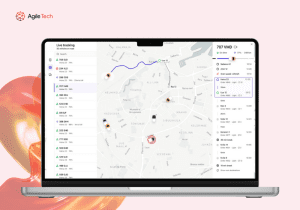
Delivery Service App Cut Shipping Delays by 43%

shipping app

A Delivery Service App Cut Shipping Delays by 43%

Team Size

5 Members

Duration

6 Months

Features

The delivery service app was built with a user-centric design and included the following key features:

  • User Registration & Authentication:
    • Users could sign up and log in using their phone numbers or biometric authentication (fingerprint).
    • A secure OTP verification system ensured account safety and minimized fraudulent activity.
  • Order Management:
    • Users could create new orders and schedule shipments easily.
    • A detailed tracking system allowed users to monitor both sent and incoming orders in real time.
    • Users could search for past and ongoing shipments, view order history, and manage deliveries efficiently.
  • Shipping Rate Calculator & Payment Integration:
    • Users could check real-time shipping rates before confirming an order.
    • Secure online payment gateways such as Stripe and PayPal enabled seamless transactions.
    • Users could view digital receipts, ensuring transparency and easy record-keeping.
  • Drop Point Locator:
    • The app provided a searchable map displaying nearby drop-off points.
    • Users could view details such as location names, addresses, and distances.
  • Referral System:
    • Users could invite friends via phone number to expand the platform’s user base.
    • The referral system helped drive customer engagement and app adoption.
  • Help Center & FAQ Support:
    • Users had access to a self-service help center with FAQs.
    • A search-based Q&A system made it easy for users to find solutions to their queries.

Challenges

Developing an efficient shipping app in logistics came with a few key challenges:

  • Data Privacy & Security: Handling sensitive user data, such as payment details, shipment information, and client credentials, required stringent security measures. A secure infrastructure was necessary to prevent data breaches and unauthorized access.
  • Location Tracking Accuracy: Real-time tracking is a critical feature for any delivery service app. However, GPS data retrieval can sometimes be inaccurate due to latency issues or weak signals. Ensuring precise tracking required an optimized integration with mapping services.
  • Integration Complexity: Seamlessly integrating multiple third-party services (e.g. payment gateways, mapping APIs) without compromising performance was a technical challenge.

AgileTech’s Solutions

To address these challenges, our team implemented the following solutions:

We integrated trusted payment gateways like Stripe and PayPal, ensuring secure and reliable transactions. This not only protected user data but also provided a seamless payment experience.

To enhance location accuracy, we leveraged the Google Maps API, providing users with real-time updates and precise tracking. This feature was critical for building trust and ensuring timely deliveries.

delivery service app 1

Using NodeJS and PostgresDB, we built a scalable and secure backend to handle large volumes of data efficiently. This ensured that the app could grow with the client’s business without compromising performance.

Using NodeJS and PostgresDB, we built a scalable and secure backend to handle large volumes of data efficiently. This ensured that the app could grow with the client’s business without compromising performance.

delivery service app 3

Project Outcomes

The delivery service app significantly improved our client’s logistics operations and customer satisfaction. Key benefits included:

  • Reduction in shipping delays due to optimized order tracking.
  • Owning faster payment processing, reducing transaction delays, and improving cash flow.
  • Increase in customer satisfaction scores, with users appreciating the seamless order management process.
  • Boost in user engagement, driven by the referral system and enhanced user experience.

The Impact

The impact of the shipping app was evident in the company’s business growth and operational efficiency. Key performance results included:

  • Order processing time improved by 45%, leading to faster deliveries and better service reliability.
  • Customer retention increased by 30%, with more users returning due to the app’s intuitive design and ease of use.
  • Operational costs reduced by 18%, as the automated tracking system reduced errors.
  • User adoption increased by 22%, as more customers shifted to digital order management instead of traditional methods.

45%

Faster Order Processing

30%

Increase in Customer Retention

18%

Reduction in Operational Costs

Technologies Used

To build this robust delivery service app in logistics, we leveraged:

  • Flutter – for building a cross-platform mobile application with a seamless UI/UX.
  • NodeJS & ReactJS – for developing a robust backend and an intuitive admin panel.
  • PostgresDB – for secure and efficient database management.
  • AWS – for hosting and cloud infrastructure to ensure high availability.
  • Google Maps API – for accurate real-time tracking of shipments.

Post-launch Support

Even after the successful deployment of the delivery service app, we continued to provide post-launch support to ensure ongoing improvements. This included:

  • Regular updates to enhance security, user experience, and performance.
  • Bug fixes to promptly address any issues reported by users.
  • Feature enhancements based on user feedback and evolving business requirements.

Project Images

Looking to build a Delivery Service App?

Connect with us today to discuss your software development needs and discover how our tailored outsourcing services can propel your business forward.
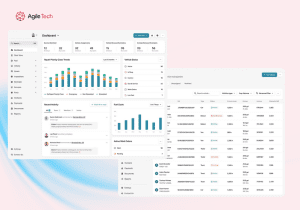
40% Better Performance with Advanced Logistics CRM Software

Logistics CRM Software by AgileTech Team

Achieving 40% Better Performance with Logistics CRM Software

Team Size

8 Members

Duration

10 Months

Our Client

Our client is a logistics company operating in the transportation and logistics industry. They faced challenges in managing their operations efficiently, particularly with increasing data and processes involved in their business activities. The need for logistics CRM to streamline operations and enhance customer management was paramount.

Features

The robust logistics CRM software is a cross-platform web application designed to optimize the operations of logistics companies. The application provides a comprehensive suite of tools to manage every aspect of a logistics business efficiently. Key features include:

  • Dashboard: This feature provides users with reports and analytics on users, organizations, products, competitors, and categories, offering a detailed overview of the company’s operations.
  • Search Feature: Allows users to search items, users, and products quickly, enhancing ease of access to information.
  • User Management: Full management of user profiles and access control.
  • Order Management: Enables businesses to track and manage orders seamlessly.
  • Sales Management: Assists in tracking sales and improving the sales process.
  • Marketing Management: Helps streamline marketing efforts within the CRM, optimizing logistics marketing strategies.
  • Activities Management: Tracks all business activities related to logistics operations.
  • Reports & Analytics: Provides actionable insights for decision-makers, empowering them with data to enhance performance.
  • Mail Notifications: Keeps stakeholders updated on important updates and changes.
  • Maintenance Management: Ensures regular maintenance of the system to avoid operational downtime.

Challenges

Despite the extensive operations, our client faced several key challenges that hindered their logistics operations:

  • Performance & Load Management: As the client’s business grew, they started experiencing delays in database queries due to a high volume of products, orders, and users. This led to slower response times and inefficient order processing.
  • User Experience & Usability: The client’s logistics staff and administrators struggled with an interface that was not user-friendly. The existing systems were cluttered and difficult to navigate, leading to inefficiencies in daily operations and decision-making.

Upon approaching AgileTech, the client sought the best CRM for logistics industry to achieve business goals.

AgileTech’s Solutions

To address these challenges, we proposed and implemented a range of technical solutions using our carefully chosen tech stack. Here’s how the solution tackled the challenges:

  • Optimized Queries for Performance: The performance of the system was significantly improved by optimizing the database queries. We analyzed the database structure and implemented indexing, caching, and optimized query handling to manage larger volumes of data efficiently. This solution resolved the issue of slow query performance as the volume of orders and users increased.
  • User-Centric Design and Automation: To resolve the usability issues, we designed a user-friendly dashboard with clear navigation that provided easy access to key functionalities. The dashboard displayed critical data and analytics related to users, products, orders, and competitors at a glance. We also introduced automation for repetitive tasks, which reduced manual workloads for logistics staff and admins. Additionally, we ensured mobile responsiveness, allowing users to access the CRM seamlessly on various devices.
  • Cross-Platform Compatibility: The logistics CRM software was deployed across multiple platforms to ensure compatibility with various devices. The web application was built with an adaptive design, while the mobile app ensured that users could manage logistics operations on the go, increasing operational flexibility and productivity.
Logistics CRM Software 1
Logistics CRM Software 2

We followed an Agile Scrum methodology to ensure that the project was delivered on time while remaining adaptable to changes in requirements and improvements based on ongoing feedback. Regular sprints and client reviews allowed us to stay aligned with the client’s needs and expectations, ensuring that the logistics CRM solution delivered the best possible value.

Technologies Used

  • ASP.NET MVC Framework: The framework provided a reliable, scalable, and secure environment to develop the application, ensuring the logistics CRM’s smooth operation even under heavy loads.
  • C#: Used for backend development, ensuring robust performance and efficient management of the large volumes of logistics data handled by the CRM.

Project Results

The logistics CRM Software developed by AgileTech aligned well with the client’s requirements and business objectives. Key milestones include:

  • Outstanding Cost Efficiency: By streamlining the client’s logistics operations and optimizing their CRM processes, reducing operational costs.
  • Production Time: The project was completed within a 6-month timeframe, with regular updates and improvements deployed during the process.
  • Excellent Services: Our team delivered exceptional services throughout the development process, maintaining clear communication with the client and providing consistent updates on progress.

The Impact

The deployment of our logistics CRM software significantly improved the client’s operations, achieving a 40% increase in efficiency, a 25% reduction in order and sales processing times, and a 30% boost in sales conversions by optimizing marketing and client management.

40%

Increase in efficiency

25%

Reduction in order and sales processing times

30%

Boost in sales conversions

Post-launch Support

Post-launch, we provided ongoing support to ensure smooth system operation, including regular updates to keep the logistics CRM current with new features, swift bug fixes to minimize disruptions, and feature enhancements based on user feedback to optimize the experience and expand CRM functionalities.

Project Images

Looking to build your own Logistics CRM Software?

Connect with us today to discuss your software development needs and discover how our tailored outsourcing services can propel your business forward.
Revolutionizing a Ride-Hailing Platform for 100,000+ Users

ride hailing platform

Revolutionizing Urban Mobility by Building a Ride-Hailing Platform for 100,000+ Users

Team Size

7 Members

Duration

10 Months

Challenges

Building a robust ride-hailing system required overcoming several critical challenges:

  • Dynamic Pricing: The client required a pricing engine that could adjust fares in real time based on factors like demand surges, weather conditions, and traffic patterns.
  • Real-Time Tracking: Ensuring accurate vehicle tracking and live updates for users was critical to maintaining trust and reliability.
  • Scalability: The ride-hailing platform needed to handle a rapidly growing user base without compromising performance.
  • User Experience: Both passengers and drivers demanded intuitive interfaces with features like in-app communication, trip history, and secure payment options.
  • Administrative Complexity: The admin panel required comprehensive tools for managing users, vehicles, transactions, and support tickets.

AgileTech’s Solutions

To address these challenges, our team implemented a multi-faceted approach:

We developed a sophisticated pricing engine powered by machine learning algorithms. This engine analyzed historical data, live demand patterns, and external factors like weather and traffic to adjust fares dynamically. This ensured competitive pricing while maximizing revenue for drivers and the ride-hailing platform.

We integrated Google Maps API to provide precise geolocation and real-time tracking. This allowed passengers to track their rides in real time and drivers to optimize routes for faster pickups and drop-offs.

ride hailing

Using a combination of ReactJS and NextJS for the frontend and PHP Laravel for the backend, we built a highly scalable platform. PostgreSQL was chosen as the database for its reliability and ability to handle large datasets efficiently.

For passengers, we created an intuitive app with features like ride scheduling, favorite locations, and secure payments via Stripe. Drivers benefited from tools like earnings tracking, ride acceptance/rejection, and vehicle registration.

ride hailing web for admin

The admin panel was designed to provide complete control over the platform. Features included user management, vehicle tracking, transaction monitoring, and support ticket resolution.

ride hailing platform for user

Project Outcomes

The ride-hailing platform delivered significant results for the client:

  • Enhanced Customer Support: The in-app support system improved response times and overall service quality.
  • Optimized Pricing Efficiency: The dynamic pricing model led to increased revenue and fair fare adjustments based on real-time conditions.
  • Improved User Experience: Real-time vehicle tracking reduced ride cancellations and enhanced rider confidence.
  • Better Driver Engagement: The platform provided transparency in earnings, allowing drivers to track their income and ratings efficiently.
  • Scalability & Growth: The client successfully expanded operations by leveraging our modular architecture and scalable cloud-based infrastructure.

The Impact

Within the first six months of launch, the ride-hailing platform achieved:

  • 35% increase in user retention due to improved ride tracking and pricing transparency.
  • 65% boost in driver satisfaction by optimizing booking allocation and earnings tracking.
  • 40% rise in overall revenue with the AI-powered dynamic pricing engine.
  • Seamless payment experience with 95% of transactions processed without issues.
  • Scalability Readiness: The platform handled a 50% increase in ride demand without performance degradation.

35%

Increased User Retention

65%

Boost in Driver Satisfaction

40%

Rise in Revenue

Technologies Used

Frontend:

  • ReactJS: For building a responsive and dynamic user interface.
  • NextJS: To enable server-side rendering and improve performance.
  • Ant Design (Antd): For a consistent and visually appealing UI design.

Backend:

  • PHP Laravel: For robust backend development and API integration.
  • Google Maps API: For real-time geolocation and tracking.
  • PostgreSQL: For reliable and scalable database management.

Payment Integration: Stripe (For secure and flexible payment processing).

Post-launch Support

Post-launch, we provided continuous support and maintenance, including:

  • Performance Monitoring: Regularly monitoring the platform to ensure optimal performance and uptime.
  • Feature Enhancements: Adding new features based on user feedback, such as advanced ride analytics for drivers.
  • Bug Fixes and Updates: Addressing any issues promptly and releasing updates to improve functionality.
  • Scalability Planning: Assisting the client in scaling the platform to accommodate future growth.

Through strategic implementation of AI-driven pricing models and real-time geolocation tracking, we successfully delivered a scalable and efficient ride-hailing platform. Our solutions empowered the client to offer a seamless and engaging experience for riders and drivers, resulting in higher adoption rates, increased revenue, and operational efficiency.

Project Images

Looking to build a Ride-hailing platform?

Connect with us today to discuss your software development needs and discover how our tailored outsourcing services can propel your business forward.
40% Increase in Bookings with Ride-Hailing App

Ride-Hailing App by AgileTech

40% Increase in Bookings with a Revolutionary Ride-Hailing App for a Transportation Startup

Team Size

15 Members

Duration

12 Months

Challenges

The client faced several key challenges in developing a ride-hailing app that would cater to both types of users while maintaining a superior user experience. The prominent challenges included:

  • Dynamic Pricing: The need for a flexible pricing model that adjusts based on factors such as demand, location, weather conditions, and time. This would ensure fair pricing for both riders and drivers, especially in fluctuating market conditions.
  • Real-Time Location Tracking: Accurate and seamless location tracking was essential for providing precise ride tracking and ensuring minimal delays for both the rider and driver.
  • Feature-Rich Rider App for Users: The client wanted to incorporate multiple features for both passengers and drivers, including easy ride booking, promotions, trip history, communication, and payment options for riders, as well as vehicle registration, ride acceptance/rejection, and earnings tracking for drivers.

AgileTech’s Solutions

We utilized a modern tech stack to address these challenges and deliver a comprehensive, feature-rich ride-hailing app.

  • Ride Booking: Users can easily book rides by selecting their preferred ride type (e.g., economy, premium) and inputting pickup and drop-off locations. They can also schedule rides for later, offering convenience and simplicity.
  • Favorite Locations: Passengers can set favorite locations, such as home and work, for quicker ride bookings.
  • Promotion Codes: Riders can use promotion codes for discounts, enhancing loyalty and engagement.
  • Trip History and Scheduled Rides: Users can view trip history and scheduled rides, making future planning easier.
  • In-App Communication: Riders can communicate with drivers directly within the app for seamless interaction.
  • Driver Ratings and Tips: After each ride, riders can rate their driver and leave tips for excellent service.
  • Secure Payments: The app integrates with Stripe for secure payments via credit/debit cards and digital wallets, providing flexible payment options.
Ride-Hailing App 1
  • Vehicle Registration: Drivers can register their vehicles, including type, model, and accessibility options like wheelchair-friendly or baby seats. They can also select ride types (premium, economy) they’re available for.
  • Ride Acceptance and Rejection: Drivers can accept or reject ride requests, allowing them to manage their schedule and availability.
  • In-App Communication: Drivers can communicate with riders directly in the app for smooth coordination and service.
  • Earnings Tracking: Drivers can track their earnings in real-time, offering transparency and helping them manage their income and schedule.
Ride-Hailing App 2
  • Integrated Google Maps API for real-time location tracking to enhance accuracy and efficiency.
  • Enabled smooth ride tracking and optimized routes for drivers.
  • Incorporated GPS integration to allow riders to track their rides in real-time.
  • Provided riders with timely updates on their estimated arrival times.
  • Developed a dynamic pricing algorithm to adjust pricing based on key factors: demand, location, weather, and time.
  • Utilized NodeJS for backend processing to handle real-time computations efficiently.
  • Integrated PostgresDB for robust data storage and retrieval.
  • Delivered a system capable of real-time price calculations for both riders and drivers.
  • Ensured competitive pricing for customers while maintaining fair compensation for drivers.
Ride-Hailing App 3
Ride-Hailing App 4

Project Outcomes

The project delivered a fully functional and user-friendly ride-hailing app that met the client’s expectations. Key features include easy ride booking, secure payment processing, and seamless communication for riders. Riders can track trips, view history, and use promo codes. For drivers, the app offers control over schedules, the ability to accept or reject rides, and real-time earnings tracking. Both riders and drivers benefit from enhanced coordination and efficiency, ensuring a smooth and satisfying experience.

The Impact

The ride-hailing app launch resulted in a 40% increase in daily bookings within three months, driven by flexible pricing and seamless booking. Drivers saw a 30% rise in average revenue per trip, thanks to optimized pricing and earnings tracking. Rider satisfaction also improved by 25%, with features like real-time tracking, easy payments, and in-app communication enhancing the user experience.

40%

Increase in daily bookings

30%

Rise in average revenue per trip

25%

Increase in rider satisfaction

Technologies Used

The ride-hailing app was empowered by these powerful technologies:

  • NodeJS
  • ReactJS
  • Flutter
  • PostgresDB
  • AWS
  • Google Maps API

Post-launch Support

Post-launch, we provide regular updates, bug fixes, and feature enhancements to ensure the rider app remains functional, secure, and aligned with user needs. Our team monitors app performance, addresses issues promptly, and gathers user feedback to make improvements. This ongoing maintenance ensures the app delivers a seamless experience for both riders and drivers, guaranteeing long-term satisfaction and performance.

Project Images

Looking to build your own Ride-Hailing App?

Connect with us today to discuss your software development needs and discover how our tailored outsourcing services can propel your business forward.
20% Fuel Cost Savings with GPS Tracking Software

Achieving 20% Fuel Cost Savings: GPS Tracking Software for Enhanced Fleet Management System (FMS)

Team Size

10+ Members

Duration

4 Months

Challenges

Before working with AgileTech, the client faced significant challenges that hindered operational efficiency. Key issues included:

  • Real-Time Tracking Deficit: The prior system lacked real-time GPS tracking, limiting its ability to oversee fleet activity and respond swiftly to logistical changes.
  • Operational Inefficiencies: Without accurate location data, scheduling and resource allocation were often delayed or misaligned.
  • Driver Accountability and Safety: The client needed better oversight to monitor driver performance and safety, particularly for compliance with company policies and road regulations.
  • ERP Integration Challenges: Integrating GPS data with the client’s Enterprise Resource Planning (ERP) system was essential but challenging, as it required seamless data flow for accurate reporting and centralized monitoring.

AgileTech performed an in-depth analysis of the client’s requirements and existing systems, identifying the optimal path to develop and implement GPS Tracking Software within their FMS.

AgileTech’s Solutions

Our approach focused on developing GPS Tracking Software that could integrate seamlessly with the existing Fleet Management System, addressing specific operational needs and ensuring scalability. The following key features were implement:

  • Accurate Location Tracking: GPS-enabled devices installed in each vehicle provided real-time tracking, allowing managers to view vehicle locations at any moment. This capability enabled quicker response to on-the-go logistical changes.
  • Route Optimization: Leveraging GPS data, the software suggests the most efficient routes, helping to minimize travel time, reduce fuel costs, and improve delivery times.
  • Performance Tracking: GPS data enabled managers to track driving patterns, such as speed and idle times, supporting initiatives for fuel efficiency and safe driving practices.
  • Geofencing for Compliance: The software allowed the client to establish virtual boundaries, alerting managers if a vehicle veered off-course, which improved route adherence and safety compliance.
Gps tracking software for fms
gps tracking software for fleet management system
  • Centralized Data Access: GPS data was integrated with the ERP system, enabling a consolidated view of fleet operations and generating insights across departments.
  • Enhanced Decision-Making: Centralized access to real-time data allowed managers to make data-driven decisions on resource allocation, workforce distribution, and operational efficiency.
  • Real-Time Alerts and Updates: Managers and drivers could receive real-time updates, allowing for quick adjustments based on traffic or route changes.
  • Data Privacy Controls: Location tracking was configured to only be active during work hours, ensuring compliance with privacy standards.
gps tracking software for enhanced fms
gps tracking software for enhanced fms 1

Project Outcomes

The GPS Tracking Software developed by AgileTech became a core component of the client’s Fleet Management System, delivering the following benefits:

  • Enhanced Driver Accountability: Driver performance tracking tools encouraged safer driving practices and compliance with company policies.
  • Improved Operational Efficiency: Real-time tracking and route optimization reduced average delivery times by 25%, enhancing the client’s ability to meet deadlines and improve customer satisfaction.
  • Increased Cost Savings: Fuel costs decreased by 20%, thanks to more efficient route planning and real-time monitoring of driving behaviors.

25%

Reduction in Average Delivery Times

20%

Decrease in Fuel Costs

Technologies Used

To build a robust GPS Tracking Software, AgileTech utilized the following technology stack:

  • Programming Languages: Java, Swift
  • Backend: Node.js, Express
  • Frontend: React Native for cross-platform compatibility
  • Database: PostgreSQL for reliable data storage
  • Mapping Service: Google Maps API for real-time GPS tracking
  • ERP Integration: RESTful APIs to ensure seamless data exchange with the client’s ERP system

Post-launch Support

Following the system’s launch, AgileTech provided continuous support, offering regular updates, feature enhancements, and quick resolutions to any issues. Our team also conducted training sessions to ensure the client’s technical team could effectively manage the software, allowing them to maximize the system’s potential.

Project Images

Looking to build your own GPS Tracking Software?

Connect with us today to discuss your software development needs and discover how our tailored outsourcing services can propel your business forward.
Flight Boooking App for a Major Airline

online flight booking app

Development of a Major Airline’s Flight Booking App for Enhanced Customer Experience

Team Size

15+ Members

Duration

10 Months

Challenges

One of the primary challenges in developing the flight booking app was ensuring scalability and high performance during peak booking seasons. This required a robust architecture capable of handling significant traffic surges without lag or downtime. Another key challenge was achieving cross-platform consistency to provide a seamless experience across iOS, Android, and web platforms, regardless of users’ chosen devices.

To become the best app to book flight tickets and stand out from competitors, the app also needed a virtual assistant to deliver real-time support for various tasks, such as booking tickets and journey planning, while remaining intuitive and interactive. Finally, keeping users engaged throughout the booking and travel process posed another challenge, requiring smart notifications, calendar integrations, and email updates to keep users informed at every stage of their journey.

Here is a summary of key challenges AgileTech encountered:

  • Scalability and Peak Traffic Management
  • Cross-Platform Consistency
  • Enhanced User Experience with Virtual Assistance
  • User Engagement with Smart Notifications and Updates

AgileTech’s Solutions

With identified challenges, our team implemented tailored solutions to ensure a seamless, high-quality experience that would keep users engaged and satisfied throughout their journey. These are value-driven features in the flight booking app we developed:

  • Modular Development and Scalable Architecture: Each feature was built as an independent component, making it easier to maintain and update over time without affecting the entire app to handle traffic surges during peak times.
  • AI-Powered Virtual Assistance: AI-driven virtual assistant, designed to provide real-time support with tasks like flight booking, check-ins, and general inquiries to make it easier and faster for passengers to navigate the app independently
  • Cross-Platform Compatibility: Cross-platform frameworks ensured a responsive and uniform interface, regardless of whether the app was accessed on Android, iOS, or web platforms, guaranteeing the same high-quality experience on any device
  • Enhanced User Engagement with Notifications and Reminders: To keep passengers informed and engaged, we integrated push notifications, email broadcasts, and calendar features. Passengers received timely reminders about upcoming flights, check-in times, and travel promotions, creating a more connected experience.  
flight booking app 1
flight booking app 2
  • Efficient Customer Support: By automating answers to common queries and guiding users through basic tasks, the virtual assistant minimized the need for direct customer service interventions
  • Automated Scheduling and Resource Allocation: Integrating automated scheduling tools within the app allows management to optimize flight schedules and crew assignments based on real-time booking data. 
  • Real-Time Data Analytics and Reporting: Integrating real-time analytics within the app’s backend allows the staff to track key metrics such as booking trends, peak travel times, route popularity, and user behavior for data-driven decisions.
flight booking app 3

Project Outcomes

The launch of a high-performance app for booking flights developed by AgileTech has yielded desirable outcomes that exceeded the client’s expectations. By embracing the integration of the app and the client’s existing infrastructure and adopting AI-powered features, our team delivered a comprehensive solution to meet the client’s objectives. Key milestones include:

  • Enhanced Brand Loyalty: The app’s user-friendly design and virtual assistance contributed significantly to customer satisfaction, increasing brand loyalty.
  • Increased Engagement and Bookings: The streamlined booking process and virtual assistant made the experience intuitive and engaging with personalized options for users.
  • High User Adoption: The seamless design and powerful features led to high user adoption across diverse age groups and locations.
flight booking app 4

The Impact

The project’s success exceeded client expectations across key metrics: a 24% boost in flight bookings, adoption skyrocketed with over 50 million users engaging with the app, making it the primary platform for digital interactions. Additionally, enhanced features like real-time support and reminders drove a 70% increase in customer satisfaction, reinforcing brand loyalty and making it an ideal app for booking flights.

flight booking statistic
customer satisfaction statistics
app users statistics

Technologies Used

The user-centric, dynamic flight booking app developed by AgileTech using a powerful technology stack:

  • Cloud Infrastructure: Ensured the app was scalable and could handle peak traffic without any disruptions.
  • Cross-Platform Frameworks: React Native and Flutter were utilized to create a consistent and responsive experience on iOS, Android, and the web.
  • AI and Virtual Assistance: Advanced AI algorithms powered the virtual assistant, making it easier for users to navigate the app and access support.
  • Frontend: Angular for a responsive and interactive user interface.
  • Backend: Node.js to manage data in real time and streamline backend operations.
  • Database: MongoDB to securely store data and handle transactions reliably.

Post-launch Support

After launch, we provided robust support to ensure optimal app performance, including continuous monitoring, maintenance, and user feedback integration for ongoing improvements. We also introduced feature enhancements aligned with emerging trends and user needs, helping our client maintain its competitive edge in the travel booking industry.

Project Images

Looking to build your own Flight Booking App?

Connect with us today to discuss your software development needs and discover how our tailored outsourcing services can propel your business forward.
Integrated Bus Ticket Booking App

Bus Agency Empowering Transportation with an Integrated Bus Ticket Booking App

Team Size

10+ Members

Duration

4 Months

Challenges

The main challenge in transforming the client’s ticket booking processes is rooted in their existing, manual-intensive system. AgileTech’s mission was to design a bus ticket booking app that could address these limitations while meeting the client’s objectives for an intuitive and scalable solution. 

Presented challenges in clients’ digitalization journey include:

  • Manual Booking Processes
  • Limited Data Access
  • Scalability Constraints

AgileTech’s Solutions

To address these challenges, we created an online bus booking app that incorporates robust features and functionalities for different subjects and streamlines the bus ticket booking experience.

  • Seat Selection and Booking: Travelers can view available buses and routes for their selected destinations, book seats of their choice, and secure e-tickets—all from a mobile device.
  • Booking History and Rebooking: Users can easily access past bookings and rebook frequently used routes without having to re-enter details.
  • Real-Time Trip Management: Travelers receive updates on route changes, cancellations, or delays, allowing them to manage their travel plans with ease.
  • Automated Refunds: If a booking is canceled, the system processes refunds automatically, adding convenience and building user trust.
  • Bus and Route Management: Operators can add and manage bus routes, schedule buses, and update availability. They can also make adjustments for maintenance or unexpected cancellations and notify affected passengers.
  • Dynamic Fare Management: Bus operators have control over setting and updating fares based on distance, time, or demand.
  • Enhanced Booking Control: Operators can handle bookings made through the platform, including manual bookings for special cases, and can view all transactions and bookings in one dashboard.
  • Super Admin Panel: Admins oversee and manage the entire platform through a powerful admin panel. They can create sub-admin accounts with specific permissions, allowing for structured management.
  • Data and Reporting: Admins have access to booking and revenue reports, helping them make data-driven decisions and optimize operations.
  • Route and Station Management: Admins can add, modify, or remove routes and stations, ensuring that all travel data is up-to-date for users and bus operators.
  • Real-Time Notifications: Admins can send notifications to users and operators regarding route changes, delays, and emergency cancellations to keep everyone informed.

Project Outcomes

The bus ticket app developed by AgileTech was successfully launched on Android and iOS within 4 months, yielding impressive results for clients. User-friendly online ticket booking features and effective data management of the app have driven our clients to success in a competitive market.

  • Enhanced Customer Convenience: Passengers now have the flexibility to book tickets anytime and from anywhere, eliminating the need to visit ticket counters. This convenience has elevated the overall customer experience and aligned with the growing demand for digital solutions in the travel sector.
  • Improved Operational Efficiency: Our ticket booking app has streamlined core processes like seat reservations, fare calculation, and schedule management, reducing the manual workload for operators. Staff are now enabled to focus on customer service and quality improvements rather than administrative tasks.
  • Better Decision-Making Through Data: Access to detailed, real-time analytics on bookings, customer preferences, and route popularity has empowered bus operators to make data-driven decisions. Comprehensive data management allows them to optimize schedules, enhance resource allocation, and respond to user needs more effectively.

The impact

AgileTech has provided an optimized solution for clients by providing a cutting-edge bus ticket booking app to foster operational efficiency and customer satisfaction. Upon launching the app, clients achieved an 85% Increase in Online Ticket Sales, 70% Faster Booking Process, and 98% User Satisfaction. The digitalized bus ticket booking process generated impactful outcomes in line with the client’s goals.

70%

Faster Booking Process

85%

Increase in Online Ticket Sales

98%

User Satisfaction

Technologies Used

The bus ticket booking app was built on a scalable, modern tech stack:

  • Mobile Platforms: Android, iOS for widespread accessibility.
  • Frontend Framework: Angular for an interactive, responsive user interface.
  • Backend Framework: Node.js for real-time data management and efficient backend processes.
  • Database: MongoDB for secure data storage and reliable transaction handling.

Post-launch Support

Following the app launch, AgileTech delivered ongoing support, emphasizing consistent updates, feature improvements, and troubleshooting aids. Our support team collaborated closely with the client’s technical staff, providing system training and resolving issues swiftly.

Project Images

Looking to build your own Bus Ticket Booking App ?

Connect with us today to discuss your software development needs and discover how our tailored outsourcing services can propel your business forward.