
What Is a Vehicle GPS Tracking System? How Does It Transform Fleet Management?
Modern vehicle GPS tracking systems revolutionize fleet management by providing real-time location data, operational insights, and enhanced security. These comprehensive solutions enable businesses to optimize routes, reduce costs, and improve overall operational efficiency through advanced tracking technology.
- 1. What Is a Vehicle GPS Tracking System and How Does It Work?
- 2. Key Features of a GPS Vehicle Tracking System
- 3. Benefits of Using a Tracking System for Vehicles
- 4. How to Choose the Right Vehicle GPS Tracker System
- 5. Fleet Management System and GPS Tracking: A Powerful Combination
- 6. Partner with AgileTech for a Tailored Vehicle GPS Tracking System
- 7. Conclusion
1. What Is a Vehicle GPS Tracking System and How Does It Work?
A vehicle GPS tracking system represents a sophisticated technological solution that combines Global Positioning System satellites, cellular networks, and advanced software platforms to monitor and manage vehicle fleets in real-time. Unlike standalone GPS devices, these comprehensive systems integrate hardware components with cloud-based software to deliver actionable business intelligence.
The fundamental operation of a vehicle tracking system begins with GPS satellites orbiting Earth, which continuously broadcast location signals. Vehicle-mounted tracking devices receive these signals and calculate precise coordinates using triangulation methods. The tracking systems for vehicles then transmit this location data, along with additional vehicle parameters, through cellular or satellite communication networks to centralized monitoring platforms.
Types of Vehicle Tracking Systems
Passive Tracking Systems
Passive fleet management vehicle tracking systems store location and operational data internally, requiring physical retrieval for analysis. These systems prove cost-effective for smaller fleets with less demanding real-time monitoring requirements, though they limit immediate response capabilities during emergencies or operational disruptions.
Active Real-Time Tracking Systems
Active tracking systems for vehicles provide continuous, real-time data transmission, enabling immediate monitoring and response capabilities. These systems support live tracking, instant alerts, and dynamic route optimization, making them essential for time-sensitive operations and large-scale fleet management.
Hybrid Tracking Solutions
Hybrid vehicle GPS tracking systems combine passive and active functionalities, switching between modes based on operational requirements or connectivity conditions. This approach maximizes data collection reliability while optimizing communication costs and battery consumption.
2. Key Features of a GPS Vehicle Tracking System
Modern vehicle tracking systems deliver comprehensive functionality that extends far beyond basic location monitoring. Understanding these capabilities helps organizations evaluate solutions and maximize their operational benefits.
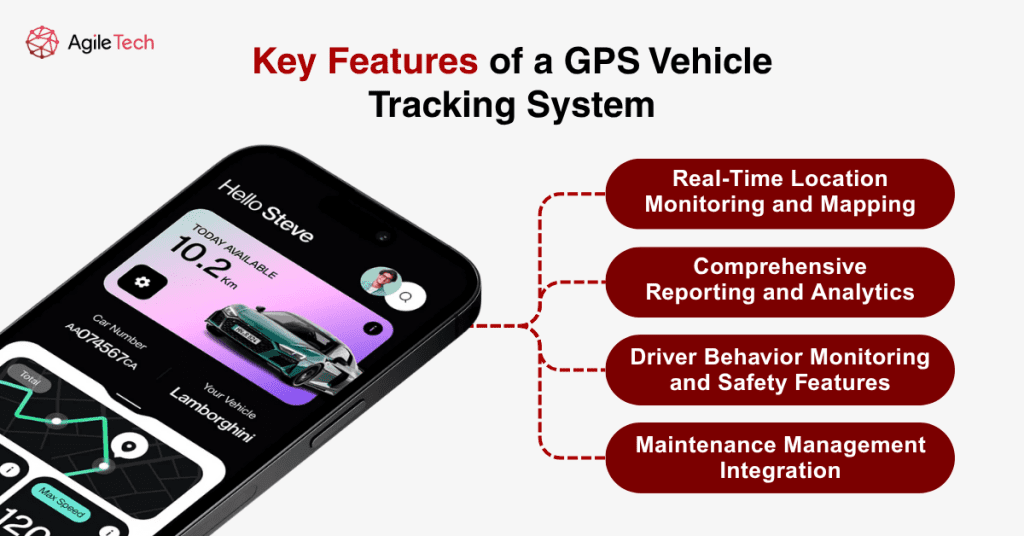
2.1. Real-Time Location Monitoring and Mapping
Contemporary GPS vehicle tracking systems provide precise, real-time location information with accuracy typically within three to five meters. Interactive mapping interfaces display vehicle positions, routes, and destinations, enabling dispatchers and fleet managers to monitor operations continuously. Advanced mapping features include traffic condition overlays, road restriction notifications, and alternative route suggestions.
The integration of high-resolution satellite imagery and street-level mapping data enhances situational awareness and supports informed decision-making. Fleet managers can establish virtual geographic boundaries, called geofences, which trigger automatic alerts when vehicles enter or exit designated areas.
2.2. Comprehensive Reporting and Analytics
Sophisticated reporting capabilities transform raw tracking data into actionable business intelligence. Vehicle GPS tracker systems generate detailed reports covering driver behavior, fuel consumption patterns, maintenance schedules, and operational efficiency metrics. These analytics support strategic planning, cost reduction initiatives, and performance optimization efforts.
Advanced analytics engines identify trends, anomalies, and optimization opportunities within fleet operations. Predictive analytics capabilities help anticipate maintenance needs, optimize route planning, and improve resource allocation decisions.
2.3. Driver Behavior Monitoring and Safety Features
Modern tracking system for vehicles incorporates advanced driver monitoring capabilities that promote safety and reduce operational risks. Accelerometer data detects harsh acceleration, sudden braking, and aggressive cornering behaviors. Speed monitoring features compare actual vehicle speeds against posted limits and predefined thresholds.
Safety-focused features include panic buttons for emergency situations, two-way communication capabilities, and automatic crash detection systems. These functionalities enhance driver security while providing fleet managers with tools to improve overall safety performance.
2.4. Maintenance Management Integration
Vehicle GPS tracking systems integrate with maintenance management platforms to optimize service scheduling and reduce unexpected breakdowns. Engine diagnostic data, mileage tracking, and usage patterns inform maintenance scheduling decisions, supporting proactive service approaches that minimize downtime and extend vehicle lifecycles.
Automated maintenance alerts notify fleet managers when vehicles approach service intervals or require attention based on operational parameters. This integration reduces maintenance costs while improving vehicle reliability and safety.
3. Benefits of Using a Tracking System for Vehicles
Implementing a comprehensive vehicle tracking system delivers measurable benefits across multiple operational dimensions, transforming fleet management from reactive to proactive approaches.
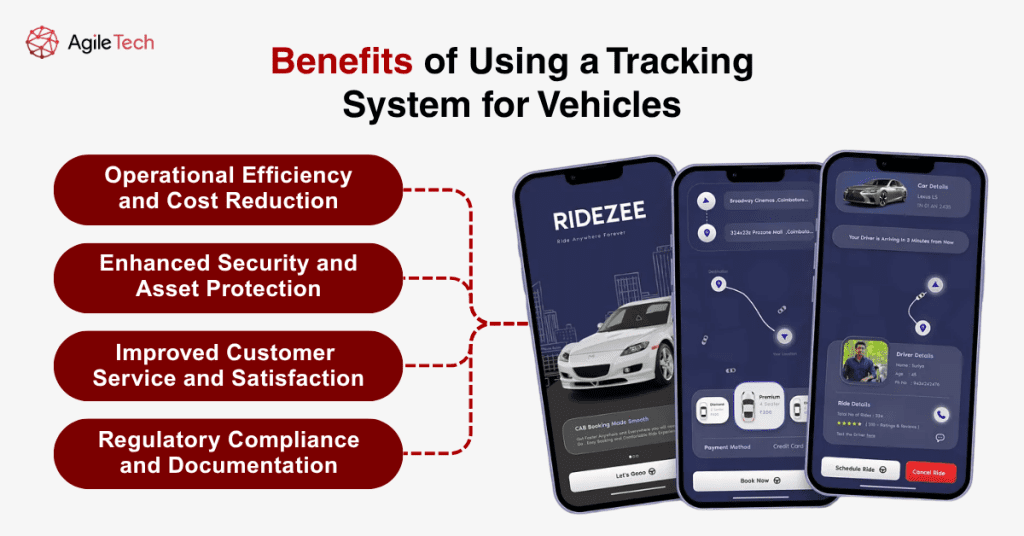
3.1. Operational Efficiency and Cost Reduction
Vehicle GPS tracking systems enable significant operational improvements through optimized route planning, reduced fuel consumption, and improved resource utilization. Real-time traffic information and dynamic routing capabilities minimize travel times and fuel costs while maximizing productive working hours.
Fleet managers can identify inefficient routes, unauthorized vehicle usage, and operational bottlenecks that impact productivity. Data-driven insights support strategic decisions about fleet sizing, vehicle allocation, and operational procedures.
3.2. Enhanced Security and Asset Protection
Comprehensive tracking systems for vehicles provide robust security features that protect valuable assets and reduce theft risks. Real-time alerts notify managers of unauthorized vehicle movements, after-hours usage, or deviations from approved routes. GPS tracking capabilities enable rapid vehicle recovery in theft situations.
Advanced security features include remote vehicle immobilization, tamper detection, and integration with existing security systems. These capabilities reduce insurance premiums while protecting significant capital investments.
3.3. Improved Customer Service and Satisfaction
Accurate tracking information enables businesses to provide precise delivery estimates, proactive communication about delays, and improved service reliability. Customer satisfaction increases when businesses can provide real-time updates and demonstrate accountability for service commitments.
The ability to optimize routes and reduce response times directly impacts customer experience, supporting business growth and competitive advantages in service-oriented industries.
3.4. Regulatory Compliance and Documentation
Many industries require detailed documentation of vehicle usage, driver hours, and operational activities for regulatory compliance. Vehicle GPS tracker systems automatically generate required reports and maintain comprehensive audit trails that simplify compliance management.
Electronic logging capabilities reduce administrative burdens while ensuring accurate record-keeping for tax purposes, regulatory inspections, and insurance requirements.
4. How to Choose the Right Vehicle GPS Tracker System
Selecting an appropriate vehicle tracking system requires careful evaluation of operational requirements, technical capabilities, and long-term strategic objectives. Organizations must consider multiple factors to ensure optimal system performance and return on investment.
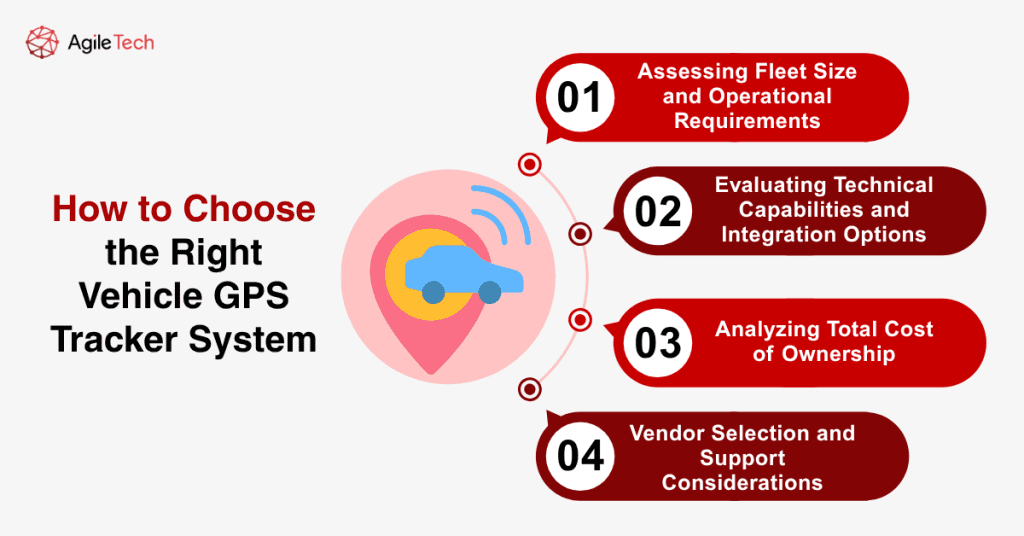
4.1. Assessing Fleet Size and Operational Requirements
Fleet size significantly influences system selection criteria, as small fleets may prioritize cost-effectiveness while large operations require scalable enterprise solutions. Understanding specific operational requirements, including tracking frequency, reporting needs, and integration capabilities, guides appropriate system selection.
Consider the geographic scope of operations, as systems supporting international tracking may require different communication technologies and regulatory compliance features. Remote area operations might necessitate satellite communication capabilities rather than cellular-based systems.
4.2. Evaluating Technical Capabilities and Integration Options
Modern businesses operate complex technology ecosystems, making integration capabilities crucial for system selection. Evaluate how potential GPS vehicle tracking systems integrate with existing enterprise resource planning systems, customer relationship management platforms, and financial management software.
API availability and data export capabilities ensure long-term flexibility and prevent vendor lock-in situations. Consider systems that support multiple communication protocols and offer redundant data transmission methods to ensure reliability.
4.3. Analyzing Total Cost of Ownership
Beyond initial hardware and software costs, consider ongoing expenses including monthly service fees, data communication charges, and maintenance requirements. Calculate the total cost of ownership over expected system lifecycles to make informed financial decisions.
Factor in potential cost savings from improved fuel efficiency, reduced maintenance expenses, and enhanced operational productivity. Many organizations find that a comprehensive tracking system for vehicle implementations generates positive returns on investment within the first year of operation.
4.4. Vendor Selection and Support Considerations
Choose vendors with proven track records in fleet management technology and demonstrated expertise in your industry sector. Evaluate technical support capabilities, including response times, availability hours, and escalation procedures.
Consider vendors offering comprehensive implementation support, training programs, and ongoing consultation services. Long-term vendor relationships prove crucial for system optimization and technology evolution.
5. Fleet Management System and GPS Tracking: A Powerful Combination
The integration of comprehensive fleet management systems with advanced GPS tracking capabilities creates synergistic effects that amplify operational benefits and strategic value.
Unified Operations Management Platform
Combined fleet management vehicle tracking systems provide centralized platforms for managing all aspects of vehicle operations. These integrated solutions consolidate dispatching, routing, maintenance scheduling, and performance monitoring into cohesive management environments.
Unified dashboards display real-time operational status, key performance indicators, and alert notifications, enabling fleet managers to make informed decisions quickly. This consolidation reduces training requirements and improves operational efficiency.
Advanced Analytics and Business Intelligence
Integrated systems generate comprehensive datasets that support sophisticated analytics and business intelligence applications. Combined operational data reveals correlations and patterns that inform strategic planning and optimization initiatives.
Machine learning algorithms analyze historical data to predict maintenance needs, optimize route planning, and identify efficiency improvement opportunities. These predictive capabilities transform reactive management approaches into proactive strategic planning.
Scalable Growth and Technology Evolution
Integrated fleet management and GPS tracking platforms support business growth through scalable architectures and modular functionality. Organizations can expand system capabilities as operational requirements evolve without replacing entire technology infrastructures.
Cloud-based deployment models enable rapid scaling and reduce infrastructure investment requirements. Regular software updates ensure access to the latest features and security enhancements without hardware replacements.
6. Partner with AgileTech for a Tailored Vehicle GPS Tracking System
AgileTech provides customized vehicle GPS tracking systems designed to meet each client’s unique operational needs. Our team delivers fully integrated, enterprise-grade solutions that support complex fleet operations while remaining intuitive for day-to-day use.
We apply agile development practices to ensure fast deployment, continuous improvement, and seamless integration with your current systems. From system design to implementation, our process includes in-depth analysis, testing, training, and long-term support.
One notable success is our vehicle fleet management system for a logistics company, which included real-time GPS tracking, geofencing, and driver behavior analytics. This solution helped reduce fuel costs by 15% and improved delivery efficiency by 22%.
AgileTech also integrates emerging technologies like AI and IoT to ensure long-term scalability and innovation. With a strong focus on future-proofing, we help clients stay competitive in today’s fast-moving logistics landscape.
7. Conclusion
Vehicle GPS tracking systems have evolved from simple location monitoring tools into comprehensive fleet management platforms that drive measurable business results. Organizations implementing these advanced tracking systems for vehicles experience significant improvements in operational efficiency, cost reduction, and customer satisfaction while maintaining competitive advantages in their respective markets.
The strategic value of a well-implemented vehicle GPS tracking system extends beyond immediate operational benefits, supporting long-term business growth through data-driven decision making and process optimization. Companies that recognize the transformative potential of these technologies and partner with experienced development teams position themselves to maximize return on investment while building scalable operational foundations.
Success in modern fleet management requires embracing technological innovation while maintaining focus on core business objectives. The right vehicle GPS tracker system, properly implemented and continuously optimized, becomes an essential component of operational excellence and sustainable business growth.