What is data engineering, and how is it different from data analytics?
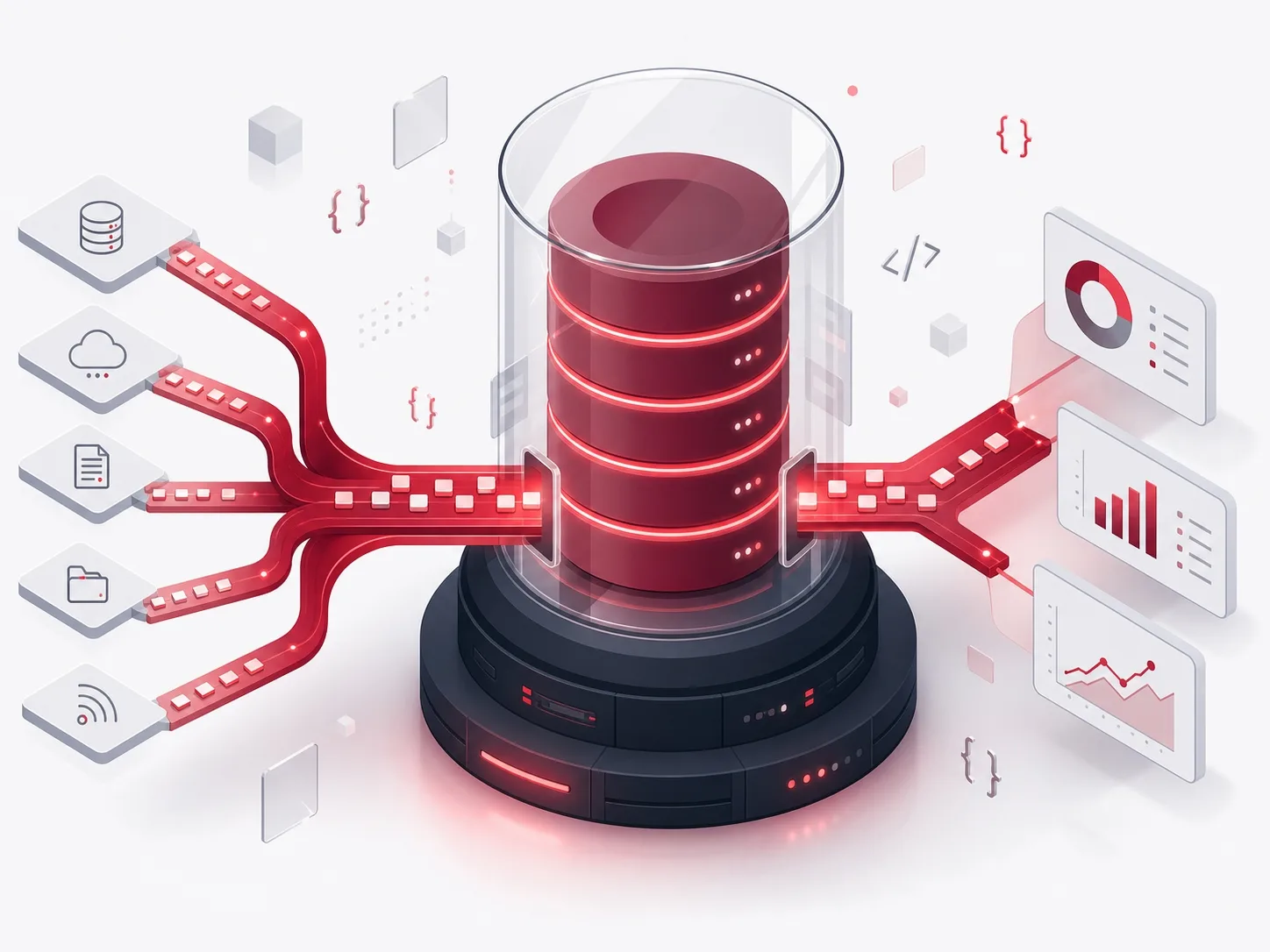
Data engineering builds the pipelines, models, and stores that make data reliable and available. Data analytics and business intelligence use that foundation to answer questions and present findings. The handoff is the modeled table: we produce it, analytics consumes it. Our data analytics and business intelligence page covers the second half, and most organizations need both, in that order.
Do we need a data warehouse, a data lake, or a lakehouse?
It depends on your data volumes, how much of it is unstructured, your latency requirements, and what your team can operate. A warehouse suits well-structured analytical workloads; a lakehouse suits mixed structured and unstructured data at larger scale. We assess rather than default, and if your volumes do not justify either, we will tell you that a simpler managed database is sufficient.
What does a data engineering project cost and how long does it take?
It is driven by the number and quality of source systems, how much definitional disagreement has to be resolved, and the latency required. Source profiling in the first phase frequently changes the estimate, because source data is usually worse than documented. We give a detailed estimate after profiling rather than a headline figure before it, and we will say if scope should be reduced.
Can you work with our existing data platform?
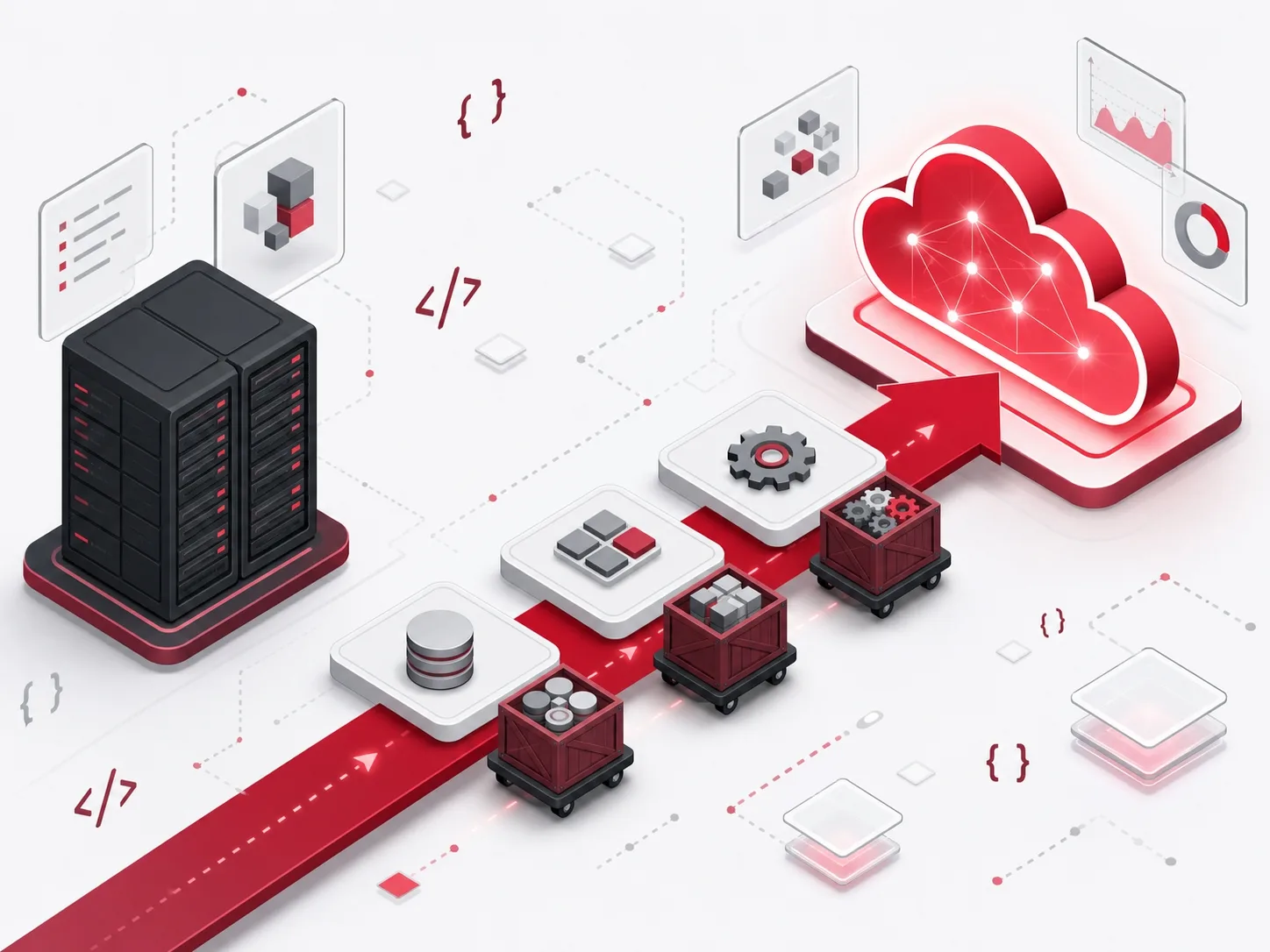
Yes. Much of this work is improving something that already exists: adding tests and lineage, restructuring a model that has drifted, replacing scripts with orchestrated pipelines, or migrating from a platform that no longer suits. A rebuild is sometimes justified but it is not the default recommendation.
How do you handle data quality problems in the source systems?
We profile sources before building so the problems are known rather than discovered downstream. Some are corrected at the source, some are handled by transformation rules that are documented rather than hidden, and some are surfaced as quality metrics because the correct answer requires a business decision. What we do not do is silently clean data in a way that makes the underlying problem invisible.
Do you support real-time or streaming data?
Yes, where the requirement justifies it. Streaming architectures carry meaningfully higher build and operational cost than batch, so we ask what decision actually depends on sub-hourly freshness. Frequently the honest answer is none, and a scheduled batch pipeline serves the need at a fraction of the cost.
How does this support machine learning and generative AI work?
Both depend on it. Machine learning needs reproducible datasets, consistent feature computation between training and production, and drift monitoring. Generative AI retrieval needs governed, current, access-controlled source content. Our machine learning solutions and generative AI solutions pages cover what is built on top; this page covers the layer they both stand on.
Which technologies do you work with?
Cloud warehouses and lakehouse platforms on AWS, Azure, and Google Cloud, orchestration tooling, transformation frameworks, streaming platforms where required, and the relational and document stores already in your estate. Selection follows from your constraints rather than from a preferred stack, and we explain the trade-off of each choice.
Who owns the platform and the code?
You do. Pipeline code, transformation logic, infrastructure definitions, and documentation are yours, in your repositories, from the start of the engagement. Handover and enablement are part of the work rather than a separate purchase.
How do we get started?
Tell us which decisions your organization cannot currently make reliably, and which systems hold the relevant data. We usually begin with a focused profiling and definition exercise on one high-value area, because that produces a defensible plan far faster than an estate-wide assessment.