 Nguyen Manh Thang
Chief Executive Officer, AgileTech Vietnam
Nguyen Manh Thang
Chief Executive Officer, AgileTech Vietnam
- Published
- Last updated
- Read time
- 12 min
- Views
- 97
Read the AI overview
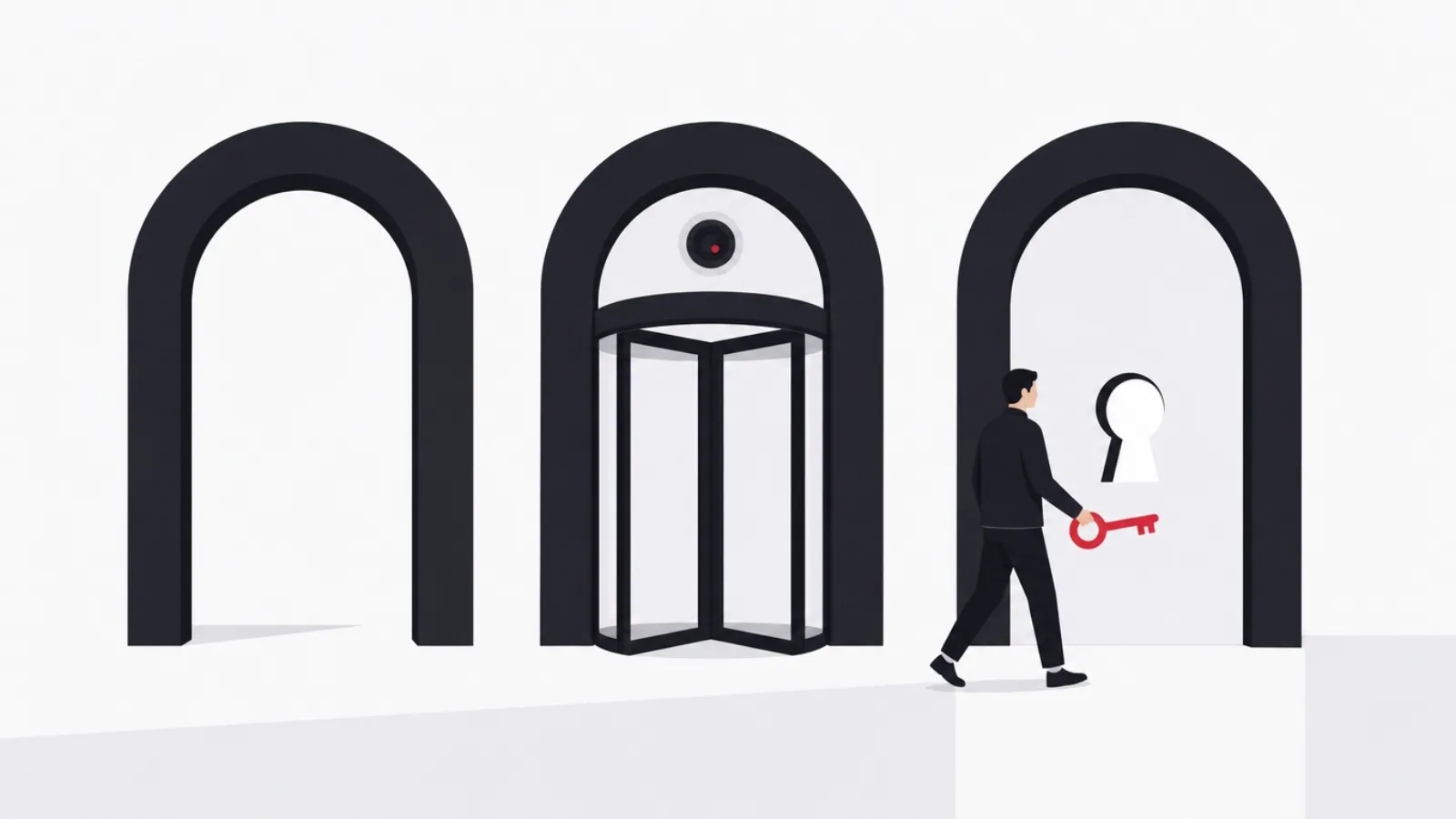
Web 3.0 is a model of the web where data and value can be owned and transferred by users directly, recorded on blockchains rather than held in a company's database. Where web 1.0 let you read and web 2.0 let you write on platforms that own what you wrote, web 3.0 adds property: assets, identities and records that live on shared public infrastructure and move with the user across applications. In practice a web3 application is mostly a normal web application with a wallet where the login button was and a blockchain behind the parts that need shared ownership; the rest, the interface, the servers, the product work, is the same engineering as web 2.0.
Web 3.0 has been defined by its salesmen for long enough that a plain definition reads almost like a contrarian act. This page attempts one anyway: what the term actually names, where the web came from era by era, what genuinely changes from web 2.0 and what does not, which technologies sit beneath the label, and how much of the vision has actually shipped as of 2026.
The framing to hold onto is property. Every era of the web is a change in what users can do with data: the first web let you read documents, the second let you write on platforms that keep what you write, and the third proposes that you can own, hold assets, identity and records on shared public infrastructure that no single company operates, and carry them between applications. Whether that proposal is useful for any given product is a separate question from what it is, and this page stays on the what.
Two companion pieces handle the neighboring intents. If you are deciding whether web3 belongs in your product, our web3 decision guide routes that call, including the failure modes. If you want to see what actually runs today, the working examples are collected separately. This page is the foundation both of them stand on: the definition, the history and the stack, stated plainly enough to build on.
Key takeaways
- The one-sentence version: web 1.0 was read, web 2.0 is read and write on platforms that own the data, web 3.0 adds own, assets and identity recorded on shared infrastructure that no single company controls and that move with the user.
- Web 3.0 is not a replacement web running somewhere else. A web3 application is a normal web application, same browsers, same frontend engineering, with a wallet replacing the account system and a blockchain replacing the parts of the database that need shared ownership.
- The comparison with web 2.0 is a trade, not an upgrade: users gain ownership and portability, and pay for it in key management, transaction costs and the absence of a support desk that can reverse mistakes. Which side wins depends on the application, which is why both models persist.
- Very little of a web3 product actually runs on-chain: consensus, token balances and the core ownership records. The interface, the search, the media, the recommendations all run on ordinary servers, and most "decentralized" apps are decentralized only at that thin ownership layer.
- The term bundles several distinct technologies: blockchains, smart contracts, tokens, wallets and decentralized storage. Each is separable, and serious evaluation names which one a product actually uses rather than accepting the bundle.
- Adoption in 2026 is real but narrow: payments, stablecoins, digital collectibles and niches where shared ownership genuinely matters. The honest posture for most businesses is literacy now, adoption where a specific problem calls for it, covered in our companion decision guide.
The definition, without the brochure
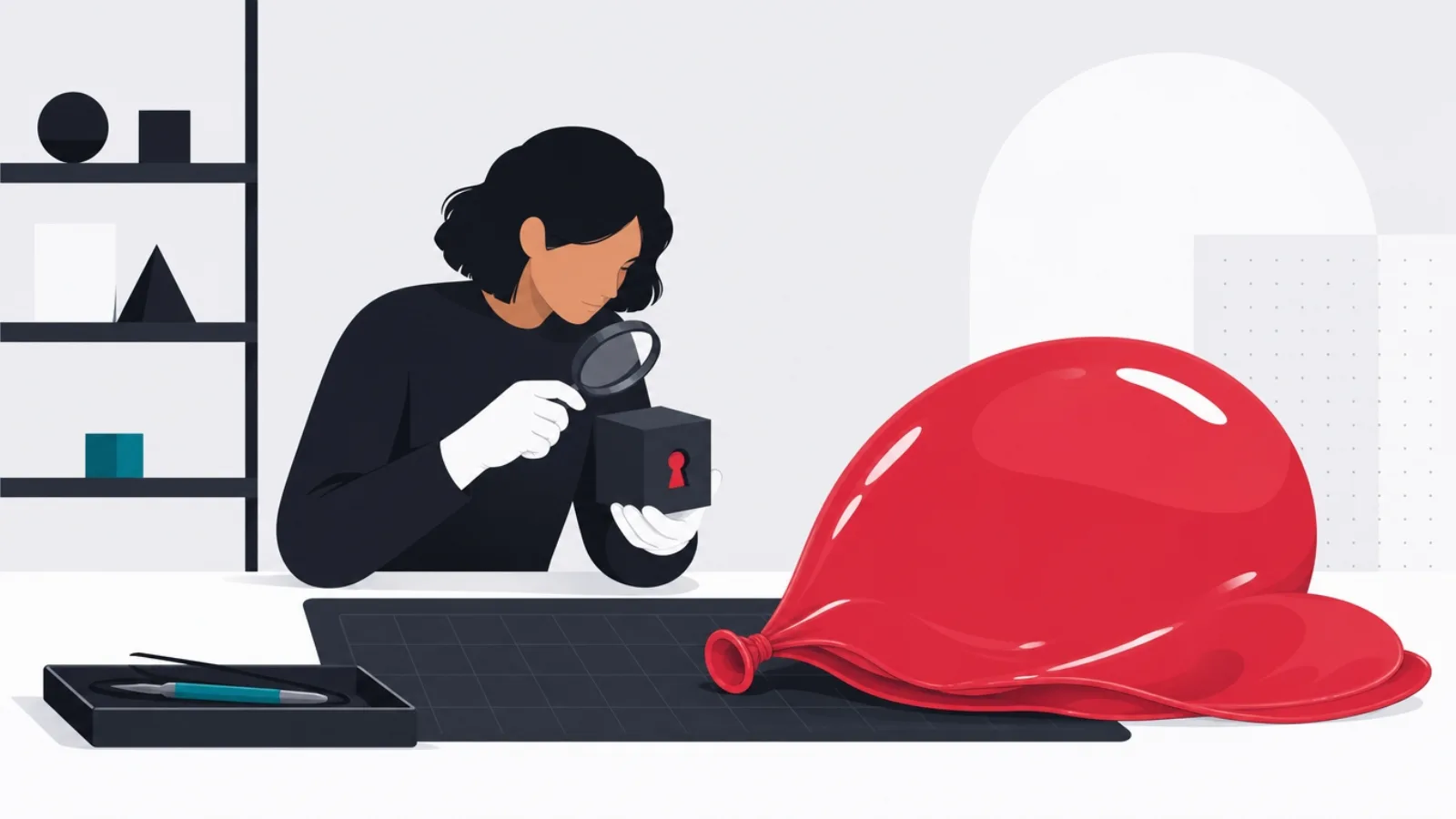
Web 3.0 names a model of the web in which data and value can be owned by users directly, recorded on blockchains, shared public ledgers that no single company operates, rather than in a platform's private database. Ownership here is not a metaphor: it means a record that only the holder of a cryptographic key can transfer, that persists whether or not any particular company survives, and that any application can read and build on. That property layer is the entire novelty; everything else in a web3 product is ordinary web engineering.
The contrast that makes the definition concrete is the account. On web 2.0, your account is a row in a company's database: the company can suspend it, the assets attached to it exist at the company's pleasure, and nothing about it transfers to a competitor. On web 3.0, the equivalent is a wallet: a key pair you hold, addressing assets recorded on a public chain. Any application can serve that wallet, none can confiscate what it addresses, and leaving a product does not mean abandoning what you accumulated in it. That is the real difference, stated without romance, and both its benefits and its costs follow from it.
What web 3.0 is not is worth stating just as plainly. It is not a separate internet: web3 applications load in the same browsers over the same protocols. It is not artificial intelligence, despite an older academic use of "web 3.0" to mean the semantic web, machine-readable meaning, which is a different lineage the marketing era absorbed. And it is not automatically decentralized end to end: in most shipping products, the chain holds the thin ownership layer while ordinary servers run everything users actually see. The definition is narrow, and the narrowness is what makes it usable.
A note on the words, because the field uses two. "Web 3.0" and "web3" are used interchangeably today, and this page follows that usage. Purists sometimes reserve "web 3.0" for the semantic-web lineage and "web3" for the blockchain era; outside academic contexts the distinction has not survived contact with usage, and search treats them as one term. What matters is the referent: user-owned data and value on shared infrastructure.
The vocabulary, defined by what each thing actually does
- Blockchain
- A shared, append-only ledger maintained by many independent computers, so no single party can rewrite history or deny access. The infrastructure layer of web3.
- Wallet
- A key pair that addresses assets on a chain. Functionally, the web3 replacement for the account: portable across applications, confiscatable by no one, recoverable by no help desk.
- Smart contract
- A program deployed on a blockchain that executes exactly as written when called. The mechanism that lets applications share logic as well as data.
- Token
- A unit of ownership recorded on a chain: currency-like (fungible) or item-like (an NFT). The data type the property layer traffics in.
- dApp
- A "decentralized application": in practice, a normal web application whose ownership layer lives on a chain. The interface and servers are usually ordinary.
- Gas
- The per-transaction fee paid to the network for computation and storage. The reason on-chain operations are used sparingly and everything else stays off-chain.
How the web got here: three eras, honestly told
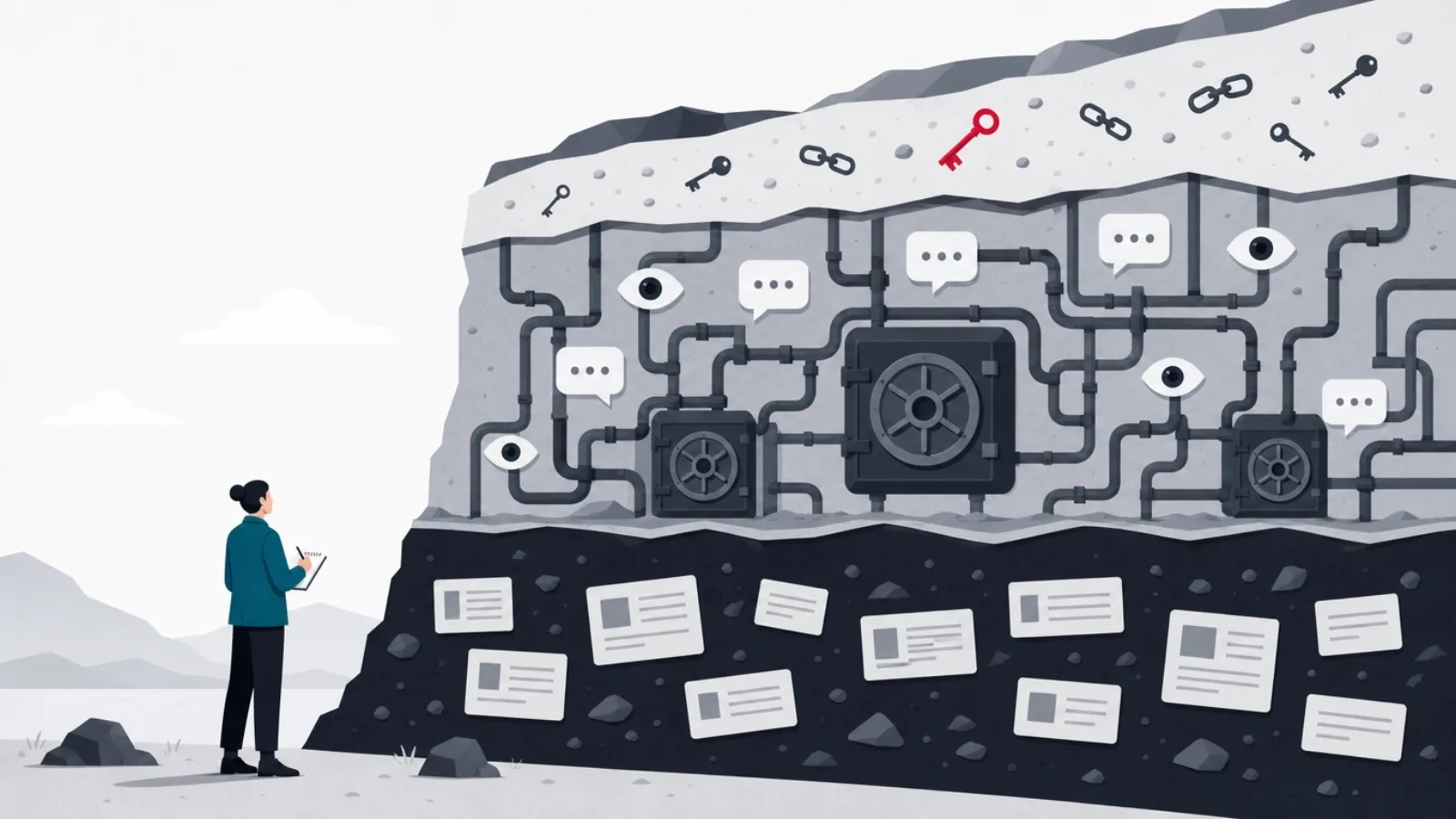
Web 1.0, roughly the mid-1990s through the early 2000s, was the read-only web: static pages, hand-written HTML, hyperlinks between documents. Publishing required technical skill, so the population split cleanly into a small class of publishers and a large class of readers. Its architecture was radically decentralized in one sense, anyone could run a server, and its economics were thin, because reading is hard to monetize and nobody owned the audience.
Web 2.0, from the mid-2000s onward and still the water we swim in, was the read-write web: platforms made publishing trivial, and the users became the content. The trade that powered it is worth stating exactly, because web3 is a reaction to it: platforms gave free, excellent tools, and in exchange kept the data, the audience relationships and the monetization. That trade built the most valuable companies in history and genuinely connected the world; it also concentrated control over speech, data and markets in a handful of firms, and made "your" content and audience revocable at platform discretion.
Web 3.0, emerging from Bitcoin (2009) and generalized by Ethereum (2015), proposes amending the trade: keep the read-write web, add a property layer that platforms cannot revoke. The intellectual bet is that ownership changes behavior, that users who can exit with their assets get better treatment, and that applications forced to compete over shared data rather than hoarding private data must compete on product instead of lock-in. Whether that bet pays out broadly remains genuinely open in 2026; sections below assess how much has actually shipped.
One honest caveat about the era framing itself: it is a retrospective simplification, not a schedule. The eras overlap, most of the web is and will remain web 2.0, and "web 3.0" was named by its proponents rather than by historians. The framing earns its keep anyway, because it locates exactly what is new, the ownership layer, against exactly what is not, everything else.
Three eras, compared on what users can do
| Dimension | Web 1.0 (read) | Web 2.0 (read, write) | Web 3.0 (read, write, own) |
|---|---|---|---|
| Who publishes | Those who can run servers | Everyone, on platforms | Everyone, on platforms or chains |
| Who holds the data | The page author | The platform | The user, for the ownership layer |
| The account | None needed | A row in a company database | A wallet the user keys |
| Value transfer | Offline entirely | Through payment intermediaries | Native, chain to chain |
| Exit cost | None; bookmarks move | High; data and audience stay | Low for owned assets, by design |
| Business model | Thin; hosting and ads | Attention and data economics | Tokens, fees, and unresolved |
Each era keeps the previous one's capabilities and adds one. The additions, not the replacements, are the history.
Web 2.0 vs web 3.0: the comparison as a trade
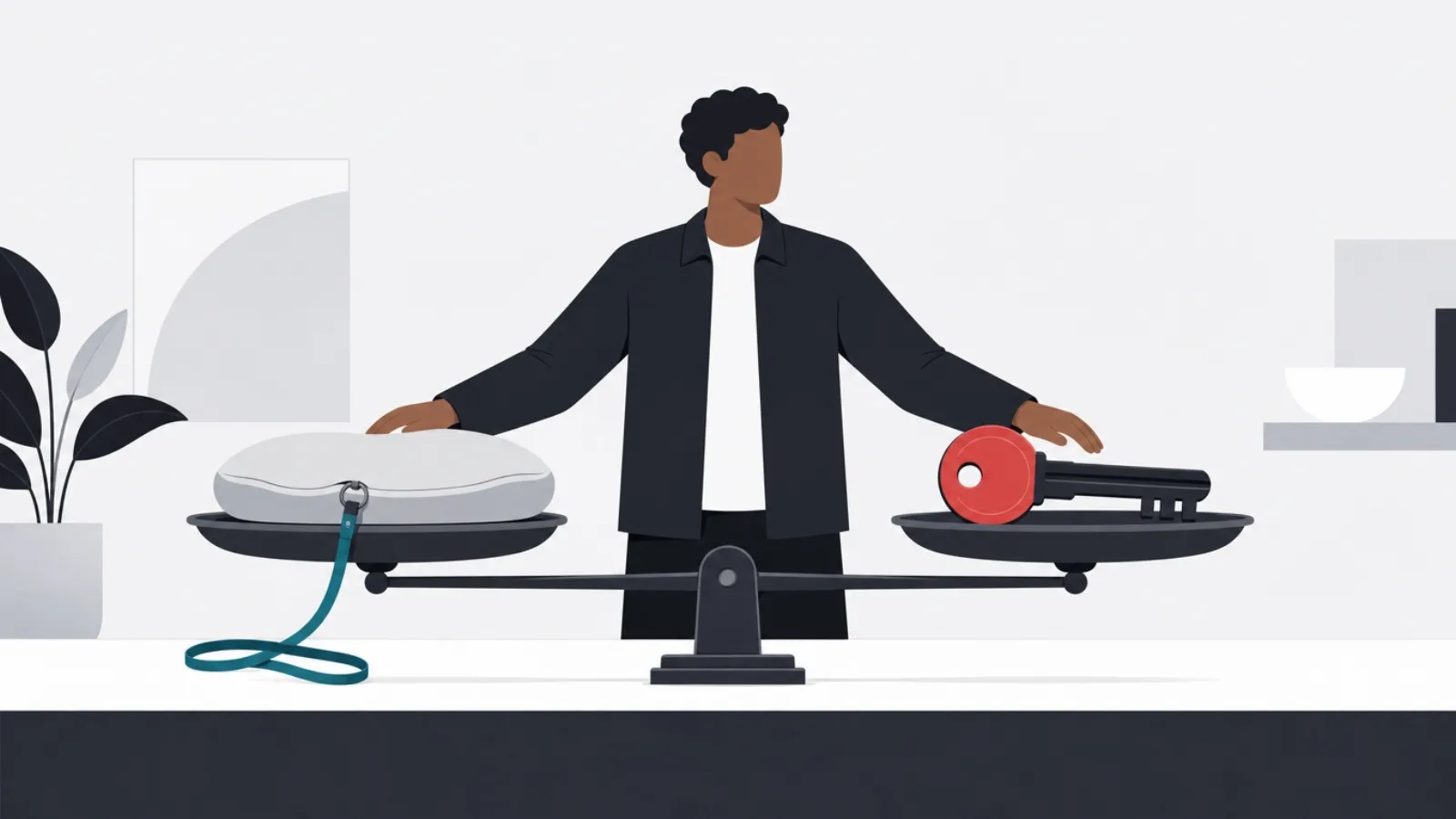
The honest comparison is a trade sheet, not a scoreboard, because each model is better at different things and the differences are structural rather than fixable. Web 2.0's custodial model, the platform holds everything, is precisely what makes it friendly: forgotten passwords are recoverable, fraudulent charges are reversible, and the interface can hide every distributed-systems problem behind a support desk. Web 3.0's self-custodial model is precisely what makes it sovereign: no confiscation, no deplatforming from your own assets, no counterparty who can fail with your property, and the same properties remove the safety nets.
On data and identity, the trade runs: web 2.0 gives you a managed identity that works instantly and belongs to the platform; web 3.0 gives you a portable identity that works everywhere and is yours to secure. Lose a web 2.0 password and you reset it by email; lose a web3 key with no recovery arrangement and the assets it addressed are gone, not frozen, gone, with no one empowered to help. Key management has improved, passkeys, social recovery, smart accounts, but the structural fact remains: sovereignty and recoverability pull against each other, and every wallet design is a point on that line.
On economics, web 2.0 monetizes attention and data, which makes the user the product but the service free; web 3.0 monetizes transactions and tokens, which aligns the service with usage but attaches a visible cost to actions that web 2.0 made feel free. On performance, a database beats a distributed ledger at almost everything, thousands of times cheaper and faster for ordinary reads and writes, which is why well-built web3 products put only the ownership layer on-chain. On governance, platforms decide unilaterally and can therefore move fast, including against you; chains decide by consensus and therefore move slowly, including when you need a fix.
The comparison compresses to a routing question: does the application need shared, neutral ownership that survives any single company? Money moving across borders, assets that outlive games and platforms, records multiple distrusting parties must agree on: the ownership layer earns its costs. A photo feed, a project tracker, a storefront: it does not, and web 2.0 remains simply the better engineering. This is why "versus" is the wrong preposition for most businesses; the models coexist, and the skill is knowing which layer of which product belongs on which side.
Using the comparison well
Do this
- Compare per requirement, not per eraCustody, portability, reversibility, cost per operation. Each requirement picks a winner; products mix both models across their layers.
- Price the sovereignty honestlySelf-custody means no password reset and no chargeback. For some users and assets that is the point; for others it is disqualifying.
- Treat the chain as a componentThe ownership layer is one part of a product, not the product. The rest is normal web engineering under normal engineering judgment.
- Check what actually needs sharingOn-chain earns its cost only where multiple distrusting parties need one record. A single company's data has a cheaper home: a database.
Not this
- Reading "3.0" as "2.0, improved"The number implies an upgrade path that does not exist. It is a different trade, better for some applications and worse for most.
- Calling a product decentralized because it has a tokenIf the interface, servers and admin keys are one company's, the token decorates a web 2.0 product. Look at what the chain actually holds.
- Dismissing it because the culture is loudThe speculation and the infrastructure are separable. Stablecoin settlement volume is real regardless of what the timeline is shouting about.
- Migrating working products on principleA web 2.0 product that works is not a debt to pay down. Adopt the ownership layer where a requirement calls for it, not where a thesis does.
The stack: what web 3.0 is actually made of
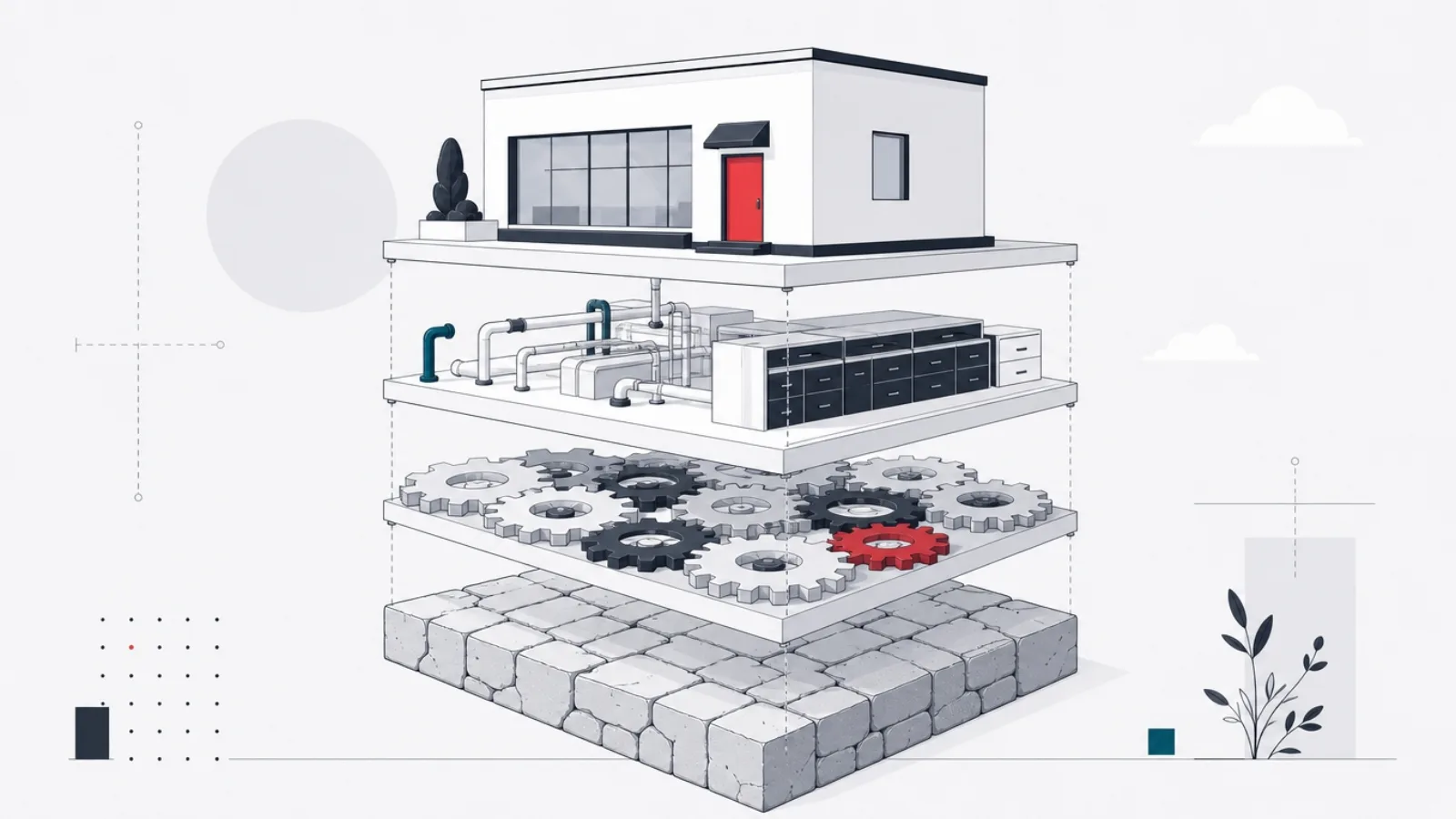
Beneath the label sits a stack, and naming its layers dissolves most of the confusion. At the bottom are the chains themselves: Bitcoin for money-like settlement; Ethereum and its many competitors as general platforms running smart contracts; and layer-2 networks, chains built on top of chains, that batch transactions to cut costs, which is where most consumer activity has migrated. A chain is infrastructure the way a database server is infrastructure: users never see it, and everything above depends on its properties.
The middle layer is the programmable one. Smart contracts are programs deployed to a chain that run exactly as written: escrows, exchanges, registries, games, written once and callable by anyone. Tokens are the data type those programs traffic in, fungible tokens behaving like currencies or shares, and NFTs behaving like titled items. Standards, the best known being Ethereum's token interfaces, are what let any wallet hold any token and any application integrate any asset without permission, which is the interoperability that platforms' private databases structurally cannot offer.
The access layer is what users actually touch. Wallets hold keys and sign transactions, as browser extensions, mobile apps, or increasingly as embedded components that hide the cryptography behind a familiar login. Decentralized storage networks hold the data too large for chains, images, media, documents, addressed by content rather than by location. And ordinary web frontends, the same frameworks and hosting as any web 2.0 product, wire it together, which is why a competent web team can build the visible ninety percent of a web3 product with the skills it already has.
Where does artificial intelligence fit, since "web 3.0" occasionally gets defined as AI plus blockchain? Mostly as a neighbor, not a layer. The older, academic "web 3.0", the semantic web, imagined machine-readable meaning, and modern AI delivers some of that vision by different means; but AI systems are as comfortably web 2.0 as anything ever built, centralized models behind APIs. There are genuine intersections, machine agents that pay each other per call clear naturally through crypto rails, and provenance for AI-generated content is a real use of chains, but they are intersections, not identity. A definition that needs both buzzwords is usually selling something.
What actually runs on-chain, and what never will

Chains are extraordinarily expensive computers, every operation replicated across thousands of machines and stored forever, and that cost structure dictates the architecture of every honest web3 product. On-chain belongs only what needs the chain's specific properties: shared state that multiple distrusting parties must agree on, and transfers that must be final without an intermediary. Token balances, ownership registries, the settlement step of an exchange, the rules of an on-chain game economy: these earn the cost.
Everything else runs off-chain, and "everything else" is nearly everything. Media lives in ordinary or decentralized storage with only a fingerprint recorded on-chain. Search, feeds and recommendations run on servers, because chains cannot compute them affordably and should not try. User interfaces are hosted like any website. Even most reads of chain data flow through indexing services that pre-digest the ledger into queryable form, because querying a raw chain is impractical for an application. The chain is the vault, not the workshop.
This division explains the recurring discovery that surprises newcomers: most "decentralized" applications have substantial centralized components, the hosted frontend that can be taken down, the indexer that can lag, the admin key that can upgrade the contract. That is not necessarily hypocrisy; it is engineering under constraints, and the honest question is never "is it decentralized" but "which failure am I actually protected against". A product whose asset registry survives the company's death but whose interface does not is offering a specific, partial, sometimes exactly-right guarantee.
For anyone evaluating a web3 product, technical or not, this section compresses to one diagnostic question: what, precisely, is on the chain? If the answer is "ownership of the assets users care about", the web3 label is doing real work. If the answer is "a token, while the assets, logic and data sit in our database", the product is web 2.0 wearing the era's costume, which has been the single most common shape of failed web3 pitches for years.
The on-chain diagnostic: questions that sort real from costume
- What record does the chain actually hold?Ownership of the assets users value is real work. A loyalty point mirrored from a database is decoration.
- Who can upgrade or pause the contracts?An admin key is a central party. Sometimes rightly so, but then the sovereignty claims must shrink to match.
- What survives the company disappearing?The precise guarantee: usually assets yes, interface no, services no. Users should know which.
- Where do reads come from?Most apps read through indexers, a centralized convenience layer. Fine, but it is in the trust diagram.
- Could a database do this?If yes, and no multi-party trust problem exists, a database should. That answer saves the whole budget.
The state of adoption: what has actually shipped by 2026
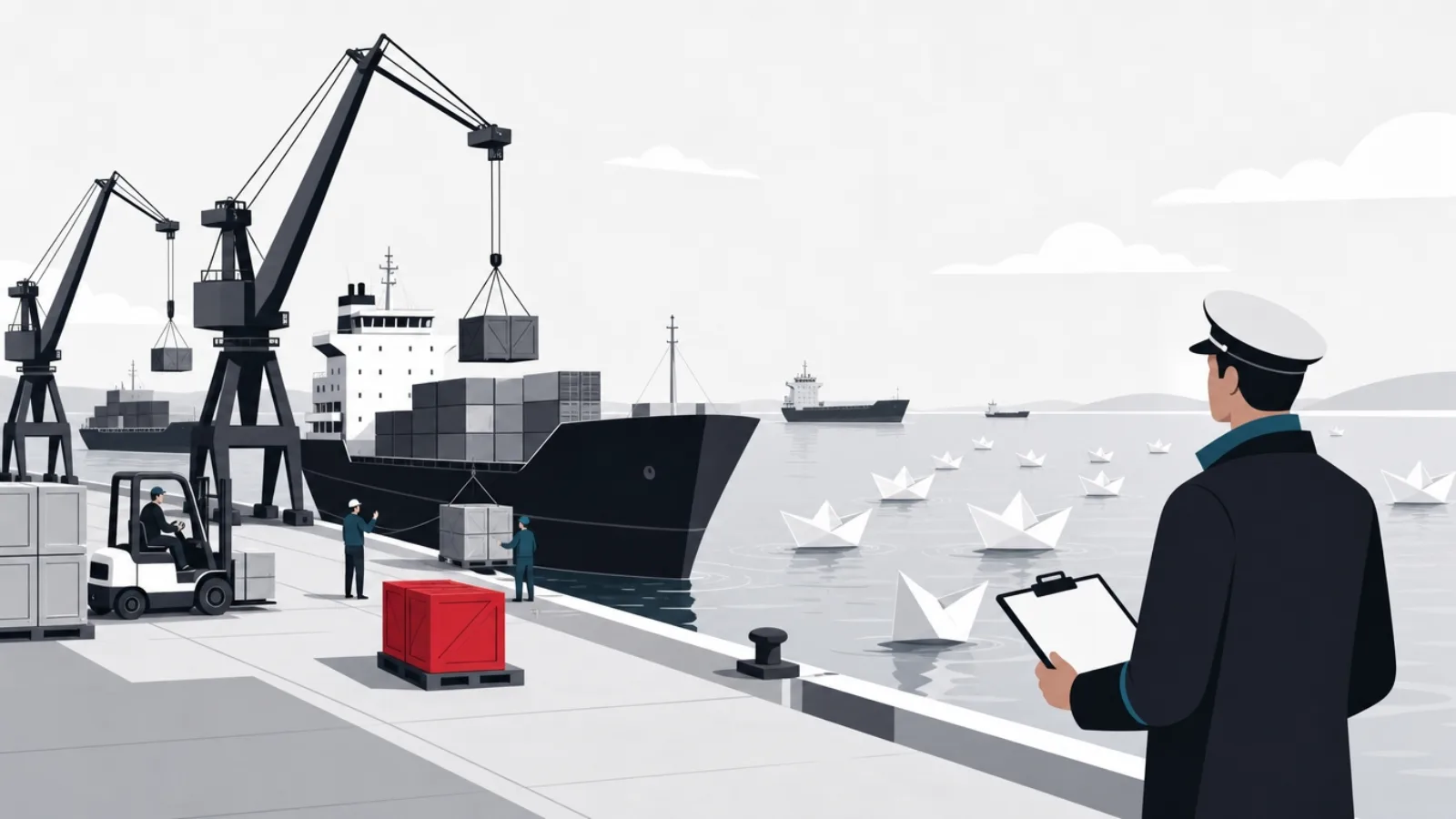
The honest adoption picture is narrow and real. The unambiguous success is money movement: stablecoins, tokens pegged to ordinary currencies, settle trillions of dollars annually and have become genuine infrastructure for cross-border payments and for saving in unstable currencies, used increasingly by people with no interest in crypto culture. Payment companies and banks now run stablecoin rails commercially. If web 3.0 has a killer application in production, it is this one: dollars that move like email.
The second tier is finance-adjacent and niche-consumer. On-chain exchanges and lending protocols process real volume, though largely for crypto-native users trading crypto-native assets. Digital collectibles found a durable, much smaller life after their speculative peak, in gaming assets, memberships and fan economies. Naming and identity systems have modest genuine usage. Games with owned assets keep shipping, still chasing the breakout that makes ownership matter to players who do not care about the ledger beneath it.
The visions that have not arrived deserve equal candor. Decentralized social networks exist and work, and remain small against the platforms they meant to displace, because network effects outweigh ownership for most users most of the time. The "own your data" consumer economy, users licensing their information to advertisers, remains a slide, not a market. Token-governed organizations turned out to concentrate power roughly the way shareholder structures do. General web browsing remains, and by every current sign will remain, web 2.0.
The fair summary for 2026: web 3.0 is not the next web; it is a permanent new layer of the existing one, thick where shared ownership genuinely matters and thin to absent everywhere else. For most businesses the actionable posture is literacy without urgency, know what the layer does, recognize the requirements that call for it, and decline the costume version. When a concrete decision does arrive, that is the moment for the adoption decision guide, which prices the failure modes this page only names.
Adoption in three honest figures
What it means for builders and buyers
For engineers and technical leaders, the practical translation is that web3 is a specialization, not a new profession. The visible ninety percent of a web3 product, frontend, APIs, data, operations, is the web engineering you already have. The new ten percent, smart contracts, wallet flows, chain infrastructure, carries the field's concentrated risk: contract bugs are irreversible in a way ordinary bugs are not, and the security culture around them is correspondingly paranoid. Teams add that ten percent by hiring or partnering for it, not by retraining everyone.
For product owners, the useful reflex is requirement-first. The ownership layer answers a specific requirement: state that multiple distrusting parties must share, assets that must outlive the operator, transfers that must be final without an intermediary. Where one of those appears, in payments, in cross-organization records, in asset-centric products, web3 belongs on the options list, evaluated like any architecture choice. Where none appears, the era number is irrelevant and the database wins. Requirements that mention "blockchain" before mentioning a problem are marketing running ahead of engineering.
For everyone else, the literacy this page aimed to install is the durable asset. You can now read a web3 pitch and ask the sorting questions: what is actually on the chain, who holds the admin keys, what survives the company, why is a shared ledger better than a database here. Those four questions, asked plainly, separate the products using the ownership layer from the products wearing it, and they will keep working whatever the terminology does next.
The web's eras were never clean breaks; they were layers, each keeping what worked beneath it. Web 3.0 is following the same pattern: not a replacement, a property layer settling into the places that need one. Understanding it as that, a layer with a specific job, priced honestly against the database it competes with, is the whole trick, and it is more than most of the conversation manages.
Where to go from here, by what you came for
What did you actually need from "what is web 3.0"?
-
Literacy: to follow the conversation and read pitches
You have it; keep the four sorting questions
What is on-chain, who holds admin keys, what survives the operator, why not a database. They sort every pitch.
-
A build or adoption decision is on your desk
Read the decision guide next
It routes when the ownership layer earns its costs and catalogs the failure modes, including the economic ones.
-
You want to see what actually works today
Study the shipped categories: payments first
Stablecoin rails are the production success. Working examples teach the model faster than theory does.
-
You are scoping engineering for a web3 product
Scope it as web work plus a contracts specialization
Ninety percent familiar stack, ten percent high-stakes contract work that is hired or partnered, not improvised.
Four readers arrive at a definition page; four different next steps.
Frequently asked questions
What is web 3.0 in simple terms?
Web 3.0 is the idea that users can own things on the internet directly. Web 1.0 let you read pages; web 2.0 let you post on platforms that keep what you post; web 3.0 adds a property layer, assets, money and records held in a wallet you control, stored on blockchains that no single company runs, and usable across applications. In practice, a web3 app is a normal website or app with a wallet where the login was and a blockchain behind the parts that need shared ownership.
What is the difference between web 2.0 and web 3.0?
Who holds the data and value. On web 2.0, your account, content and audience live in a platform's database: convenient, recoverable, and revocable at the platform's discretion. On web 3.0, assets and identity attach to a wallet you key: portable across applications and confiscatable by no one, but with no password reset and no support desk that can reverse a mistake. It is a trade between convenience and sovereignty, not an upgrade, and each model wins for different applications.
Is web 3.0 the same as blockchain?
Blockchain is the infrastructure; web 3.0 is the model of the web built on it. A blockchain is a shared, append-only ledger maintained by many independent computers. Web 3.0 uses that ledger as a property layer, wallets, tokens, smart contracts, under otherwise ordinary web applications. Blockchains also have uses outside the web3 vision, such as institutional settlement rails, and most of a web3 product, the interface, data and services, does not run on a blockchain at all.
Is web 3.0 the same as AI?
No. The confusion comes from history: "web 3.0" originally referred to the semantic web, a 2000s vision of machine-readable meaning, and modern AI delivers parts of that vision by different means. Today the term almost always means the blockchain-based ownership web, and AI systems are centralized services that fit comfortably in web 2.0. There are real intersections, crypto payment rails for machine-to-machine transactions and on-chain provenance for AI-generated content, but the two are distinct technologies.
What are examples of web 3.0 in use today?
The clearest production success is stablecoins: currency-pegged tokens settling trillions of dollars annually for cross-border payments and savings in unstable currencies. Beyond payments: on-chain exchanges and lending used mainly by crypto-native traders, digital collectibles living on more modestly after their speculative peak in gaming and fan economies, blockchain naming and identity systems, and games with player-owned assets. General browsing, social media and commerce remain overwhelmingly web 2.0.
Do I need web 3.0 for my product or business?
Only if a specific requirement calls for it: state that multiple distrusting parties must share, assets that must outlive the operator, or transfers that must be final without an intermediary. Where one of those appears, evaluate web3 like any architecture option, including its costs in key management and transaction fees. Where none appears, a database is faster, cheaper and easier to operate, and the era number is irrelevant. A pitch that names the blockchain before naming the problem has the order backward.
When a real requirement calls for that layer, build it with AgileTech, an AI software development company in Hanoi where the contract work is treated as the irreversible ten percent it is.
Source: https://agiletech.vn/blog/what-is-web-3-0/ · (c) AgileTech Vietnam. Printed from agiletech.vn.