 Nguyen Manh Thang
Chief Executive Officer, AgileTech Vietnam
Nguyen Manh Thang
Chief Executive Officer, AgileTech Vietnam
- Published
- Last updated
- Read time
- 12 min
- Views
- 97
Read the AI overview
The best fleet management software depends on which of two jobs dominates your operation. For telematics-led fleets, live tracking, driver safety, compliance, Samsara and Motive lead the integrated hardware-plus-software category in North America, Geotab leads for engineering depth and data openness at scale, and Verizon Connect carries the largest-installed-base weight; Azuga and GPS Insight serve smaller fleets at friendlier price points. For maintenance-led fleets, work orders, service schedules, parts and cost per asset, Fleetio is the category's reference product, with Whip Around and simpler checklists below it. Mixed fleets increasingly buy one telematics platform plus Fleetio-style maintenance, integrated. Expect per-vehicle-per-month pricing, commonly 25 to 45 dollars for full telematics bundles with three-to-five-year hardware contracts as the fine print that matters most, and treat the free tiers of consumer-grade trackers as a different, lighter category. Fleets whose workflows outgrow every product's assumptions, and logistics companies productizing operations, are the two honest cases for building a custom layer on top of open telematics data.
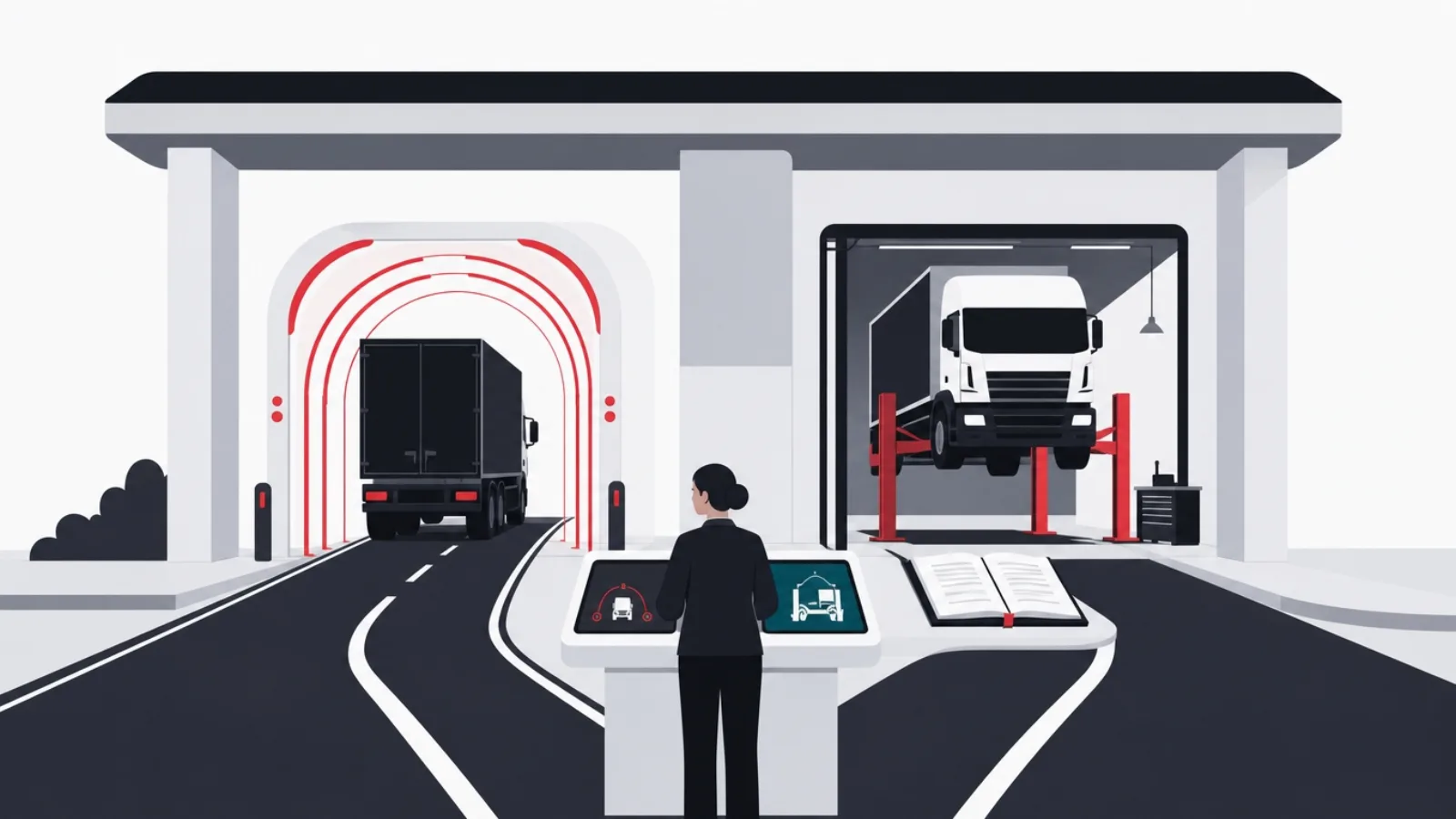
Fleet management software is bought under pressure: fuel costs are up, an insurer is asking about driver scores, a compliance deadline looms, or the spreadsheet that tracks forty vehicles' service dates has finally missed one expensively. The market that answers this pressure is crowded, real products with real differences, wrapped in nearly identical marketing, and the buying mistake is almost always the same: choosing a well-reviewed product for the wrong job.
This guide maps the market by job first. Telematics platforms, Samsara, Geotab, Verizon Connect, Motive, Azuga, own the live layer: where vehicles are, how they are driven, whether hours-of-service and inspections are compliant. Maintenance platforms, led by Fleetio, own the asset layer: service schedules, work orders, parts, downtime and cost per mile. The two overlap in dashboards and diverge in depth, and fleets that know which layer their pain lives in choose quickly and well.
The comparisons below cover the leaders, the per-segment picks, pricing shapes and contract traps, and the selection tests that predict success. For what the category does mechanically, sensors to insights, the companion piece is the fleet management software guide; for the data plumbing underneath, the fleet telematics pipeline.
Key takeaways
- The category splits in two: telematics platforms (tracking, safety, compliance) and maintenance platforms (work orders, service, cost per asset). Most disappointment comes from buying one and expecting the other.
- Samsara, Motive, Geotab and Verizon Connect lead telematics; Fleetio leads maintenance. The strong mid-size pattern is one from each column, integrated.
- Pricing is per vehicle per month, but the contract is the product: hardware bundles commonly lock three to five years, and early termination math deserves more scrutiny than the demo.
- Openness is a strategic axis: Geotab's data-platform posture and open APIs age better for fleets that will build on their data than closed all-in-one suites.
- Match the product to the fleet's actual job: last-mile vans, long-haul trucks, service fleets, construction assets and passenger transport each have a different natural shortlist.
- Build custom only on top of the data, not instead of the trackers: the honest custom cases are operations layers over open telematics feeds, not reinventing hardware.
The market map: two jobs, two product families
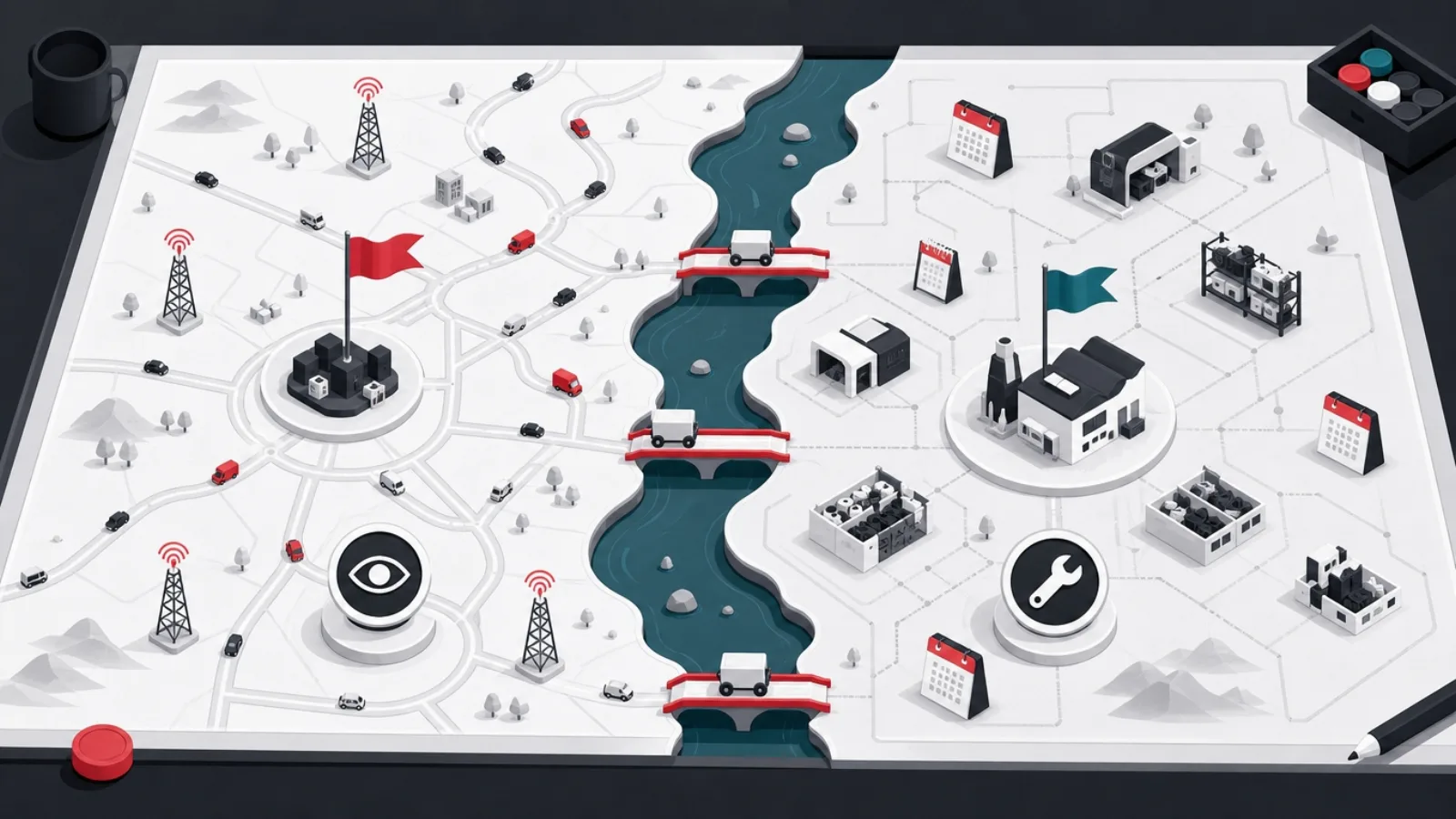
The telematics family grew from the GPS tracker. Its spine is hardware, a gateway plugged into the vehicle's diagnostic port or hardwired, streaming location, engine data and driver behavior to a cloud platform, and its product surface is the live operation: maps and geofences, speeding and harsh-event detection, dash cameras with AI coaching, fuel monitoring, electronic logging for regulated hours, and inspection workflows. Samsara, Geotab, Verizon Connect, Motive, Azuga and GPS Insight are this family's names, and their economics are subscription-plus-hardware, which is why their contracts run long.
The maintenance family grew from the workshop. Its spine is the asset record, every vehicle's service history, schedules, inspections, work orders, parts and costs, and its product surface is the shop and the ledger: preventive maintenance triggered by meter readings, defect-to-work-order flows from driver inspections, warranty tracking, and the cost-per-asset reporting that decides replacement timing. Fleetio is the reference product; Whip Around and a tier of simpler inspection tools sit below it; heavy enterprise asset management systems sit above it for the largest industrial operators.
The families meet in the middle and increasingly integrate rather than compete: telematics platforms push odometer readings and fault codes into maintenance systems, which turn them into work orders; maintenance systems push vehicle-health status back into dispatch decisions. The practical consequence for buyers: a small fleet with one dominant pain picks one family and lives happily; a mid-size mixed fleet's strongest configuration is usually one leader from each family, integrated, rather than either family's all-in-one pretending to be both. The per-segment picks below follow that logic.
- Telematics-led pain. Where are the vehicles, how are they driven, are we compliant, what is fuel doing. Buy from the tracking family.
- Maintenance-led pain. Service dates missed, downtime unplanned, cost per asset unknown. Buy from the maintenance family.
- Both. One from each column, integrated, usually beats any single product's weaker half.
The telematics leaders: Samsara, Geotab, Verizon Connect, Motive
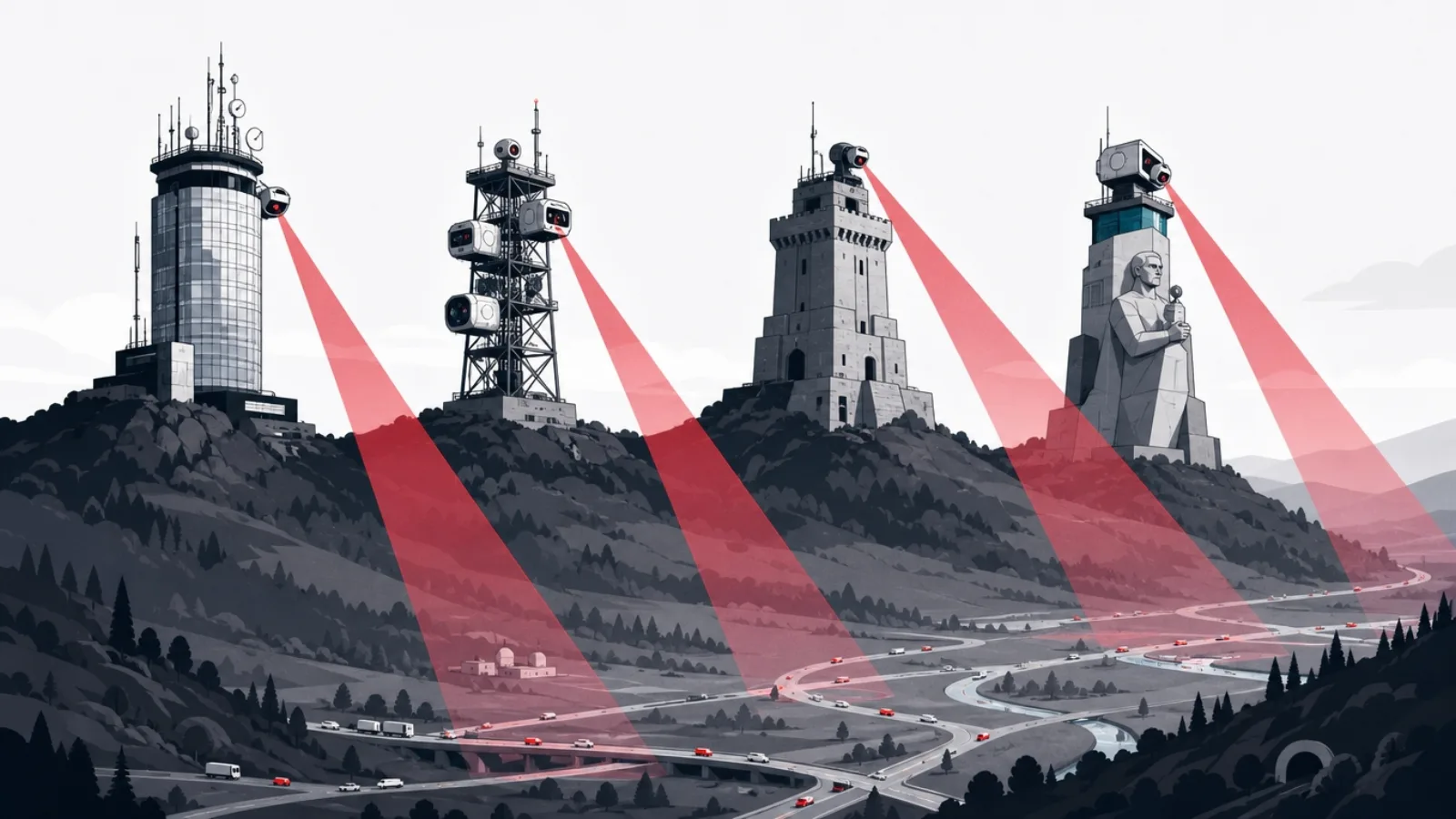
Samsara is the category's modern reference: an integrated hardware-and-cloud platform whose strength is coherence, gateways, AI dash cameras, driver app, compliance and reporting designed as one product, with an interface consistently rated the segment's cleanest. It leads where fleets want one throat to choke and fast deployment, and its AI camera coaching is a genuine insurance-cost lever. The trade-offs: premium pricing, hardware lock-in on multi-year terms, and a closed-garden posture that fleets with data ambitions eventually feel. Best fit: mid-size to large mixed fleets, 25 to several thousand vehicles, buying the integrated experience.
Geotab is the engineer's choice: the GO device is a de facto standard, the data platform is the deepest in the category, and the posture is open, a marketplace of third-party integrations, real APIs, SDK access, and curated benchmarking data at a scale competitors do not publish. Deployment leans on reseller partners, which adds a step, and the interface is more instrument panel than consumer app. Best fit: large fleets, data-driven operators, and anyone who expects to build on their telemetry rather than only read dashboards, the buyer profile closest to this site's telematics pipeline guide.
Verizon Connect carries the largest installed base and the incumbent's profile: enormous coverage, deep feature lists across tracking, routing and field service, carrier-grade sales and support machinery, and the pricing and contract rigidity that come with it; it wins big procurements and rarely delights small ones. Motive, formerly KeepTruckin, owns the driver-first angle: it grew from electronic logging for trucking, and its driver app, compliance depth and camera program make it the natural leader for regulated long-haul and mixed trucking fleets, with an integrated fuel-card product tightening the loop. Below the big four, Azuga, GPS Insight and Teletrac Navman compete on price, contract flexibility and specific niches, and are frequently the right answer for fleets under 25 vehicles that need tracking fundamentals without enterprise weight.
The telematics shortlist, honestly compared
| Product | Strongest for | Typical bundle price shape | The honest catch |
|---|---|---|---|
| Samsara | Integrated experience, AI cameras, mid-to-large fleets | Premium tier, 30 to 45 dollars | Multi-year hardware lock-in, closed garden |
| Geotab | Data depth, open APIs, large and technical fleets | Modular, 25 to 40 dollars via partners | Reseller layer, utilitarian interface |
| Verizon Connect | Big installed base, routing and field service breadth | Enterprise quotes, 25 to 45 dollars | Contract rigidity, mixed support reviews |
| Motive | Trucking compliance, driver app, cameras plus fuel card | 25 to 40 dollars by module | Trucking-first; lighter for service fleets |
| Azuga / GPS Insight | Under-25-vehicle fleets, price sensitivity | 15 to 30 dollars, shorter terms | Thinner analytics and integrations |
The leaders on the dimensions procurement actually negotiates. Price shapes are typical market ranges per vehicle per month for full bundles; verify current quotes.
The maintenance side: Fleetio and the asset-record family
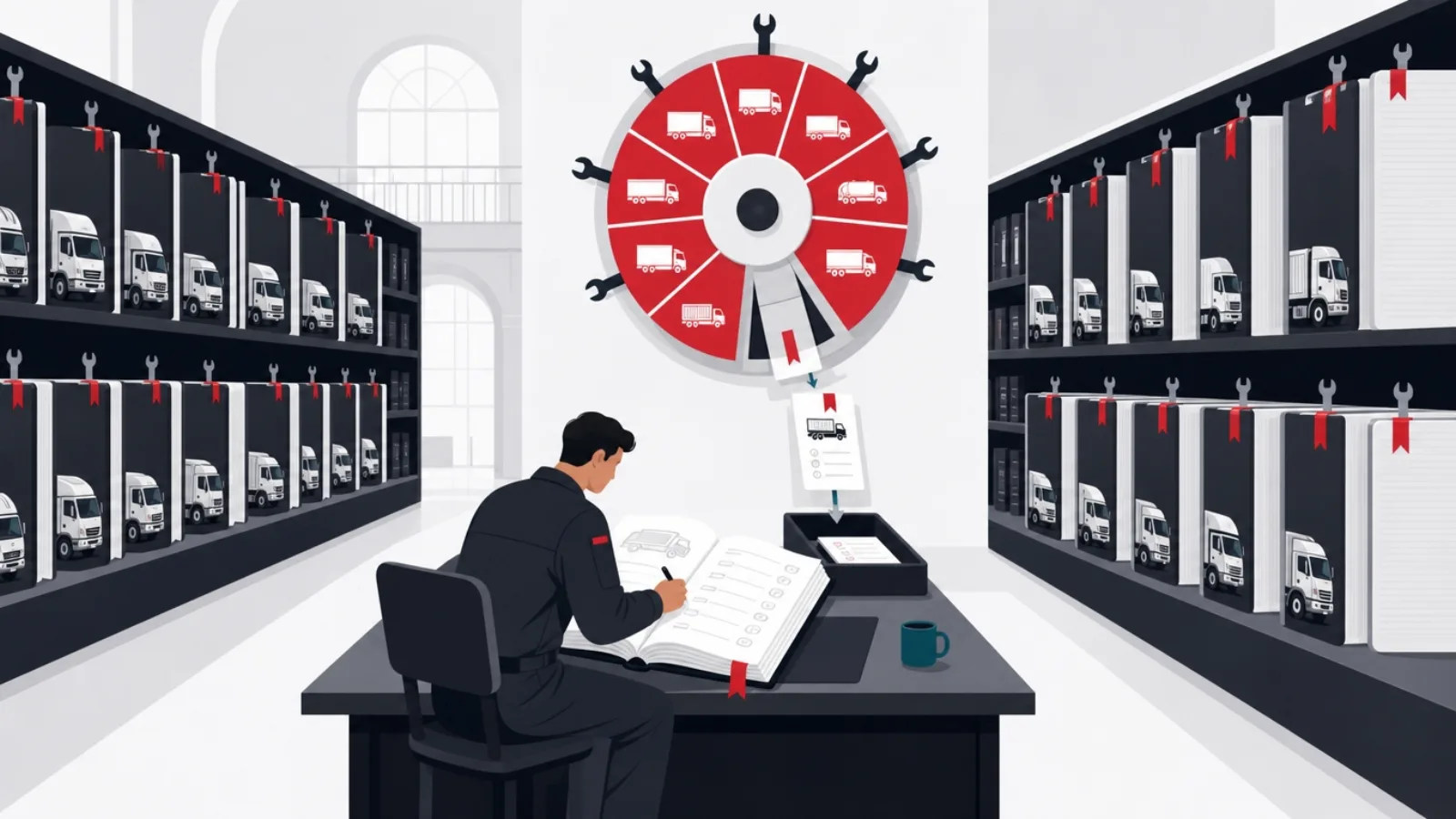
Fleetio is the maintenance family's reference product and the easiest recommendation in this guide: a clean, modern system of record for vehicles and equipment, preventive maintenance schedules driven by telematics-fed meter readings, driver inspections that convert defects into work orders, parts inventory, outside-shop integration for fleets that outsource wrenching, and the cost-per-asset reporting that turns replacement timing from folklore into arithmetic. Priced per vehicle per month at maintenance-software rates, typically well under the telematics bundles, it integrates with all four telematics leaders, which is exactly how it is best deployed.
The alternatives frame Fleetio's position. Whip Around competes on inspection-first simplicity, strong driver checklists growing into maintenance, at friendlier prices for smaller fleets. Simple checklist and spreadsheet-replacement tools serve five-vehicle operations that need discipline more than software. Above the category, enterprise asset management platforms, the heavy industrial systems, serve utilities and municipal fleets whose assets include everything from excavators to traffic lights, at implementation weights no vehicle fleet should volunteer for. And the telematics suites themselves all sell maintenance modules, genuinely improving, still generally shallower than the dedicated product, adequate for oil-change reminders, thin for real shop operations.
The selection logic mirrors the market map: if the pain is missed services, unplanned downtime and unknown cost per asset, the dedicated maintenance product earns its subscription within the first prevented breakdown, and its telematics integration means odometer readings and fault codes arrive automatically rather than by clipboard. The configuration to avoid is paying for deep maintenance modules inside a telematics suite and for a dedicated maintenance product simultaneously; pick the dedicated product and the telematics tier that feeds it data, and let the suite's module stay unbought.
The maintenance economics that justify the second product
The picks by fleet type: your shortlist, not the market's

Last-mile and service fleets, vans, light trucks, 10 to 200 vehicles, deliveries, trades, field service: the job is tracking, dispatch context, driver behavior and customer ETAs, with maintenance as the second system. Samsara fits fleets buying the integrated polish; Azuga or GPS Insight fit the budget-conscious; Verizon Connect's routing-and-field-service breadth suits operations where the work order, not the mile, is the atom. Add Fleetio when the fleet passes roughly 25 vehicles or the service spreadsheet misses its first date, whichever comes first.
Long-haul and regulated trucking: compliance is the spine, electronic logging, hours of service, inspection workflows, and the driver app is the daily product. Motive leads this segment; Samsara competes hard; Geotab serves the large carriers whose back offices want the data platform. Camera programs deserve first-class evaluation here, insurance economics and exoneration evidence make them the fastest-payback module in trucking, and fuel-card integration, Motive's tightening loop, is worth real negotiation weight. Construction and heavy equipment: the job shifts to asset utilization, theft recovery and engine hours rather than miles; Geotab's hardware flexibility and the dedicated equipment-tracking specialists fit better than van-shaped products, and maintenance systems must speak hours and meters, which Fleetio does.
Passenger transport, shuttles, buses, corporate fleets, adds duty-of-care weight: driver scoring, camera coaching and route adherence carry compliance meaning, and integration with scheduling systems matters more than in freight. Mixed municipal and utility fleets, sedans to excavators to attachments, are the one segment where the heavy enterprise asset management platforms earn their implementation weight, usually alongside a telematics feed. And micro-fleets under ten vehicles should resist the enterprise pitch entirely: a flexible-term tracker tier plus a disciplined checklist tool covers the actual risk at a tenth of the contract exposure, upgrading only when operations, not marketing, demand it.
The shortlist by segment, one line each
- Last-mile and service vansSamsara for polish, Azuga or GPS Insight for budget, Verizon Connect for routing-heavy operations. Fleetio alongside, past 25 vehicles.
- Regulated truckingMotive first, Samsara close, Geotab for data-heavy carriers. Cameras and fuel cards negotiated hard.
- Construction and equipmentGeotab's hardware range or equipment-tracking specialists; maintenance keyed to engine hours, not miles.
- Passenger transportDuty-of-care scoring and scheduling integrations weigh more; Samsara and Geotab lead the evaluations.
- Municipal and utility mixed fleetsThe one honest home of enterprise asset management, fed by telematics.
- Under ten vehiclesFlexible-term tracking plus a checklist tool. Decline the three-year contract until operations demand it.
Pricing shapes and the contract traps that outweigh the demo

The category's sticker is per vehicle per month, and the bundles cluster: full telematics with cameras commonly lands between 25 and 45 dollars per vehicle monthly on multi-year terms, tracking-only tiers run 15 to 25, dedicated maintenance software runs a single-digit-to-low-teens layer on top, and dash camera hardware either amortizes into the subscription or bills upfront per unit. The sticker, however, is the least binding number in the deal. Hardware bundling is the real structure: gateways and cameras provided at low or zero upfront cost are financed inside three-to-five-year subscription commitments, which is why the early-termination table, not the monthly rate, is the page procurement should read twice.
The traps repeat across vendors, so name them in negotiation. Auto-renewal clauses that roll entire fleets for another term on a missed calendar date. Per-feature creep, the camera AI tier, the fuel module, the API access, each a line item that turns the quoted 28 dollars into an invoiced 41. Mid-term additions priced at then-current rates while the base fleet rides the old contract, splitting one fleet across two rate cards. Data egress on exit: whether years of your telemetry leave with you in usable form, or leave as a PDF. And hardware ownership at term end, returned, bricked, or yours, which decides whether switching vendors means re-wiring every vehicle.
Negotiation leverage is mostly timing and structure. Quarter-end and year-end close dates are real in this category; multi-year commitments are already the vendor's assumption, so trade them explicitly for rate locks, price-protected additions and termination-for-cause language rather than giving them away as defaults. Pilot programs, 10 to 20 vehicles for a quarter, are standard and worth insisting on, with the contract's full-fleet pricing locked during the pilot so success does not reprice the rollout. And run the reference calls the way school buyers and hospital buyers do: fleets your size, your segment, on the phone, without the salesperson, asked specifically what the invoice looks like versus the quote.
Contract craft: what disciplined buyers do
Do this
- Read the termination table firstHardware-financed contracts price exit steeply. Know the number before loving the demo.
- Lock addition pricingVehicles added in month 20 should ride the original rate card, in writing.
- Pilot with rollout pricing lockedA quarter on 10 to 20 vehicles, with full-fleet terms fixed during the pilot.
- Name data portability at signingExport formats, API access on exit, and hardware ownership at term end, all in the contract.
Not this
- Buying the sticker rateFeature line items routinely add 30 to 50 percent to the quoted base. Price the configured invoice, not the tier.
- Letting auto-renewal rideCalendar a decision date two quarters before term. Missed dates roll fleets for years.
- Paying twice for maintenanceA telematics suite's maintenance module plus a dedicated product is a common, silent duplication.
- Skipping the invoice reference callAsk a same-size fleet what they actually pay. The gap from the quote is the negotiation agenda.
The selection tests that predict success
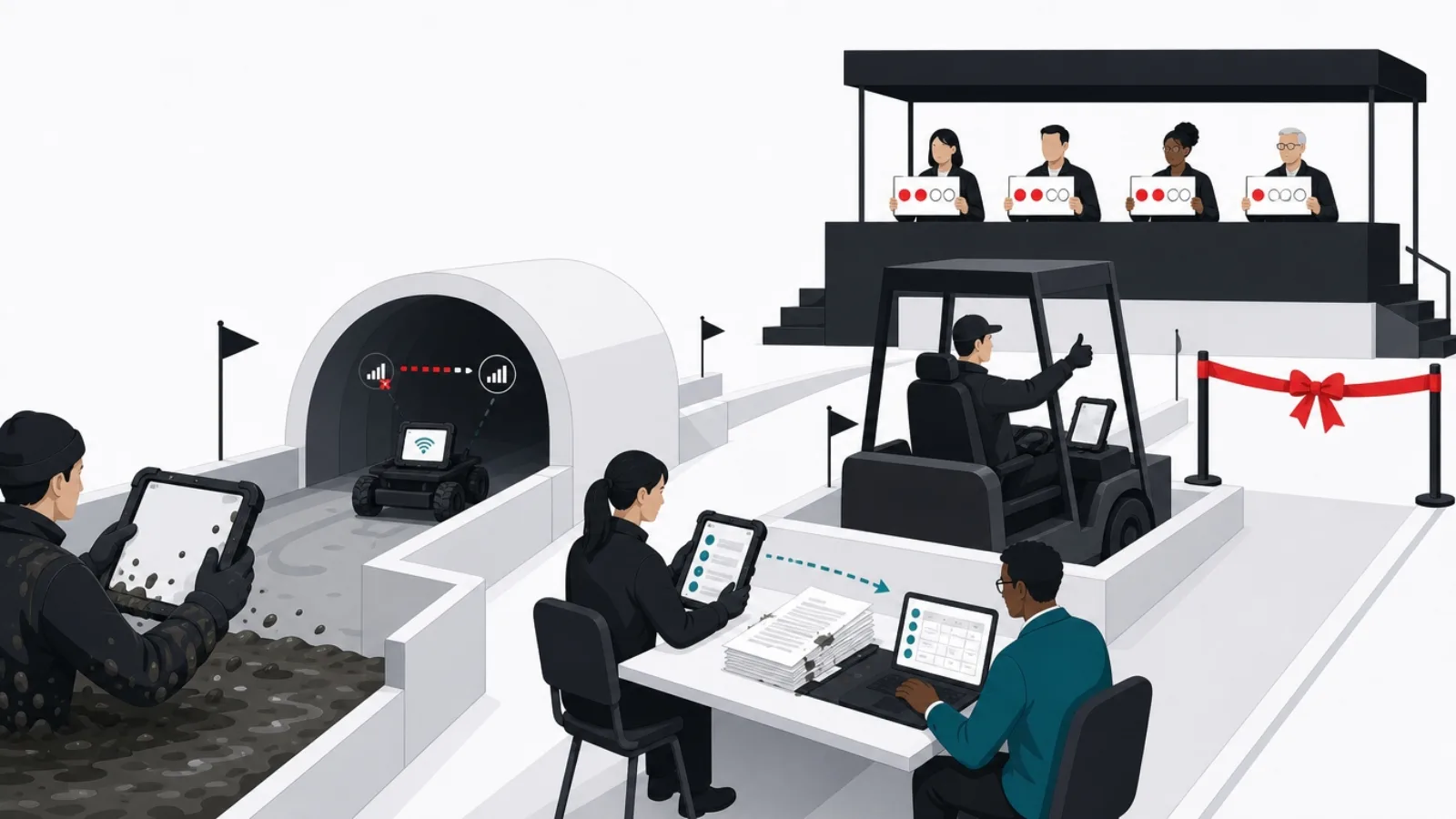
Test with your vehicles, not the vendor's demo fleet. A two-week pilot on a representative slice, oldest trucks included, because diagnostic-port coverage on aging and mixed-make fleets is where hardware promises meet reality, answers the questions no datasheet will: install time per vehicle, cellular coverage on your actual routes, event-detection false-positive rates on your roads, and whether the driver app survives contact with your drivers. Pilot metrics deserve definition in advance, installation hours, data completeness, alert precision, driver adoption, so the decision is a reading, not a feeling.
Test the workflows that caused the purchase. If insurance economics drove it, run the camera coaching loop end to end: event, clip, coach, driver acknowledgment, score movement, and ask the insurer which platform's reports they actually accept. If compliance drove it, run a full inspection-to-defect-to-work-order cycle and an hours-of-service audit export. If maintenance drove it, watch a meter reading from the telematics feed trigger a preventive work order in the maintenance system without a human retyping it, that single integration, working live, is the strongest signal in the entire evaluation.
Test the data exit before you enter. Ask for a full export of your pilot data in a documented format, and have whoever owns your reporting open it. Fleets increasingly outlive their software choices, and the ones that switch vendors painlessly are the ones whose data was portable from day one. This is also the test that reveals platform posture: open-API vendors hand you a key and documentation; closed platforms hand you a sales engineer and a meeting. For fleets that expect to build, custom dashboards, integrations into dispatch or ERP systems, or the full operations layer, that posture difference outweighs most feature deltas, and it leads directly to the final question of building versus buying more licenses.
The four-week evaluation that beats the bake-off
-
Define the driving pain and metricsWeek zero
Insurance, compliance, downtime or fuel: name the number the software must move, and the pilot metrics that predict it.
-
Pilot on your worst vehiclesWeeks one to three
Representative slice, oldest units included. Measure install time, coverage, alert precision, driver adoption.
-
Run the purchase-driving workflow liveWeek three
Camera-to-coaching loop, inspection-to-work-order cycle, or meter-to-service trigger, end to end, no vendor driving.
-
Test the exit, then negotiateWeek four
Full data export opened by your own reporting owner; then contract terms with the termination table read first.
When custom beats another license
For operating a fleet, buy: the products above represent decades of hardware iteration, cellular contracts, compliance certification and shop-floor workflow that no operator should rebuild to track their own vans. The honest custom cases sit on top of the bought layer, not instead of it. The first is the operations layer: fleets whose dispatch, customer promises and billing logic outgrow every product's assumptions, a distribution operation whose routing constraints are contractual, a rental fleet whose utilization pricing is the business, and who build their own operations system on the open telemetry feeds the trackers already produce. This is precisely where the open-platform posture earns its weight: a Geotab-class API feed into a custom operations layer is a proven architecture, and the data engineering behind it is the subject of the fleet telematics pipeline guide.
The second case is the logistics company productizing itself: operators whose fleet operations are their competitive edge, last-mile networks, cold chains, service franchises, and who convert that edge into software, first for themselves, sometimes eventually for their industry. For them the build calculus is a product company's: the telematics layer stays bought, the differentiated layer, dispatch logic, customer experience, marketplace mechanics, gets built, and the boundary is drawn exactly where their operations stop being generic. The delivery-platform version of that architecture, dispatch cores, driver apps, live tracking surfaces, is our daily work in logistics software development.
The test for both cases is the same asset-reuse logic that runs through every build-or-buy decision on this site: build where your workflows are structurally different and the difference is the business; buy everywhere else, and never build downward into hardware, cellular plumbing or compliance certification that the market already amortizes across millions of vehicles. A fleet that cannot name the structural difference in one paragraph should buy from the shortlists above and revisit the question when the products' assumptions start costing measurable money.
The category's vocabulary, for the procurement table
- Telematics gateway
- The installed device streaming location, engine and behavior data. The hardware whose financing shapes the contract.
- ELD / hours of service
- The regulated electronic logging that anchors trucking compliance, and the module that anchors Motive's segment lead.
- AI dash cameras
- Road- and driver-facing cameras with event detection and coaching workflows. The fastest-payback module where insurance is the pain.
- Preventive maintenance triggers
- Meter readings, miles, hours, from telematics that open work orders before failure. The integration to demand live in any pilot.
- Cost per mile / per asset
- The maintenance system's decisive output: the per-vehicle economics that time replacement.
- Open API posture
- Whether your telemetry is programmatically yours. The axis that decides how well a platform ages under custom ambitions.
Frequently asked questions
What is the best fleet management software?
For integrated telematics, Samsara leads on product coherence and cameras, Geotab on data depth and openness, Motive on trucking compliance, and Verizon Connect on installed-base breadth, while Azuga and GPS Insight serve smaller fleets at friendlier terms. For maintenance, Fleetio is the reference product. The honest answer is job-shaped: fleets with tracking-and-safety pain buy from the first list, fleets with downtime-and-cost pain buy Fleetio-class software, and mid-size mixed fleets usually run one of each, integrated.
How much does fleet management software cost?
Telematics bundles typically run 25 to 45 dollars per vehicle per month with cameras included, tracking-only tiers 15 to 25, and dedicated maintenance software adds roughly 4 to 8 dollars per vehicle, all illustrative market shapes that vary by fleet size and negotiation. The binding numbers are contractual: hardware is financed inside three-to-five-year commitments, feature line items commonly add 30 to 50 percent to sticker tiers, and early-termination tables decide the real cost of a wrong choice. Price the configured invoice against a reference fleet's actual bill, not the marketing tier.
What is the difference between telematics and fleet maintenance software?
Telematics platforms own the live layer: hardware in the vehicle streaming location, engine data and driver behavior, surfaced as maps, safety scores, compliance logs and fuel analytics, Samsara, Geotab, Verizon Connect, Motive. Maintenance platforms own the asset layer: service schedules, inspections, work orders, parts and cost per asset, led by Fleetio. They integrate rather than substitute: telematics meter readings and fault codes trigger maintenance work orders automatically, which is the single integration most worth demanding live in any pilot.
Which fleet management software is best for small fleets?
Under ten vehicles: a flexible-term tracking product plus a disciplined inspection checklist covers the real risk without enterprise contract exposure; decline multi-year hardware bundles until operations demand them. From ten to twenty-five vehicles, Azuga, GPS Insight and comparable mid-market trackers offer the fundamentals at 15 to 30 dollars per vehicle with shorter terms, and Whip Around or Fleetio adds maintenance discipline cheaply. The upgrade trigger is operational: when missed services, insurance questions or customer ETAs start costing measurable money, the leaders' bundles begin paying for themselves.
Do dash cameras reduce fleet insurance costs?
Camera programs are the category's fastest-payback module where insurance is the driving pain: AI event detection plus coaching loops measurably reduce risky-driving frequency, and exoneration footage changes claim outcomes directly, which insurers increasingly recognize in premiums and claims handling. The craft is the loop, not the lens: event, clip, coach, acknowledgment, score movement, run consistently. Before buying, ask your insurer which platforms' reports they accept and what premium mechanics apply, and pilot the full coaching workflow rather than the camera alone.
Should a company build its own fleet management system?
Not the tracking layer: hardware, cellular plumbing and compliance certification are amortized across millions of vehicles by the incumbents and are not rebuildable economics. The honest custom cases sit above: an operations layer, dispatch, customer promises, billing, built on open telematics APIs when every product's workflow assumptions cost measurable money; and the logistics company whose operational edge is the business, buying trackers while building the differentiating dispatch and customer experience. If the structural difference cannot be named in a paragraph, buy from the shortlists and revisit later.
When an off-the-shelf platform cannot carry your routing rules or hardware mix, AgileTech is a top software development company in Vietnam that builds fleet platforms from the telemetry pipeline to the dispatcher screen.
Source: https://agiletech.vn/blog/best-fleet-management-software/ · (c) AgileTech Vietnam. Printed from agiletech.vn.