 Nguyen Manh Thang
Chief Executive Officer, AgileTech Vietnam
Nguyen Manh Thang
Chief Executive Officer, AgileTech Vietnam
- Published
- Last updated
- Read time
- 12 min
- Views
- 120
Read the AI overview
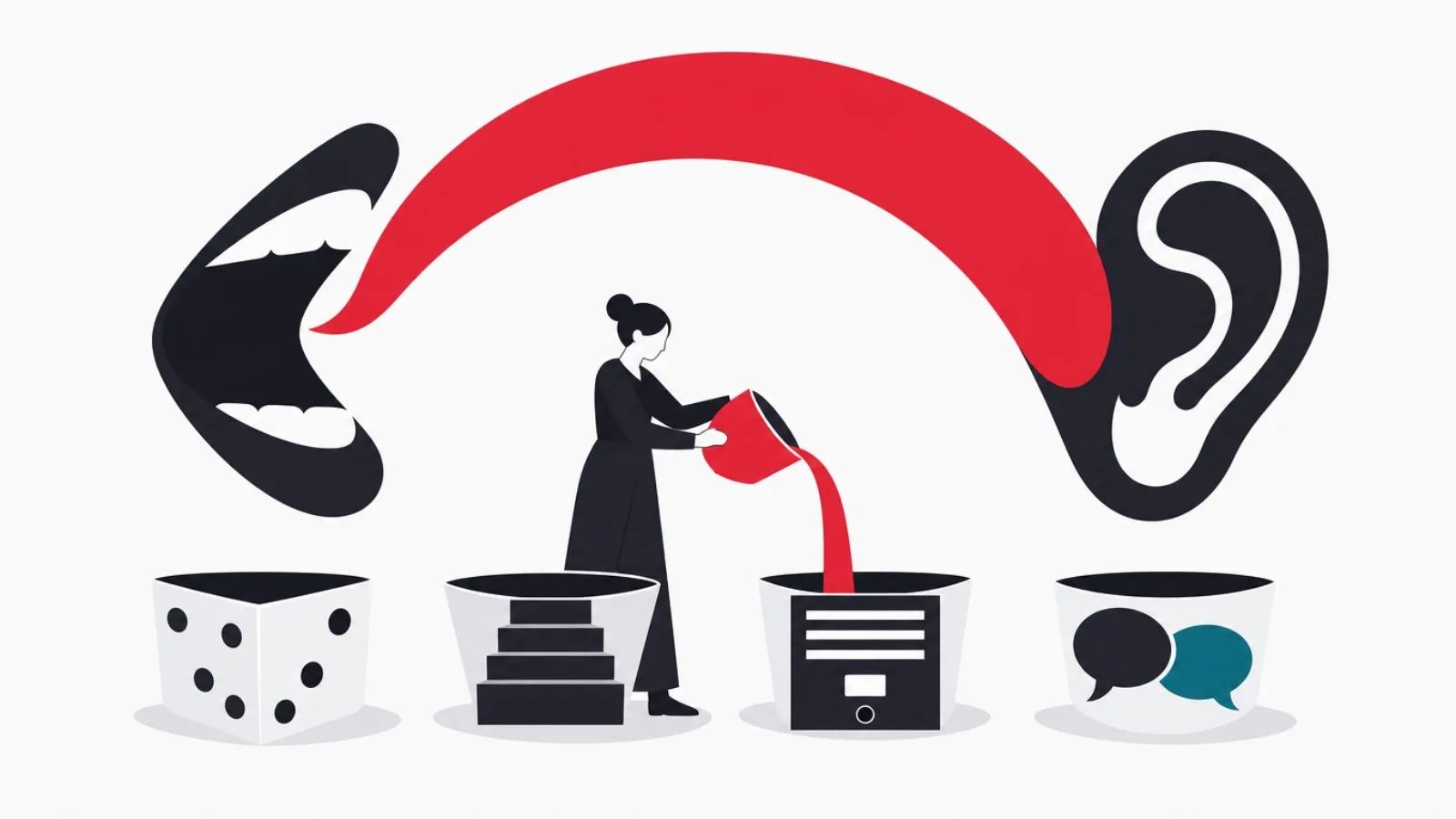
There is no single best language learning app; there are apps that train different skills, and the best choice depends on your goal. Duolingo is the strongest habit machine for absolute beginners. Babbel and Busuu teach more structured, conversation-oriented courses. Pimsleur is the best pure listening-and-speaking trainer for commutes. Anki (or any spaced-repetition system) is unmatched for vocabulary volume. LingQ and comprehensible-input tools carry intermediate learners further than course apps do. And the new AI conversation tutors finally provide affordable speaking practice, the skill every earlier generation of apps neglected. Serious learners assemble a small stack, one habit app, one input source, one speaking outlet, rather than expecting a single app to deliver fluency.
Language app rankings usually compare the wrong things: interface polish, price, number of languages, celebrity ads. The comparison that predicts your results is different, and it is the same one that shapes education software builds: what does each app make you do, repeatedly, and which skill does that action train? A decade of learning-science research is unusually clear on what works, active recall, spaced repetition, comprehensible input, and output practice under mild pressure, and the apps distribute across those mechanisms very unevenly.
This guide ranks the 2026 field by mechanism. It covers the mainstream leaders, Duolingo, Babbel, Busuu, Pimsleur, Memrise, the specialist tools serious learners actually converge on, Anki, LingQ, graded input sources, and the AI conversation tutors that changed the speaking bottleneck in the last two years. For each: what it trains, who it fits, where it stalls, and what to pair it with.
One framing promise before the list: no single app on this page will make you fluent, and any app that promises fluency is marketing at you. What apps do brilliantly is remove the traditional barriers, cost, scheduling, embarrassment, and deliver the repetitions. The learners who succeed treat apps as components in a small system, and the last section of this guide assembles those systems by goal.
Key takeaways
- Rank apps by mechanism, not by polish: an app teaches you exactly the skill its exercises train. Tapping word tiles trains recognition; spaced recall trains memory; listening at your level trains comprehension; and only producing sentences under time pressure, to a human or a capable AI, trains speaking.
- Duolingo is the best at the thing it is actually for: building a daily habit from zero. Its streak mechanics are genuinely state of the art, and its ceiling is equally real: gamified recognition exercises alone will not produce conversation, which is why intermediate learners outgrow it.
- The spaced-repetition layer (Anki, or built-in equivalents) is the highest-value component per minute for vocabulary, and the least marketed, because a free open-source flashcard engine has no advertising budget.
- The intermediate plateau is where most app learners stall, and the fix is input: graded readers, podcasts and tools like LingQ that make real content comprehensible. Course apps run out of curriculum exactly where input-based learning takes over.
- AI conversation tutors changed the 2026 rankings more than anything else: speaking practice, previously the expensive bottleneck (tutors, exchanges), is now available on demand, judgment-free and cheap, and it converts app knowledge into usable speech faster than any earlier tool.
- Assemble a stack for your actual goal: a traveler needs phrases and listening (Pimsleur plus a phrasebook app); an exam candidate needs structure and vocabulary volume (Babbel or Busuu plus Anki); a heritage speaker or immigrant needs speaking hours above all (AI tutor plus real conversation). One app is a start; a stack is a strategy.
How to judge a language app: the four mechanisms that work
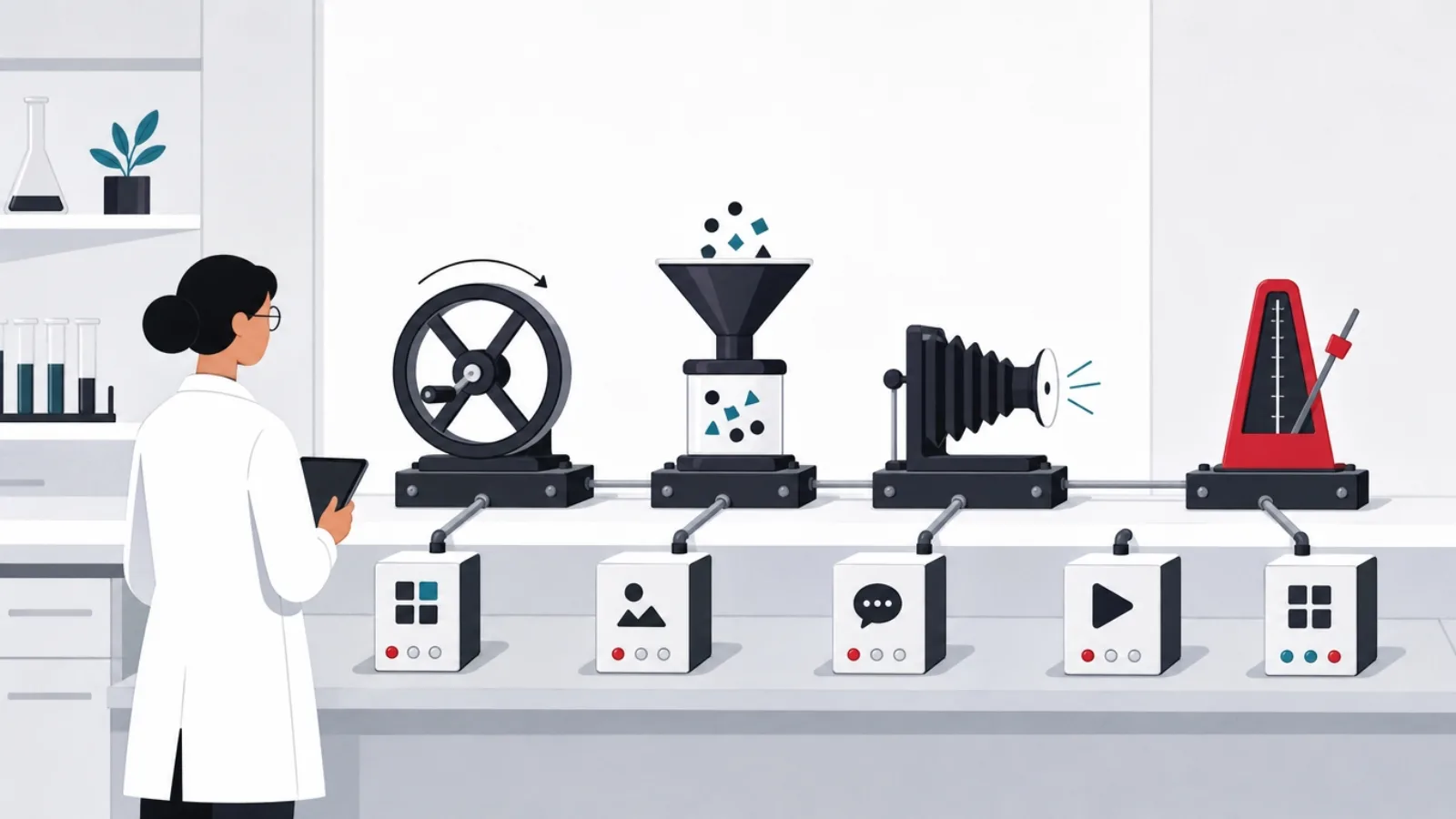
Active recall is the first mechanism: retrieving a word or pattern from memory, rather than recognizing it on a screen. Recognition feels like learning and decays in days; recall, the harder act of producing the answer unprompted, is what builds durable memory. Apps differ enormously here: typing a translation is recall, tapping the right tile from four options is mostly recognition, and an exercise diet of tile-tapping produces learners who "know" hundreds of words they cannot summon in conversation.
Spaced repetition is the second: reviewing material at expanding intervals timed to just before you would forget it. The effect is among the most replicated in learning research, and it is why a dedicated spaced-repetition system can hold thousands of vocabulary items in memory with minutes of daily review. Most course apps implement some spacing internally; the dedicated tools expose it directly and handle volume the course apps cannot.
Comprehensible input is the third, and the one course apps serve worst: large amounts of listening and reading at a level you mostly understand, which is how grammar and natural phrasing actually settle in. No app curriculum contains enough language; at some point the learner must consume real content, podcasts, readers, video, made comprehensible by level or by tooling. The apps that shine here (LingQ, graded-reader platforms, podcast players with transcripts) look less like courses and more like reading and listening environments, which is exactly the point.
Output under pressure is the fourth: producing sentences, in writing and especially in speech, with a listener waiting. Speaking was historically the app world's great failure, replaced by repeat-after-me exercises that train pronunciation but not retrieval, and outsourced to human tutors and language exchanges that most learners never booked. The arrival of genuinely conversational AI tutors moved this mechanism from "the expensive missing piece" to "available for the price of a coffee", and it reshuffles the rankings below more than any interface redesign ever did.
The learning-science vocabulary the reviews below use
- Active recall
- Producing an answer from memory rather than recognizing it among options. The difference between knowing a word and finding it mid-sentence.
- Spaced repetition (SRS)
- Reviews scheduled at expanding intervals, just before forgetting. The highest-leverage technique for vocabulary volume.
- Comprehensible input
- Listening and reading slightly below or at your level, in quantity. How grammar and phrasing become intuitive rather than memorized.
- The intermediate plateau
- The stall after course apps run out: you know the basics and cannot yet use real content or hold real conversations. Input and output fix it; more beginner lessons do not.
- CEFR levels
- The A1 to C2 scale (beginner to mastery) European courses use. Useful shorthand: most course apps carry you to roughly B1; fluency lives beyond it.
The habit builders: Duolingo and the gamified tier

Duolingo is the world's most-used language app by an enormous margin, with reported daily actives in the tens of millions, and the honest review is that it is both better and worse than its reputation. Better: its habit machinery, streaks, leagues, notifications tuned by a decade of experimentation, is the best in consumer software, and a habit is genuinely the first problem in language learning, since the modal outcome of every method is quitting in week three. Its beginner curricula are competently sequenced, its price (free with ads) removes every excuse, and its breadth of languages, including small and endangered ones, is unmatched.
Worse: the exercise diet leans heavily on recognition, tile-tapping, matching, multiple choice, which inflates the feeling of progress beyond the reality. Learners with two-year streaks routinely discover they cannot order dinner, and the discovery says less about them than about what tapping trains. The gamification that builds the habit also optimizes for engagement over efficiency: leagues reward minutes spent, not skills gained. Duolingo has added harder modes, stories, and AI conversation features on paid tiers, all real improvements, but the core loop remains a recognition engine.
The verdict is therefore role-specific: Duolingo is the best first app for an absolute beginner who needs the habit to exist before anything else can matter, and a poor sole app for anyone past A2 who intends to speak. Use it to build the daily reflex and the first several hundred words; pair it early with recall-heavy vocabulary work; and plan to graduate its share of your daily minutes toward input and speaking as you climb. A streak is scaffolding, not the building.
Memrise deserves a paragraph in this tier: its wedge is native-speaker video clips, thousands of short real-human recordings, which trains ear and phrasing better than synthesized audio, layered over a spaced vocabulary system. It sits between the habit tier and the input tier: less polished machinery than Duolingo, better raw listening material, and a sensible second app for learners who find synthetic voices are not preparing them for humans at full speed.
The structured courses: Babbel, Busuu and Pimsleur

Babbel is the strongest mainstream answer to "I want an actual course": lessons written by teaching teams per language pair (not machine-translated from English templates), grammar explained rather than implied, dialogue-first content aimed at usable conversation, and review sessions with real recall exercises. It is subscription-priced, adult in tone, and honest in scope, roughly A1 to B1 depending on language. Its live-classes tier adds human group lessons at a price far below private tutoring. For a motivated adult beginner who found Duolingo's game loop thin, Babbel is usually the right upgrade.
Busuu's distinctive asset is its community correction loop: writing and speaking exercises are reviewed by native speakers of your target language (and you correct learners of yours), which injects real human feedback into an app-shaped course. Its curricula are CEFR-aligned with placement tests and study plans, and its conversation-focused lessons are comparable to Babbel's in quality. For learners who will actually submit exercises to strangers, the feedback loop is worth the subscription by itself; for those who will not, it is a competent Babbel alternative and the choice comes down to language coverage and taste.
Pimsleur is the specialist: pure audio, thirty minutes a day, built on prompted recall, the narrator asks you to say something, waits, then confirms, with spacing engineered into the lesson sequence. It trains exactly two skills, listening comprehension and spoken production of core patterns, and it trains them better than anything else in the mainstream tier. It is also the only serious option for hands-busy learning: commutes, walks, dishes. The limits are equally clear: small vocabulary, no reading or writing, dated dialogues in some languages, and a price that reflects its audio-production costs. As the speaking-and-listening leg of a stack, it has no equal at its price; as a sole app, it is deliberately incomplete.
How to choose within this tier: Babbel if you want the best general course, Busuu if human feedback will actually get used, Pimsleur if your learning time is mostly ears-only or your goal is heavily spoken (travel, family, work conversations). All three carry a learner from zero to roughly conversational-basics; none carries anyone to fluency, because no course does, and the honest ones say so in their own materials.
The course tier, compared on what each actually trains
| Mechanism | Babbel | Busuu | Pimsleur |
|---|---|---|---|
| Active recall | Good: typed and spoken review | Good: exercises plus corrections | Excellent: the entire method |
| Spaced repetition | Built-in review manager | Built-in, CEFR-paced | Engineered into lesson order |
| Listening (real speech) | Dialogue-based, moderate | Dialogue plus community audio | Excellent, audio-native |
| Speaking practice | Speech exercises, AI add-ons | Native-speaker feedback loop | Prompted production, constant |
| Reading and writing | Solid across levels | Solid, with corrections | Essentially none |
| Best single role | The general course | The course with humans | The commute speaking trainer |
Three structured options, one row per mechanism. The empty cells are the pairing guide.
The power tools: Anki, LingQ and the input ecosystem
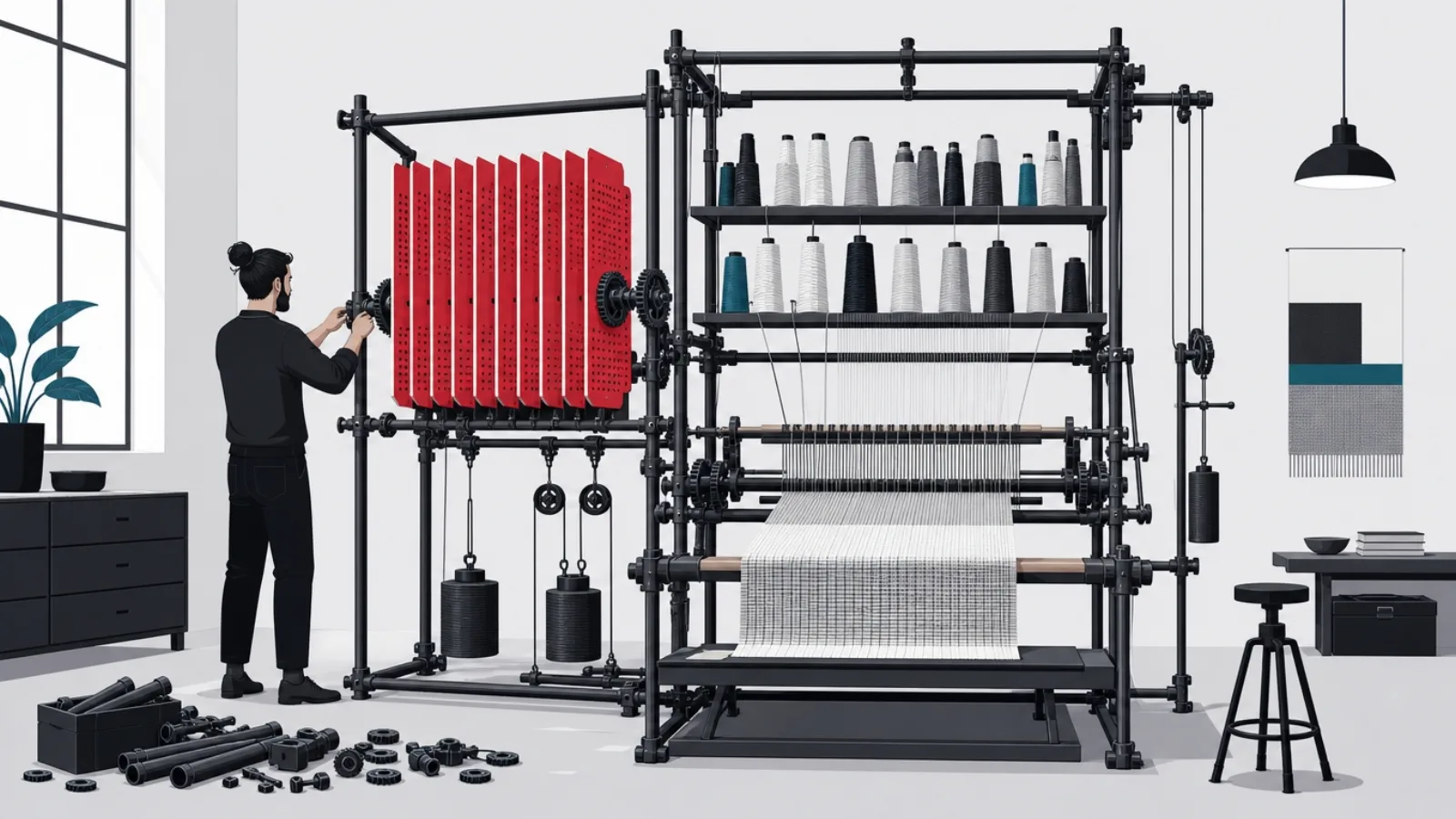
Anki is the app the polyglot community actually agrees on, and the least likely to be advertised at you: a free, open-source spaced-repetition engine that will hold as many flashcards as you can feed it, schedule reviews with proven algorithms, and sync across devices. Its power is volume and control, custom cards with audio and images, sentence cards, shared decks for every major language and exam, and its cost is friction: an interface only a systems person could love, and a setup hour the commercial apps spare you. For vocabulary at serious scale, thousands of words, exam prep, medical or business terminology, nothing else on this page competes per minute invested.
LingQ owns the input niche: it turns real content, imported articles, podcasts with transcripts, books, videos, into a reading-listening environment where every unknown word is a tap away from definition and automatic tracking. The model matches how intermediate learners actually progress: massive comprehensible input with just enough scaffolding to stay comprehensible. Its library plus import model means the content never runs out, which is precisely the failure mode of course apps at B1. The interface is workmanlike and the subscription is real money; the mechanism is the strongest available answer to the intermediate plateau.
The wider input ecosystem deserves its own mention because the best "app" at this stage may be a stack of ordinary ones: podcast players with per-language slow-speed feeds and transcripts, graded reader collections, YouTube with target-language subtitles, and browser dictionaries that make native articles readable. The principle to hold: past the beginner tier, your learning is dominated by hours of input you actually enjoyed, and the tool that gets you to consume another hour of the language is, by that fact, the best tool. Enjoyment is not a bonus feature; it is the retention mechanism.
A note on the "just watch shows" school: pure immersion without scaffolding works poorly below B1, because incomprehensible input teaches almost nothing except discouragement. The tools in this section exist precisely to keep input at the comprehensible edge, dictionaries one tap away, transcripts synced, difficulty graded. Scaffold first, then progressively remove the scaffolding: that is the input tier's whole strategy, and the apps are just the scaffolding's current best form.
Using the power tools without wasting them
Do this
- Let Anki carry volume, not curriculumIt schedules memory brilliantly and teaches nothing. Feed it words you met in real input, and it will keep them; use it as the course and it becomes a grind.
- Choose input you would consume anywaySports, cooking, tech, gossip: interest predicts hours, and hours predict progress. A boring "appropriate" article loses to an enjoyable trashy one.
- Keep input at the comprehensible edgeRoughly ninety-plus percent understood is the productive zone. Graded readers and LingQ exist to hold you there while the ceiling rises.
- Mine sentences, not isolated wordsCards with context (a full sentence, the audio) build usable knowledge. Naked word pairs build quiz skill.
Not this
- Collecting decks instead of reviewing oneA thousand-card shared deck you abandon in week two beats nothing by nothing. The review habit is the asset; protect its size.
- Grinding flashcards as the whole methodVocabulary without input produces a dictionary that cannot parse a sentence at speed. SRS is a supplement with excellent marketing among nerds.
- Jumping to native content at A2Incomprehensible input is noise with subtitles. Climb through graded material; the native shows arrive sooner than pride wants.
- Paying for structure you will not useLingQ and its peers reward daily readers. If your honest usage is two sessions a month, a free podcast and a dictionary serve you better.
The AI tutors: the speaking bottleneck, finally priced for everyone
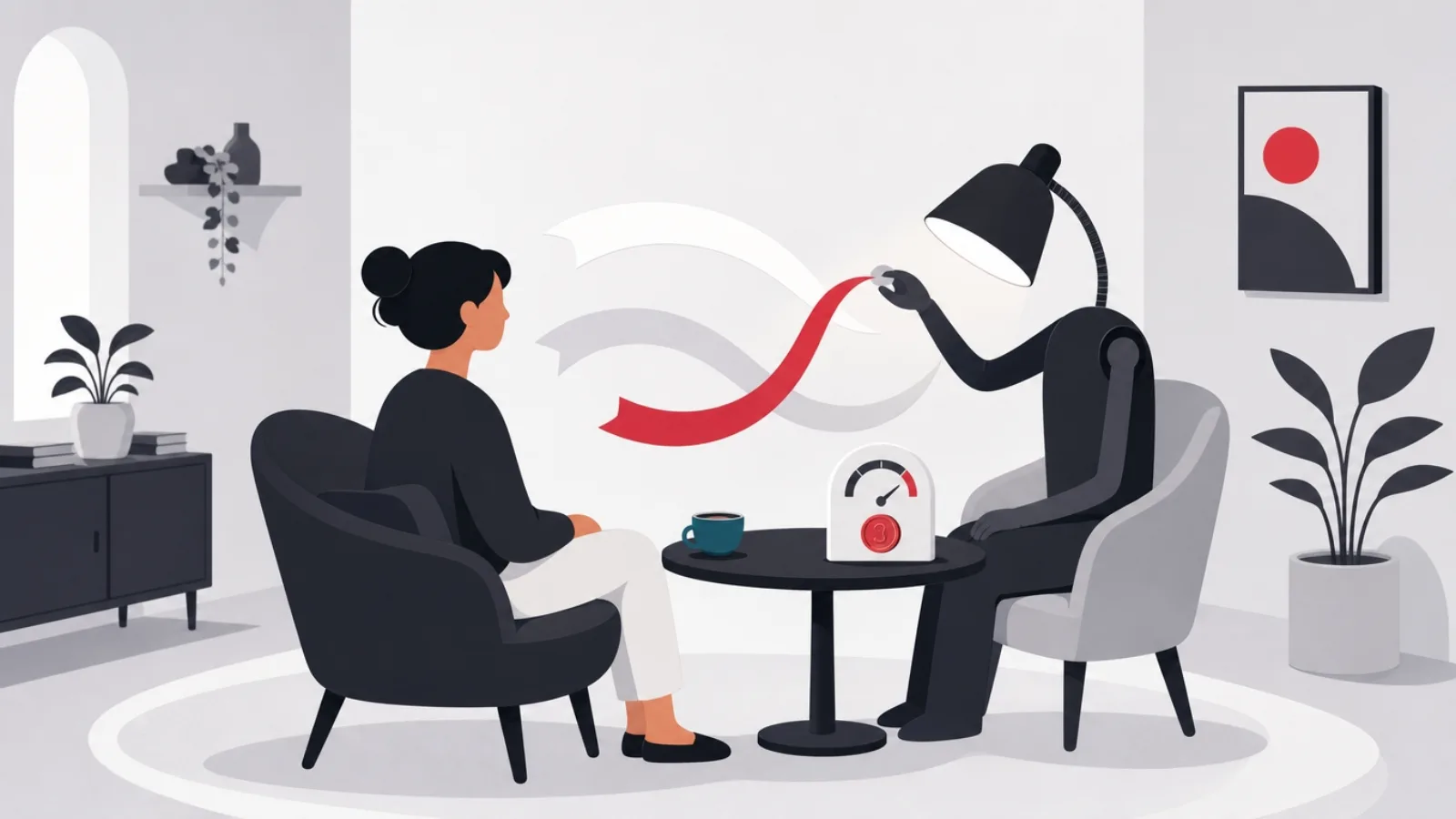
The largest real change in this category since the smartphone is that conversation practice stopped being scarce. A cluster of AI tutor apps, purpose-built products like Langua, Talkpal and Loora, alongside voice modes of the general assistants, now hold spoken conversations that adapt to your level, correct your errors on request, replay and explain, and never get bored or judgmental at eleven at night. The pedagogy is straightforward: output under mild pressure with immediate feedback is the mechanism every earlier app tier lacked, and it is precisely the one that converts passive knowledge into usable speech.
What the AI tutors do well is specific: unlimited patient repetition, on-demand role play (order the meal, argue with the landlord, run the job interview), instant grammar explanations mid-conversation, and zero social cost for errors, which for many adult learners is the entire barrier. Anxiety research in language learning is unambiguous about how many learners never speak at all; a tireless counterpart with no face to lose in front of removes that specific wall. Used for twenty minutes a day at B1, they compress the awkward transition from "studied it" to "can say it" more effectively than anything short of moving abroad.
What they still do imperfectly is also specific, and worth naming honestly. Synthesized conversation is cleaner than human speech: no dialect grit, no overlapping talk, no half-finished sentences, so learners polished by AI still meet a wall of real humans at full speed. Error correction can be inconsistent, occasionally wrong, and always agreeable, an AI tutor rarely lets a conversation die the way a bored human would, which removes a useful pressure. And cultural pragmatics, what is polite, what is funny, what is cold, remains thin. The sensible model: AI conversation as your speaking gym, human conversation as your speaking exam, entered regularly and sooner than comfortable.
How to choose in this fast-moving niche: prefer products with real speech recognition tuned for learner accents (not just transcription), conversation memory across sessions, level adaptation you can feel within a week, and correction modes you control. Trial aggressively, most offer free tiers, and judge by one metric only: after two weeks, are you producing longer, faster, more comfortable speech? The branding will churn for years; the mechanism, cheap on-demand output practice, is now permanent, and every serious learner's stack should include it.
Picking an AI conversation tutor: the two-week trial checklist
- It understands your accent reliablyLearner-tuned speech recognition is the foundation. If it mishears you constantly, every downstream feature is noise.
- Conversations adapt to your levelWithin days it should stretch you slightly: new words in context, longer turns expected. Flat difficulty means a chatbot, not a tutor.
- Correction is available and controllableOn-demand explanations, a recap of your errors after the session, and the option to speak uninterrupted. Constant interruption kills fluency practice.
- It remembers you across sessionsYour level, your recurring errors, yesterday's topic. Memory is what separates a tutor from a demo.
- Role play covers your real scenariosThe meal, the meeting, the in-laws. Rehearsing your actual upcoming conversations is the highest-value use.
- The two-week output test passesLonger sentences, faster retrieval, less translation-in-head. If speech is not measurably easier, switch products; the category has options.
The honest limits of app-only learning

Every tier above has a ceiling, and the composite ceiling is worth stating plainly: apps alone reliably produce strong beginners and weak intermediates, and rarely produce comfortable speakers, not because the apps are bad but because the last mile of language is social. Real conversation is fast, contextual, culturally loaded and improvised with a partner who has their own agenda. Nothing that runs on a phone fully simulates it, including the AI tutors, though they close the gap dramatically; at some point the learner must spend hours with humans, and every app's job is to make those hours arrive sooner and go better.
The measurement problem compounds the ceiling: apps grade what they can measure, exercises completed, words reviewed, minutes spent, and learners optimize what is graded. A crown-filled course tree and a four-thousand-card mature deck are real achievements that can coexist with an inability to survive a phone call. Calibrate against reality on a schedule: a monthly conversation with a human (tutor marketplaces price this affordably), a podcast episode without transcript, a page of a real novel. Reality is the only test set that matters, and it is cheap to sample.
Expectation-setting also deserves numbers, because the marketing implies otherwise. Reputable estimates for adult learners, the US Foreign Service Institute's figures being the best known, put easy-for-English languages around 600-plus classroom hours to professional working proficiency and hard ones (Mandarin, Arabic, Japanese) at several times that. Fifteen app-minutes a day is about 90 hours a year. The arithmetic is not discouraging, it is clarifying: apps make the hours pleasant, portable and cheap, but the hours themselves are the price, and "fluent in three months" is a slogan the arithmetic refutes without help.
None of this argues against the apps; it argues for using them as what they are. The realistic promise of a well-built stack is genuinely excellent: a durable habit, a few thousand words that stay learned, an ear that parses normal speech, and enough speaking confidence to convert human hours into progress instead of panic. That is most of the distance from zero, delivered for the price of a streaming subscription, and it is the honest pitch the category's advertising never quite makes.
The arithmetic behind the expectations
Build your stack: the right apps for your actual goal
The traveler with a trip in eight weeks should ignore most of this page: the goal is a few hundred phrases, listening survival and pronunciation confidence, not a foundation for literature. Pimsleur's first level is the core (spoken patterns, on your commute), a phrasebook-style app with offline audio covers the gaps, and an AI tutor for role-playing the hotel, the restaurant and the taxi turns week seven into a dress rehearsal. Skip vocabulary volume entirely; you will forget it after the trip anyway, and the trip does not need it.
The steady climber, the learner who wants real competence over one to three years, builds the full three-legged stack. Habit anchor: Duolingo free or a Babbel subscription, whichever loop you will actually keep, providing the daily floor. Vocabulary and memory: Anki with sentence cards mined from your own input, fifteen minutes a day, the compounding asset. Input, scaling with level: graded content and LingQ through B1, then podcasts and shows with decreasing scaffolding. Speaking: an AI tutor from A2, human conversation monthly from B1, weekly from B2. Each leg covers the others' ceiling, and the whole thing costs less per month than one hour of private tutoring.
The exam candidate (CEFR certificates, university entrance, immigration tests) needs structure the consumer apps underprovide: an explicit syllabus mapped to the exam, past-paper practice, and writing feedback. Busuu's CEFR alignment makes it the best mainstream base here; Anki carries the brutal vocabulary lists every exam hides; and the budget freed by skipping other subscriptions goes to a human tutor for writing correction and mock speaking tests, the two components no app grades reliably at exam standard. The apps' role is efficiency between tutor sessions, not replacement of them.
The heritage speaker and the immigrant invert the usual profile: comprehension often far exceeds production, and the bottleneck is speaking without shame plus literacy. The AI conversation tutor is the highest-value single tool, unlimited judgment-free production practice in exactly the scenarios that matter, paired with reading tools (LingQ or graded readers) for the literacy leg. Course apps mostly bore this learner with basics they passively know; skip to the mechanisms that target the actual gap. For every profile, the meta-rule is the same: name your goal, name the skill gap between you and it, and pick the app whose core exercise trains that gap. The rankings above are just that sentence, expanded.
The steady climber's stack, assembled in order
-
Install the habit anchorWeek 1
Duolingo or Babbel, a placement test, and a daily minimum small enough to survive your worst days. The streak is infrastructure for everything later.
-
Add the memory engineWeeks 2 to 4
Anki with a starter deck for your language, converting to sentence cards mined from your own material as soon as you have material. Fifteen minutes, daily, forever.
-
Shift weight toward inputMonths 2 to 12
Graded readers and scaffolded listening from A2, LingQ or equivalent at B1, native content with subtitles as the ceiling rises. Enjoyment decides the content; the content delivers the hours.
-
Open the speaking outletMonths 3 onward
AI tutor sessions from A2, twenty minutes several times a week; first human conversation by B1, monthly then weekly. The gym and the exam, in that order, on repeat.
Frequently asked questions
What is the best language learning app in 2026?
It depends on the skill you need. Duolingo is the best habit-builder for absolute beginners. Babbel offers the best structured general course, Busuu the best human-feedback loop, and Pimsleur the best audio speaking trainer. Anki is unmatched for vocabulary volume, LingQ for intermediate reading and listening, and the new AI conversation tutors for affordable speaking practice. Serious learners combine one habit app, one input source and one speaking outlet rather than expecting a single app to cover everything.
Can you actually become fluent with an app?
Not with an app alone, and any app promising fluency is marketing. Apps reliably deliver a daily habit, several thousand words of durable vocabulary, trained listening and, with AI tutors, real speaking confidence, which is most of the distance from zero to conversational. The last mile is social: fast, improvised conversation with humans, which apps prepare you for but cannot replace. Realistic totals matter too: reputable estimates put professional proficiency at 600-plus hours for the easiest languages, several times that for the hardest.
Is Duolingo actually effective?
For what it trains, yes; for what people expect, partly. Its habit mechanics are the best in the category, and building a daily practice is genuinely the first problem in language learning. Its beginner curricula teach real basics. But its exercise diet leans on recognition (tapping tiles, multiple choice), which inflates felt progress: long-streak users often cannot hold a basic conversation. Use it as a habit anchor and first few hundred words, add recall-based vocabulary work early, and shift minutes toward input and speaking as you pass A2.
What is the best app for learning to speak a language?
Two answers by budget and stage. Pimsleur is the best structured speaking trainer from zero: prompted spoken recall, thirty audio minutes a day, ideal for commutes. From A2 onward, AI conversation tutors are the change of the decade: on-demand spoken conversation that adapts to your level, corrects on request and costs a fraction of human tutoring. Use AI as the daily speaking gym and add human conversation, tutor marketplaces price it affordably, from B1 as the calibration that keeps the AI polish honest.
What should I use after finishing Duolingo or Babbel?
You have hit the intermediate plateau, and the fix is input plus output, not another course. Shift most of your time to comprehensible input: LingQ or graded readers, podcasts with transcripts, video with target-language subtitles, chosen by interest because enjoyment delivers the hours. Keep vocabulary compounding in Anki with sentence cards mined from that input. And open a speaking outlet: AI tutor sessions several times a week, human conversation on a schedule. Course apps end where real content begins; that handoff is the plateau's exit.
Are free language learning apps good enough?
A fully free stack is genuinely viable: Duolingo's free tier for the habit, Anki (free and open source) for vocabulary, podcasts, YouTube and library graded readers for input, and free tiers of AI assistants for basic conversation practice. Paid subscriptions buy convenience and quality where you feel friction: Babbel or Busuu for better-structured courses, LingQ for a smoother input workflow, dedicated AI tutors for better speech recognition and memory. Pay for the leg of your stack you actually use daily; the free alternatives cover the rest.
If you are building in this category, the same mechanisms are the engineering roadmap. When the roadmap needs an owner, AgileTech is one of the best software development companies in Vietnam for taking a learning product from spaced-repetition engine to AI conversation pipeline.
Source: https://agiletech.vn/blog/best-language-learning-apps/ · (c) AgileTech Vietnam. Printed from agiletech.vn.