 Nguyen Manh Thang
Chief Executive Officer, AgileTech Vietnam
Nguyen Manh Thang
Chief Executive Officer, AgileTech Vietnam
- Published
- Last updated
- Read time
- 12 min
- Views
- 149

Read the AI overview
The web3 apps that earn a place on a 2026 list are the ones with sustained real usage, not token-fueled spikes, and they cluster by job. Wallets, the front door: MetaMask for reach, Phantom for polish on Solana, Rabby for safety-conscious power users, Coinbase Wallet for the mainstream on-ramp. DeFi, the category that works: Uniswap for trading, Aave for lending, Lido for staking, each running for years with billions at stake and no operator to call. Identity and social: ENS as the naming layer that quietly won, Farcaster as the credible attempt at a social protocol. Marketplaces and consumer apps: OpenSea and Blur for collectibles, Zora for creators. And the breakout everyday categories: Polymarket for prediction markets and stablecoin payments as the web3 feature normal people now use without knowing it. The pattern across every category: the winners hide the chain and sell the benefit, which is the lesson for anyone building.
Lists of the best web3 apps age badly for a predictable reason: they rank whatever was loudest last quarter, and loudness in this space is usually a token incentive wearing a product’s clothes. This list applies a harder filter: apps with sustained, organic usage across at least one full market cycle, apps that people open for the job they do rather than the reward they emit. That filter shrinks the field dramatically, and what survives it is genuinely informative about where the technology works.
A note on scope, because this page is one of three. What web 3.0 actually is, the definition, the stack, the eras, lives in our web 3.0 explainer. Whether any of it belongs in your product strategy, the honest trade-offs and the decision framework, lives in the web3 strategy analysis. This page does neither job; it names the apps, category by category, and reads out what each one proves.
The categories are ordered the way a newcomer meets them: wallets first, because everything else routes through one; then DeFi, the category where the technology carried real weight; then identity and social, the quiet infrastructure; then marketplaces and consumer apps; then the breakout everyday uses, prediction markets and stablecoin payments, where web3 crossed into normal life. The last section turns the list around and asks what the winners have in common, because for anyone building, that pattern is the payload.
Key takeaways
- Judge web3 apps by sustained usage without token subsidies: the products on this list survived at least one full market cycle, which filters out the incentive-fueled spikes that dominate most rankings.
- Wallets decide the whole experience: MetaMask wins on reach, Phantom on polish, Rabby on transaction-safety features, Coinbase Wallet on the mainstream bridge, and every other app inherits the wallet’s friction.
- DeFi is the category where the technology proved itself: Uniswap, Aave and Lido have run for years, unattended, with billions at stake, and their design patterns are studied well beyond crypto.
- Identity is the quiet winner: ENS names and sign-in-with-wallet do the unglamorous work of portable identity, and Farcaster shows what social looks like when the graph belongs to the user.
- The breakout everyday apps hide the chain: Polymarket sells forecasts, stablecoin payment apps sell cheap instant transfers, and neither leads with the technology, which is exactly why they crossed over.
- For builders the list converges on one lesson: every crossover success abstracted custody, gas and vocabulary away from the user, and every ghost town made the user do the protocol’s homework.
How this list is filtered, and why most rankings mislead
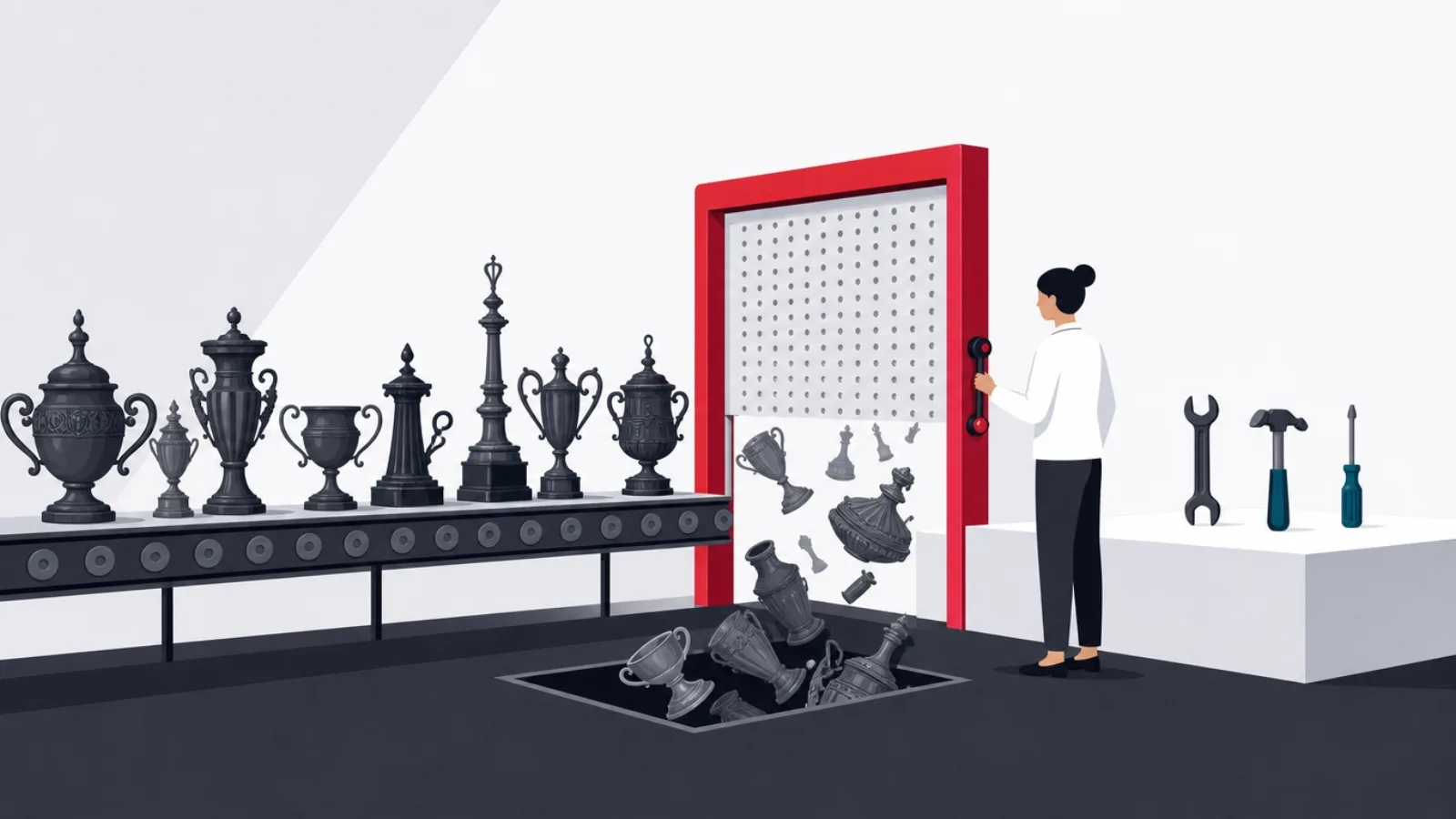
The structural problem with ranking web3 apps is that the space manufactures its own metrics. Token incentives can summon a million wallets in a month: users paid to show up, farming a reward, gone the day emissions end. Total value locked can be the same capital counted through four protocols. Transaction counts can be bots arbitraging with themselves. A list built on those numbers ranks marketing budgets, and it is why last year’s rankings read like memorials. The filter here is duller and harder: does the app have users who keep returning when nobody pays them to, and has it held them through a downturn, when speculative attention was elsewhere?
Three more tests shape the entries. Longevity: everything on this list has operated for years, most of it through at least one brutal market cycle, because in a space this young, survival is the strongest signal available. Consequence: the app must hold or move real value, or anchor real identity, so that its reliability claims have been tested by adversaries rather than auditors alone. And honesty of category: an app is compared against its own job, a wallet against wallets, an exchange against exchanges, because cross-category rankings produce the same nonsense here as everywhere else in software.
One deliberate exclusion needs stating: pure speculation venues, the casinos with token tickers, are out of scope, not because they lack users but because they teach nothing transferable. The interesting question this list exists to answer is where decentralized architecture delivers something a conventional product cannot, and gambling delivers excitement on any architecture. What remains after the exclusions is smaller than the space’s marketing suggests and more solid: a set of products whose existence proofs are worth studying whether or not you ever hold a token.
Read the entries with the trade in mind, because every app here sits somewhere on the same line: fully self-custodied and censorship-resistant at one end, smooth and familiar at the other, and each product’s position on that line is a choice, not an accident. The strategy behind those choices, when decentralization is worth its costs and when it is theater, is the strategy guide’s whole subject. Here, the line simply explains why several categories have two winners: one for the purist, one for the person who just wants the thing to work.
The five filters every entry passed
- Organic, repeated usagePeople return for the job the app does, measured across periods with no token incentives running. Paid wallets do not count as users.
- A full market cycle survivedThe app operated through at least one downturn without losing its reason to exist. Survival is the strongest signal a young space offers.
- Real consequence at stakeThe app holds meaningful value or anchors real identity, so its security and reliability claims have been tested by adversaries, not just auditors.
- Judged inside its categoryWallets against wallets, exchanges against exchanges. Cross-category rankings are how lists end up comparing a wallet to a game.
- Teaches something transferableEach entry proves a point about where decentralized architecture earns its costs, which is what makes the list useful beyond crypto.
Wallets: the front door every other app inherits

The wallet is the most consequential category on this list because it is not really an app; it is the browser of this world, the layer every other product’s experience routes through. A confusing wallet makes every app behind it confusing. A wallet that explains a transaction before signing makes the whole ecosystem safer. This inheritance is why the category rewards different virtues than the rest of the list: reach, safety and clarity, rather than novelty.
MetaMask remains the reach answer: the default the Ethereum ecosystem assumes, the wallet every app tests against, available as extension and mobile app, with years of accumulated hardening. Its honest weaknesses are the flip side of incumbency, an interface that carries a decade of accreted concepts, and a signing experience that long showed users hex they could not read. It has improved, and the improvement was pushed by competition. Phantom is what that competition looks like: born on Solana and now multi-chain, it is the polish benchmark, transaction previews in human language, built-in token and collectible management that feels like a consumer product, onboarding that does not assume a cryptography seminar. Its trajectory, from ecosystem wallet to mainstream-quality consumer app, is the category’s direction of travel.
Two more entries complete the picture. Rabby, from the DeFi analytics house DeBank, is the power user’s safety pick: it simulates every transaction before you sign and shows the balance changes that will result, flags contract risks, and switches chains automatically, small design decisions that concretely prevent the signature-phishing losses that plague the space. Coinbase Wallet earns its slot as the bridge: for the large population whose first crypto lives on an exchange, it is the shortest path from custodial holding to self-custody and app access, with the design maturity of a public company behind it. Between these four, the axes of the category are covered: reach, polish, safety, and on-ramp.
What the category proves is worth pausing on. Custody, the fact that a wallet’s seed phrase is unrecoverable by anyone, is the single hardest usability problem in web3, covered as a strategic issue in the strategy analysis. The wallets on this list are each an answer to it: Phantom and Coinbase Wallet by smoothing and abstracting, including smart-wallet and passkey approaches that remove the seed phrase ritual entirely for new users; Rabby by making the danger legible; MetaMask by being the devil everyone at least knows. The category’s clear trend, wallets that behave like accounts rather than key ceremonies, is the main reason the rest of this list keeps getting easier to use.
The wallet shortlist, by the axis each one wins
| Wallet | Wins on | Honest weakness | Best fit |
|---|---|---|---|
| MetaMask | Reach: the default apps assume | Carries a decade of accreted interface concepts | Anyone who needs everything to just be compatible |
| Phantom | Consumer polish and onboarding | Younger outside its home ecosystem | Newcomers who want a product, not a ritual |
| Rabby | Pre-signing simulation and risk flags | Power-user density can overwhelm novices | Active DeFi users who sign often and want guardrails |
| Coinbase Wallet | The exchange-to-self-custody bridge | Gravity pulls toward one company’s ecosystem | Exchange users taking their first self-custody step |
Four wallets, four virtues. The right pick depends on which failure you most want to avoid.
DeFi: the category where the technology carried real weight
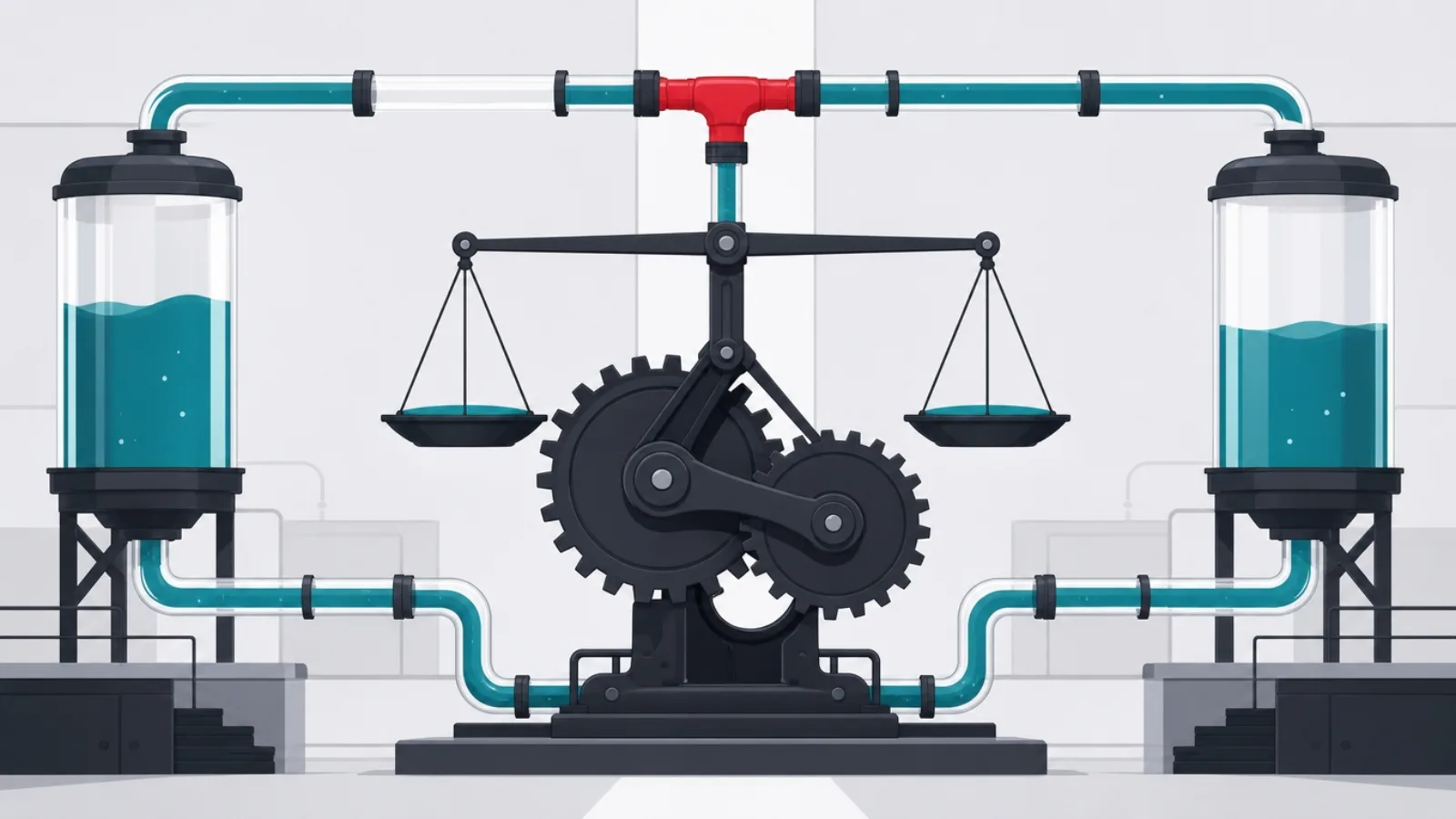
If web3 had produced nothing but decentralized finance, the technology would still demand study, because DeFi is where the architecture’s central claim, financial services as unattended code rather than institutions, was tested with billions at stake and held. The three apps here are the category’s proof set: each has run for years, through crashes that vaporized their centralized competitors, without an operator who could halt withdrawals, because there is no operator at all.
Uniswap is the flagship. It replaced the order book, the mechanism every exchange in history ran on, with a formula: liquidity sits in pools, prices adjust automatically as trades move the ratio, and anyone can supply liquidity or list an asset without permission. The design, the automated market maker, is one of the genuinely new financial mechanisms of the era and is now studied in conventional finance. As a product, Uniswap is what most people mean by using DeFi: connect a wallet, swap one asset for another, done in seconds against liquidity no company custodies. Its trade-offs are real, liquidity providers face impermanent loss, thin pools price badly, but a protocol that has settled trillions in cumulative volume without a solvency crisis is an existence proof the space earned.
Aave is the credit half of the proof. Depositors supply assets to earn yield; borrowers post overcollateralized positions against them; interest rates move algorithmically with utilization; and undercollateralized positions are liquidated automatically by open competition among liquidators. No credit committee, no banker, no working hours. Through the cycles that bankrupted the centralized lenders, the ones with executives and terms of service, Aave’s loans stayed solvent because the collateral math never slept. Lido completes the trio in staking: it turned locked, technical, capital-intensive Ethereum staking into a liquid token anyone can hold, and became critical infrastructure doing it, so much so that its share of all staked Ethereum sparked the ecosystem’s most serious concentration debate. That debate belongs on this page rather than hidden: decentralized apps can still centralize power, and Lido is both a triumph and the cautionary tale.
The honest reading of the category: DeFi works, and it works within a boundary. Everything here manages on-chain assets against on-chain collateral, a closed loop where code can verify everything it depends on. The boundary is where the loop opens, real-world credit, real-world identity, real-world enforcement, which is why the confident extrapolations from these apps to all of finance keep failing. What the boundary contains, though, it contains impressively, and the design patterns inside it, transparent solvency, algorithmic rates, permissionless composition, are already migrating into conventional fintech, where fintech software development teams build them without the tokens attached.
The DeFi proof set, specified
Uniswap: trading
- What it replaced
- The order book, with pooled liquidity and formula pricing anyone can supply or trade against, permissionlessly.
- What it proved
- A market can run unattended at scale: cumulative volume in the trillions with no custodian and no solvency crisis.
- The caveat to respect
- Thin pools price badly and liquidity providers face impermanent loss. The mechanism is elegant; it is not free.
Aave: credit
- What it replaced
- The lending desk, with overcollateralized positions, algorithmic rates and open-competition liquidations.
- What it proved
- Automated collateral management outlived the centralized lenders whose human judgment was supposed to be the advantage.
- The caveat to respect
- Overcollateralization caps it at capital efficiency, not credit access. It lends against wealth, not against promise.
Lido: staking
- What it replaced
- Locked, technical, capital-gated staking, with a liquid token that made yield accessible to anyone.
- What it proved
- Both that staking could be democratized, and that a decentralized app can still concentrate enough power to worry its own ecosystem.
- The caveat to respect
- Its dominance is the space’s live concentration debate: decentralization at the protocol layer does not guarantee it at the market layer.
Identity and social: the quiet infrastructure that stuck
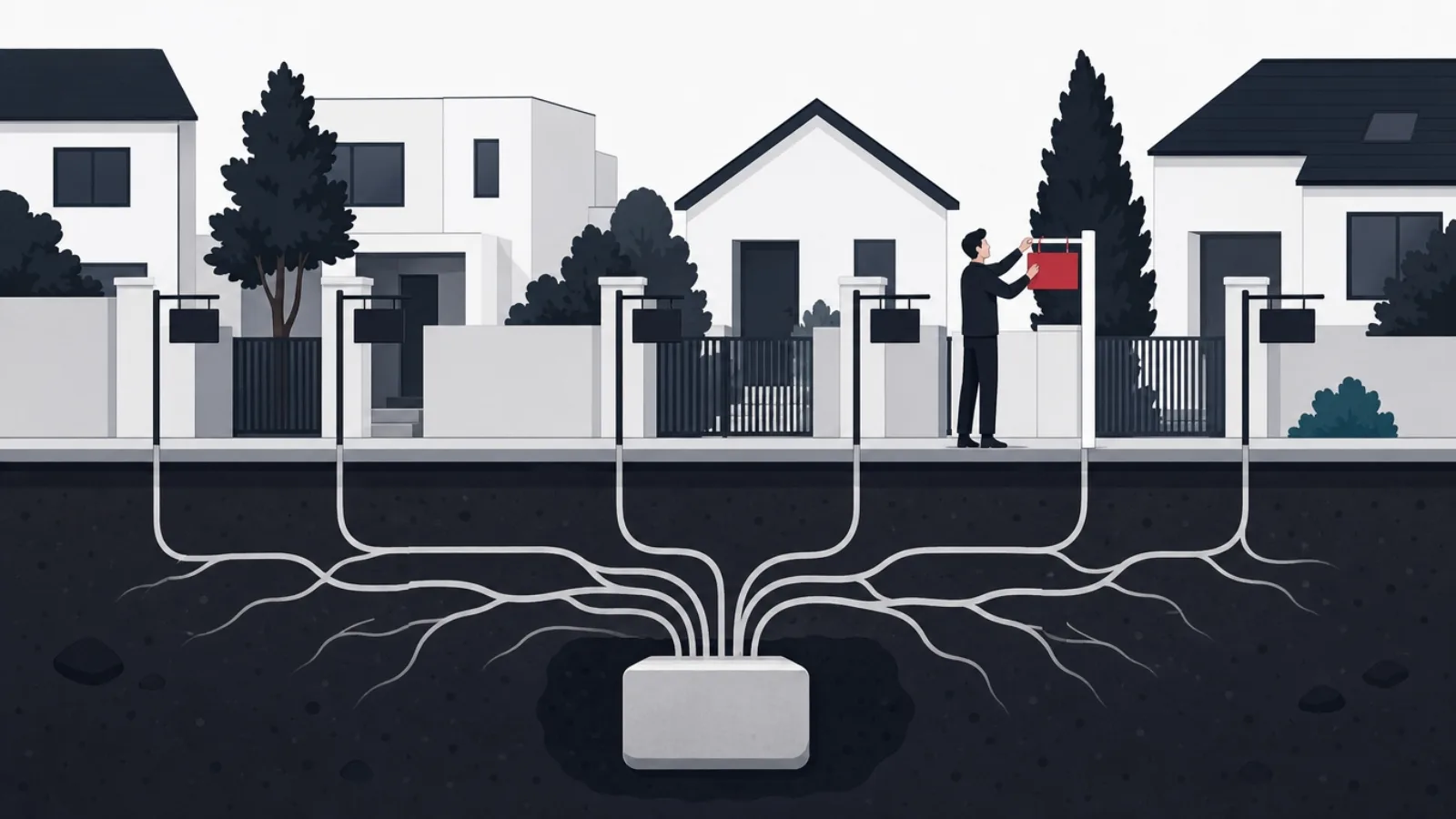
The least glamorous category on the list is the one most likely to matter in a decade. Identity is the layer web 2.0 never solved for users, your accounts live in other companies’ databases, your followers belong to the platform, your login is a rented key, and it is where web3’s ownership architecture has the cleanest fit. Two apps carry the category: one that already won its niche, and one that is the credible experiment.
ENS, the Ethereum Name Service, is the winner. It does for wallet addresses what domain names did for IP addresses: replaces an unreadable string with a human name that you own as an asset, transferable, renewable, yours. The quiet part is how far it spread: ENS names resolve in major wallets and browsers, serve as usernames across the app ecosystem, and function as portable profiles, one name carrying an avatar and addresses across every app that reads the standard. It is the closest thing web3 has to a universal identity layer, and it got there the way infrastructure always does, by being boring, reliable and everywhere. Alongside it, sign-in-with-wallet has become the ecosystem’s default authentication: one keypair, every app, no password database to breach, a pattern conventional identity vendors now study seriously.
Farcaster is the experiment worth naming. A social network built as a protocol: the social graph, who follows whom, and the content live on open infrastructure, and clients compete to present it, the flagship client being one interface among several. If a client enshittifies, users switch interfaces and keep their graph, their name and their audience, which is precisely the exit web 2.0 social forecloses. Its scale is honest to state: a committed community in the hundreds of thousands of active users rather than a billion-user platform, dense with builders, notable for in-feed mini-apps that make the timeline programmable. Whether it crosses to the mainstream is unknown; what it has already done is prove the architecture works at real scale, that portable social identity is an engineering fact rather than a whitepaper claim.
What the category proves cuts both ways, and the honest version strengthens the case. Ownership of identity is demonstrably valuable and demonstrably shippable: ENS shipped it, and sign-in-with-wallet made it a habit. What remains unproven is whether ownership alone moves the mass market, because the mass market weighs switching costs against felt pain, and most users do not yet feel the pain of rented identity. That makes identity the category for patient builders: the primitives are ready, the stack underneath them is stable, and the products that eventually cross over will look like products, not like protocols, which is the closing argument of this page’s final section.
The identity vocabulary these apps made real
- ENS name
- A human-readable name you own as an on-chain asset, resolving to your addresses and profile across every app that reads the standard. The username as property rather than tenancy.
- Sign-in with wallet
- Authentication by cryptographic signature instead of password: one keypair works across every app, and there is no password database to breach. The ecosystem’s default login.
- Portable social graph
- Followers and connections stored on open infrastructure rather than in one company’s database, so switching interfaces does not mean rebuilding an audience. Farcaster’s core demonstration.
- Client and protocol split
- The network lives in the protocol; competing clients present it. Platform power shifts from lock-in to interface quality, because leaving a client costs nothing.
- Smart wallet
- A wallet implemented as a programmable account, enabling passkey login, spending rules and recovery options, removing the seed phrase ritual that gated everything above.
Marketplaces and consumer apps: after the mania, what remained

No category needs the sustained-usage filter more than this one. The collectibles mania minted and destroyed a generation of marketplaces, and the survivors are interesting precisely because of what they survived: a demand collapse that took speculative volume down by an order of magnitude and left only the products with a reason to exist. Three names remained standing, each for a different reason.
OpenSea survived on breadth. It remains the general marketplace, the place where the widest range of digital collectibles lists, with the most recognizable brand and the interfaces a first-time buyer can navigate. Its history is instructive rather than clean: it lost dominance for a period to a challenger and won much of it back by rebuilding, which is a normal competitive story in a category that was supposed to be winner-take-all. The challenger, Blur, earned its place differently: built for professional traders, portfolio-level views, fee aggressiveness, speed, it demonstrated that even in collectibles, the pro-tool and the consumer-tool are different products, and briefly that the pro segment could out-volume the consumer one. Zora is the third and the most forward-looking: a marketplace organized around creation rather than resale, where minting new work is the first-class act, popular with the artists and media experiments that stayed after the speculators left.
The consumer story beyond collectibles is thinner, and honesty about it is part of this page’s job. Web3 gaming produced enormous funding and, so far, few games anyone plays for the game; the play-to-earn arithmetic collapsed for reasons the strategy analysis walks in detail, and the survivors have mostly repositioned as games first with ownership as a quiet feature. The pattern that is working at the boundary is smaller and smarter: digital goods with real communities behind them, event tickets and memberships where transferable ownership solves an actual resale problem, and media experiments where creator royalties route through code. The category’s honest headline: ownership of digital things is a real primitive, and it sells best when it is attached to something people already want.
What the marketplaces prove, then, is a lesson about demand rather than technology. The infrastructure works: custody, listing, settlement and royalties all function at scale and survived a stress test most fintech never faces. What the mania got wrong was the object: speculation was the product, and when speculation left, so did the volume. The survivors are the ones whose object was something else, breadth of catalog, professional tooling, creative community, and the builders circling this category now, often blockchain development partners, are attaching the working infrastructure to demand that exists independently of price charts: tickets, memberships, game assets, provenance.
What the surviving marketplaces did, and what the graveyard did
Do this
- Attach ownership to existing demandTickets, memberships, art with a community, game items people already valued: the survivors sold things people wanted, which happened to be ownable.
- Serve a defined trader honestlyBlur built for professionals and won them; Zora built for creators and kept them. A marketplace that knows its user survives its market.
- Treat royalties as programmable, not promisedCreator economics enforced by code where possible, stated plainly where not. The credible platforms were honest about enforcement limits.
- Rebuild when beatenOpenSea lost the lead and took it back by shipping. In an open protocol space, incumbency is rented, and the rent is product work.
Not this
- Sell the price chartMarketplaces whose pitch was appreciation had no floor when appreciation stopped. Speculation is demand that evaporates by design.
- Make the chain the featureProducts led by their technology stack asked users to care about plumbing. Users declined, at every price point.
- Pay users to pretendToken incentives simulated product-market fit convincingly enough to fool the builders themselves. The subsidy ends; the truth resumes.
- Assume winner-take-allOpen protocols mean listings and liquidity can move. Platforms that coasted on network effects met challengers who forked the network effect.
The everyday breakouts: prediction markets and stablecoin payments

The most important entries on this list are the two that most readers would not label web3 at all, which is exactly the point. Both took the architecture, hid it, and sold an outcome ordinary people wanted; both broke out of the crypto audience entirely; and together they are the strongest available answer to the question this page keeps circling: what does a web3 app look like when it wins?
Polymarket is the prediction market that crossed over. The mechanics are pure web3, positions are tokens, settlement is on-chain, resolution runs through a decentralized oracle, and the product is a forecast: live, money-weighted probabilities on elections, economics, geopolitics and culture, quoted by newsrooms and analysts who could not name the chain underneath. Its breakout moments came when its odds proved better calibrated than punditry during major news cycles, and its regulatory history, barred from serving the US market for years before re-entering through acquisition and license, is part of the honest record: the everyday breakouts happen where the product is compelling enough to be worth the compliance work. What it proves: a decentralized mechanism can produce an information product with mainstream authority.
Stablecoin payments are the bigger story wearing the least branding. A stablecoin, a token pegged to a currency, usually the dollar, turns a blockchain into a settlement network, and by 2026 the numbers stopped being niche: annual settlement volumes in the trillions of dollars, remittance corridors where fees collapsed from painful percentages to cents, merchants and payment processors, including household names in conventional payments, settling in stablecoins because it is faster and cheaper than the correspondent banking it replaces. For a worker sending money home, the web3 app is a wallet with a dollar balance that arrives in seconds and costs almost nothing; no vocabulary, no volatility, no ideology. It is the clearest case on this list of the technology winning on merit in a market that never asked what a blockchain was.
Read together, the two breakouts define the crossover recipe. Both chose jobs where the architecture’s specific strengths, neutral settlement, global access, programmable value, map to a felt need: trustworthy odds, cheap instant transfer. Both hid every mechanism the user did not need: gas abstracted, custody smoothed, vocabulary absent. And both faced regulation as a milestone on the road rather than a reason not to build, which foreshadows where the next breakouts likely come from: tokenized settlement inside conventional finance, supply chain provenance of the kind the supply chain analysis maps, and identity flows, all categories where the user will never be asked to care about the chain.
The breakout pattern, in three illustrative markers
What the list teaches anyone building
Turn the list around and the entries stop being apps and start being data points, and the regression line through them is unusually clear. Every crossover success on this page abstracted the technology away from the user: Phantom hid the key ceremony, Polymarket hid the oracle, stablecoin apps hid everything including the word blockchain. Every ghost town in the space’s graveyard did the opposite, led with the stack, made the user do the protocol’s homework, and sold ideology to people shopping for outcomes. The first lesson is that unforgiving: the chain is plumbing, and nobody has ever chosen a house for its pipes.
The second lesson is about category selection, and the list’s shape tells it. The categories that worked, DeFi, identity, settlement, prediction, share a property: their core loop lives entirely on-chain, value against value, name against key, position against oracle, so the architecture can guarantee everything the product promises. The categories that struggled, gaming, social at scale, anything touching real-world goods, all depend on off-chain reality the chain cannot verify. Builders keep rediscovering this boundary expensively. The cheap version: write down what your product must guarantee, and check whether those guarantees live inside the closed loop; the definition guide’s on-chain versus off-chain section is the map for that exercise.
The third lesson is operational, and the DeFi entries teach it best: in this space, reliability is the brand. Uniswap and Aave hold their positions not through marketing but through years of not failing, in a market where failure is public, instant and total. That inverts the normal startup calculus, move fast and break things is a strategy for products whose breakage is survivable, and it means the engineering practices, audits, formal verification where it counts, staged rollouts, immutable-core-with-governed-edges architecture, are not enterprise theater but the actual moat. Teams entering the space from conventional software tend to underweight this; teams that ship broken contracts do not get a second launch.
And the last lesson is about timing and posture. The list’s trajectory, from tools for insiders toward products for everyone, is still early in most categories: wallets only recently stopped requiring courage, identity primitives are built but under-adopted, and the everyday breakouts are two categories out of a possible dozen. For a product team, that reads as opportunity with a specific shape: pick a job inside the closed loop, hide the machinery completely, engineer to the reliability bar the category demands, and treat regulation as a roadmap item. That is the brief we take into our blockchain engineering work, and it is the same brief every app on this list, knowingly or not, followed to get here.
Frequently asked questions
What are the best web3 apps in 2026?
By category, since the categories are different jobs: wallets, MetaMask for reach, Phantom for polish, Rabby for transaction safety, Coinbase Wallet as the mainstream bridge; DeFi, Uniswap for trading, Aave for lending, Lido for staking; identity and social, ENS for naming and Farcaster for a portable social graph; marketplaces, OpenSea for breadth, Blur for professional traders, Zora for creators; and the everyday breakouts, Polymarket for prediction markets and stablecoin payment apps for cheap instant transfers. The common thread: all of them survived at least one full market cycle on organic usage rather than token incentives.
What is a web3 app, in plain terms?
An application whose critical state, assets, identity, or agreements, lives on a public blockchain rather than in one company’s database, usually accessed through a wallet that holds your keys. The practical differences: you can hold assets no operator can freeze, carry your identity and history between apps, and interact with services that run as unattended code. The practical costs: you manage keys, transactions can carry fees, and mistakes are irreversible. The best apps on this list are defined by how well they deliver the differences while hiding the costs.
Which web3 app should a beginner start with?
Start with a wallet built for newcomers, Phantom or Coinbase Wallet, ideally in a smart-wallet or passkey mode that removes the seed phrase ritual. Fund it modestly, claim an ENS name if you want a portable username, and try one everyday app before any speculation: a small stablecoin transfer to see settlement speed, or browsing Polymarket to see what on-chain products feel like. Treat DeFi as a later step, taken with amounts you can afford to lose while learning, and let a simulation wallet like Rabby be part of that step.
Are web3 apps safe to use?
The honest answer is layered. The leading protocols on this list have strong security records: years of operation, professional audits, billions secured. The dominant real-world risk is not protocol failure but user-level attack: phishing sites, malicious signature requests, and fake support. The defenses are practical: use a wallet that simulates transactions before signing, never enter a seed phrase into anything, verify URLs, and keep serious holdings separate from the wallet you experiment with. And a structural truth: transactions are irreversible by design, so safety here is a practice, not a setting.
What is the most successful web3 app?
It depends on the measure. By value settled, stablecoin payments win overwhelmingly: trillions of dollars annually, quietly serving people who never use the word web3. By protocol significance, Uniswap: the automated market maker it pioneered is one of the era’s genuinely new financial mechanisms, with cumulative volume in the trillions. By mainstream cultural reach, Polymarket, whose odds are quoted in newsrooms. By quiet ubiquity, ENS, the naming layer most of the ecosystem reads. The spread of answers is itself the finding: web3’s successes are infrastructure-shaped, not app-store-shaped.
Do you need cryptocurrency to use web3 apps?
Less than you used to, and the trend is downward. Stablecoin payment apps let people hold and send dollar-denominated balances without touching a volatile asset. Smart wallets and gas abstraction let apps sponsor transaction fees, so users act without holding the chain’s native token. Sign-in-with-wallet and ENS involve no ongoing spending at all. Where you still need crypto proper: DeFi participation, most collectible purchases, and any chain whose apps have not adopted fee sponsorship. The best consumer apps treat the token as plumbing the user never sees, which is exactly how the crossover successes on this list got there.
We mapped the winners by category, from wallets to stablecoin rails. If you are building with the same discipline, AgileTech is a top software company in Vietnam that keeps the machinery hidden and puts reliability before buzzwords.
Source: https://agiletech.vn/blog/best-web3-apps/ · (c) AgileTech Vietnam. Printed from agiletech.vn.