 Nguyen Manh Thang
Chief Executive Officer, AgileTech Vietnam
Nguyen Manh Thang
Chief Executive Officer, AgileTech Vietnam
- Published
- Last updated
- Read time
- 13 min
- Views
- 94

Read the AI overview
A play to earn game pays players in tradable tokens or NFTs for in-game activity, which turns the game economy into a real one: rewards are emissions, players are yield farmers, and the fun of the game competes with the exit price of its token. The first P2E generation collapsed because reward emissions outran every sink the designers added, so token prices depended on new players arriving faster than old players cashed out. The designs that survived inverted the pitch: the game must be worth playing at zero earnings, ownership is a feature rather than a salary, and the economy is balanced like a central bank balances a currency, with sinks designed before sources. Building one today is three disciplines in one project: game design, token economy design, and financial compliance.
For roughly two years, play to earn was the loudest idea in gaming: millions of players in the Philippines, Venezuela and Indonesia earning real income from a creature-battling game, guilds renting out NFT teams at scale, and every publisher wondering whether to bolt a token onto its next title. Then the flagship economies deflated, some by more than ninety-nine percent, and the phrase itself became a warning label.
Both halves of that story are instructive, and this article takes them in order: what the model actually is under the marketing, the arithmetic that made the first generation collapse inevitable, and the narrower, sturdier designs that came out of the wreckage. The goal is neither nostalgia nor a eulogy; it is a working brief for anyone deciding whether and how to build a game with real-money rails in it.
It sits inside a cluster you may want around it: what web3 actually changes for the strategy layer, the best web3 apps in production for what real adoption looks like, and Telegram games for the distribution channel where lightweight crypto gaming actually found users. This page owns the economics and the build decisions.
Key takeaways
- Play to earn is an economy first and a game second, whether the designer intends that or not. The moment rewards are tradable, players optimize for extraction, and every design decision becomes monetary policy.
- The first generation failed on arithmetic, not on technology: reward emissions grew with the player base while demand for the token did not, so every major P2E economy of that era deflated once player growth slowed.
- The survivors flipped the value order. The game earns attention on gameplay alone, and ownership, tradable items, cosmetics, land, adds a layer for the minority who want it. Fun subsidizes the economy, never the reverse.
- Design sinks before sources. A reward without a matching reason to spend it is sell pressure by construction, and no marketing budget outruns sell pressure for long.
- Custody and onboarding decide the audience. Forcing a wallet and gas fees on players caps the market at existing crypto users; embedded wallets and gasless transactions open it to everyone else, at the cost of more infrastructure on your side.
- Regulation is a design input, not a launch checkbox. Token rewards can be securities, loot mechanics can be gambling, and both classifications depend on choices, fixed reward schedules, cash-out paths, marketing language, that are cheap to change on paper and expensive to change in production.
What play to earn actually is, under the marketing
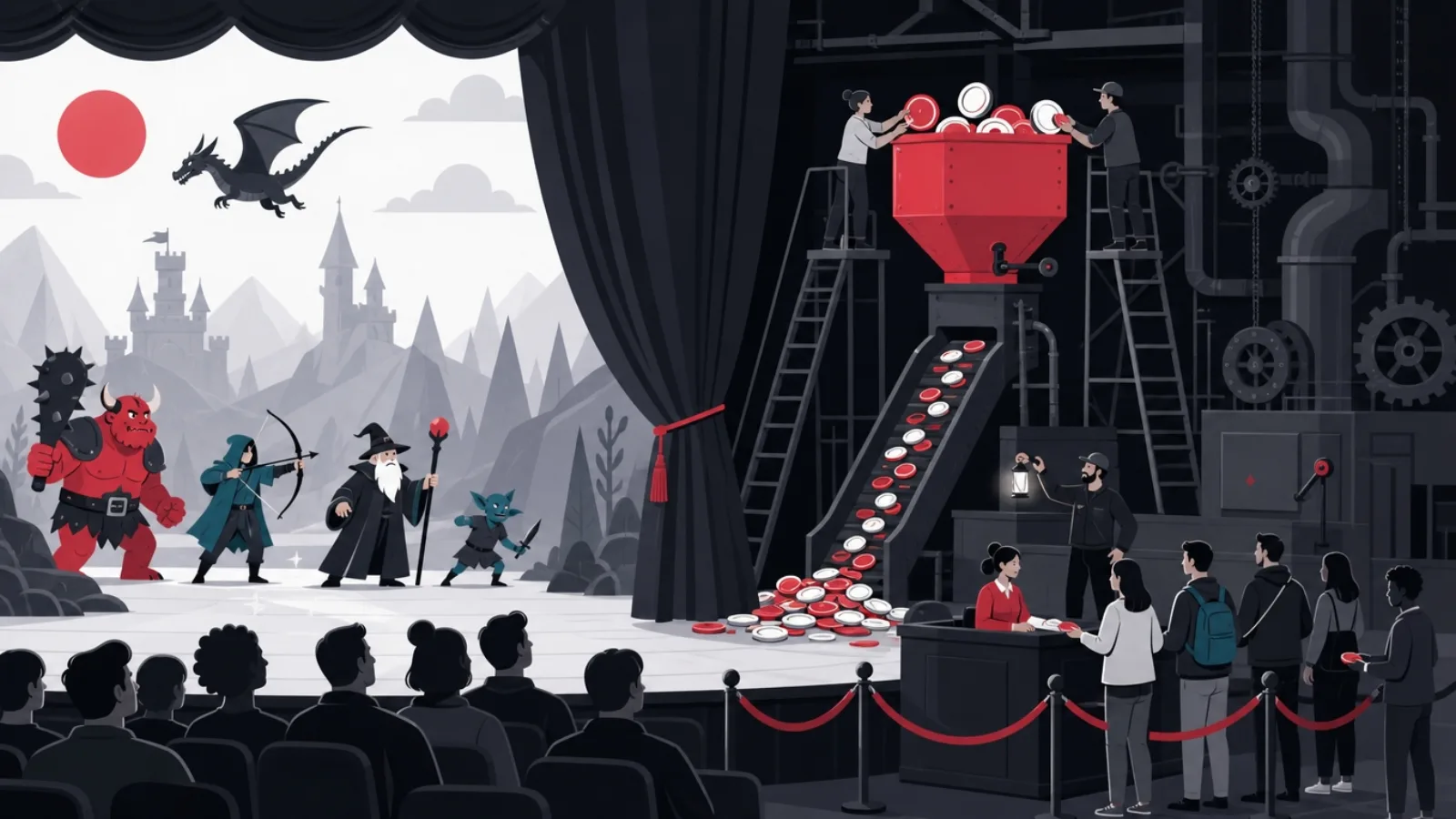
Strip the slogans and a play to earn game is a game whose rewards are tradable outside it. That single property, tradability, is the entire difference from every game economy before it. World of Warcraft gold and FIFA coins are earned in play, but the publisher bans their sale, so their value stays notional. A P2E token or NFT has a market price, a liquid exit, and therefore a real exchange rate against rent and groceries.
Tradability changes player behavior at the root. In a closed economy, players optimize for enjoyment; in an open one, a meaningful fraction optimizes for extraction, because extraction pays. The Axie Infinity era made this vivid: scholarship guilds in Manila ran spreadsheets of daily quotas, players ground matches like shift workers, and the game became a job with a login screen. None of that was a misuse of the design. It was the design, experienced honestly.
The second structural fact follows from the first: every P2E game runs a monetary system, whether staffed or not. Rewards are emissions. Breeding fees, upgrade costs and marketplace taxes are sinks. The ratio between them, across the whole player base, is the inflation rate of the in-game currency, and the token chart is just that ratio made public. A studio that ships tradable rewards without someone owning this arithmetic has hired a central bank and left the governor's chair empty.
It helps to name the three assets most P2E designs juggle. A governance or premium token, scarce, listed, the speculative flagship. A reward token, minted freely by play, the workhorse and the usual point of failure. And NFTs, the characters, land or items that gate participation and carry entry cost. The first generation's canonical failure lived in the second asset: reward tokens with unlimited supply and one dominant use, being sold.
The P2E vocabulary, defined by what each term commits you to
- Emission
- Any mechanic that mints reward tokens into player hands. Daily quests, win rewards, staking yield. The source side of the economy.
- Sink
- Any mechanic that removes tokens from circulation: breeding fees, upgrades, repairs, marketplace burn. The demand side, and the side designers underbuild.
- Scholarship
- Lending NFT assets to a player who cannot afford entry, for a revenue share. Scaled by guilds into a labor market during the boom.
- Token velocity
- How fast earned tokens are sold rather than held or spent. High velocity means your reward token is a paycheck, not a currency.
- Ponzinomics
- The pejorative for economies where existing players' earnings are funded by new players' buy-ins rather than by outside revenue. The chart looks fine until growth slows.
The arithmetic that made the collapse inevitable
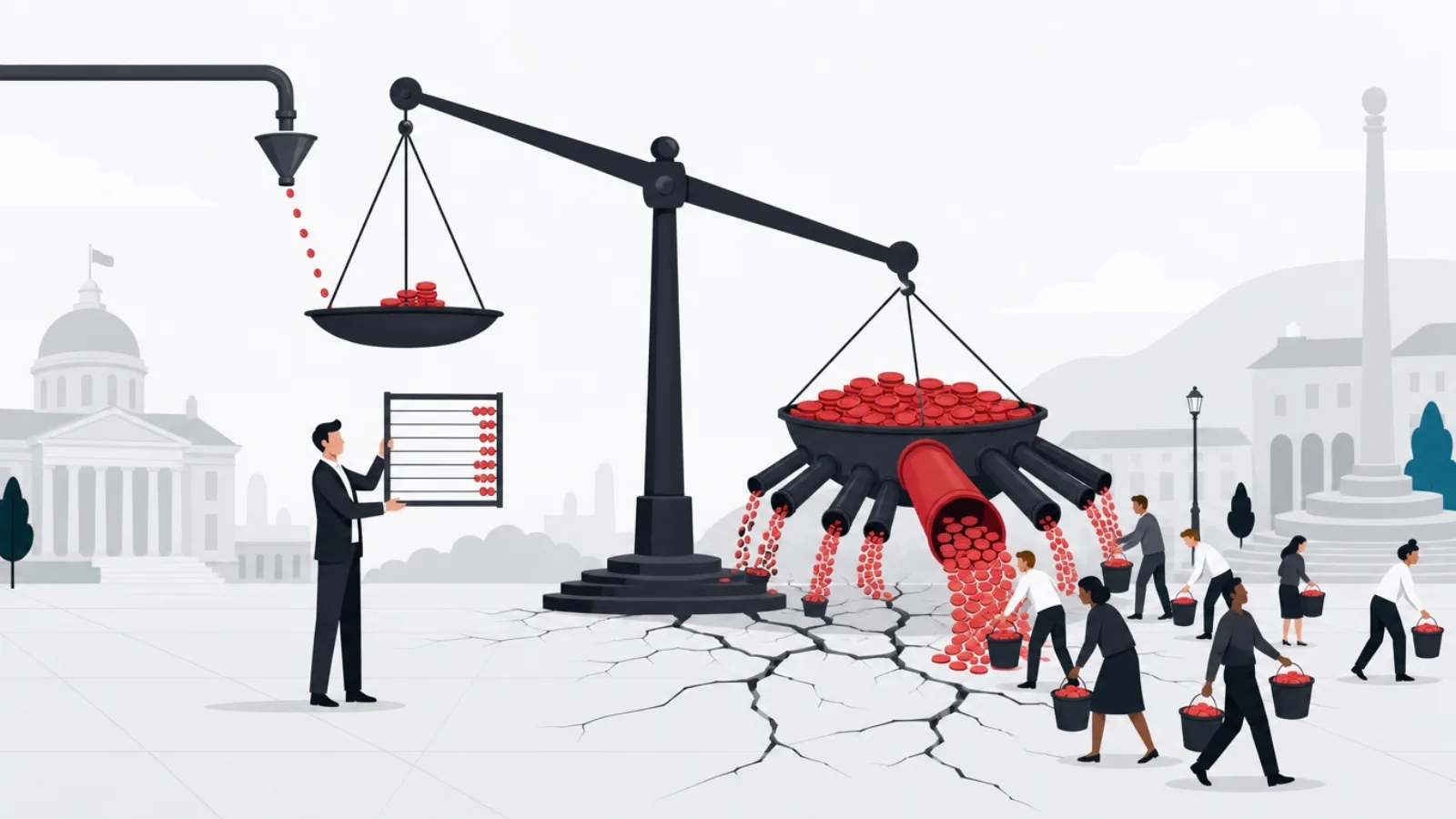
The first P2E generation did not fail because crypto prices fell, although that removed the tide that hid the problem. It failed on a solvency identity that was visible from the start: player earnings must be funded by something, and the only candidates are new player buy-ins, outside revenue, or token inflation. The flagship economies chose the first and third, because both scale instantly and neither requires the game to be good.
Walk the loop as the boom-era designs built it. A new player buys NFTs to enter, which pays earlier players and the treasury. Play mints reward tokens daily. The dominant sink, breeding new NFTs, only consumes tokens if new players keep arriving to buy what breeding produces. So the entire demand side of the economy was a derivative of player growth. When growth slowed, breeding stopped paying, the sink died, emissions continued, and the token had exactly one direction available.
The numbers made the endgame fast. Reward emissions scaled linearly with active players, but the players recruited at the top were precisely the extraction-motivated ones, highest velocity, lowest attachment. Earnings denominated in dollars fell, which removed the only reason those players had come, which accelerated the exit. The flagship reward token of the era fell by more than ninety-nine percent from its peak, and the pattern repeated across the category with different logos and identical arithmetic.
The uncomfortable summary is that the collapse was a design outcome, not a market accident. An economy whose income statement depends on recruitment is a pyramid whatever its intentions, and several were built by teams who understood this and shipped anyway, because the boom rewarded shipping. The lesson for a builder is not that tokens are poison; it is that an open economy obeys accounting, and accounting does not care about the roadmap.
What survived: the designs that came out of the wreckage
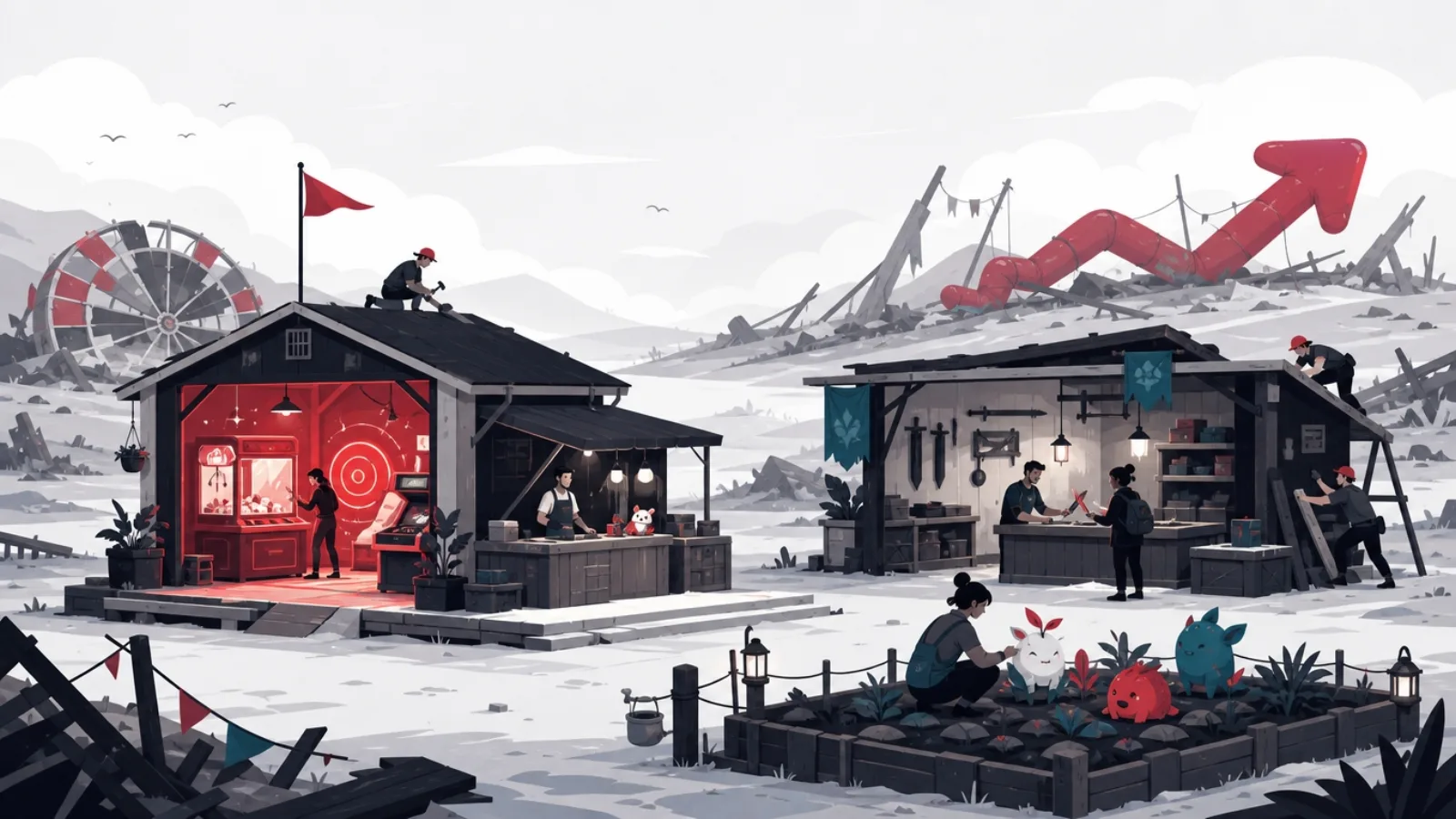
The category did not die; it shed its business model. What survived and quietly grew afterward shares one inversion: the game is funded like a game, by players who enjoy it enough to spend, and the chain adds ownership rather than income. The industry phrase became play and earn, or more honestly, play and own, and the distinction is not cosmetic. Income promises recruit extractors; ownership features reward fans.
The surviving designs cluster into recognizable shapes. Skill-based wagering, where players stake entry fees into a prize pool and the operator takes a rake: solvent by construction, because winners are paid by losers rather than by inflation, at the price of strict skill-versus-chance compliance work. Asset-ownership games, where items and land are NFTs players genuinely control, but daily rewards are either absent or deliberately small. And seasonal economies, which reset or decay balances on a schedule, accepting a smaller promise in exchange for one that can be kept indefinitely.
Distribution also moved. The second wave found players not through token listings but through channels where a game is one tap away, and the largest of those was messaging: lightweight titles inside Telegram onboarded tens of millions of users with embedded wallets they never had to think about. The pattern generalizes beyond that platform: the winning onboarding hides the chain entirely until a player has a reason to care, which most never will, and that has to be acceptable to the design.
The honest market sizing for a builder today is narrower and healthier than the boom suggested. The audience that wants to earn from games at any cost is small, mercenary and gone at the first better yield. The audience that wants good games, and will tolerate or even enjoy ownership mechanics that respect them, is the actual games market. Build for the second and let the first find you; the reverse ordering has a public track record.
Economy design: what the survivors do differently
Do this
- Fund rewards from revenuePrize pools from entry fees, earnings from marketplace rake, cosmetics revenue. Money in before money out.
- Make the game free-standingThe zero-earnings version must still be worth playing. Ownership is a layer, not the reason to log in.
- Design sinks firstEvery emission ships with a matching reason to spend. Upgrades, crafting, repairs, seasons. Sinks are content.
- Hide the chain at onboardingEmbedded wallets, gasless transactions, email login. The player meets the blockchain only when they choose to.
Not this
- Advertise incomeAn earnings pitch recruits the players with the highest sell pressure and the lowest loyalty, then owes them a yield forever.
- Let breeding be the only sinkA sink that mints more supply is a source wearing a costume. It consumes tokens only while growth lasts.
- Peg rewards to a token priceFixed dollar-value rewards mean emissions explode as the token falls, which is the death spiral with extra steps.
- Ship the economy unstaffedAn open economy needs a named owner watching emissions, velocity and sinks weekly, with levers they can actually pull.
Designing the economy: sinks, sources and the levers you keep
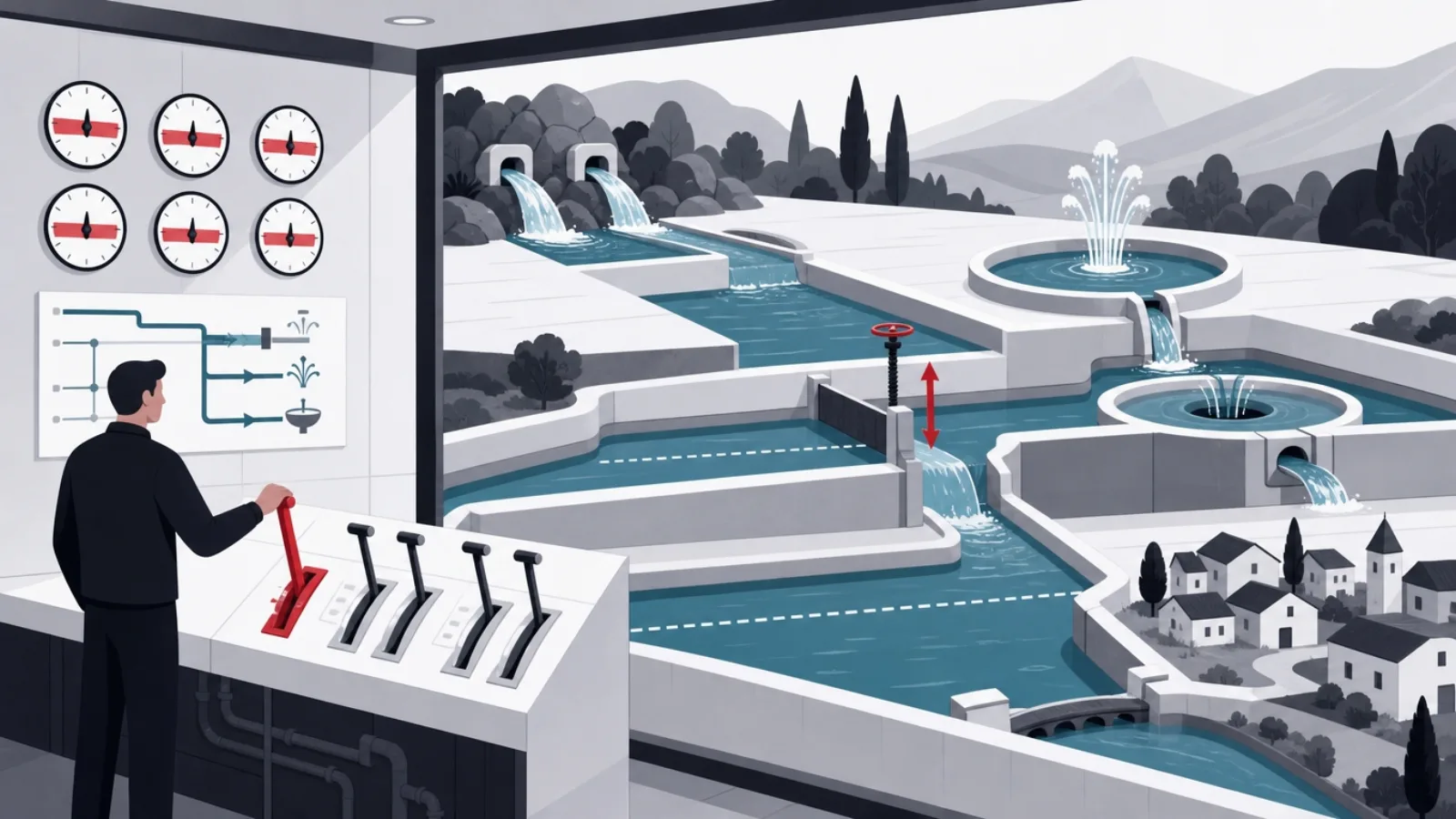
If the project survives the solvency test, economy design becomes the core discipline, and it rewards the mindset of a cautious central banker more than a growth marketer. Start from flows, not features: list every mechanic that mints value into player hands and every mechanic that removes it, then model both across a cohort's lifetime at pessimistic retention. The model does not need to be clever; it needs to exist before the token does, because every parameter is easy to change in a spreadsheet and a governance crisis to change in production.
Build the sink side as content, not as friction. The sinks that work are the ones players want to spend into: crafting systems that consume materials, upgrades that matter in play, seasonal cosmetics, tournament entries, name changes, guild infrastructure. Sinks bolted on as pure taxation, repair fees with no gameplay meaning, teach players the economy is against them, and they respond by selling faster. The design target is a player who earns and then chooses to spend where they earned, because spending is the fun part.
Keep monetary levers, and disclose them. Emission schedules that decay over time, reward pools that split a fixed budget among however many players show up rather than paying a fixed amount per head, burn mechanics tied to marketplace volume. The fixed-budget pattern deserves special attention because it removes the deadliest failure mode: emissions that scale with the player count while demand does not. Disclosure matters as much as the lever itself; a community that discovers a quiet nerf trusts nothing afterward, and trust is the only peg an in-game currency has.
Finally, instrument the economy like a product. Daily emissions and burns, token velocity, marketplace depth, the ratio of earners to spenders, concentration of holdings across wallets. These are the vital signs, and every one of them moves weeks before the price chart does. The boom-era post-mortems all contain the same sentence in different words: the dashboard knew before the market did, and nobody owned the dashboard.
Sources and sinks: the balance sheet of a game economy
| Mechanic | Side | The review question |
|---|---|---|
| Quest and win rewards | Source | Does the budget scale with players, or is it fixed and split? |
| Staking yield | Source | What outside revenue funds the yield after the incentives budget ends? |
| Crafting and upgrades | Sink | Would a player spend here if the token had no market price? |
| Marketplace fees and burns | Sink | Is volume organic, or a wash-trading artifact of the rewards? |
| Tournament entries | Both | Are prizes funded by entries and sponsors, or by inflation? |
| Cosmetics and seasons | Sink | Is this content players want, or taxation wearing a hat? |
Every source needs a matching sink a player actually wants. The third column is the question to ask in the design review.
The build: chain choice, custody and the marketplace
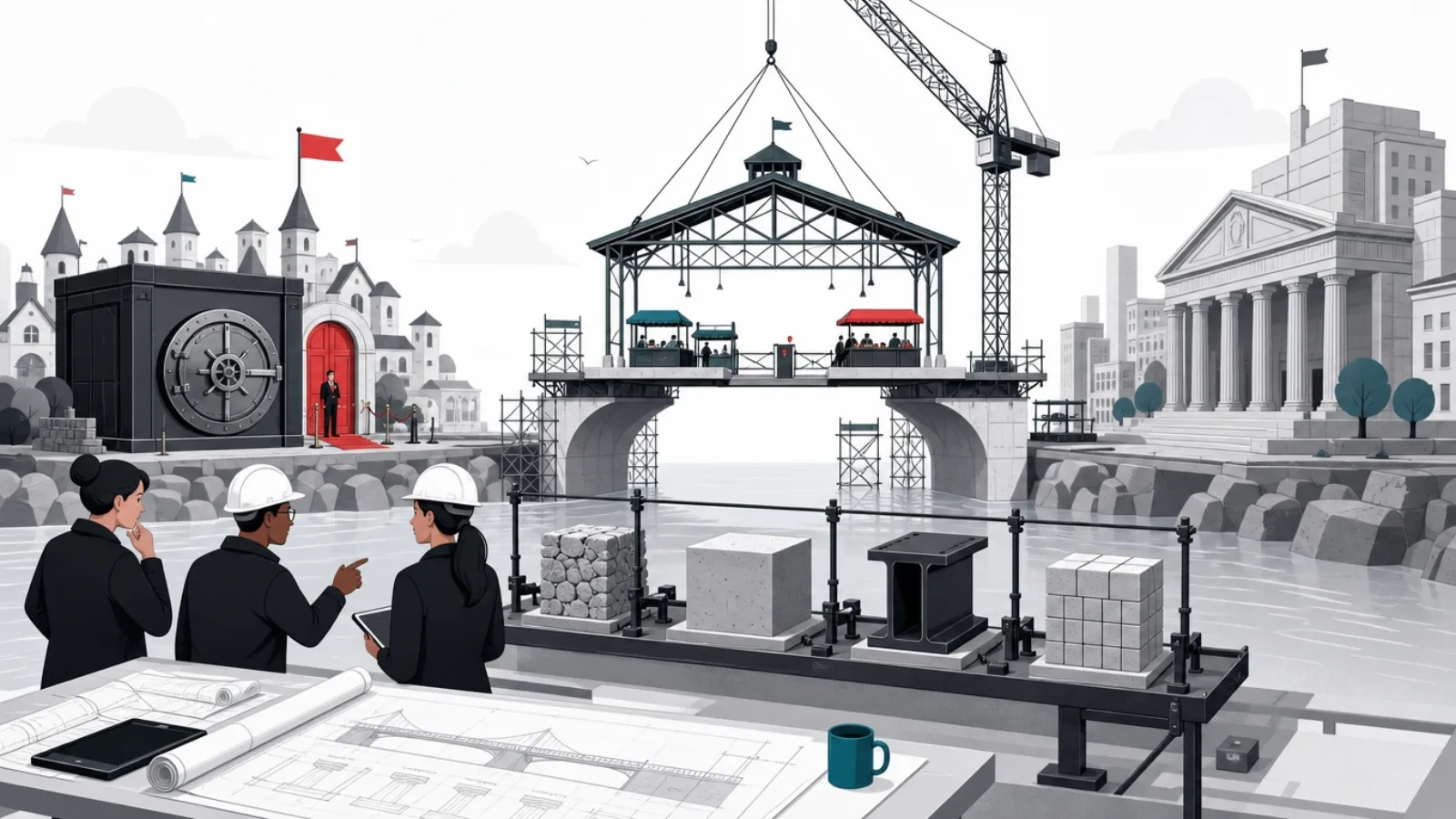
The technology decisions are real but secondary, and the order matters: economy design constrains the stack, not the reverse. That said, three choices shape most of the engineering budget. The first is where transactions live. Fully on-chain games remain a research hobby; every shipped success keeps gameplay on ordinary servers and settles ownership and trades on-chain. The design question is the boundary: which events are worth the cost and latency of consensus, usually minting, trading and withdrawal, and which stay in the game database, usually everything else.
The second is custody, and it decides your audience. Self-custody wallets respect the crypto ethos and cap your market at people who already have one. Embedded wallets, created invisibly at signup, keys managed by infrastructure providers, gas sponsored by you, open the game to everyone with an email address, at the price of key-management infrastructure and a harder conversation with purists. The second wave's onboarding numbers settled this argument for any team that wants players in volume: the chain should be invisible until the player asks for it.
Chain choice itself is more commodity than it was, and the honest criteria are unglamorous: transaction cost at your expected volume, wallet and marketplace infrastructure maturity, the audience already present there, and bridge risk if assets must move. Gaming-focused chains and low-fee general chains both work; what does not work is choosing for the grant money alone and inheriting an ecosystem with no players. Treat a chain grant as a discount, never as a strategy.
The marketplace is the piece teams underscope. If players own assets, they will trade them, and whoever hosts that trade controls the fee, the user experience and the fraud surface. Relying entirely on external marketplaces saves a quarter of engineering and donates your economy's data and take rate to a third party. Most serious projects land on both: a native marketplace for the core loop with a rake that funds rewards, plus open compatibility so ownership stays honest. Budget for royalties enforcement being weak; design the business as if secondary royalties are a bonus, not a pillar.
The stack decisions to settle before the first sprint
- The on-chain boundaryWhich events settle on-chain (mint, trade, withdraw) and which stay server-side (everything else). Write the list; it is the architecture.
- Custody modelEmbedded wallets with sponsored gas for the mass market, self-custody export for the minority who ask. Decide before signup flows are built.
- Chain and infrastructureFees at your volume, wallet tooling, marketplace liquidity, audience. A grant is a discount, not a reason.
- Marketplace ownershipNative market with a rake that funds rewards, plus open compatibility. The rake is part of the economy model, not an afterthought.
- Withdrawal frictionCash-out paths, limits and timing shape both the economy and the compliance posture. Design them with the lawyers in the room.
The compliance layer: securities, gambling and the marketing file

Regulation is where P2E projects acquire their most expensive surprises, and the surprises are mostly self-inflicted, because the risky classifications attach to design choices the team controls. The first exposure is securities law. A token sold or promised with the expectation of profit from the team's efforts walks into the oldest test in the book, and boom-era marketing, roadmaps promising price-relevant features, earnings screenshots, staking yields quoted like interest rates, wrote the plaintiff's brief voluntarily. The design responses are structural: rewards for activity rather than passive yield, utility that exists at launch, and a marketing file scrubbed of income promises.
The second exposure is gambling law, and it reaches more mechanics than teams expect. Paid loot boxes with randomized tradable rewards are the canonical case, because paying for a chance at something valuable is the actual definition several regulators use. Skill-based wagering lives on the other side of a line whose position varies by jurisdiction: chess for entry fees is legal most places, coin-flip tournaments are not, and the gray zone between is a per-market legal analysis, not a vibe. If randomized rewards matter to the design, decoupling them from direct payment, earned keys, transparent odds, no cash purchase of chances, is the standard mitigation.
The third layer is the money itself. The moment players can cash out, the project touches anti-money-laundering obligations somewhere in the flow, either directly or through the exchanges and ramps it integrates. Practical consequences: identity checks above thresholds, geoblocking of sanctioned and restricted markets, and records that survive an audit. Teams that route all cash-out through regulated partners inherit most of this machinery; teams that build their own ramps inherit the obligations.
None of this argues for fear; it argues for sequencing. The classifications depend on reward schedules, cash-out paths, randomness mechanics and marketing language, all of which cost nothing to adjust at the design stage and a great deal to adjust after launch under regulatory attention. The projects that navigated this well share one habit: counsel reviewed the economy design document, not just the terms of service, and marketing claims went through the same review as the smart contracts.
The compliance sequence that avoids the expensive version
-
Classify the assets on paperDesign stage
Each token and NFT gets a written analysis: securities exposure, gambling exposure, e-money exposure, per target market.
-
Shape the mechanics to the analysisBefore build
Activity rewards over passive yield, odds transparency, no paid chances at tradable prizes where that crosses a line.
-
Route money through regulated railsIntegration
Cash-out via exchanges and ramps that carry the KYC and AML machinery. Geoblock what the analysis says to block.
-
Put marketing under the same reviewOngoing
No income promises, no yield language, no earnings screenshots. The marketing file is evidence; write it like evidence.
Should you build one, and in what shape
The decision to build deserves the same cold arithmetic the collapse taught. Start from the game: is there a design here that people would play at zero earnings? If not, the token is being asked to carry the product, which is the boom-era shape with fresh paint. If yes, the next question is what ownership genuinely adds for the player: tradable progress, real stakes in competition, a collection that outlives the servers, and whether that addition justifies the engineering, compliance and support cost it drags in. For many good games, the honest answer is no, and skipping the chain is the right build.
If ownership earns its place, choose the economic shape deliberately from the survivors' menu. A skill-wagering core, solvent by construction, compliance-heavy, best where the game is genuinely skill-determined. A play-and-own layer, cosmetics, items, land, with no earnings promise, closest to a traditional games business and lightest on regulatory surface. Or a seasonal competitive economy with fixed, revenue-funded prize pools, which keeps an earning hook without writing checks against future recruitment. What is no longer on the menu, anywhere serious, is the emissions-funded salary game.
Staff it like what it is: a game studio plus a small financial institution. The game side needs what games always need. The financial side needs an economy owner with real modeling ability, smart contract engineering with an audit budget, and counsel who reads mechanics rather than just contracts. Teams routinely get the ratio wrong in both directions, blockchain engineers designing gameplay, or game designers setting monetary policy, and the failure modes of each are visible across the boom's graveyard.
The build itself follows the discipline of any serious product: a closed economy prototype first, playtested until the game is fun with valueless points; then the economy model stress-tested against pessimistic cohorts; then a limited-region launch with the dashboard watched like a heart monitor; then scale. Every stage is cheaper than the one after it, and the entire history of the category is teams discovering that ordering too late. If you want the honest version of what the underlying rails are good for beyond gaming, the survey in the best web3 apps in production is the companion read.
The shape to build, routed by what your game actually has
What does the game bring before any token exists?
-
No proven fun at zero earnings
Do not attach an economy
A token asked to carry a weak game is the boom-era design. Fix the game or ship without a chain.
-
Genuinely skill-determined competition
Skill wagering with raked prize pools
Solvent by construction: winners paid by entries, operator paid by rake. Budget for per-market compliance.
-
Strong collection and identity appeal
Play and own, no earnings promise
Cosmetics, items and land as true assets. Closest to a normal games business, lightest regulatory surface.
-
Esports-shaped community forming
Seasonal prizes from fixed revenue pools
An earning hook that scales with revenue rather than recruitment. Disclose the budget and keep it fixed.
Four honest situations and the economic shape each one supports.
Frequently asked questions
What is a play to earn game?
A game whose rewards, tokens or NFTs, are tradable on open markets, so in-game earnings have a real exchange rate. That single property turns the game economy into a monetary system: rewards are emissions, spending mechanics are sinks, and the token price reflects the balance between them. The first P2E generation paid earnings from new player buy-ins and inflation, which collapsed when growth slowed; surviving designs fund rewards from revenue and lead with gameplay rather than income.
Why did play to earn games collapse?
Arithmetic. Reward emissions scaled with the player base while token demand depended on new players arriving, so every major boom-era economy was solvent only while it grew. When growth stalled, the dominant sinks, mostly breeding assets for the next entrant, stopped paying, emissions continued, and prices fell until the earnings pitch died. The pattern repeated across the category because the design was shared, not because one team executed badly.
Are play to earn games dead?
The salary-game model is dead; the category reorganized around designs that can stay solvent. Skill-based wagering funds winners from entry fees. Play-and-own games sell items and cosmetics as true assets without promising income. Seasonal competitive economies pay fixed, revenue-funded prize pools. Distribution also moved toward frictionless channels, most visibly lightweight titles inside messaging apps with embedded wallets, where the chain is invisible at onboarding.
How do sustainable P2E economies fund rewards?
From revenue that exists independent of recruitment: marketplace rake on genuine trading volume, tournament entry fees recycled into prize pools, cosmetics and convenience purchases from players who enjoy the game, and sponsorships. The structural test is simple: if signups stopped today, tomorrow's rewards must still have a funding source. Fixed reward budgets split among participants, rather than per-head payouts that scale with the player count, keep emissions from outrunning that funding.
What are the legal risks of building a play to earn game?
Three main surfaces. Securities exposure, if tokens are sold or marketed with profit expectations from the team's efforts; the mitigations are activity-based rewards, launch-day utility and marketing scrubbed of income language. Gambling exposure, chiefly paid randomized rewards with tradable value and cash-entry games of chance; mitigations include decoupling randomness from payment and per-market skill analysis. And money-transmission obligations around cash-out, usually inherited from regulated exchange and ramp partners, with KYC thresholds and geoblocking where required.
How much does it cost to build a play to earn game?
Plan for a normal game budget plus roughly half again for the chain-specific layers. The game itself, clients, servers, content, remains the largest line. On top of it sit embedded wallet and custody infrastructure, smart contracts with a real audit budget, a native marketplace, economy modeling and dashboards, and compliance work that varies by market. Teams that budget only for contracts on top of a game discover the wallet, marketplace and compliance thirds in production, which is the expensive place to discover them.
If you are building in or around this category after reading the post-mortem, AgileTech is a top software house in Vietnam that designs the loop to be worth playing before any token enters it.
Source: https://agiletech.vn/blog/play-to-earn-games/ · (c) AgileTech Vietnam. Printed from agiletech.vn.