 Nguyen Manh Thang
Chief Executive Officer, AgileTech Vietnam
Nguyen Manh Thang
Chief Executive Officer, AgileTech Vietnam
- Published
- Last updated
- Read time
- 12 min
- Views
- 365

Read the AI overview
The best Telegram games run as Mini Apps, lightweight web games that open inside a chat with no download and no separate login, and the honest picture of the catalog has three tiers. Genuinely fun games, casual puzzle, arcade and strategy titles plus play-against-friends classics, work because the messenger removes every install barrier. Crypto-earning games on the TON blockchain, the tap-to-earn wave led by Notcoin and Hamster Kombat, drew hundreds of millions of players in 2024 and then lost the overwhelming majority of them when token rewards disappointed. And social bot games, quizzes and word games played directly in group chats, remain the platform's quiet, durable strength. Play the first and third tiers for fun; treat the second as entertainment with a lottery ticket attached, never as income.
In 2024, the biggest gaming platform story was not a console or a store. It was a messenger. Telegram games, running as Mini Apps inside chats, onboarded players at a pace nothing in mobile history had matched: Hamster Kombat alone claimed hundreds of millions of registered players within months, and for a season, screenshots of tapping hamsters were unavoidable. Then the tokens launched, the payouts landed far below fantasy, and the crowd left as fast as it arrived.
Both halves of that story are true, and most coverage picks only one. The hype half: Telegram genuinely is a remarkable place to play casual games, because a game that opens in two seconds from a group chat with no install and no signup spreads the way memes do. The hangover half: the earn layer that fueled the boom mostly did not pay, and a catalog optimized for token farming is not a catalog optimized for fun.
This guide covers the whole picture for both audiences it attracts. For players: how Telegram games actually work, which ones are genuinely worth playing across casual, social and crypto tiers, what the earning mechanics really pay, and the safety rules that matter in a space with real scams. For builders: why the distribution channel remains interesting after the hype, and what the tap-to-earn collapse teaches about retention. It pairs with our WhatsApp alternatives comparison, where Telegram's platform ambitions are half the story, and our plain-language Web3 explainer for the blockchain layer underneath the earning games.
Key takeaways
- Telegram games are not apps you install: Mini Apps are web games that launch inside a chat in about two seconds, which is why casual games spread through groups faster here than through any app store.
- The tap-to-earn era was a distribution miracle and a retention disaster: Notcoin and Hamster Kombat onboarded hundreds of millions of players, and the category lost most of them within weeks of each token launch.
- The games worth your time sort by motive: play casual and social titles because they are fun, and treat any earn mechanic as a small, taxable maybe rather than a reason to grind.
- The crypto layer is optional by design: every earning game runs fine without a wallet until the moment you want to withdraw, so you can evaluate the game as a game before touching TON.
- The safety rules are short and non-negotiable: never pay to unlock earnings, never enter a seed phrase inside a game, and assume any guaranteed-income pitch is a scam wearing a game skin.
- For builders, the channel survived the hype: two-second onboarding, chat-native virality and a payments rail make Telegram a legitimate casual-game distribution play, provided the game would be fun with the token removed.
How games run inside a messenger
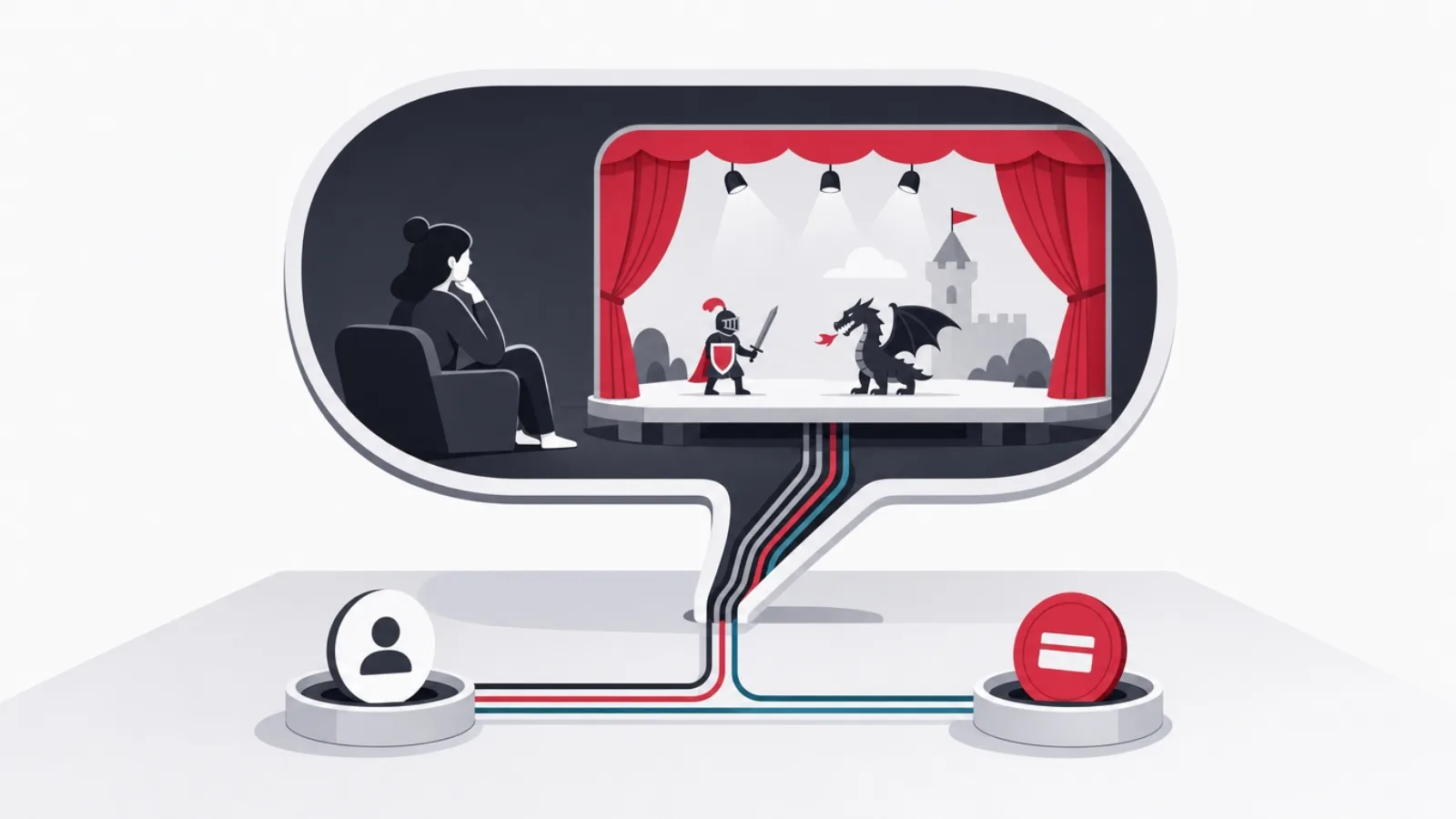
Telegram games are Mini Apps: web applications built with ordinary browser technology that Telegram renders inside the chat interface. Tap a link in a group, a bot message or the app's search, and the game opens in about two seconds, already knowing who you are because your Telegram identity carries over. There is no app store page, no download, no account creation, no email verification. That missing friction is the entire platform thesis, and it is why games spread through Telegram groups the way links spread anywhere else.
The lineage matters for understanding the catalog. Telegram has had a lightweight HTML5 gaming layer since 2016, simple arcade games launched by bots, but the modern era began in 2023 when Mini Apps became a full application platform with payments, cloud storage and deep chat integration. The catalog exploded in 2024, and discovery today runs through group shares, bot directories, and the app's own catalog surfaces rather than through anything resembling store charts.
Because Mini Apps are web games, the honest technical ceiling sits below native mobile titles. You will find polished casual, puzzle, arcade, idle and strategy games, and increasingly capable midcore titles, but nothing that competes with console-grade rendering. The platform's strengths run the other way: instant sessions, chat-native multiplayer where challenging a friend is one message, and group dynamics, leaderboards, clan mechanics, referral trees, that games on other platforms spend fortunes trying to bolt on.
The second thing to understand is the money rail underneath. Telegram's payment currency, Stars, handles in-game purchases, and the TON blockchain, a network Telegram has strategically partnered with, handles the crypto layer: tokens, NFT items and withdrawals for the earning games. A player who never wants to touch crypto can ignore TON entirely and play everything for fun. A player chasing the earn mechanics will eventually meet a wallet. Keeping those two modes distinct is the single most useful frame for the rest of this guide.
The four words that unlock the ecosystem
- Mini App
- A web application running inside Telegram's interface with your Telegram identity attached. Every modern Telegram game is one. No install, no signup, roughly two seconds from tap to play.
- TON
- The Open Network, the blockchain Telegram partners with. Token rewards, tradable items and withdrawals in earning games settle here. Entirely optional for players who just want games.
- Tap-to-earn
- The 2024 genre: tap the screen, accumulate points, hope the points convert to tokens at a future listing. Distribution phenomenon, retention catastrophe.
- Stars
- Telegram's in-app payment currency for digital goods, including in-game purchases in Mini App games. The non-crypto money rail of the platform.
The tap-to-earn story: the boom, the numbers, the hangover

The genre had a genuine proof of concept. Notcoin began in 2023 as a deliberately absurd experiment, tap a coin, number goes up, and did something no tap game had done before: it actually paid. At its 2024 token launch, accumulated taps converted to NOT tokens at a rate that made early, dedicated players real money, briefly a few thousand dollars for the most committed. Tens of millions played. The lesson the market took, correctly for exactly one cycle, was that tapping in Telegram could be worth something.
Hamster Kombat industrialized the formula. Playing as a hamster CEO of a fictional crypto exchange, players tapped, bought upgrade cards and recruited friends through referral trees, and the game claimed on the order of three hundred million registered players by mid-2024, growth that made it, on paper, one of the fastest-growing consumer products ever. The airdrop that followed in September 2024 distributed tokens to tens of millions of eligible players, and for the median player the payout was a handful of dollars for months of daily tapping. The gap between that number and the fantasy was the sound of the genre breaking.
The retention data after token launches became the industry's cautionary tale: the large tap-to-earn titles lost the overwhelming majority of their active players within weeks of paying out, with the harshest published drop-offs above ninety percent. The mechanism is not mysterious. When the game is a job application for an airdrop, the airdrop is the exit event; there was never a game underneath to stay for. Later entrants in the genre paid less, listed lower, and churned faster, because each cycle had fewer greater fools than the last.
The fair postmortem keeps both truths. As distribution, tap-to-earn was a historic demonstration: chat-native referrals plus zero-friction onboarding produced growth curves app stores have never seen. As gaming, it was hollow, and the players knew it, which is why they left the moment the paycheck cleared. The catalog that survives in 2026 is built on that lesson: the earning layer, where it persists, is bolted onto games trying to be actual games, and the purely extractive tappers have mostly faded into low-effort clones.
The boom and the bust, in three numbers
Tier one: games that are genuinely fun

The most durable games on the platform are the ones that would survive with every token removed, and the casual catalog is where Telegram's two-second onboarding shines brightest. Puzzle and match titles, endless runners and arcade survivors, 2048 variants and merge games fill the catalog's top surfaces, and their quality bar has risen steadily as studios treat Mini Apps as a real target rather than a hackathon demo. The session shape fits the venue: you are already in Telegram between messages, and a run takes ninety seconds.
Social games in group chats are the platform's oldest and most defensible genre. Quiz and trivia bots that post questions into a group and keep score, word games, chess and checkers against a friend via inline messages, and party-style games built for group play turn a chat that already exists into a game lobby. No other platform makes challenging a specific friend this cheap: one message, no install on either side. If you play one thing from this guide with people you know, make it this tier.
Strategy and midcore titles are the catalog's growth edge. City builders, idle empires, card battlers and increasingly ambitious multiplayer strategy games run comfortably in the web stack, and several of the stronger 2024-era hybrid titles paired real progression systems with optional TON item ownership rather than tap-farming. The pattern worth noticing: the games in this band that retained players did so through ordinary game-design virtues, progression, competition, clan play, with the crypto layer as seasoning rather than the meal.
Discovery is honest work on Telegram, and a short method beats any static list in a catalog that churns weekly. Check the catalog surfaces and community directories for what is currently ranked, prefer titles whose reviews talk about gameplay rather than earnings, and test anything a friend sends, since the cost of trying is two seconds. A reasonable current starting basket: one match or merge puzzle, one arcade survivor, one group trivia bot for your most active chat, and one idle strategy title, which together cover the platform's genuine strengths without touching a wallet.
A five-minute quality screen for any Telegram game
- Fun at zero payoutImagine every token removed. Would you play tomorrow? If not, it is a farm, not a game, and farms pay badly now.
- Gameplay-first reviews and chatterCommunities that discuss strategies and builds signal a game. Communities that only discuss listing dates signal an exit event.
- No pay-to-withdraw mechanicsAny game that asks for money before releasing earnings is running the oldest scam structure in the space. Close it.
- Sane permissionsA game needs your Telegram identity, nothing more. Wallet connection should be optional and withdrawal-time only.
- A live, moderated communityActive official channels with responsive admins correlate with games that intend to exist next quarter.
Tier two: the crypto games, evaluated with cold eyes

The earning catalog in 2026 sorts into three families, in descending order of respectability. First, games with real gameplay plus token economies: strategy, battler and casual titles where TON tokens or tradable items sit on top of progression that would function without them; these are evaluated like any game, with the token as upside. Second, the surviving tap-and-task apps, which now resemble loyalty programs, daily check-ins, ad views, quest lists, paying small, steady, unglamorous amounts. Third, the clone tide: reskinned tappers with anonymous teams and guaranteed-earnings marketing, which exist to harvest attention and occasionally worse, and which the safety section treats as hostile by default.
The economics of "play to earn" deserve one honest paragraph. Token rewards are marketing budget: a project distributes tokens to bootstrap a player base, hoping engagement gives the token a market. The player's realistic outcomes follow from that structure. Early participants in a project that later succeeds can do well; the median participant in the median project earns single-digit dollars for many hours; and late participants in clone projects earn effectively nothing. Every published payout cycle since Notcoin has slid down that curve. Grinding Telegram games as income is a worse hourly rate than almost anything else a phone can do.
For players who still want the earn layer with eyes open, the mechanics are simple. Winnings accrue inside the game; withdrawal requires a TON wallet, either the one integrated into Telegram or an external one, and moving tokens out involves small network fees and, in most jurisdictions, taxable income the moment rewards have market value. The operational rules: use the integrated wallet for small balances, withdraw rather than accumulate inside games you do not trust, and never fund a wallet with money you would mind losing, because game tokens are among the most volatile assets crypto produces.
The builder's read on this tier, since a fair share of readers arriving here are evaluating the platform commercially: the earn mechanic is a user-acquisition tool with a measurable half-life, not a retention strategy. The 2024 cohort proved you can rent three hundred million registrations with token promises and keep almost none of them. The projects still standing paired the acquisition spike with actual game loops, and any team planning a Telegram title in 2026 should design the game to survive the token going to zero, because on current evidence, it probably will.
Safety: the short list that actually protects you
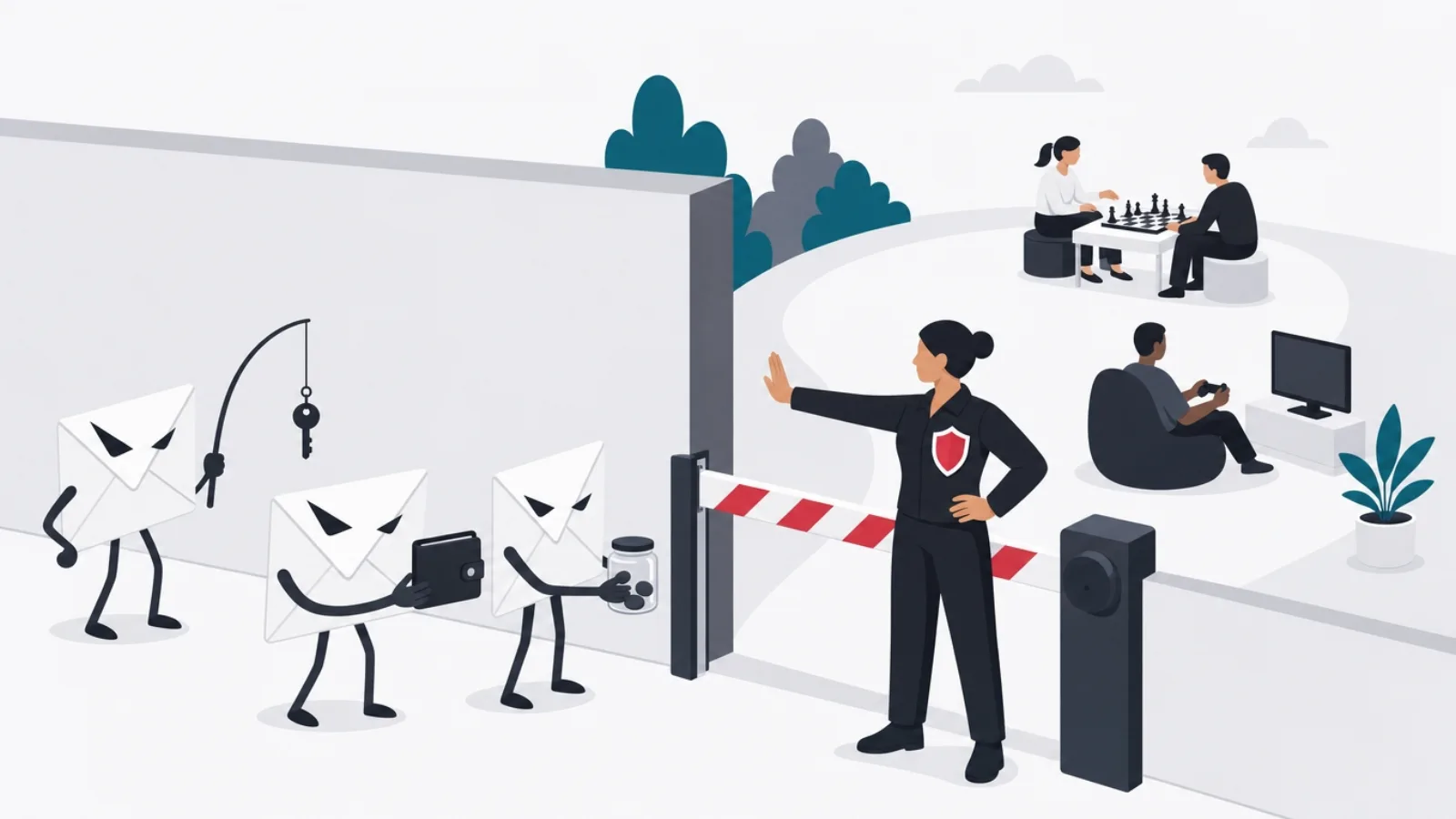
The ecosystem's scam surface is real and worth naming plainly, because the overlap of instant onboarding, anonymous teams and crypto rewards is an attacker's dream. The dominant patterns: fake versions of popular games that phish credentials or wallet access, pay-to-unlock-your-earnings schemes, fake airdrop announcements that lead to wallet-draining approval prompts, and "support agents" who slide into your messages after you post a question in a game's community. None of these are sophisticated. All of them work at volume.
Three rules eliminate most of the risk. First: never enter a seed phrase anywhere inside a game or a chat, ever; no legitimate game, wallet support flow or airdrop needs it, and anyone asking is stealing from you. Second: never pay to withdraw; legitimate games take their cut from the economy, not from an unlock fee, and the fee-to-release-funds structure is a scam with a century of pedigree. Third: verify the exact bot or Mini App handle from the project's official channel before playing anything with money attached, because clone bots with one-character-off names are the platform's most common trap.
Wallet hygiene adds a second layer for anyone touching the TON side. Keep a dedicated wallet for games, funded with amounts you can lose without noticing, and keep long-term holdings elsewhere, so a malicious approval or compromised game caps its own damage. Review and revoke token approvals occasionally. And treat withdrawal-time prompts with the suspicion they deserve: the moment money exits a game is the moment fake interfaces and lookalike confirmation screens concentrate.
Two audiences deserve a specific word. Parents: these games live inside a messaging app with no meaningful age gate on the earning mechanics, and a subset of the catalog is gambling in tone if not in law, so treat Telegram gaming as something to know about rather than something to discover later. And anyone in financial stress: the guaranteed-daily-income pitches that saturate this space's advertising are aimed precisely at you, and the published payout data says the promise is false. The games can be a pleasant free entertainment layer. They are not a job, and everyone marketing them as one is selling something.
The safety rules, as a card to keep
Do this
- Verify the exact handle from official channelsOne-character-off clone bots are the most common trap on the platform. The official channel's pinned post has the real link.
- Use a dedicated, small-balance wallet for gamesCompartmentalization caps damage. Game wallets and savings wallets should never be the same address.
- Withdraw winnings from games you do not trustTokens inside a game exist at the developer's pleasure. On-chain in your wallet is the only version that is yours.
- Assume rewards are taxable incomeIn most jurisdictions, tokens with market value are income when received. Small numbers, real rules.
Not this
- Never type a seed phrase into anything game-adjacentNot in a Mini App, not to a support agent, not on a linked site. This single rule blocks the worst outcome in the space.
- Never pay to unlock or release earningsAdvance-fee fraud in a game skin. Legitimate economies never charge you to receive what you earned.
- Never trust guaranteed-income marketingThe payout data is public and brutal. Anyone promising daily earnings is recruiting for their referral tree, not your benefit.
- Never click airdrop links from DMsReal distributions are announced in official channels. Unsolicited airdrop messages are wallet-drainer delivery vehicles.
For builders: what the channel is actually worth

Strip away the token noise and the platform's commercial case is about acquisition physics. A Telegram game is playable within two seconds of a shared link, inside chats where your invite arrives with a friend's name attached, on a platform of roughly a billion users with no app-store review gate between iteration and player. For casual games, whose economics are dominated by install friction and acquisition cost, that combination is legitimately unusual, and it is why serious studios kept shipping Mini App titles after the tap-to-earn crowd left.
The monetization rails are more complete than most outsiders assume: Stars for in-app purchases with the platform taking its cut, a maturing in-Mini-App advertising market, and the TON layer for teams that want tradable items or token economies. The honest caveats run alongside. Discovery beyond your own viral loops is immature compared to app stores; the platform's policy surface, including how aggressively crypto mechanics are allowed to touch players in various jurisdictions, keeps moving; and payment-rail rules, especially around digital goods on iOS, have their own weather. Chat-native virality is the asset you are really buying; everything else is standard mobile economics.
The tap-to-earn collapse is the design brief, read correctly. Referral trees and token promises rented the largest registration numbers in consumer-app history and retained almost none of them, while the titles that kept players did it with progression, competition and clan mechanics, the boring, proven machinery of games. The rule that falls out: design the game to be worth playing at zero token value, use the chat graph for distribution, and if a token exists at all, let it be upside rather than the loop. Teams that inverted that order are the cautionary statistics in this article.
Practically, a Mini App game is a web build, which means the evaluation for a studio is less about exotic technology and more about product judgment: session shape that fits a messenger, multiplayer that exploits existing group chats, and an economy that respects the platform's rules and the player's intelligence. That mix of web engineering, game loops and payment integration is squarely the kind of product work a full-cycle development partner handles, and the platform remains, post-hype, one of the cheaper legitimate experiments in consumer distribution.
The airdrop bought us the biggest launch chart anyone had ever seen, and it bought the players nothing to stay for. The games that kept their users were just games. That is the whole lesson, and it cost the category three hundred million players to learn it.
Getting started: a sane first week
Day one costs five minutes and no money. Open Telegram's search or catalog surfaces, pick one puzzle or arcade title that looks appealing, and play it exactly as you would any free game. You are testing the platform's core promise, that a game can be two seconds away inside an app you already use, and that promise holds regardless of everything else in this article. If the session feels good between messages, the platform has earned its place; if not, nothing in the crypto tier will change that.
The second step is social, because group play is what Telegram does that your other gaming venues do not. Add one trivia or word-game bot to a group chat that is already alive, a family chat, a friend group, a team channel, and let one evening of scores happen. This is the platform's most defensible fun per minute of setup, it requires no one to install anything, and it is the feature this guide would keep if it could keep only one.
Only then, and only if curiosity persists, sample the earn layer with the frame this article has argued for: pick one earning title that passes the five-minute quality screen, play it for the game, and treat any eventual tokens as a found five-dollar bill. Set up the integrated wallet when, and only when, you have something to withdraw. Skipping this step entirely is a fully respectable choice, and the players who enjoy the platform most in 2026 are disproportionately the ones who did.
The reasonable expectations, stated once more without varnish: the fun tier is real and improving, the social tier is quietly excellent, and the earn tier pays like the marketing expense it is, occasionally generous to the early and lucky, reliably disappointing to everyone else. Telegram games are worth your time exactly insofar as the games are worth your time. That sentence would have saved the 2024 cohort a great deal of tapping.
The verdict
Telegram earned its place as a gaming platform, just not the place the 2024 headlines assigned it. It is the best venue in the world for a certain shape of game: instant, casual, social, played in the gaps of a conversation with people you already talk to. The two-second onboarding is not marketing copy, it is a structural advantage no app store can match, and the catalog built on it is genuinely worth a player's attention in 2026.
The crypto layer deserves a colder verdict, and the data supplies it. Tap-to-earn produced the fastest user growth and the fastest user collapse in consumer-app memory, paid its median participant pocket change, and left behind a scam surface that this article's safety section exists to blunt. The surviving earn-adjacent games are the ones that learned the lesson: game first, token as seasoning. Approach that tier as entertainment with a lottery ticket attached, follow the three safety rules without exception, and it can be a harmless corner of the hobby.
For builders, the honest summary is that the hype cycle tested the channel at a scale no one will pay to repeat, and the channel passed the part that matters: distribution through the chat graph works, the payment rails exist, and players will stay for games that respect them. The decision tree below routes the reader you are, player or builder, casual or crypto-curious, to the right next step. The short version for everyone: play what is fun, verify what touches money, and never tap for a living.
Your next step, routed
What brought you to Telegram games?
-
I just want good games in the app I already use
Start with one puzzle title and one arcade title from the catalog surfaces. No wallet, no tokens.
The fun tier stands on its own, and evaluating it costs two seconds per game.
-
I want something to play with friends or family
Add a trivia or word-game bot to an existing group chat tonight.
Group-chat play is the platform's most defensible strength and needs zero installs from anyone.
-
I am curious about the earning games
Pick one title that passes the quality screen, play it as a game, and set up the wallet only at withdrawal time.
The earn layer is a lottery ticket on top of entertainment. The screen filters farms and scams before they cost you.
-
I am evaluating the platform for a game or product
Prototype a Mini App around an existing group behavior, and design the loop to survive a worthless token.
The distribution physics are real and cheap to test. The 2024 cohort already paid for the retention lesson so you do not have to.
Frequently asked questions
What are the best games on Telegram?
The strongest catalog sits in three groups: casual puzzle and arcade Mini Apps, which exploit the two-second onboarding better than anything else; social games played directly in group chats, trivia bots, word games and board classics, which need no installs from anyone; and a growing band of strategy and idle titles. Because the catalog churns weekly, the durable method beats any fixed list: check the catalog surfaces, prefer games whose communities discuss gameplay rather than token listings, and try anything a friend shares, since testing costs two seconds.
Are Telegram crypto games legit?
The mainstream ones are real products, Notcoin and Hamster Kombat genuinely distributed tokens to millions of players, but legitimacy is not the same as being worth your time. Median payouts for casual players have been a handful of dollars for months of daily activity, and each successive wave of clones has paid less. The space also carries a real scam tide: fake versions of popular games, pay-to-withdraw schemes and seed-phrase phishing. Play the ones with actual gameplay, follow the safety rules, and treat earnings as a bonus, never a plan.
Can you actually make money playing Telegram games?
Occasionally, marginally, and mostly if you are early. Dedicated early Notcoin players made meaningful money at the 2024 listing; the median Hamster Kombat player received a few dollars for months of tapping; and later clones have paid effectively nothing. Rewards are marketing budget, so they flow to early participants of the few projects that succeed. As an hourly rate, grinding Telegram games is worse than almost any alternative use of a phone. Play for fun, withdraw what appears, and be suspicious of anyone marketing it as income.
What happened to Hamster Kombat?
It became the cautionary tale of the tap-to-earn era. The game claimed on the order of three hundred million registered players in 2024, one of the fastest consumer-product growth curves ever recorded, then distributed its token that September to tens of millions of eligible players at amounts that averaged out to pocket change. Active players collapsed by the large majorities the industry now cites in postmortems, because the airdrop was the exit event. The project continues, but the episode taught the whole category that rented players leave on payday.
Do I need a crypto wallet to play Telegram games?
No. Every game on the platform is playable with nothing but your Telegram account, and the entire fun tier, puzzles, arcade, group trivia, strategy, never touches crypto at all. A wallet only becomes relevant at one moment: withdrawing token rewards from an earning game. When that moment comes, the wallet integrated into Telegram covers small balances with the least setup, and the sane rules are to withdraw rather than accumulate inside games, keep game funds separate from savings, and never enter a seed phrase anywhere game-adjacent.
Are Telegram games safe for kids?
The casual and social tiers are as safe as mobile gaming generally, but parents should know two things. First, these games live inside a messaging app, with the contact-from-strangers surface that implies, and discovery flows through the same chats. Second, the earning tier has no meaningful age gate, and parts of it are gambling-adjacent in tone: token rewards, referral trees, and advertising that promises income. A reasonable posture is to treat group games in known chats as fine, and to have the seed-phrase and pay-to-withdraw talk before a teenager finds the earn catalog on their own.
Telegram games proved that two-second onboarding and chat-graph distribution can move hundreds of millions of players. To build a Mini App, game backend or consumer product on those physics, build with AgileTech, a software development company in Vietnam that designs the loop to be worth playing before any token enters the picture.
Source: https://agiletech.vn/blog/best-telegram-games/ · (c) AgileTech Vietnam. Printed from agiletech.vn.