 Nguyen Manh Thang
Chief Executive Officer, AgileTech Vietnam
Nguyen Manh Thang
Chief Executive Officer, AgileTech Vietnam
- Published
- Last updated
- Read time
- 14 min
- Views
- 269

Read the AI overview
By monthly active users, the top social media apps in 2026 are Facebook and YouTube (each above 2.5 billion by company reporting), WhatsApp (around 2 billion or more), Instagram (about 2 billion), TikTok (over 1.5 billion), WeChat (about 1.4 billion, concentrated in China), then Telegram, Snapchat, Reddit, Pinterest and X. Raw user counts mislead, though: TikTok and YouTube dominate time spent, Reddit dominates search-referred discovery, and messaging apps quietly host more daily social activity than feeds do. The most useful ranking depends on whether you measure reach, attention or influence.
Every year the ranking of social media apps gets published a thousand times, and most versions answer the least interesting question: who has the most registered accounts. The more useful questions are where attention actually goes, which platforms are gaining or losing their grip, and what the whole leaderboard implies if you are building or marketing anything social.
This guide answers all three. It ranks the major platforms by reported monthly active users, then re-ranks them by engagement, where the order changes dramatically, then covers the risers worth watching in 2026 and the shape of the market they reveal. Numbers are company-reported or drawn from reputable industry trackers, rounded aggressively, and labeled directional, because platform metrics are marketing artifacts as much as measurements.
The closing sections change register: what this leaderboard teaches anyone building a social product. That is our lane. AgileTech engineers social and community products for clients from Hanoi, the feeds, the chat, the moderation machinery, and reading this market closely is part of scoping that work honestly.
Key takeaways
- User-count rankings and attention rankings disagree: Facebook still leads on monthly actives while TikTok and YouTube lead on minutes per day, and the gap between those two lists is where social strategy actually lives.
- Messaging is the shadow winner. WhatsApp, WeChat and Telegram host more daily social interaction than public feeds, and group chats are where sharing migrated when feeds became performance venues.
- Video became the default grammar: every major platform now leads with short vertical video, and the feed-of-friends has quietly become a feed-of-recommendations on all of them.
- The risers are niche by design: Discord for communities, Bluesky for the open-protocol crowd, Lemon8 and RedNote for lifestyle discovery. Nothing new is trying to be everything for everyone, which is itself the lesson.
- Platform user figures are company-reported and definitionally slippery; treat every number as directional, and distrust any list that gives you decimals.
- For builders, the rankings teach sequencing: every app on this list started with one narrow mechanic executed obsessively, and the feature breadth came years after the habit.
The top social media apps by monthly active users
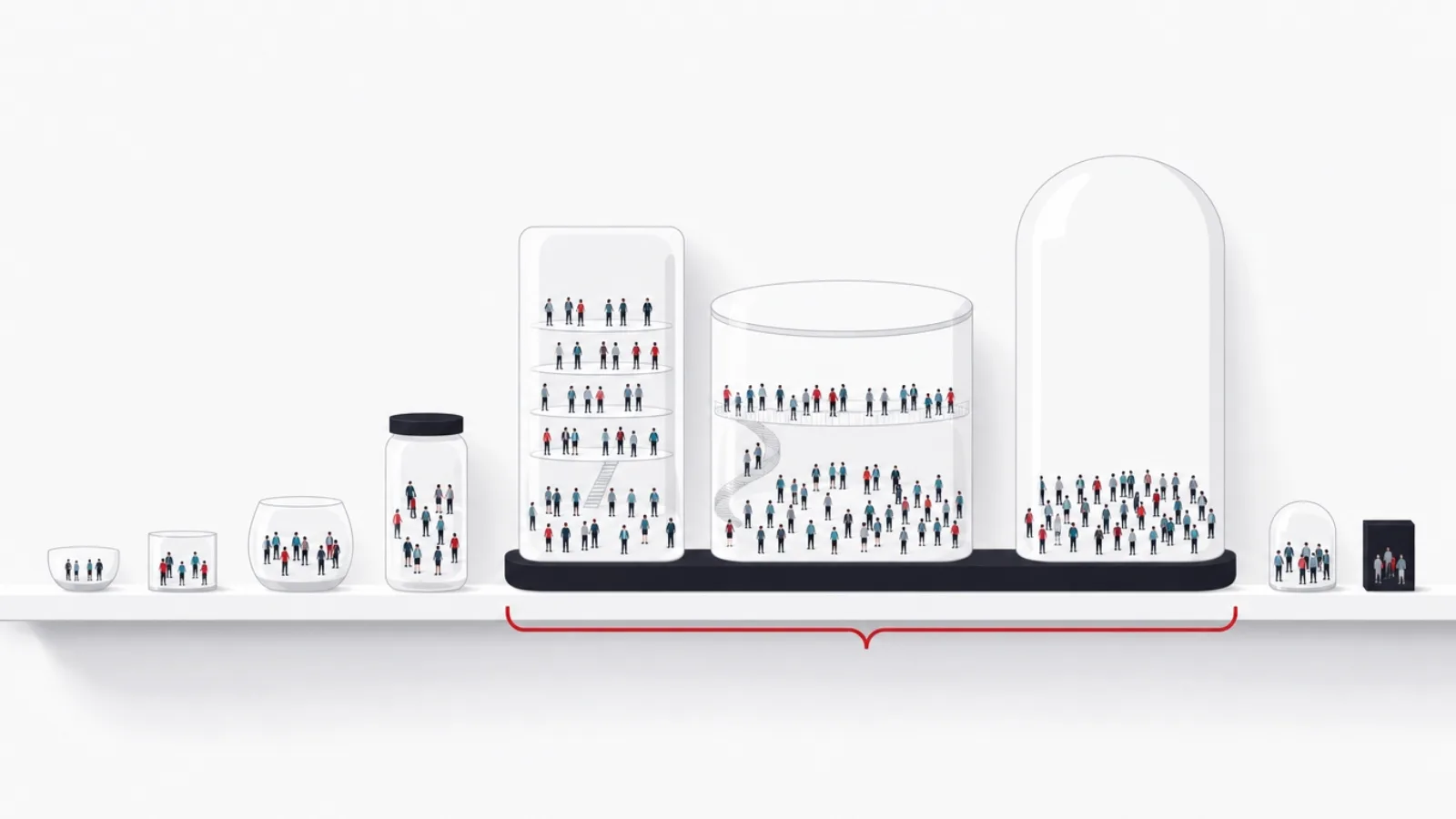
By reported monthly active users, the 2026 leaderboard looks like this: Facebook and YouTube each report above 2.5 billion monthly actives, with Meta's family-wide daily figure well past 3 billion. WhatsApp sits around 2 billion or more. Instagram reports about 2 billion. TikTok exceeds 1.5 billion despite regulatory turbulence in several markets. WeChat holds around 1.4 billion, overwhelmingly in China where it functions as infrastructure rather than an app. Telegram approaches a billion. Then the second tier: Snapchat around 900 million monthly by recent reporting, Douyin (TikTok's Chinese sibling) in the high hundreds of millions, Reddit and Pinterest in the range of 500 million to 1 billion depending on which metric is quoted, and X, whose figures have been contested since it stopped conventional reporting but which trackers place in the hundreds of millions.
Read the list structurally and three blocs emerge. The Meta bloc, Facebook, Instagram, WhatsApp, Messenger, Threads, gives one company perhaps four billion deduplicated humans, the largest audience any private entity has ever held. The video bloc, YouTube, TikTok, Douyin, owns attention rather than identity. And the messaging bloc, WhatsApp, WeChat, Telegram, owns the conversations, which increasingly matter more than the feeds.
A caveat that belongs in the second paragraph rather than a footnote: monthly active user is a company-defined term, definitions differ across firms, and none of it is audited the way revenue is. The rounding in this article is deliberate. Any source offering you platform populations with decimal precision is quoting marketing.
The 2026 leaderboard at a glance
| App | Monthly actives (approx.) | Core mechanic | Trajectory |
|---|---|---|---|
| Above 2.5 billion | Feed, groups, marketplace | Flat, aging in the West, strong in emerging markets | |
| YouTube | Above 2.5 billion | Long video plus Shorts | Steady, TV screens now its largest surface |
| Around 2 billion or more | Messaging, groups, channels | Growing, business messaging expanding | |
| About 2 billion | Reels, stories, DMs | Growing, Reels and DMs carry it | |
| TikTok | Above 1.5 billion | Short video recommendation | Growing outside regulatory flashpoints |
| About 1.4 billion | Everything, in China | Saturated at home, unexportable | |
| Telegram | Approaching 1 billion | Messaging, channels, bots | Growing, monetization accelerating |
| Snapchat | Around 900 million | Camera-first messaging | Growing quietly, young and loyal |
| Hundreds of millions | Topic communities | Rising, search visibility windfall | |
| X | Hundreds of millions (contested) | Real-time text | Contested numbers, contested everything |
Figures are company-reported or tracker estimates, rounded hard. The trajectory column is the one that predicts next year's table.
Re-ranked by attention: a different leaderboard entirely
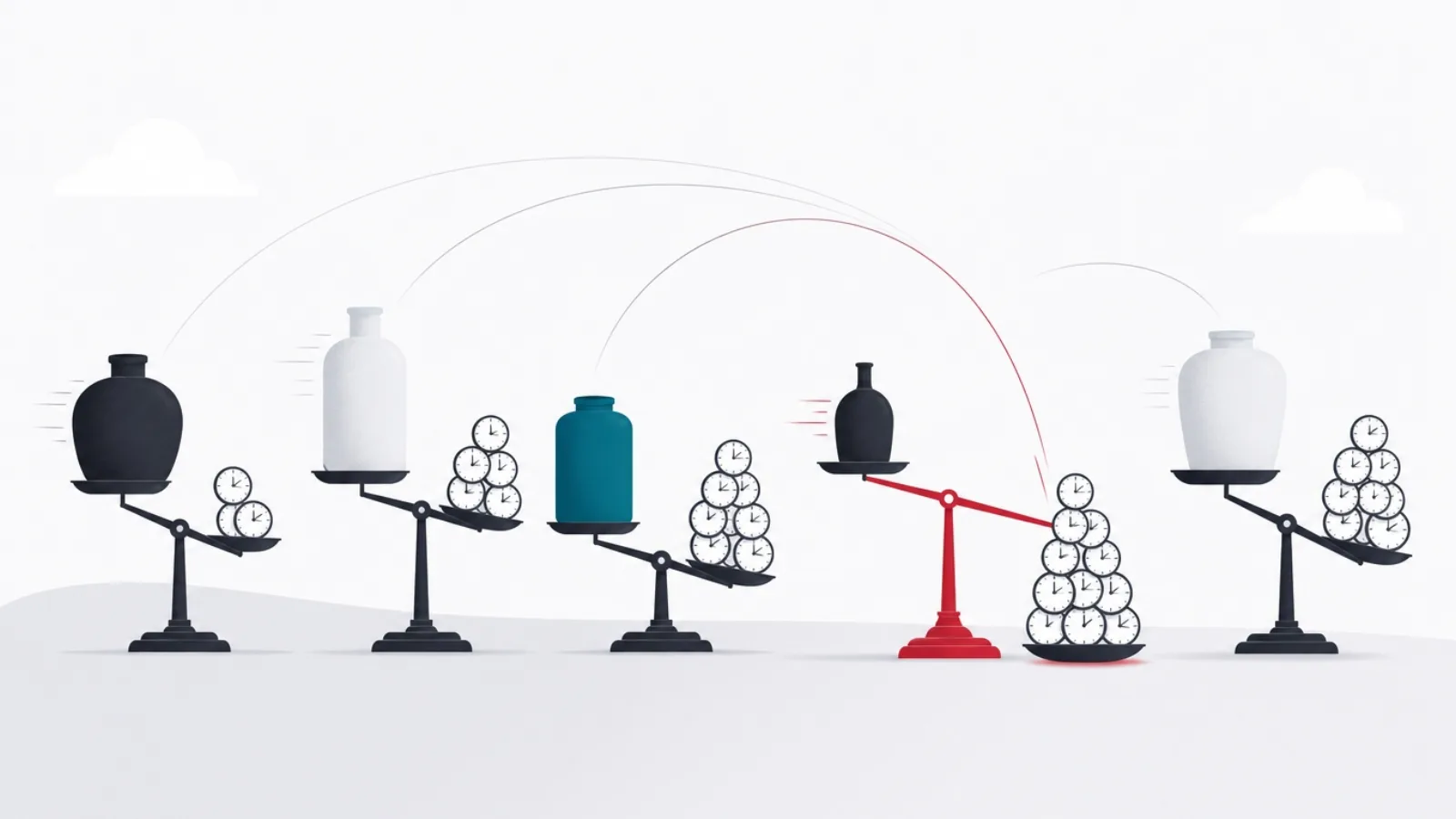
Rank the same platforms by time spent per user per day and the table reorders itself. TikTok leads or co-leads every engagement survey, with average daily use among its users commonly reported north of 90 minutes. YouTube matches or exceeds it when television-screen viewing is counted, a surface that now represents its largest share of watch time in several markets. Instagram and Facebook cluster in the 30 to 60 minute band. Reddit's sessions are long but its user base narrower. X's usage is intense among a small cohort and invisible elsewhere. And messaging apps break the metric entirely: WhatsApp is opened dozens of times a day in its strong markets, but in one-minute bursts that time-spent charts undercount.
The attention ranking matters more than the population ranking for almost every practical purpose. Advertisers buy minutes, not registrations. Creators grow where recommendation engines distribute to strangers, which is why TikTok and YouTube Shorts and Reels mint new audiences while follower-graph platforms mostly recirculate old ones. And culture forms where attention concentrates: the songs, formats and phrases of any given month are TikTok and YouTube artifacts first, everything else second.
The structural cause is worth naming because it explains the last five years of product decisions everywhere: recommendation beat the social graph. Every major feed, Facebook's, Instagram's, YouTube's home surface, is now primarily algorithmic selection from the whole network rather than a chronology of people you chose. The follower count stopped being the asset; the content's own performance became it. Platforms converged on this because it wins attention, and attention is the business.
The shadow leaderboard: messaging ate social sharing

The least-reported story in every social media ranking is the migration of actual social behavior out of feeds and into chats. Public posting became performance, so the personal layer, the photo of the kids, the honest opinion, the plan for Saturday, moved to WhatsApp groups, Instagram DMs, iMessage threads and Discord servers. Platform executives have said versions of this publicly for years: sharing volume shifted from feeds to messages and stories, and the feed became television.
This is why WhatsApp, WeChat and Telegram deserve their places on a social media list despite being nominally messengers. WeChat is the endgame exhibit: chat as the operating system for a billion people's payments, services and media, the original super app pattern. Telegram's channels function as broadcast media in dozens of countries, with audiences that dwarf most news organizations. WhatsApp is adding channels, communities and business storefronts, following the same arc. The chat apps are becoming platforms while the platforms are becoming broadcasters.
For anyone building social products, this shadow leaderboard is arguably the actionable one. The group chat is the highest-retention social primitive in software, private-by-default spaces are where trust lives now, and the most interesting startup patterns of the decade, Discord servers, group-first apps, community platforms, all build on that insight rather than on another public feed.
The risers: what is actually taking over in 2026
Every year a wave of listicles asks which social apps are taking over, and most years the honest answer is: nothing takes over, but several apps take territory. Discord long ago outgrew gaming to become the default home for interest communities, with server-based membership that behaves more like belonging than following. Bluesky turned the post-X diaspora into a durable network in the tens of millions with an open protocol underneath, and Mastodon persists as the federated alternative for the technically committed. Threads leveraged Instagram's graph into hundreds of millions of monthly actives, making it the largest of the X alternatives even as its culture stays deliberately mild.
The discovery-commerce lane is the other growth story. RedNote (Xiaohongshu) crossed borders during 2025's TikTok turbulence in the US and kept a real overseas audience; Lemon8, ByteDance's lifestyle board, holds a niche among younger women; and Pinterest, the incumbent of intent-driven discovery, quietly grew past half a billion monthly actives on the same trend. What unites the lane: content organized around purchases and aspirations rather than people, which advertisers understandably love.
The meta-lesson from the risers: none of them is a general-purpose social network, and the ones that tried to be died on arrival. Every durable entrant since 2020 wedges on a specific mechanic, live rooms, servers, boards, protocols, edited photo dumps, for a specific audience. The age of launching "a new social network" is over; the age of launching a sharp social mechanic is not. That, incidentally, is also the answer to what replaced the app graveyard of BeReal-style novelty spikes: mechanics that create durable habits, not formats that create viral weeks.
The regional leaders global lists forget
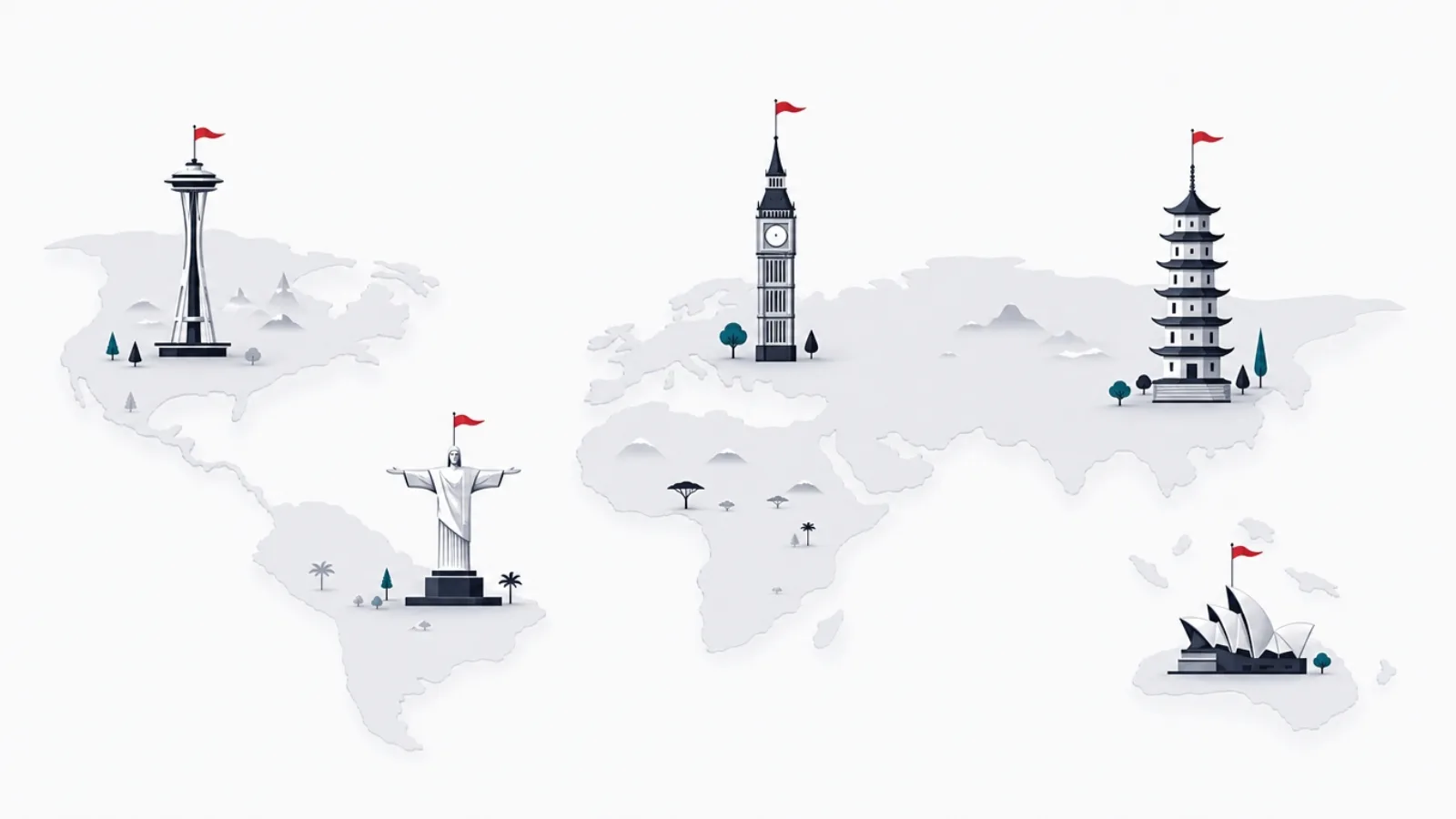
Global rankings flatten a world that is actually regional. In China, the leaderboard is WeChat, Douyin, RedNote, Weibo and Kuaishou, a parallel ecosystem with its own mechanics that frequently arrive in the West two years later, live commerce being the famous example. In Japan and Thailand, LINE is infrastructure: messaging, payments, news and government services in one app. KakaoTalk holds the same position in South Korea, Zalo in Vietnam, and VK in Russia. Telegram is the primary public sphere across much of Eastern Europe, the Middle East and Central Asia.
The regional pattern matters for two practical reasons. For marketers, the answer to "which social apps should we be on" is a per-market question: a campaign that lives on Instagram in the US lives on LINE in Bangkok and Zalo in Hanoi. For builders, the regional apps are the strategy library: almost every super app and chat-commerce pattern now spreading globally was proven by WeChat, LINE or Kakao first, a dynamic we dissect properly in our teardown of how super apps are put together.
Vietnam deserves its paragraph in this section, since we write from Hanoi: Zalo remains the default messenger with tens of millions of users, Facebook and TikTok dominate feeds and video, and the local commerce layer runs through all three plus Shopee. Watching a market like this one adopt and adapt global platforms is a continuing education in how little of social behavior is universal.
The money behind the rankings: who actually gets paid
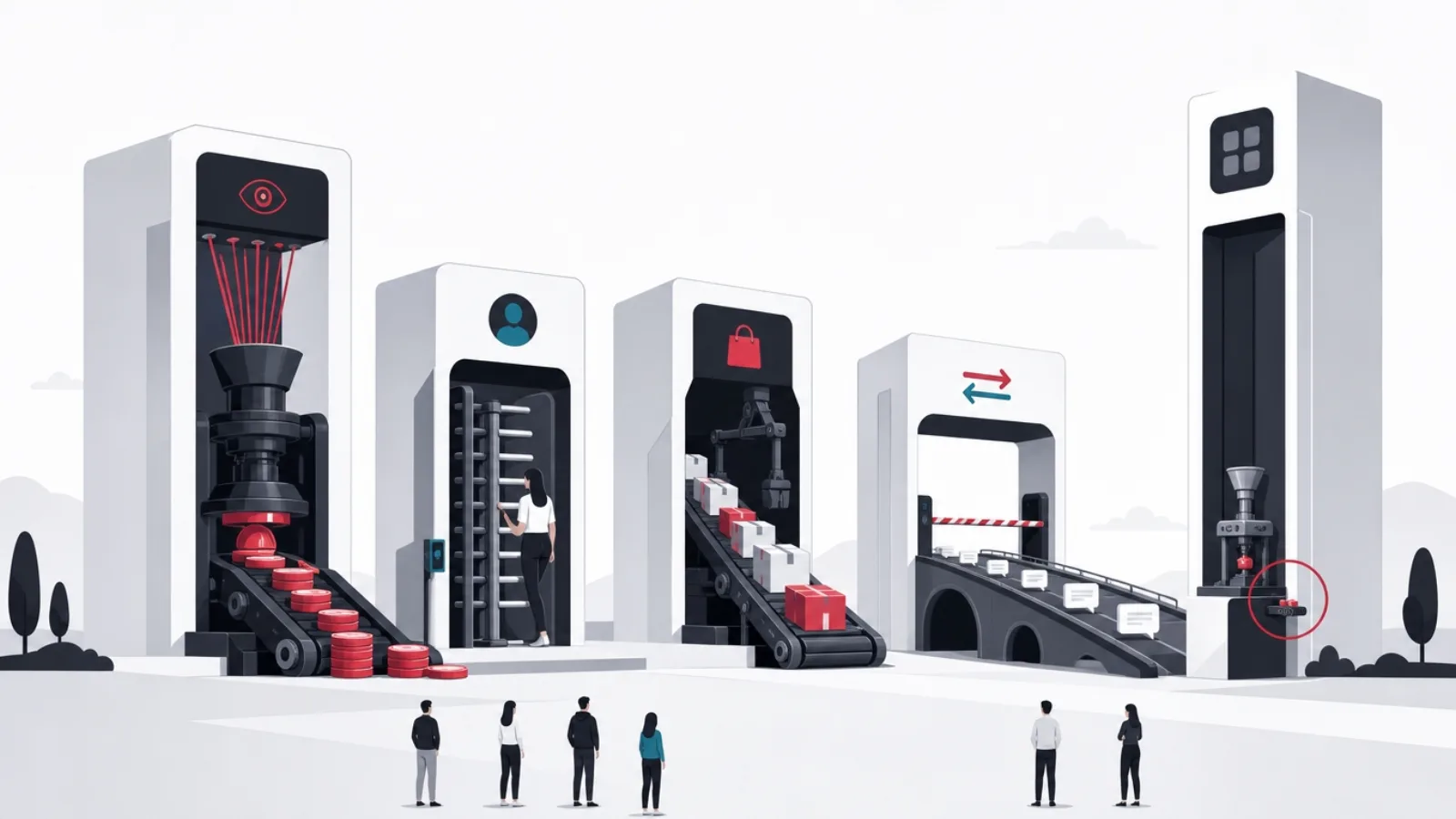
Population and attention are the visible leaderboards; revenue per user is the one the companies manage to. Meta converts its combined reach into advertising revenue at a rate no rival matches outside China, with average revenue per user in North America many times the global figure. YouTube pairs advertising with the largest paid subscription business in the category through Premium and Music. TikTok monetizes attention brilliantly in Asia through live commerce and gifting but still earns a fraction of Meta's per-user rate in the West, which is exactly why TikTok Shop expansion has been so aggressive. X remains the cautionary tale: attention without advertiser trust produces a business smaller than it was five years earlier.
The messaging giants monetize sideways rather than through feeds. WeChat takes a cut of payments and mini-app commerce inside chat. WhatsApp sells business messaging, the click-to-WhatsApp ad unit that Meta reports as one of its fastest-growing lines, and storefront tooling for merchants. Telegram sells premium subscriptions and channel advertising. The pattern is consistent: where the feed cannot carry ads, the platform sells transactions, tools or status instead. Every durable platform on this list has found at least one of those levers; the ones that never did, however beloved, are the ones that faded.
For builders the revenue table is the reality check that belongs next to every growth chart. A social product's business model is constrained by its mechanic: recommendation feeds sell ads, communities sell membership and status, discovery boards sell commerce intent, and messaging sells transactions and business access. Choosing the mechanic chooses the monetization ceiling, which is why the scoping conversation and the business-model conversation are the same conversation, and why we push both into the earliest planning work with clients rather than treating revenue as a later phase.
How each mechanic gets paid
| Core mechanic | Primary lever | Who proves it | Ceiling |
|---|---|---|---|
| Recommendation feed | Advertising against attention | Meta, TikTok, YouTube | Highest, but demands massive scale first |
| Messaging and groups | Business access and transactions | WeChat, WhatsApp | High per user, slow to switch on |
| Interest communities | Membership, status, tooling | Discord, Reddit | Moderate, but defensible and loyal |
| Discovery boards | Commerce intent and shop ads | Pinterest, RedNote | High per user, narrow audience |
| Live and gifting | Virtual goods and tips | TikTok Live, Bigo | Proven in Asia, thin elsewhere |
The monetization lever follows from the core mechanic, not from ambition. Every platform on the leaderboard fits one of these rows.
What the rankings teach anyone building a social product
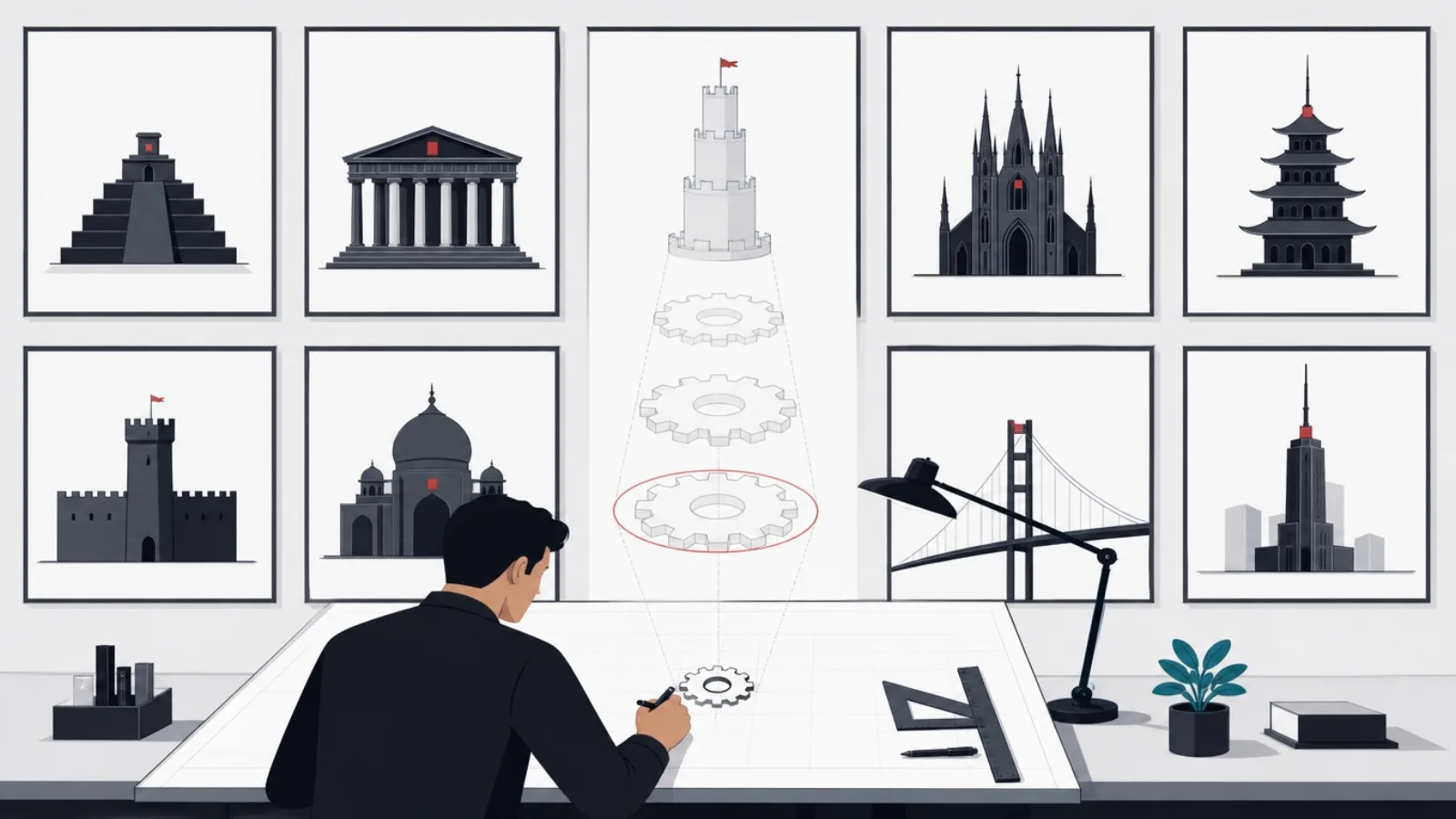
Read as a builder's document, the leaderboard teaches sequencing above all. Every platform on it started as one narrow mechanic executed obsessively: a college directory, a video site, a photo filter app, a lip-sync toy, a campus chat. The breadth, marketplaces, payments, channels, arrived years after the habit was unbreakable. Founders who pitch the breadth first are reading the current state of the winners and mistaking it for their strategy. The honest scoping question is never "which twelve features", it is "which single interaction will a thousand people repeat daily", and the disciplined version of that scoping exercise is exactly what we walk through in how to scope a social network MVP.
The second lesson is that distribution mechanics are product decisions. The platforms rising on this list are recommendation-first; the ones flat or falling are graph-first. For a new product this cuts both ways: recommendation-first means a cold-start user sees good content on day one, but it also means competing with TikTok's content supply. The wedge strategies that work in 2026, community-first like Discord, utility-first like the messaging apps, commerce-first like the discovery boards, all sidestep the content-supply war rather than fighting it.
The third lesson is the cost structure nobody puts in the pitch deck: trust and safety scales with success. Moderation queues, reporting flows, age assurance, regional compliance, the EU's DSA, the UK's Online Safety Act and their spreading imitators, are now table stakes for any social product touching those markets, and retrofitting them is far more expensive than designing for them. The platforms at the top of this list each spend more on trust machinery than most startups spend on everything; a proportionate version of that spend belongs in every social product budget from the first sprint.
Since this ranking was published, two companion pieces have covered the two most common follow-up questions. Readers who want to leave one of the incumbents rather than rank them should read Facebook alternatives for the broad-network case and WhatsApp alternatives for the messaging case, where the switching cost is your contact graph rather than your feed. The quadrant above is unchanged: the empty lower left corner is still where general-purpose apps with borrowed mechanics go to die.
Reading the leaderboard as a strategy document
Do this
- Copy the sequencing, not the surfaceOne mechanic to daily habit, then breadth. Every giant on the list followed this order; none started broad.
- Build where attention is underpricedGroup chat, communities and discovery-commerce are growing faster than feed advertising, and with less competition for supply.
- Design trust machinery from sprint oneReporting, blocking, moderation and age gates are cheaper as architecture than as retrofit, and regulators now require them.
- Treat regional apps as the pattern libraryWeChat, LINE, Kakao and Zalo previewed most of what Western platforms later shipped. Study them before inventing.
Not this
- Launch "a new social network"General-purpose entrants have failed for a decade straight. Sharp mechanics for specific audiences are what still break through.
- Chase the novelty spikeFormats that create viral weeks without daily habits produce the BeReal curve: a spectacular rise and a quiet flattening.
- Trust platform metrics as measurementsMonthly actives are marketing. Build your own retention math on your own definitions from day one.
- Assume the feed is the productThe durable value in 2026 sits in messages, groups and commerce rails. The feed is the acquisition channel, not the moat.
What the 2026 rankings actually license you to conclude, and the conclusions they tempt you toward that fail.
Frequently asked questions
What are the top 10 social media apps in 2026?
By reported monthly active users: Facebook, YouTube, WhatsApp, Instagram, TikTok, WeChat, Telegram, Snapchat, then Reddit, Pinterest and X in a contested tail, with Douyin holding a comparable position inside China. Ranked by time spent instead, TikTok and YouTube lead decisively, which is why any single top-ten list should say which metric it is using.
What is the most used social media app in the world?
Facebook still reports the largest monthly active user base, above 2.5 billion, with YouTube at a comparable scale. Measured by daily time per user, TikTok leads, with YouTube close behind once television viewing is counted. Measured by daily opens, the messaging apps, WhatsApp and WeChat, arguably exceed them all.
Which social media apps are growing fastest in 2026?
Among the giants, TikTok, Telegram and WhatsApp continue to add users fastest. Among the risers, Discord keeps expanding beyond gaming, Bluesky consolidated the post-X migration in the tens of millions, Threads grew on Instagram's graph, and the discovery-commerce lane, Pinterest, RedNote and Lemon8, is growing on shopping intent. Nothing new is growing as a general-purpose network, and that pattern has held for a decade.
Are the user numbers for social media apps reliable?
Treat them as directional, not audited. Monthly active user is a company-defined metric, definitions vary across firms, some platforms stopped conventional reporting entirely, and third-party trackers estimate with wide error bars. This is why credible rankings round aggressively and cite trajectory rather than decimals.
What replaced BeReal and the novelty apps of the early 2020s?
Mostly mechanics rather than apps. The authenticity impulse migrated into private group chats, close-friends stories and casual photo-dump norms on Instagram, while the durable new entrants of this cycle, Discord, Bluesky, the discovery boards, won with structural mechanics that create daily habits instead of viral formats that create memorable weeks.
What does it cost to build a social media app?
A focused MVP with profiles, one core feed or chat mechanic, notifications and baseline moderation typically runs 60,000 to 150,000 US dollars with an offshore product team, and meaningfully more once recommendation infrastructure, video processing and trust-and-safety tooling enter scope. The build is the smaller problem; the content cold-start and the first thousand daily users are the larger one.
Leaderboards describe the winners; building means picking your wedge. If your roadmap includes a social, community or creator product, build with AgileTech, an AI native software development company that builds the feeds, chat and safety machinery this market runs on.
Source: https://agiletech.vn/blog/top-social-media-apps/ · (c) AgileTech Vietnam. Printed from agiletech.vn.