 Nguyen Manh Thang
Chief Executive Officer, AgileTech Vietnam
Nguyen Manh Thang
Chief Executive Officer, AgileTech Vietnam
- Published
- Last updated
- Read time
- 13 min
- Views
- 218
Read the AI overview
No single app replaces Facebook, because Facebook is five products wearing one interface. The realistic 2026 strategy is replacing it job by job: Discord or Reddit for groups and communities, dedicated marketplace apps or Craigslist-style locals for buying and selling, Partiful or group chats for events, private family apps or shared albums for relatives, and Bluesky or Mastodon for the public feed. People who try to move to one Facebook clone almost always return; people who peel off one job at a time actually leave.
Searches for a Facebook alternative spike every time the platform has a privacy story, a moderation controversy, or simply another redesign that makes it feel less like the product people joined. The search intent is sincere, and most articles answering it are not: they list ten networks nobody's friends are on and declare the problem solved. This guide starts from the honest fact that makes the question hard, which is that Facebook is not one product.
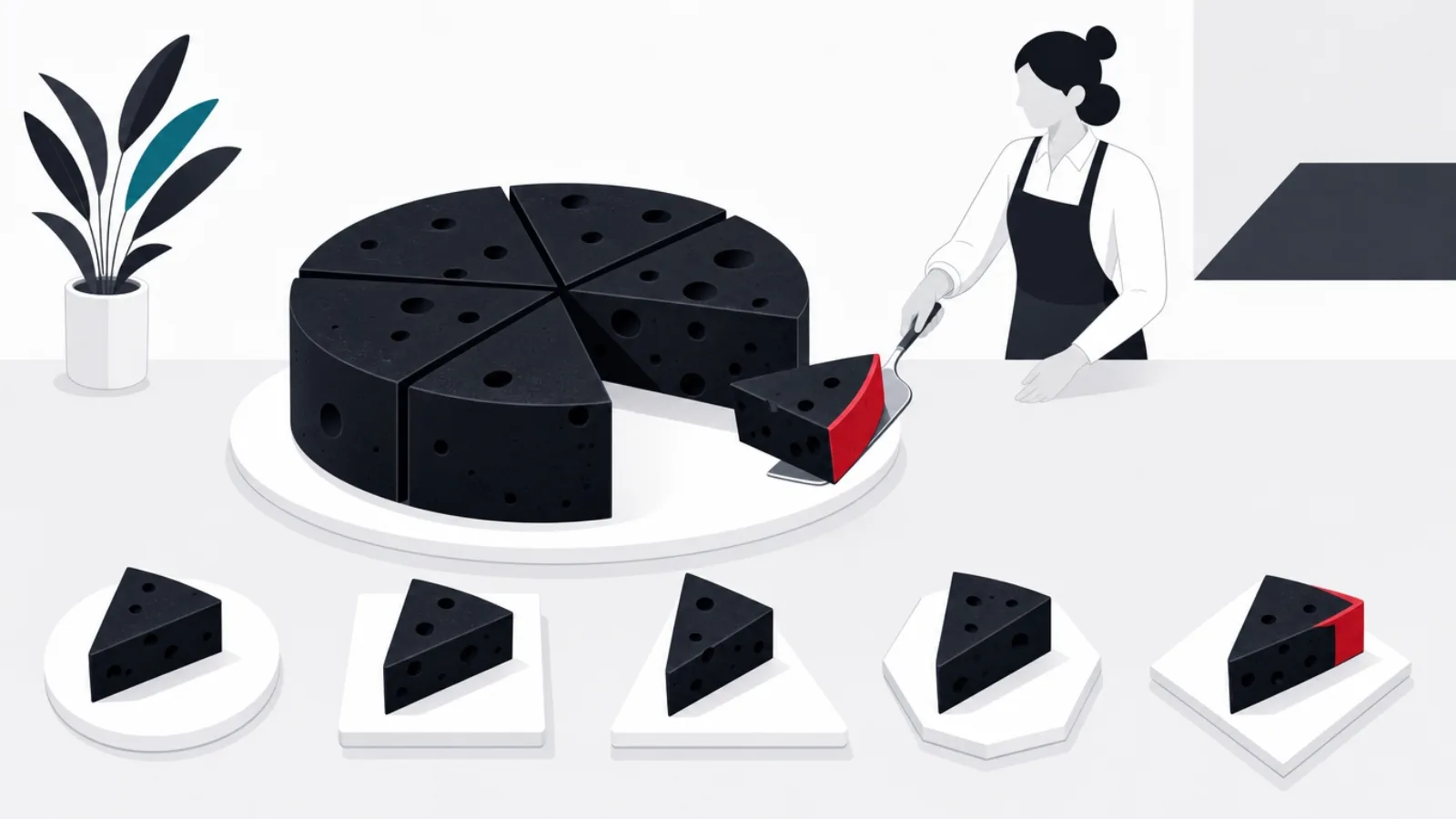
Facebook in 2026 is a bundle of at least five jobs: group communities, a local marketplace, event coordination, a family and acquaintance graph, and a public feed. Each job has a genuinely good alternative now, and several of those alternatives are better than Facebook at the one thing they do. What does not exist, and what this guide will not pretend exists, is a single destination that replaces the bundle. The realistic exit is a portfolio move, and the sections below map it job by job.
The final sections turn to the builder reading this because they are considering a social product. Social is the most seductive and least forgiving category in consumer software, and we scope these builds regularly from Hanoi; the honest market map, and what an MVP actually costs, closes the guide, with the deeper mechanics in our social network MVP scoping guide.
Key takeaways
- Facebook is not one product but a bundle: groups, marketplace, events, family graph and public feed. Every alternative wins on exactly one of those jobs, and none wins on all five, which is why like Facebook but better apps keep failing.
- The graph is the moat, not the features: cloning Facebook's interface is a quarter's work, but your aunt, your high school friends and your neighborhood group are not in the clone, and that is the entire product.
- Open-protocol networks changed the exit math: Bluesky and Mastodon make the public-feed job genuinely portable for the first time, because the network lives on a protocol rather than inside one company's database.
- Privacy-first alternatives compete on trust, not reach: MeWe and similar networks are honest products for a real niche, but they replace the feed, not the family graph, and their scale ceiling is structural.
- The practical exit is job-by-job, not all-at-once: peel off communities to Discord or Reddit, events to invites apps, selling to marketplaces, and let the Facebook account decay into a login of last resort.
- For builders, the open ground is vertical community, not general social: products that own one audience's graph deeply, neighborhoods, hobbies, professions, parents, are fundable; another general network is not.
Why there is no single Facebook replacement, and why that is fine
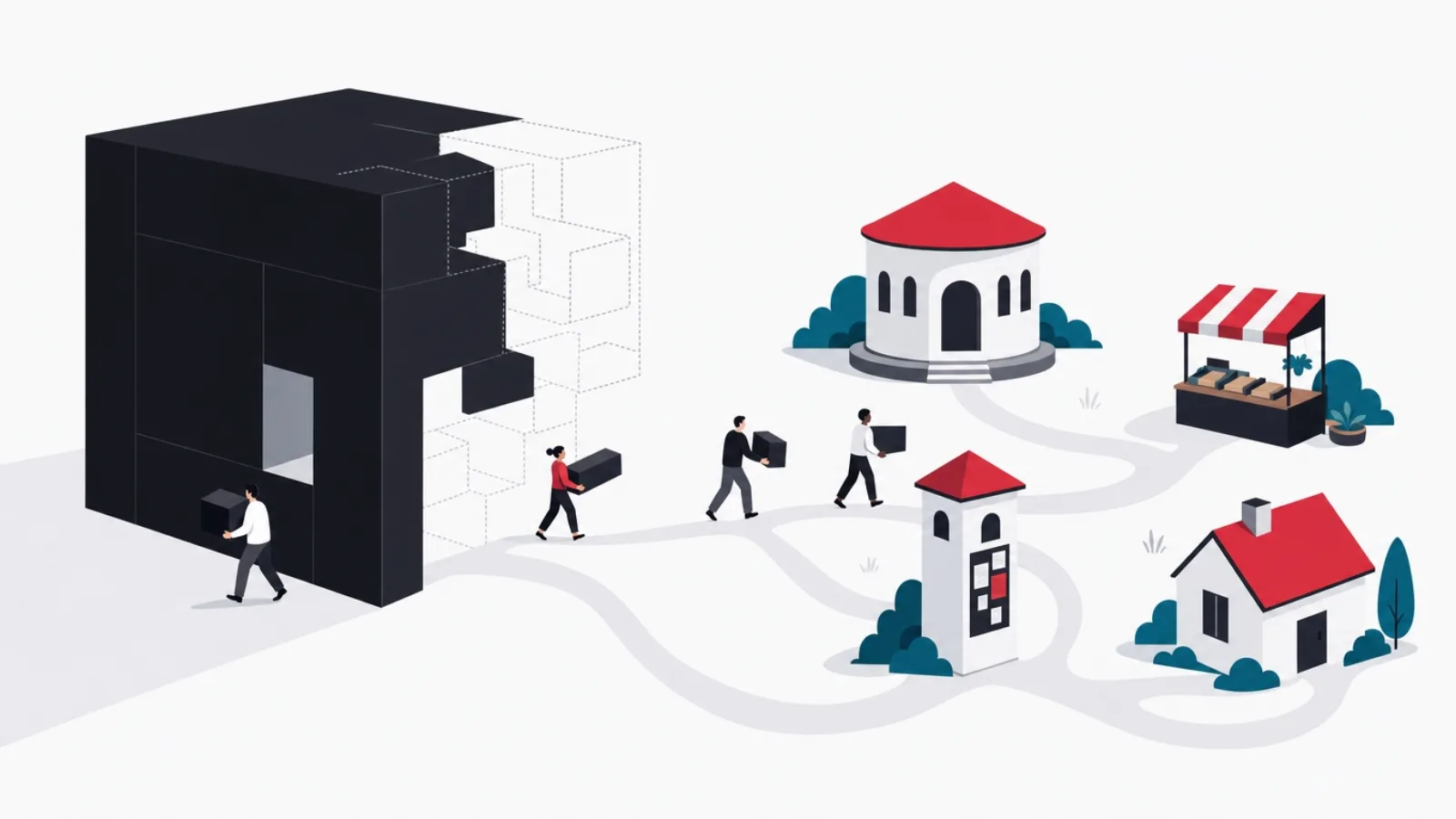
Every direct Facebook clone has failed the same way, and the autopsy is always identical. Google+ had superior technology and a billion-user distribution channel; it died because your cousin was not on it. Ello, Vero, and a dozen privacy-first networks each rode a wave of Facebook backlash to millions of signups, then watched activity collapse within weeks, because a social network without your people is an empty room with nice wallpaper. The product was never the interface; it was the fifteen years of accumulated graph.
The unbundling framing changes the question from impossible to practical. You do not need one app your entire social graph adopts simultaneously, which is the collective-action problem that kills clones. You need the five or six specific things you still use Facebook for, and a home for each. Groups already migrated in large numbers to Discord, Reddit, and WhatsApp communities. Marketplace behavior moved to dedicated local-selling apps in most markets. Events scattered to invite apps and group chats. Each migration only required a subset of people to move, which is why those migrations actually happened.
This is also why the honest answer to which app is the next Facebook is: none, structurally. The bundle formed in an era when one company could own the whole social layer; the current era distributes those jobs across specialized products and, increasingly, open protocols. The rest of this guide takes the jobs one at a time.
The clone graveyard, in three numbers
Directional figures from public reporting on the best-funded Facebook alternatives; exact values vary by source.
Replacing Groups: Discord, Reddit, and the community exodus
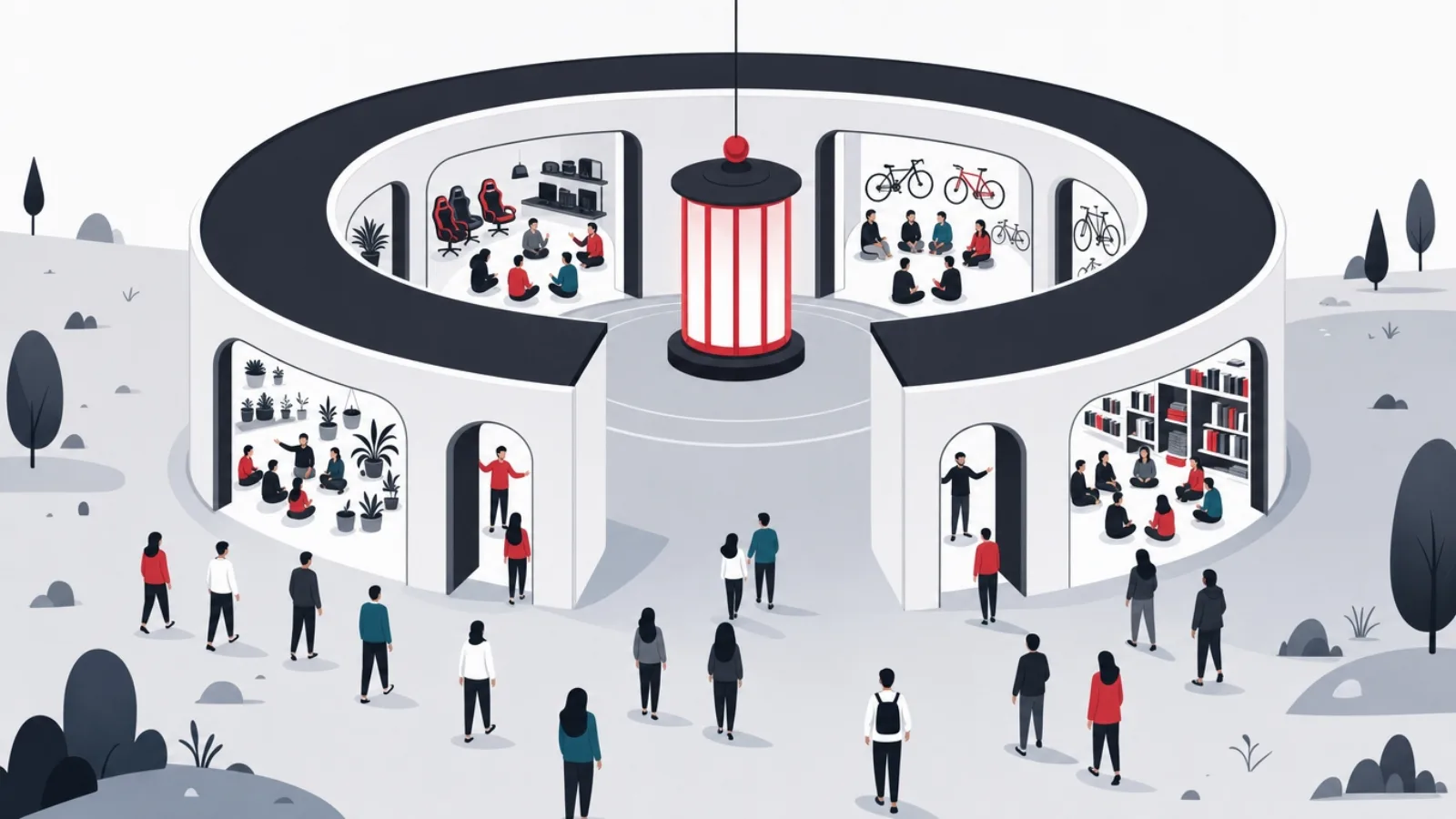
Groups are Facebook's stickiest surface and also the one with the strongest alternatives. Discord graduated from gaming into the default home for living communities: real-time chat, voice, roles and channels give a group texture that Facebook's comment threads never had, and the absence of an algorithmic feed means the community sees itself rather than a ranked sample. The cost is chaos at scale; a busy Discord is a firehose, and finding last month's answer means asking again.
Reddit is the opposite trade. Its subreddit structure, voting, and search-friendly threads make it the best home for knowledge communities, the ones where the value is the archive: hobbies with deep technique, buying advice, local city forums. What Reddit does not carry is identity; you know the community, not the people. WhatsApp and Telegram communities took the third slice, the small, high-trust groups, class parents, apartment buildings, extended families, where the group chat was always the real product and Facebook Groups was an overflow room.
The practical migration advice follows the texture of your group. Real-time and social: Discord. Archival and topical: Reddit. Small and personal: the group chat you already have. The migration case studies worth studying are the moderator-led ones, because groups move when their three most active organizers move and post the new address twice; they do not move by consensus.
Where Facebook Groups actually went
| Group type | Best home in 2026 | What you gain | What you lose |
|---|---|---|---|
| Active hobby and fan communities | Discord | Real-time chat, voice, events, roles | Searchable archive, discoverability |
| Knowledge and advice communities | Voting, search, permanent threads | Personal identity, real names | |
| Small high-trust circles | WhatsApp or Telegram | Immediacy, everyone already has it | Structure beyond one thread |
| Local neighborhoods | Nextdoor or local Reddit | Geographic focus | Tone; moderation quality varies |
| Professional communities | Slack or LinkedIn groups | Work-adjacent identity | Energy; most are quiet |
Replacing Marketplace and Events: the two quiet lock-ins
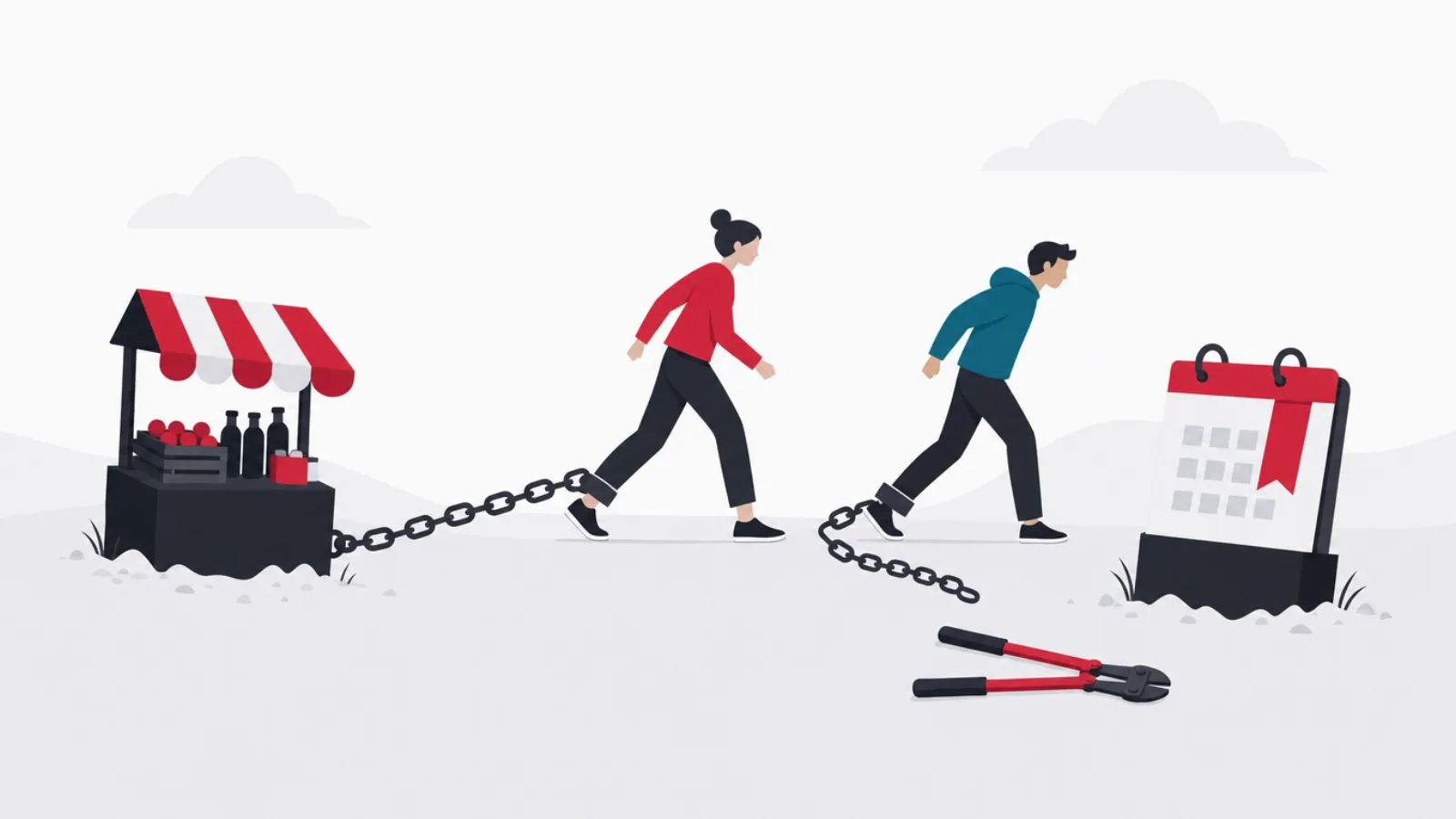
Marketplace is the feature people admit last when listing why they still open Facebook, and it is a real lock-in: a liquid local market with buyer profiles and message history is genuinely hard to replicate. The alternatives are regional by nature. Craigslist persists in North America on pure liquidity; OfferUp and Mercari carry the app-native slice; Vinted took clothing across Europe; Chợ Tốt serves the Vietnamese market this blog's builders know well. The honest note is that none of these carries Facebook's casual trust signal of a visible profile with mutual friends, and scams migrate to every marketplace equally, so the safety habits matter more than the platform choice.
Events are the opposite: the lock-in feels strong and is actually weak. A Facebook event was always three features, a page, an invite list, and reminders, and that bundle has been rebuilt better by invite-first apps like Partiful for social gatherings, Luma for public and semi-public events, and plain calendar invites for everything else. Community events increasingly live where the community lives, a Discord events channel or a group-chat pin, which is healthier anyway: the event belongs to the group, not to a platform's graph.
Both migrations share a pattern worth naming: they happen one transaction at a time, not by decision. You do not quit Marketplace; you list something on the local alternative once, it works, and the habit quietly moves. The top social media apps landscape carries the fuller market map of where each behavior settled.
Marketplace safety, portable to any platform
- Meet in public, daytime, or use lockersPolice-station exchange zones and parcel lockers exist for exactly this. Any buyer who refuses is the signal.
- Never move the conversation off-platform earlyThe move to WhatsApp or email in the first messages is the standard scam opening on every marketplace.
- Cash or platform escrow only for strangersPayment-app friend transfers have no recourse. Escrow features exist on most modern marketplaces; use them.
- Reverse-search photos of high-value itemsStolen listing photos are the cheapest scam to run and the cheapest to catch.
Replacing the feed: Bluesky, Mastodon, and the open-protocol shift
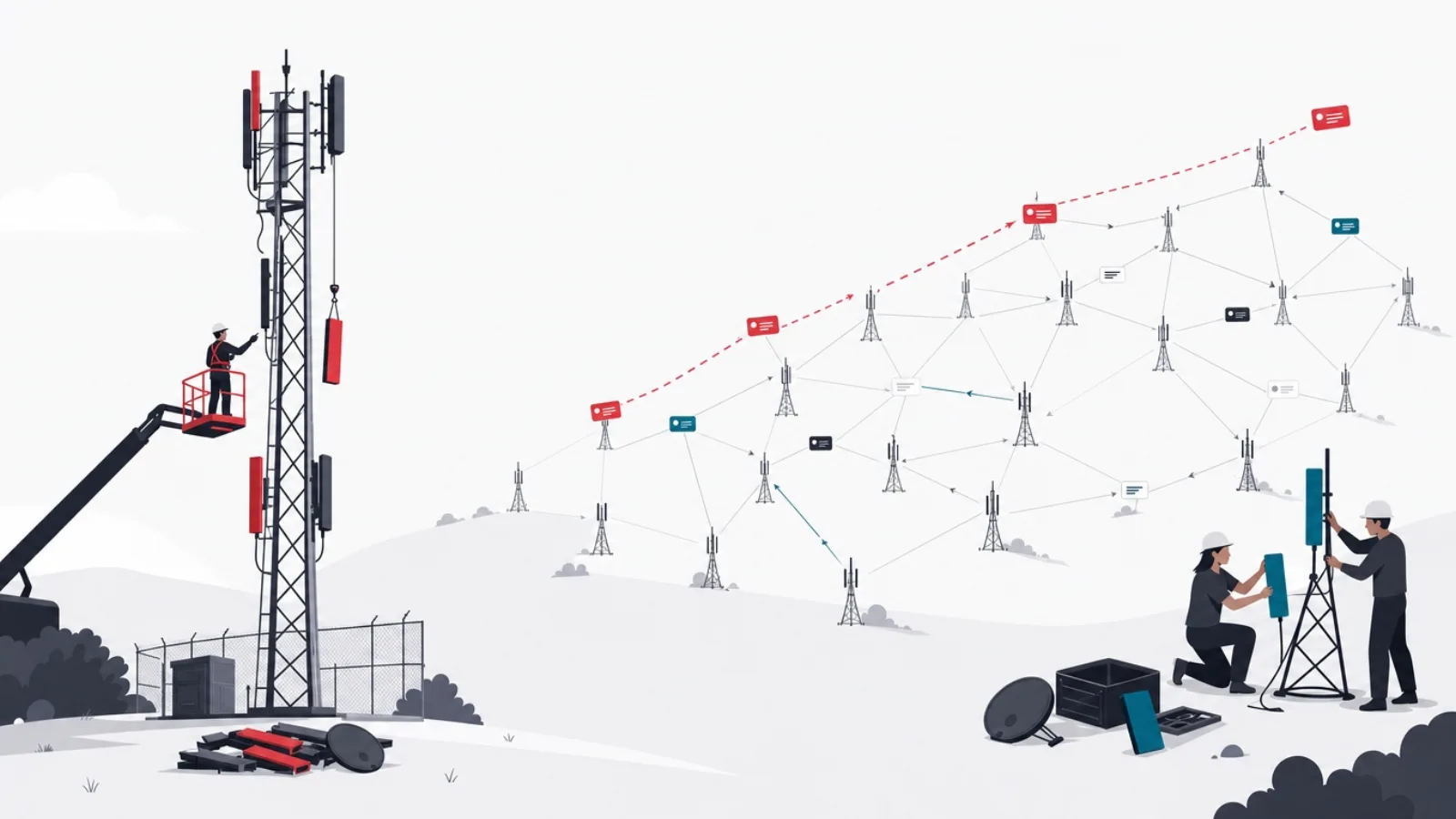
The public feed is where the most interesting structural change happened. Bluesky and Mastodon are not Facebook clones; they are bets that the feed should live on an open protocol rather than inside one company. Mastodon runs on ActivityPub across thousands of independently operated servers; Bluesky's AT Protocol centralizes less visibly but keeps identity and data portable. In both cases the strategic point is the same: if the operator of your corner of the network degrades, you can move without losing your graph, which is precisely the exit Facebook never allowed.
The honest experience report: Bluesky in 2026 feels like a functioning public square, with the news, sports and niche communities a feed needs to be a daily habit, and its custom-feed model, where anyone can publish an algorithm, is a genuine product innovation rather than a slogan. Mastodon is smaller, calmer and more deliberate; its server-community structure suits people who want a neighborhood rather than a square. Neither replaces the family-graph function, and neither pretends to; they replace the part of Facebook that was always closest to Twitter anyway.
The privacy-first closed networks, MeWe most prominently, deserve a fair sentence: the product is real, the no-ads no-tracking model is honestly delivered, and for a family or club that moves together it works. The structural ceiling is that its pitch is Facebook without the business model, which attracts people fleeing Facebook rather than people seeking each other, and a network of refugees from somewhere else has weak internal gravity. It is a fine destination for a group that already decided to move; it is not a discovery engine.
The protocol terms that actually matter
- ActivityPub
- The W3C protocol behind Mastodon and the wider fediverse. Servers federate: accounts on different servers follow and interact as one network.
- AT Protocol
- Bluesky's protocol. Identity and data are portable by design, and feeds are third-party algorithms you choose rather than one ranked timeline you are given.
- Federation
- The property that no single operator owns the network. Your server can change hands or policies; your identity and graph can leave with you.
- Custom feed
- A published algorithm any user can subscribe to. The feed market replaces the single engagement-ranked timeline that defines the Facebook-era feed.
The hard part: replacing the family and acquaintance graph
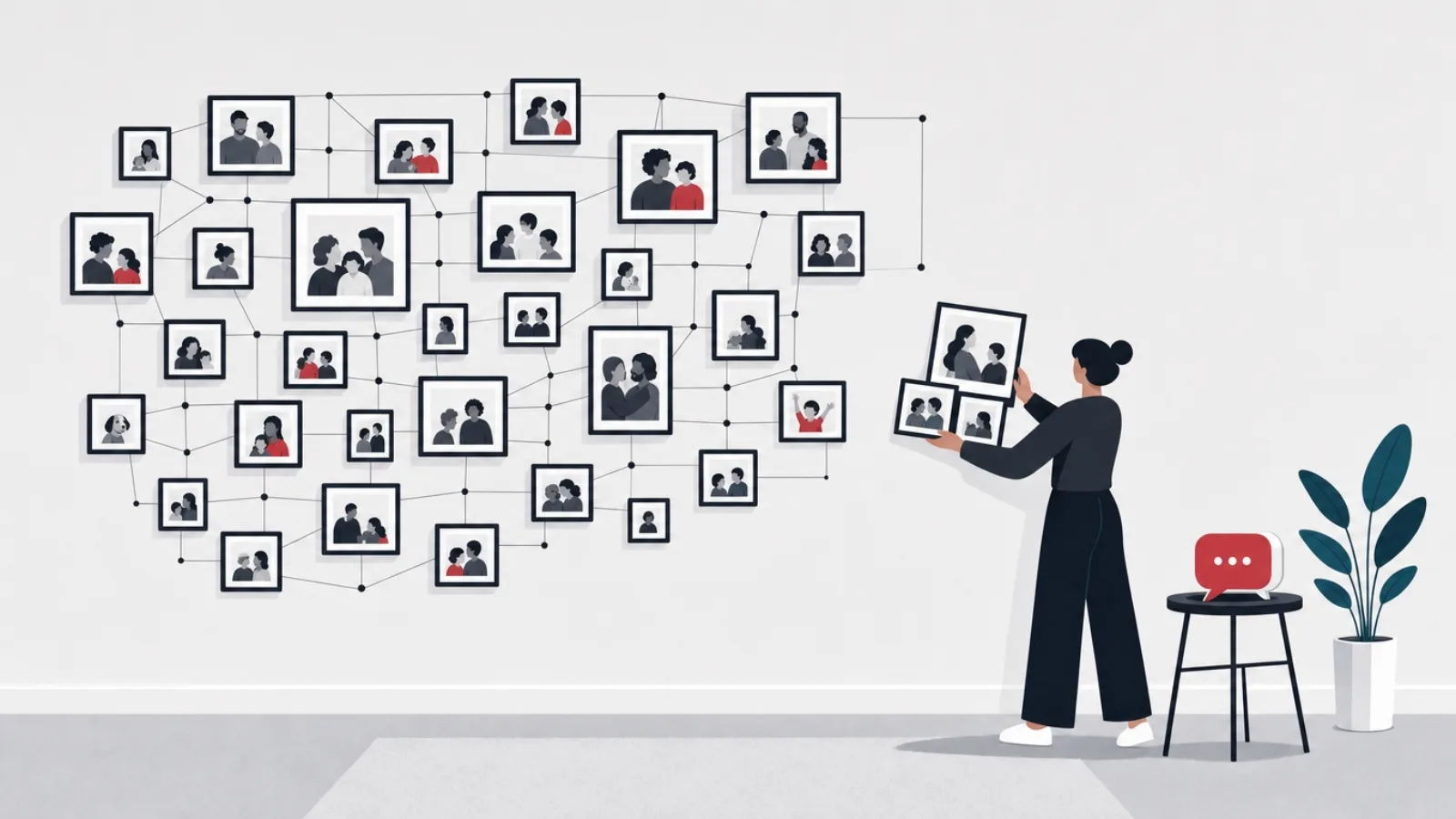
The family graph is the job with no true replacement, and honest guides say so. Facebook's irreducible function is being the place where your aunt, your old classmates, and the friend you met once at a wedding can all find you with zero coordination. No alternative has that graph, and no alternative will, because assembling it required a decade when joining Facebook was a social default. This is the job that keeps accounts alive long after daily use ends.
What actually works is shrinking the job rather than relocating it. The active family circle, the people you genuinely share with, fits in a group chat plus a shared photo album, and purpose-built family apps like FamilyAlbum serve the grandparent-photo pipeline better than a feed ever did. The acquaintance layer degrades gracefully into nothing: birthdays move to your calendar, and the friend-of-a-friend lookup function gets replaced by search and mutual contacts the three times a year it matters.
The realistic end state for most leavers is not deletion but dormancy: the account persists as a login of last resort and a directory listing, checked monthly or less, notifications off, apps deleted from the phone. Purists find this unsatisfying; in practice it captures nearly all of the attention and privacy benefit at none of the social cost, and it is what the peel-off-jobs strategy naturally produces.
Picking your exit: match the alternative to the job you actually use
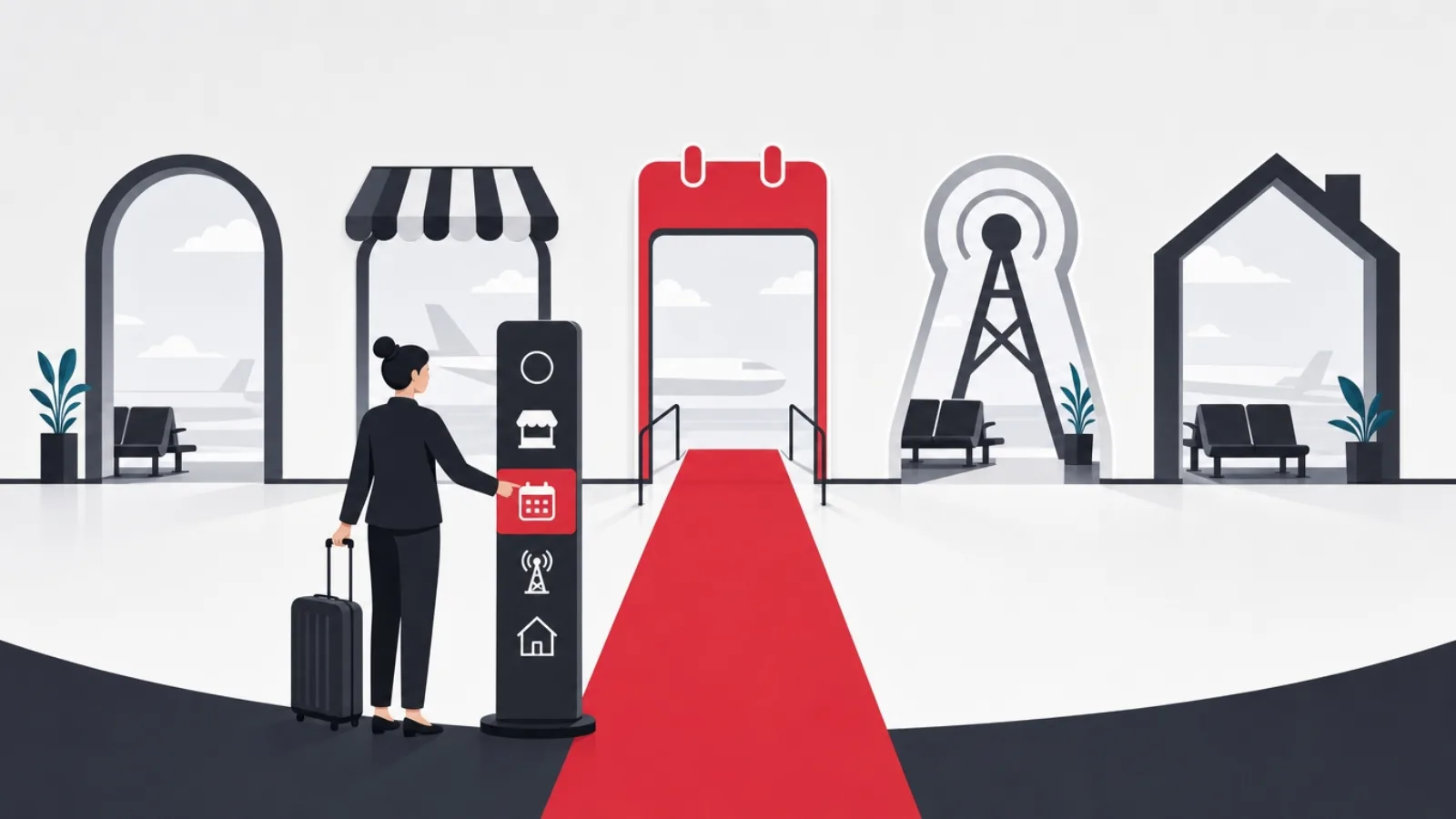
Start with a one-week audit: every time you open Facebook, note which of the five jobs pulled you in. Most people discover their real usage is one or two jobs, not five, which shrinks the exit from a life project to an errand. A person who only uses Groups and Marketplace does not need a feed replacement at all; a person who mostly scrolls needs exactly one new home and some willpower.
Then move the jobs in order of ease. Events first, because invite apps are better anyway and nobody resists a calendar link. Communities second, coordinating with the two or three people who actually run each group. The feed third, by building a two-week parallel habit on Bluesky or Mastodon before cutting over. Marketplace and the family graph last, because those are the real lock-ins, and dormancy rather than deletion is the honest end state for the graph.
The decision tree below compresses the whole guide into one pass. The point it encodes is the one this article has repeated deliberately: the question is never which network replaces Facebook, it is which product replaces each job, and the answers are different products.
The exit, as one decision
Which Facebook job do you actually want to replace first?
-
Groups and communities
Discord for living communities, Reddit for knowledge communities, group chats for small circles
Communities migrate when their organizers migrate. This is the easiest large win and the alternatives are genuinely better.
-
The public feed and news
Bluesky first, Mastodon if you prefer smaller and calmer
Open protocols make the feed portable for the first time. Build the parallel habit for two weeks before cutting over.
-
Local buying and selling
Your region's liquid marketplace, with platform escrow and public meetups
Liquidity is local. The safety habits transfer; the specific app depends on where you live.
-
Family and acquaintances
Group chat plus shared albums for the active circle; dormancy, not deletion, for the rest
The wide graph has no replacement and does not need one. Shrink the job, keep the login, remove the hooks.
For builders: what the Facebook alternative market teaches about social products
The graveyard of Facebook clones is the best free education in social product strategy, and its lesson is precise: features do not move graphs. Every failed alternative shipped a plausible interface; none shipped a reason for a complete social circle to move simultaneously, and a social product that requires simultaneous adoption by people who merely tolerate each other has chosen the hardest possible cold-start problem. The products that actually took Facebook's jobs, Discord, Reddit, WhatsApp, marketplaces, each needed only a thin slice of the graph, a community, a buyer and seller, a family chat, to be useful on day one.
That is the design rule for anyone scoping a social product in 2026: engineer the smallest viable graph. Vertical communities are the proven shape, one profession, one condition, one obsession, one neighborhood, because a vertical's members want each other specifically, which general networks cannot say. The second proven shape is tool-first products that accrete a graph as a side effect, the Strava pattern, where the single-player utility carries the product until the network forms. Both shapes are fundable; a better Facebook is not, and we decline those briefs when they arrive.
On cost: a disciplined social MVP, one loop, one graph, feed or chat but rarely both, moderation tooling from day one, typically lands between 80,000 and 160,000 US dollars with an offshore product team, and the social network MVP scope guide itemizes that number. The line founders underestimate is never the feed; it is trust and safety, which is a launch requirement, not a scale-up feature, in every jurisdiction and app store that matters in 2026.
Scoping a social product against the clone graveyard
Do this
- Pick a graph that wants itselfA vertical whose members actively seek each other, parents at one school, one trade, one diagnosis, solves cold start by definition.
- Ship single-player value firstA tool that works with zero friends carries the product while the graph forms. The network becomes the moat, not the prerequisite.
- Budget trust and safety as core scopeReporting, blocking, moderation queues and age handling are app-store and regulatory table stakes at launch.
- Design the empty roomThe first-session experience with no friends present decides retention. Seed content, bots clearly labeled, or curated feeds are legitimate scaffolding.
Not this
- Pitch Facebook but privatePrivacy is a reason to leave a network, not a reason a new one forms. Every clone in the graveyard tested this for you.
- Require simultaneous group adoptionAny product useful only when a whole existing circle moves has chosen collective action as its onboarding. It will lose.
- Build feed plus chat plus events at MVPEach is a product. Shipping thirds of three loops produces a network with no habit at all.
- Defer moderation to scaleThe first abuse incident arrives with the first hundred users, and app review arrives before that.
The honest conclusion
There is no next Facebook, and after fifteen years of well-funded attempts, that absence is a finding, not a gap. The bundle unbundled: communities to Discord and Reddit, selling to local marketplaces, events to invite apps, the feed to open protocols, the family circle to group chats and shared albums. Every one of those destinations is better at its one job than Facebook is, which is why the migration keeps happening one job at a time.
For the person who came here wanting to leave: audit your real usage for a week, move the easy jobs first, build the feed habit in parallel before cutting over, and let the account go dormant rather than fighting the graph. For the builder who came here sizing an opportunity: the lesson of this entire market is that graphs move job by job and vertical by vertical, never wholesale, and the fundable products are the ones shaped like that truth.
Both readers end at the same place, which is the quiet good news of this category in 2026: the social layer is more plural, more portable and more replaceable than it has been since 2008. That is worth more than any single alternative app.
Frequently asked questions
What is the best alternative to Facebook in 2026?
There is no single best, because Facebook bundles five jobs. The best per job: Discord or Reddit for groups, your region's liquid marketplace for buying and selling, Partiful or calendar invites for events, group chats plus shared albums for family, and Bluesky or Mastodon for the public feed. People who replace jobs one at a time actually leave; people who look for one replacement usually return.
Is Bluesky or Mastodon better as a Facebook replacement?
They replace the feed, not the family graph. Bluesky is larger and feels like a functioning public square, with custom feeds as a genuine innovation. Mastodon is smaller and calmer, organized around federated servers that work like neighborhoods. Try Bluesky first for reach; choose Mastodon if you want a community-scale home. Neither will contain your relatives, and neither claims to.
What happened to the privacy-focused Facebook alternatives like MeWe?
They exist and honestly deliver the no-ads, no-tracking model, but they hit a structural ceiling: their pitch attracts people fleeing Facebook rather than people seeking each other, and a network of refugees has weak internal gravity. They work well for a family or club that decides to move together; they do not work as places to find people.
Should I delete my Facebook account or just stop using it?
For most people, dormancy beats deletion: download your data archive, turn off notifications, delete the mobile apps, set the profile to friends-only, and export birthdays to your calendar. This removes nearly all the attention and tracking cost while keeping the graph available for rare lookups. Deletion is reversible for only 30 days; dormancy keeps the option open permanently.
What actually replaced Facebook Groups?
Three destinations by group texture: Discord for living, real-time communities, Reddit for knowledge communities where the archive is the value, and WhatsApp or Telegram for small high-trust circles. Groups migrate when their two or three most active organizers move and post the new address; they never migrate by waiting for consensus.
How much does it cost to build a social network app?
A disciplined social MVP, one loop, one graph, feed or chat but rarely both, with moderation tooling from day one, typically runs 80,000 to 160,000 US dollars with an offshore product team. The line founders underestimate is trust and safety, which app stores and regulators treat as a launch requirement. The strategic filter matters more than the budget: vertical communities and tool-first products are fundable shapes; another general network is not.
Social products live or die on graph strategy and trust tooling. If your roadmap includes a community or social build, work with AgileTech, an AI native software development partner in Hanoi that ships the loops, moderation systems and notification machinery this category demands.
Source: https://agiletech.vn/blog/facebook-alternatives/ · (c) AgileTech Vietnam. Printed from agiletech.vn.