 Nguyen Manh Thang
Chief Executive Officer, AgileTech Vietnam
Nguyen Manh Thang
Chief Executive Officer, AgileTech Vietnam
- Published
- Last updated
- Read time
- 14 min
- Views
- 485
Read the AI overview
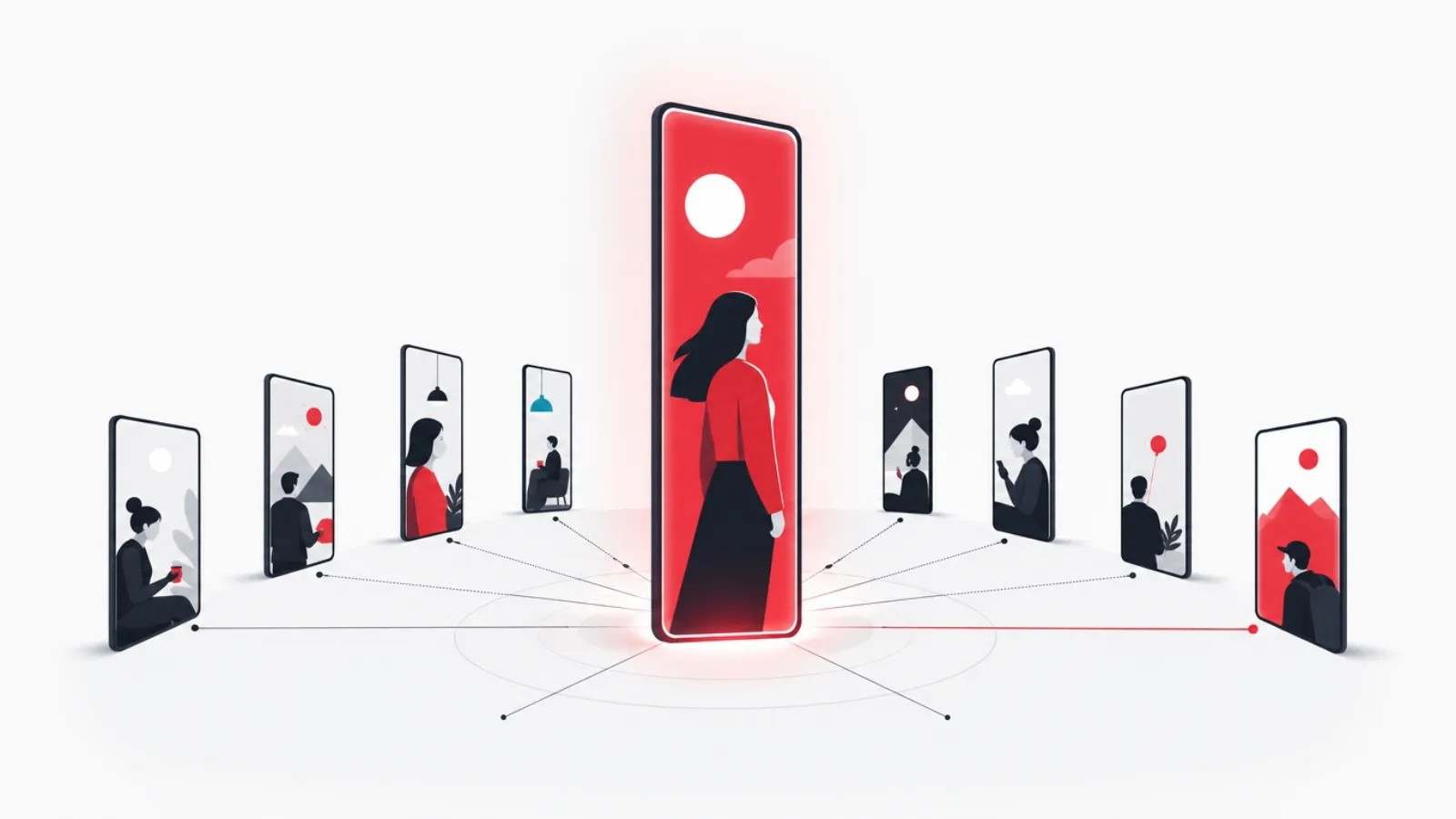
The best apps like TikTok in 2026 are YouTube Shorts and Instagram Reels for reach and creator payouts, Snapchat Spotlight for a younger audience, RedNote (Xiaohongshu) for lifestyle discovery with a commerce layer, and Clapper or Fanbase for smaller communities with looser algorithmic pressure. Triller, Clash, Dubsmash and most of the 2020-era alternatives are gone or pivoted, so older lists recommend ghosts. If you want TikTok's format with a different owner, Shorts and Reels are the serious answers; everything else is a niche with a specific reason to exist.
The search for apps like TikTok never stops, and the reasons rotate: the on-again off-again US ban saga, creator payout frustrations, algorithm fatigue, parents looking for calmer feeds, or simple curiosity about what else does this. What has changed by 2026 is the answer. The wave of standalone TikTok clones that lists used to recommend, Triller, Clash, Dubsmash, Zynn, has almost entirely died, while the giants absorbed the format so thoroughly that short vertical video is now a tab in every app you already have.
So an honest guide to TikTok alternatives in 2026 has three jobs. First, name what actually works now, and for whom: the big-graph feeds, the commerce boards, the community-first survivors. Second, clear the graveyard, because recommending Dubsmash in 2026 is recommending a door that closed years ago. Third, answer the question underneath the question for a meaningful slice of readers: what it takes to build a short-video product, since TikTok-like has become a genre founders still pitch weekly.
That third job is ours by trade. AgileTech builds mobile and social products from Hanoi, video pipelines and feeds included, and the closing sections price the TikTok-like ambition honestly: which parts of the product are commodity, which part is the actual moat, and why most short-video pitches should become something narrower.
Key takeaways
- The TikTok-alternative market consolidated brutally: Dubsmash was shut down after its Reddit acquisition, Clash quietly died, and Triller pivoted away from being a consumer TikTok rival. Lists from 2023 recommend apps you cannot meaningfully join.
- YouTube Shorts and Instagram Reels won the format war by bundling: they attached short video to existing billion-user graphs and creator payment systems, which no standalone challenger could match.
- The interesting survivors are wedges, not clones: RedNote for shoppable lifestyle content, Clapper for an older no-frills community, Fanbase for creator ownership, Likee in specific regions.
- The US ban saga changed user behavior more than user counts: audiences learned to keep a second short-video home, and creators learned to cross-post everything, which quietly benefits every alternative on this list.
- Short video is now a feature, not a product: every platform from Spotify to LinkedIn ships a vertical video feed, which is exactly why standalone clones stopped being fundable.
- For builders, the lesson is the recommendation engine, not the camera: TikTok's moat was interest-graph ranking at scale, and any product copying the screens without the ranking has copied the cheap half.
The ban saga, briefly, and why it matters for alternatives
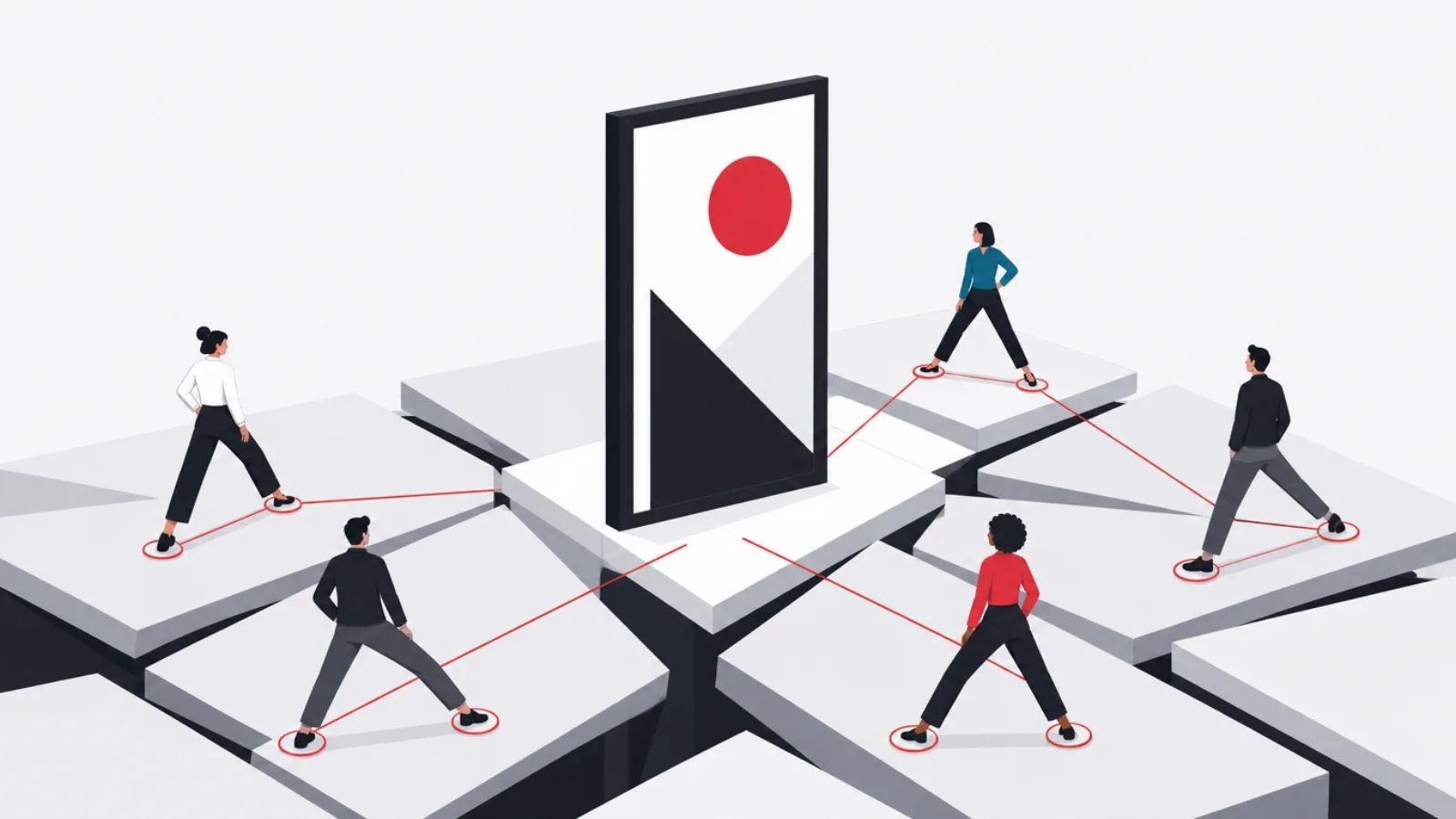
You cannot write about TikTok alternatives without the regulatory backdrop, because it manufactured most of the category's demand spikes. The short version: US legislation in 2024 required TikTok's divestiture from ByteDance on national-security grounds, the app briefly went dark in January 2025, and there followed a long negotiated period of extensions and a US joint-venture arrangement that kept the app running for American users. India, meanwhile, banned TikTok outright back in 2020 and never reversed, which is why the world's largest TikTok-less market grew its own short-video ecosystem.
Each flashpoint taught the same behavioral lesson. During the January 2025 blackout, US users did not wait patiently; they stampeded to RedNote, a Chinese lifestyle app, in the millions, briefly making it the top App Store download, and creators accelerated what they had already learned to do: cross-post everything to Shorts and Reels as insurance. Audiences now keep a second home for short video the way people keep a spare key.
For this guide, the practical consequence is that alternative is no longer hypothetical. Every app below has absorbed at least one real migration wave, which is the best stress test a social product can get: we know how they behave when a million strangers arrive in a week.
The serious answers: YouTube Shorts and Instagram Reels

YouTube Shorts is the strongest single alternative for most people, and the reasons compound. The audience is effectively everyone: Shorts surfaces to YouTube's billions across phone, web and television. The creator economics are the best in the category, because Shorts participates in YouTube's revenue-sharing system, the most mature payout machinery in the industry, and a Shorts audience upsells into long-form subscribers, which is the career path pure TikTok creators envy. Discovery is genuinely strong, powered by the same recommendation machinery as the main feed. What Shorts still lacks is TikTok's cultural velocity: trends arrive there a beat later, and the comment culture is YouTube's, for better and worse.
Instagram Reels is the second serious answer and the first one for anyone whose social graph already lives on Instagram. Reels gets Meta's full distribution: cross-promotion into the main feed, stories and Facebook, monetization programs that have cycled through bonuses toward ad-revenue arrangements, and the best brand-deal marketplace in the business, since advertiser budgets concentrate on Meta. The trade-offs are also real: Reels' editing tools trail CapCut-native workflows, recycled TikTok watermarked content gets suppressed, and the algorithm favors polish over the scrappy authenticity that made TikTok feel alive.
The honest comparison between the two: Shorts for building a durable creator business, Reels for reaching people you already know and brands that already spend. Most working creators stopped choosing years ago and post to both within an hour of posting to TikTok, which is the real 2026 strategy: the format won, so distribute everywhere it lives.
RedNote and the shoppable feed: the alternative that is actually different
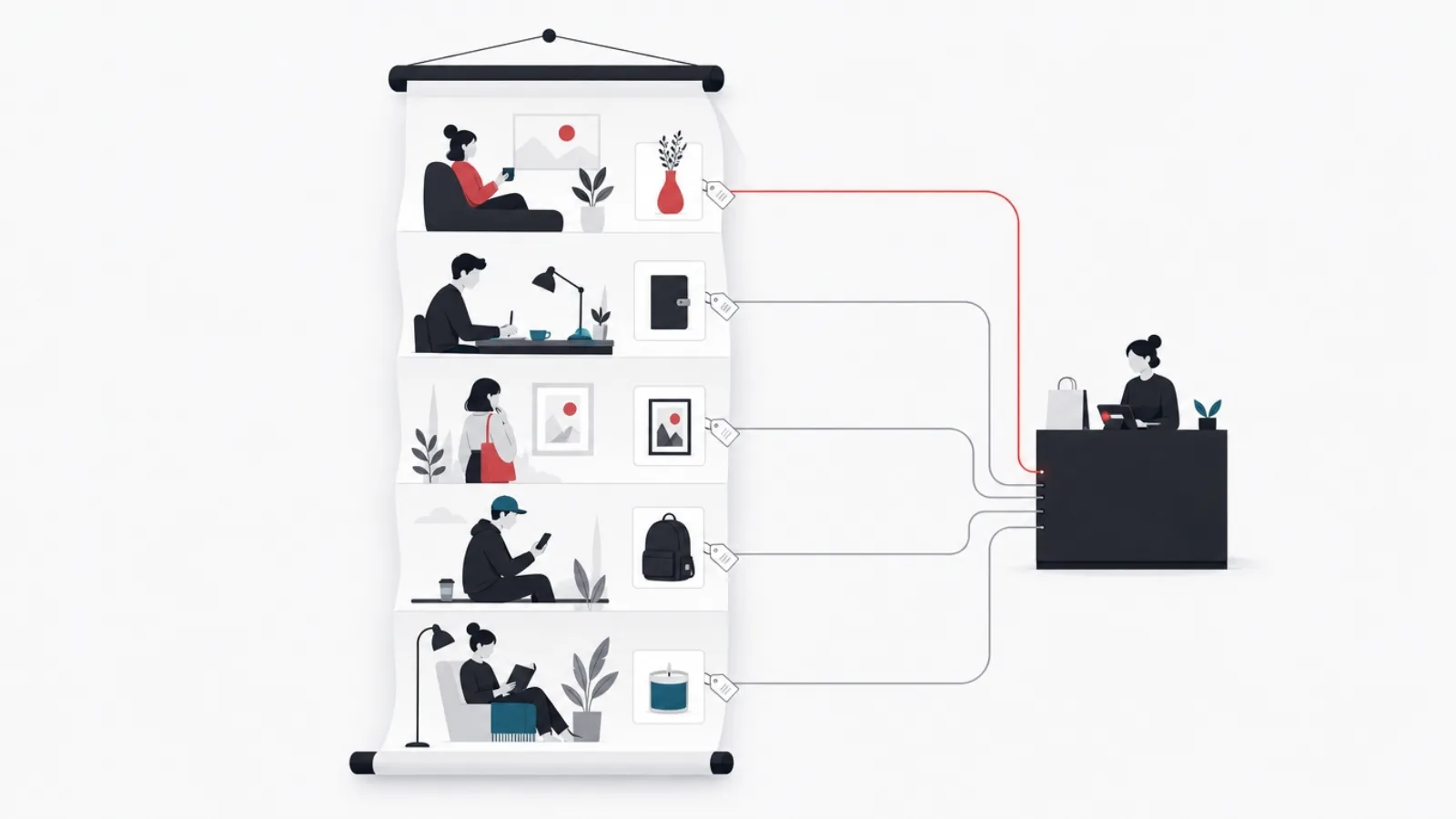
RedNote, the English-facing identity of Xiaohongshu, is the most interesting entry on this list because it is not trying to be TikTok. Its grammar is lifestyle discovery: short video and photo posts organized around things you might want to try, buy, cook, visit or wear, with community notes and reviews layered in and a commerce path a tap away. When American users flooded in during the January 2025 blackout, the app briefly became a genuine cross-cultural experiment, and while most of the tourists left, a real overseas audience stayed for exactly what makes it different: a feed that feels like browsing a magazine with opinions rather than being fire-hosed entertainment.
Its Chinese-market sibling dynamics matter for context: at home, Xiaohongshu sits alongside Douyin (TikTok's Chinese twin) and Kuaishou in a mature ecosystem where live commerce and shoppable video were normal years before Western platforms copied them. Watching RedNote is watching that playbook translate westward in real time, which is precisely why retail and creator-economy people should have it installed even if they never post.
The practical read for users: RedNote suits lifestyle niches, beauty, food, travel, fashion, home, better than comedy or commentary, moderation follows Chinese platform norms which surprises some Western users, and the algorithm rewards helpfulness and aesthetics over velocity. It is not where you go to replace TikTok; it is where you go when what you liked about TikTok was discovering things rather than watching people talk.
The community survivors: Snapchat Spotlight, Clapper, Fanbase, Likee
Snapchat Spotlight is the quiet overperformer. It inherits Snapchat's enormous under-25 audience, pays creators through an established rewards program, and benefits from a cultural quirk: content there is judged inside a messaging app between friends, which makes it feel lower-stakes than performing for a global feed. For young creators already living in Snapchat, Spotlight is the lowest-friction alternative on this list. Its ceiling is structural: Spotlight is a tab in a messenger, and its discovery reach outside Snapchat's demographics is thin.
Clapper and Fanbase survive on the opposite strategy: being deliberately not TikTok. Clapper serves an older-skewing, no-frills community, live streaming and direct creator support included, with lighter algorithmic pressure and a culture that tolerates ordinary people being ordinary. Fanbase leads with creator ownership, subscriptions and monetization from the first follower rather than after a payout threshold, and grew a real community around that promise. Neither will hand you TikTok-scale reach; both offer what the giants cannot, which is being visible in a small pond and paid from day one.
Likee rounds out the list as the regional player, with a large user base concentrated in South and Southeast Asia and the Middle East, heavy effects tooling, and a Douyin-adjacent feature set. In its strong regions it is a genuine TikTok peer; elsewhere it is an also-ran. The same regional logic applies to India's post-ban ecosystem, Moj, Josh, and Instagram Reels' massive Indian audience, which collectively demonstrate what happens when a TikTok-shaped hole actually opens: local players and Meta split the spoils.
The 2026 alternatives, honestly compared
| App | Best for | Creator economics | The catch |
|---|---|---|---|
| YouTube Shorts | Building a durable creator business | Revenue sharing, long-form upsell | Trends arrive a beat late |
| Instagram Reels | Existing graphs, brand deals | Ad-revenue programs, top brand marketplace | Favors polish; watermarks suppressed |
| Snapchat Spotlight | Under-25 creators already on Snap | Established rewards program | Reach capped by Snap demographics |
| RedNote | Lifestyle discovery and commerce | Brand collabs, commerce links | Different moderation norms; niche fit |
| Clapper | Older users, small communities | Live gifting, direct support | Small pond by design |
| Fanbase | Creator ownership and subscriptions | Paid from the first subscriber | Reach is what you bring |
| Likee | South and Southeast Asia, MENA | Regional programs | Thin outside its regions |
Reach and payouts are where the giants win; community visibility and ownership are where the survivors do. The dead are listed in the warning above, not here.
Which TikTok alternative should you actually use?
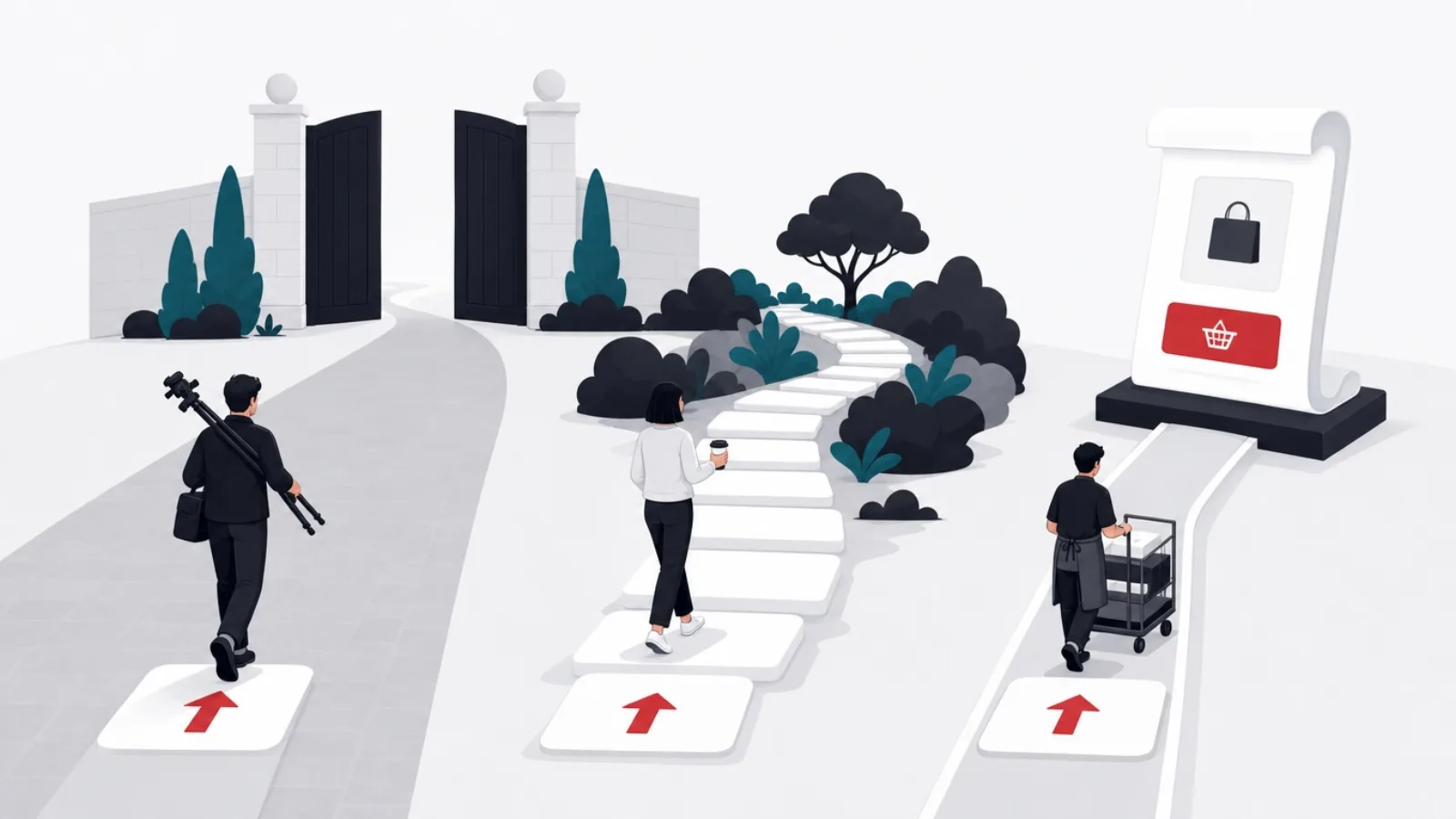
For viewers, the decision is taste. If you want the closest experience to TikTok's feed, Shorts and Reels are the answers and you already have them installed. If what you loved was discovery of things rather than entertainment, RedNote. If you want calmer, smaller and stranger, Clapper. Watching habits transfer in a week; the only real cost is retraining a recommendation engine, and every one of these apps gets sharp within a few evenings of honest use.
For creators, the decision is arithmetic. Distribution: Shorts and Reels, always, cross-posted within the hour. Career durability: Shorts, because the long-form upsell is the only reliable path from short-video fame to sustainable income. Community and early money: Fanbase or Clapper, where a thousand real fans are visible instead of drowned. Niche commerce: RedNote, if your content sells things. The one strategy that fails in 2026 is exclusivity to any single platform, TikTok included; the ban saga made that a lesson everyone has now learned twice.
For parents asking a quieter version of this question: the alternatives are not meaningfully safer by architecture, they are safer by settings. Every app above ships supervised modes, screen-time controls and DM restrictions; the platform matters less than whether those switches get flipped and whether the recommendation feed has been taught anything worth recommending.
Pick your alternative by what you are actually optimizing
What do you want that TikTok is not giving you?
-
Reach and real payouts
YouTube Shorts + Instagram Reels
The two biggest graphs in the world, the most mature payment systems, and insurance against the next regulatory cliff.
-
Discovery of things, not just entertainment
RedNote
Lifestyle content with commerce built in, and the app already survived one real migration wave intact.
-
Visibility in a smaller pond, money from day one
Fanbase or Clapper
Community-scale feeds where new creators are seen, with subscription and gifting economics from the first fan.
-
A younger audience you already have
Snapchat Spotlight
The lowest-friction surface for creators whose social life already runs through Snap.
Four honest branches; most working creators take the first and one other simultaneously.
What building an app like TikTok actually involves
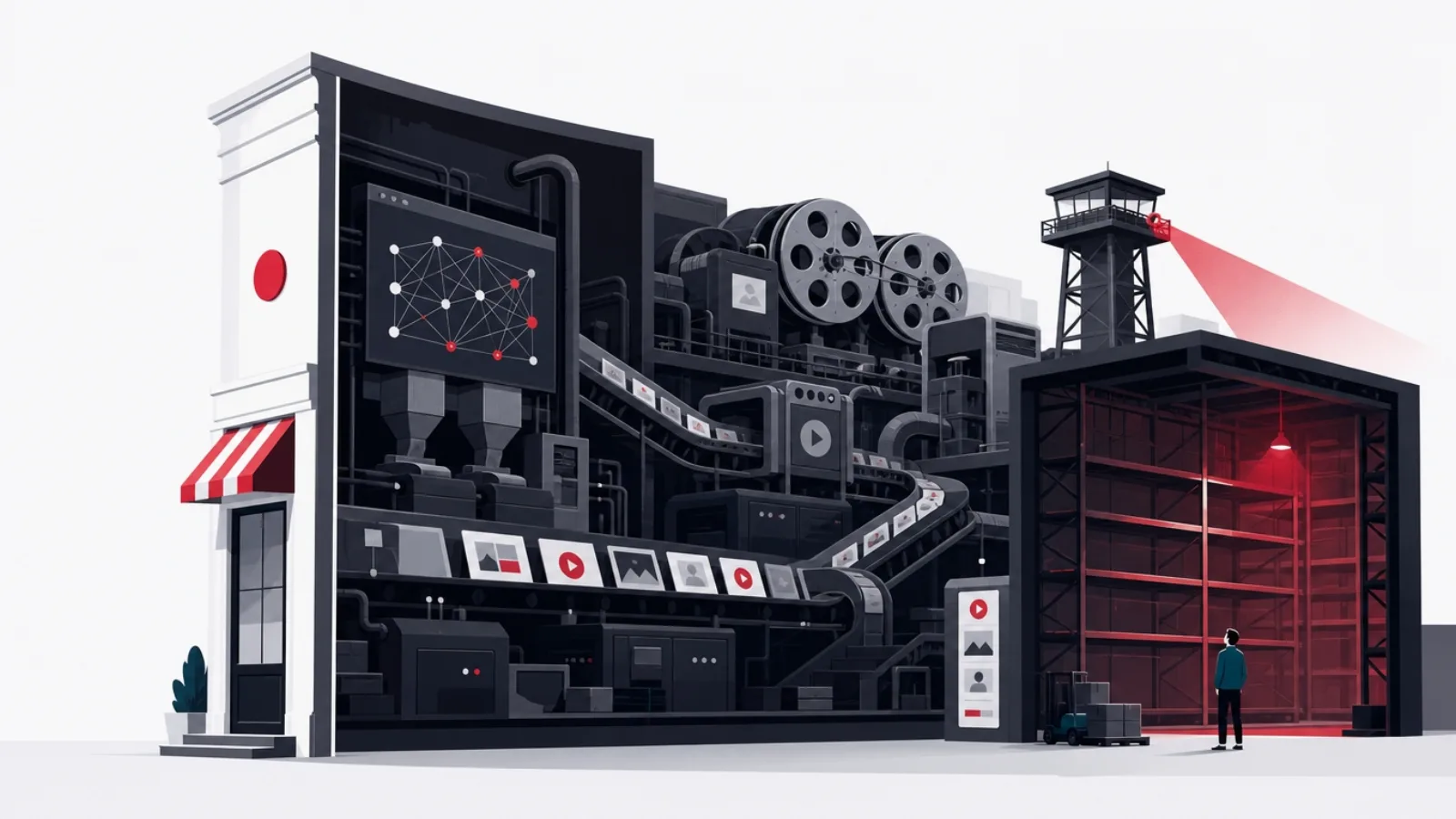
A steady share of readers arriving at this article are not choosing an app; they are pitching one. So here is the builder's honest breakdown. A TikTok-like product decomposes into four systems. The capture and editing layer: camera, filters, effects, music, timeline editing, largely commodity now via platform SDKs and licensed components. The video pipeline: upload, transcode, store and deliver millions of clips at mobile-network quality, expensive but solved, rentable from cloud vendors. The social layer: profiles, follows, comments, DMs, notifications, standard social plumbing. And the ranking engine: the interest-graph recommendation system that decides what each user sees next, which is the entire moat and the part no one can buy off a shelf.
That last sentence deserves its own paragraph, because it explains the graveyard section above. Triller, Clash and Dubsmash all shipped competent versions of the first three systems. None matched the fourth, and the fourth is the product: TikTok's achievement was never the camera, it was making the two-hundredth video you see feel chosen. Building toward that requires data flywheel thinking from day one, instrument every watch-second, every rewatch, every scroll-away, and a cold-start plan for recommending before you have data, which usually means launching narrow enough that editorial curation works while the engine learns. This is the same wedge logic we walk through in scoping a social network MVP, and it is why the fundable version of this pitch in 2026 is almost never "TikTok for everyone" and almost always "recommendation-driven short video for one vertical": cooking, real estate, hiring, education, fitness.
The budget conversation, honestly: a credible vertical short-video MVP, capture, pipeline, feed, baseline moderation, an interest-ranking first version, typically lands in the 100,000 to 250,000 US dollar range with an offshore product team, with the video infrastructure and moderation tooling as the recurring costs founders underestimate; the full framework is in our guide to what software genuinely costs. Trust and safety is not optional garnish either: short-video products attract minors, which activates age-assurance and content-moderation obligations that regulators from the EU to the UK now enforce with real penalties. Budget the moderation queue with the same seriousness as the transcoding bill.
Pitching a short-video product in 2026
Do this
- Wedge on a vertical, not a demographic vibeShort video for real estate tours or skill tutorials has distribution, buyers and a cold-start plan. "TikTok but nicer" has none of the three.
- Treat the ranking engine as the productInstrument watch-time signals from the first build, and plan the editorial bridge that feeds the algorithm before data exists.
- Rent the video pipelineTranscoding and delivery are solved, metered problems. Owning them early is burning runway on undifferentiated plumbing.
- Design moderation for scale you hope forReport queues, strike systems and age gates cost little as architecture and quarters as retrofit, and the law now assumes them.
Not this
- Clone the screens and call it strategyThe graveyard apps all looked like TikTok. Looking like TikTok was never the hard part.
- Launch broad and let the algorithm sort itRecommendation engines are useless before data. Broad launches produce random feeds, and random feeds produce day-two churn.
- Promise creator payouts you cannot sustainZynn paid users to watch and died in a year. Payout economics only close at ad-scale or subscription-scale; plan which.
- Defer the trust layer until growthShort video plus minors plus DMs is the highest-scrutiny combination in consumer software. Regulators no longer accept "we are early".
Patterns from the winners and the graveyard, translated into scoping decisions.
The real conclusion: the format won, not any app

Step back from the list and the shape of the story is clear. The question "what are the best apps like TikTok" used to mean "which challenger might replace it". In 2026 it means "where else does this format live", because the format conquered everything: Shorts and Reels at billion scale, Spotlight inside a messenger, vertical video tabs inside Spotify, LinkedIn, Netflix and every news app, live-commerce video across the Asian platforms that invented it. Short vertical video stopped being an app category and became a layer of the internet.
That reframe resolves the anxiety that drives much of this search. If TikTok vanished tomorrow, the format, the creators and the audiences would redistribute within a quarter, exactly as the January 2025 blackout previewed. The durable question for users is which recommendation engine you want curating your evenings. The durable question for creators is which platforms pay and compound. And the durable question for builders is which niche still lacks its recommendation-driven video product, because the general war is over and the vertical ones are just beginning.
Our own vantage point on this market is the engineering room: the feeds, pipelines and moderation systems above are things we scope and build for clients, and the patterns in this article, wedge over clone, ranking over screens, trust as architecture, are the ones that separate the products that ship from the pitches that circle. The companion pieces on apps like Snapchat and the wider social media leaderboard read this same market from other angles.
Since publication, two neighboring guides have shipped that sharpen the builder conclusion above. How free apps make money walks through the ad, commerce and creator-fund economics that decide whether a short-video product can pay its hosting bill, and Netflix alternatives covers the long-form side of the same attention market, where the same recommendation-engine logic applies with very different unit costs. The graveyard section stands as written.
Frequently asked questions
What is the best app like TikTok in 2026?
YouTube Shorts, for most people: everyone already has it, the recommendation engine is strong, and its creator revenue sharing is the most mature in the category. Instagram Reels is the co-answer for anyone whose social graph lives on Instagram. The interesting non-obvious picks are RedNote for lifestyle discovery with commerce, and Clapper or Fanbase for small-community visibility and early monetization.
What happened to Triller, Clash and Dubsmash?
They are gone as TikTok rivals. Dubsmash was acquired by Reddit in 2020 and shut down in 2022. Clash, which had absorbed the Vine-successor Byte, faded out entirely. Triller pivoted away from consumer short video toward live events and creator tools. The standalone-clone generation died because it could copy TikTok's screens but not its recommendation engine or payout economics.
Is TikTok still banned in the US?
The 2024 divest-or-ban law forced a brief shutdown in January 2025, followed by extensions and a negotiated joint-venture arrangement that kept TikTok operating for US users under new ownership structures. The situation has been fluid for years and can move again, which is exactly why creators now treat cross-posting to Shorts and Reels as basic insurance. India's 2020 ban, by contrast, remains fully in force.
Is there a TikTok for adults?
If the question means an app with an older-skewing community rather than a teen-dominated feed, Clapper is the honest answer, and Facebook Reels skews oldest of the big feeds. If it means adult content, the mainstream short-video platforms all prohibit it, and that content lives on age-verified creator-subscription platforms instead, which are a different category with different rules. This guide covers the general-audience market.
What app did everyone move to when TikTok went dark?
RedNote, the international face of China's Xiaohongshu, was the headline migration: millions of self-described TikTok refugees made it the top US App Store download during the January 2025 blackout week. Most drifted back or settled into Reels and Shorts once TikTok returned, but RedNote kept a real overseas audience, and the episode proved audiences can relocate in days.
How much does it cost to build an app like TikTok?
A credible vertical short-video MVP, capture, upload pipeline, recommendation feed, moderation baseline, typically runs 100,000 to 250,000 US dollars with an offshore product team, plus meaningful recurring costs for video delivery and moderation that scale with usage. The screens are the cheap part; the interest-graph ranking engine and the content cold-start are where TikTok-like products actually succeed or die, which is why the fundable 2026 version targets one vertical rather than everyone.
The format war is over; the vertical ones are starting. If your roadmap includes short video, a feed or a creator product, work with AgileTech, a software development company in Hanoi that builds the pipelines, ranking instrumentation and trust machinery this category demands.
Source: https://agiletech.vn/blog/apps-like-tiktok/ · (c) AgileTech Vietnam. Printed from agiletech.vn.