 Nguyen Manh Thang
Chief Executive Officer, AgileTech Vietnam
Nguyen Manh Thang
Chief Executive Officer, AgileTech Vietnam
- Published
- Last updated
- Read time
- 14 min
- Views
- 633

Read the AI overview
The best app to make friends depends on how you prefer to meet people. Bumble For Friends is the strongest swipe-style option for one-on-one matching, Meetup remains the best for interest groups at scale, and Timeleft and Pie lead the newer wave of apps that put you at a real table with strangers instead of in a chat thread. Nextdoor works for neighbors, Peanut for new mothers, and Yubo and Wink serve a younger crowd. Most people do best combining one matching app with one event app.
Friendship apps stopped being a curiosity around the time loneliness became a public health statistic. The US Surgeon General's 2023 advisory put the mortality impact of social disconnection on par with smoking, and app stores responded the way app stores do: with hundreds of products promising to fix it. Most are dating apps wearing a friendlier icon. A handful are genuinely built for platonic connection, and they are worth telling apart.
This guide covers the ten apps actually worth your time in 2026, grouped by how they work rather than ranked by a single score, because a swipe app and a dinner-reservation app are not competing on the same axis. For each one: what it is, what it costs, where it works, and the honest failure mode.
We come at this from an unusual angle. AgileTech is a product engineering firm in Hanoi that has scoped and built social and community products for clients, including the matching, chat and trust layers these apps run on. That work is why the second half of the article reads the market like a teardown: the same patterns that decide which app deserves your evening also decide which products survive.
Key takeaways
- Match-style apps (Bumble For Friends, Wink) are fast to start but stall at the chat stage. Event-first apps (Meetup, Timeleft, Pie, 222) convert to real meetings at a far higher rate because the meeting is the product.
- Every serious app in this category is free to try. Paid tiers mostly buy visibility and filters, not better matches, so exhaust the free tier before subscribing.
- Location coverage is the real constraint. Timeleft, Pie and 222 operate city by city; check yours before investing time in a profile.
- Safety features worth checking before you sign up: photo or ID verification, in-app video calls, public first-meeting nudges, and a block flow that also removes you from the other person's history.
- Friendship apps monetize gently or die loudly. Subscription plus event fees is the pattern that survives; heavy advertising kills the trust the category runs on.
- For founders, the category rewards a narrow wedge: a specific city, life stage or activity beats a general friend finder on both acquisition cost and retention.
How we compared them
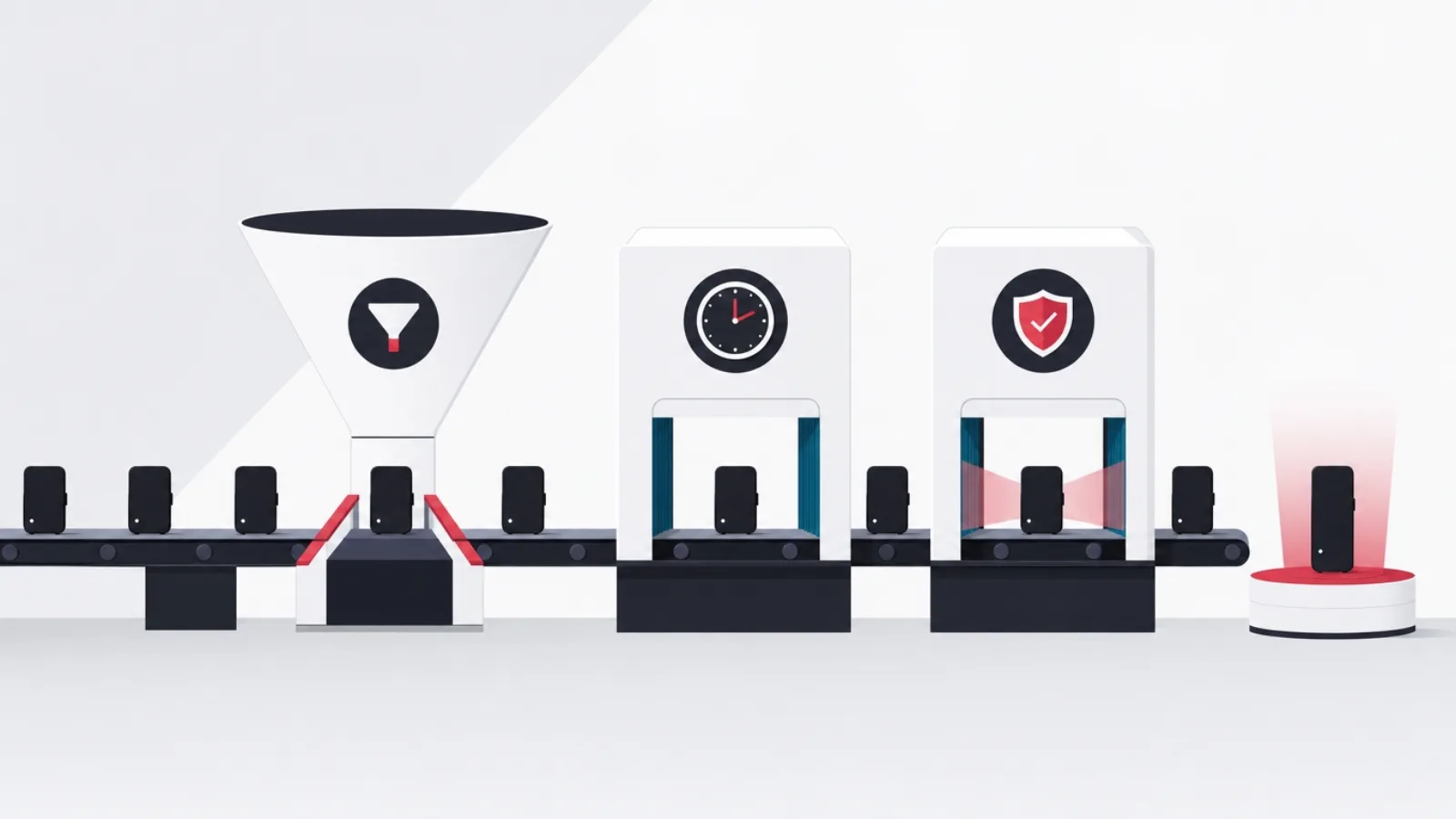
Every app here was evaluated on the same five questions. How does a connection actually start: a swipe, an event, a group, a proximity ping? How fast does the app move you from screen to table, since a friendship that stays in chat is not one? What does the free tier genuinely allow, and what does payment change? What does the app do about safety beyond a report button? And where does it actually operate, because half the newer entrants are live in a few dozen cities and quietly useless elsewhere.
What we did not do is rank them one to ten on a composite score. The category splits into three mechanics that suit different people: one-on-one matching, event and dinner formats, and location or life-stage communities. The best app for a 24-year-old who just moved to Austin is not the best app for a new mother in a suburb, and pretending one leaderboard covers both is how most listicles on this query earn their bounce rate.
Best for one-on-one matching: Bumble For Friends and Wink

Bumble For Friends is the safest first install for most adults. It began as BFF mode inside the dating app and was spun out as a standalone product, which tells you the demand was real. The mechanics are familiar: profiles, mutual opt-in, then chat, plus plan cards that nudge matches toward an actual coffee. Because it inherits Bumble's moderation infrastructure, photo verification and blocking are mature, which is not true of most young rivals. The free tier is workable; the paid tier mostly buys visibility and unlimited likes.
Its failure mode is inherited too: matching feels like progress while being mostly potential energy. A healthy pattern is to move any promising match toward a concrete plan within a week, because week-old friend chats die at roughly the rate week-old dating chats do.
Wink takes the same mechanic to a younger audience, with heavy Gen Z skew and a points economy borrowed from gaming. It is fast and low-pressure, and its scale means matches come quickly. The trade-off is depth: conversations skew short, and the youngest cohorts treat it as a follower-collection game. Adults over 25 will usually do better on Bumble For Friends.
- Bumble For Friends iOS and Android, free with optional premium. Best overall for adults who want one-on-one matching with mature safety tooling.
- Wink iOS and Android, free with in-app purchases. Best for under-25s who want volume and low stakes; weakest for conversation depth.
Best for meeting in person: Meetup, Timeleft, Pie and 222

Meetup is the incumbent and still the highest-probability route to a recurring social circle. It is not really an app for making a friend; it is an app for joining a group that meets weekly, which is where friendships actually form. Hiking groups, language exchanges, board game nights, founder breakfasts: the inventory in any large city is enormous. It is free to attend most events, and organizers pay to host. The failure mode is passivity, since browsing groups produces nothing until you attend one three times.
Timeleft is the standout of the newer wave. Every Wednesday it seats you at dinner with five strangers matched by a personality questionnaire. You do not browse profiles at all, which removes the swiping treadmill entirely. It runs in hundreds of cities and charges per dinner or by subscription. The format works because it solves the hardest step, the first meeting, by simply scheduling it.
Pie and 222 attack the same insight differently. Pie, live in a growing list of US cities, is built around small hosted events and drop-in hangouts with a strong no-flaking culture. 222 uses a long compatibility survey to assemble curated dinners and bar nights, mostly for the under-35 crowd in major US cities. Both are excellent where they operate and nonexistent where they do not, so the first step for either is a coverage check.
The event-first apps, compared
| App | Format | Cost pattern | Coverage | Best fit |
|---|---|---|---|---|
| Meetup | Interest groups, recurring events | Free to attend most events | Global, strongest in cities | Building a circle around a hobby |
| Timeleft | Weekly dinner with five strangers | Per dinner or subscription | Hundreds of cities worldwide | Busy adults who want scheduled serendipity |
| Pie | Hosted small events and hangouts | Free plus paid events | Select US cities | People who want low-pressure group formats |
| 222 | Curated dinners and bar nights | Per event, survey-matched | Major US cities | Under-35s who trust the algorithm |
Event apps trade reach for conversion. Meetup works almost everywhere; the dinner apps work in far fewer places but move you from install to a shared table within a week.
Best for neighbors and life stages: Nextdoor and Peanut
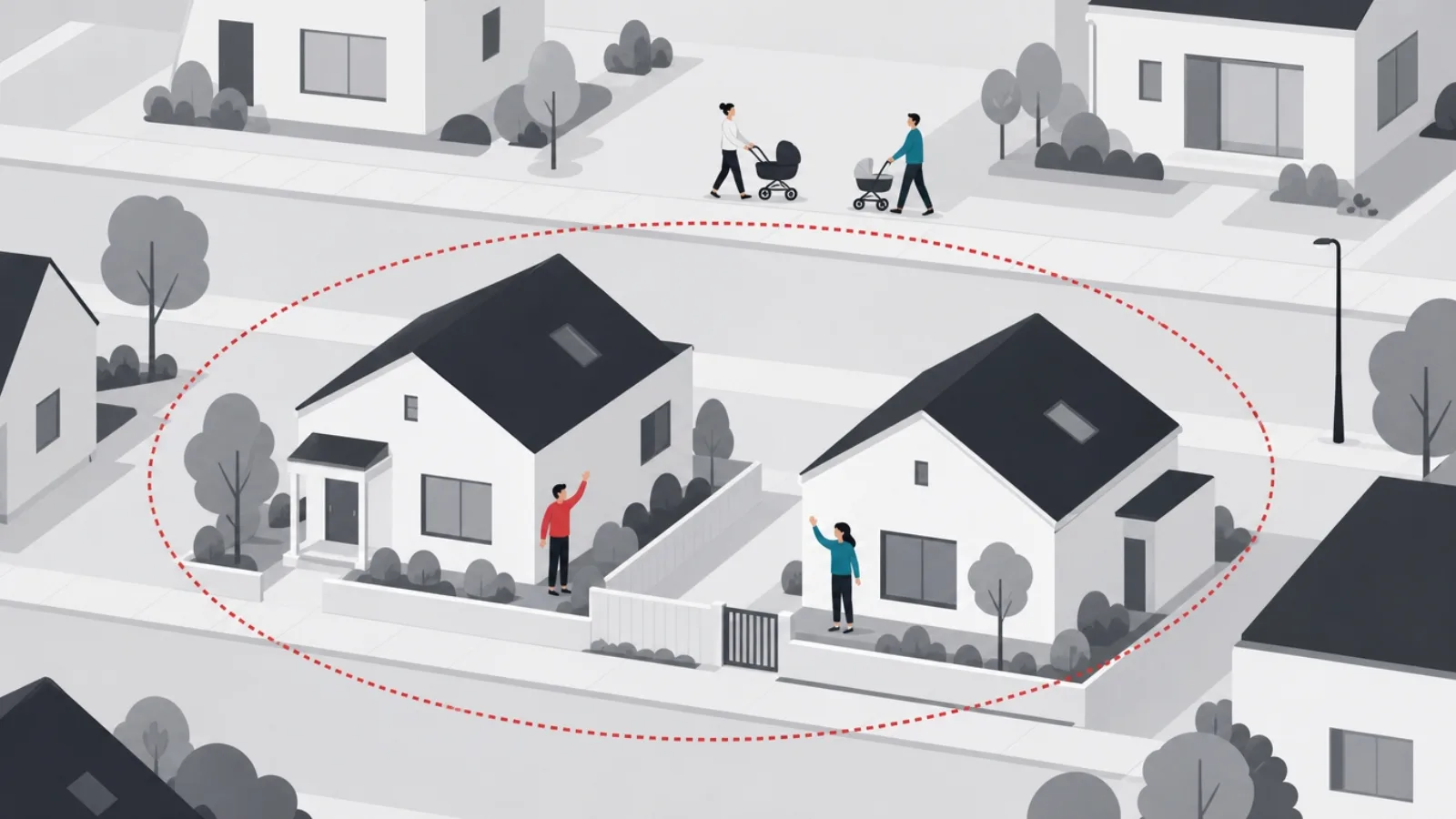
Nextdoor is not marketed as a friendship app, and that is precisely why it works as one. Because membership is verified by address, the people you meet are guaranteed to live within walking distance, which removes the single biggest killer of app-made friendships: logistics. The route to friendship here is sideways, through a dog-walking thread, a tool-lending post, a local event. It is free, and its moderation quality varies neighborhood by neighborhood with the volunteers who run it.
Peanut serves a specific and underserved moment: new motherhood, pregnancy and fertility, life stages that isolate people precisely when they most need peers. The mechanics are swipe-like but the intent is unambiguous, and the shared context does the icebreaking. It is free with a subscription tier, and it is the strongest example of a pattern founders should notice: a narrow life-stage wedge with a built-in reason to talk beats a general friend finder.
Honorable mentions in the community lane: Geneva hosts group chats and clubs and skews young and urban, and Strava's clubs quietly generate more real-world meetups than most dedicated friendship apps, because a Saturday run is a plan by default.
Best for under-21s: Yubo, with caveats
Yubo is the largest app built specifically for teens and young adults to meet new people, structured around live group video rooms rather than one-on-one matching. It age-gates cohorts so adults and minors are separated, runs ID and age-estimation checks, and moderates live streams algorithmically. Those are stronger controls than most of the category, and they exist because the audience demands them.
The caveats are real. Any app that connects strangers to minors deserves parental attention regardless of its tooling, and Yubo's own safety pages say as much. For university-age users it functions as a low-stakes social discovery layer. For younger teens, the honest advice is that the school robotics club still outperforms every app on this page.
The safety checklist, whichever app you choose
- Verify your own photos, and prefer verified profilesVerification cuts catfishing on both sides and most apps rank verified profiles higher anyway.
- Keep the first meeting public and daylightCoffee shops and group events, not homes. Every reputable app nudges this; treat resistance to it as a signal.
- Move off-app slowlyThe in-app chat is moderated and blockable. A phone number is neither. Share it after a real meeting, not before.
- Tell one person where you are goingA calendar entry shared with a friend costs nothing and turns a bad edge case into a manageable one.
- Trust the mute and block buttonsBlocking someone who feels off is not rude, it is the system working as designed.
Every item here takes under a minute and each one removes a real failure mode. The apps themselves recommend most of this; people skip it anyway.
Which app should you actually install?
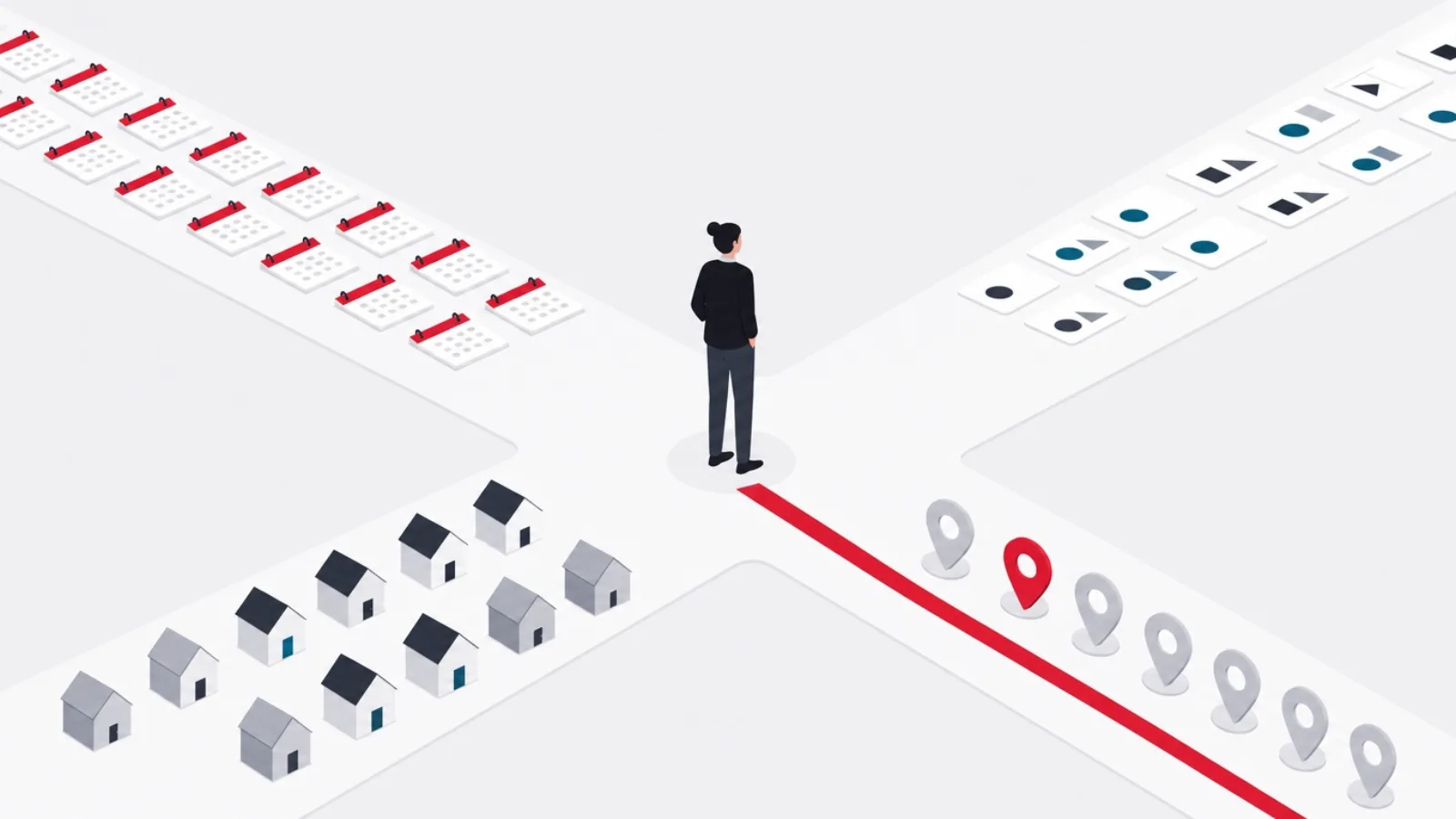
The honest answer for most adults is two apps, not one: a matching app for one-on-one reach plus an event app for conversion. Bumble For Friends plus either Meetup or Timeleft covers the whole funnel, from discovering compatible people to sitting across a table from them. Running five apps at once produces notification fatigue and five shallow profiles, which underperforms two maintained ones.
The decision below compresses the whole article. Start from how you want to meet people, not from app store ratings, because the ratings measure onboarding polish, not whether you will have three new friends in six months.
Pick by how you want to meet, not by rating
How do you actually want to meet new people?
-
One-on-one, chat first, at my own pace
Bumble For Friends
Mature moderation, the largest adult platonic pool, and plan-making prompts that push chat toward coffee.
-
Around a hobby, with a recurring group
Meetup
Groups that meet weekly are where friendship actually compounds, and the inventory in cities is unmatched.
-
Just put me at a table with strangers
Timeleft, or Pie and 222 where available
The first meeting is the hardest step, and these apps make it the default rather than the goal.
-
Near my home, or in my life stage
Nextdoor, or Peanut for new mothers
Shared geography or shared circumstance provides the icebreaker and kills the logistics problem.
Each branch names the primary install; pairing it with one app from another branch improves the odds further.
What this market teaches anyone building a social product

Read as a product category, friendship apps are a masterclass in mechanics mattering more than marketing. The swipe apps borrowed an interaction model built for romance, where motivation is high and exclusivity is the goal, and applied it to friendship, where motivation is diffuse and people need groups, not queues. The result is the category's defining metric problem: installs and matches look healthy while real-world conversion stays low. The event-first wave wins where it operates because it moved the product boundary from the chat screen to the dinner table.
The monetization pattern is just as instructive. This audience is allergic to being farmed: heavy advertising or aggressive paywalls read as exploitation of loneliness and show up immediately in reviews. What survives is gentle subscription plus per-event fees, which aligns revenue with the moment of delivered value. And the winners increasingly start narrow: a city, a life stage, an activity, because a wedge audience gives density, and density is the entire product. We walk through the same scoping logic, feature by feature and cost by cost, in our guide to building a social network MVP.
If you are sizing such a build: the trust layer is the part teams underestimate. Verification, moderation queues, block flows that propagate correctly, and region-specific compliance are not features to bolt on later; they are the reason users stay, and in several jurisdictions they are the law.
Since this guide was published, the surrounding cluster has filled in. If your real question is the romantic side of the same mechanics, how to create a dating app covers the matching, safety and monetization decisions in depth. If you are leaving a large network rather than looking for a new one, Facebook alternatives maps the options by what each one actually replaces. The pairing logic in this section has not changed: pick one mechanic that matches your situation, then add one from a different branch.
Building in this category: what the survivors did
Do this
- Launch city by cityTimeleft, Pie and 222 all gate launches on local density, because ten thousand users in one city beat a million spread thin.
- Make the meeting the productFormats that schedule a real event convert; formats that optimize chat volume churn.
- Charge at the moment of valuePer-dinner and per-event pricing survives review-bombing that subscription-first pricing does not.
- Invest in trust before growthVerification and moderation are retention features. Every leader here treats them as such.
Not this
- Clone a dating app and recolor itThe mechanics fail for platonic intent, and users can tell within a session.
- Monetize attention with adsAdvertising against loneliness reads as predatory and this audience says so publicly.
- Launch nationwide on day oneThin density means empty feeds and dead first events, which are unrecoverable first impressions.
- Treat safety as a compliance checkboxOne well-publicized incident ends a young social app; the survivors over-invest deliberately.
Patterns from the apps above that lasted, against the ones from the 2022-2024 cohort that did not.
Frequently asked questions
What is the best app to make friends as an adult?
Bumble For Friends is the strongest single install for most adults: the pool is large, moderation is mature, and the mechanics are familiar. But the highest success rate comes from pairing it with an event-based app such as Meetup or Timeleft, because matching apps are good at finding compatible people and poor at getting you in the same room, and event apps are the reverse.
Are apps to meet new people actually safe?
The reputable ones invest heavily in safety: photo or ID verification, moderated chat, block and report flows, and prompts to keep first meetings public. The residual risk is the same as meeting anyone online. Keep first meetings in public places, tell someone where you are going, move to personal phone numbers only after meeting, and treat any pressure to skip those steps as disqualifying.
Is Bumble For Friends free, and what does paying add?
The core experience is free: profiles, matching and chat. The paid tier adds unlimited likes, visibility boosts and advanced filters. For most people the free tier is enough to judge whether the app works in their city; pay only once you are hitting the daily like limit with matches you actually pursue.
What is the best free app to make friends near me?
Meetup, for most people in most cities: attending the majority of events costs nothing and recurring groups are where friendships actually form. Nextdoor is the best free option for connecting specifically with neighbors. The dinner apps such as Timeleft are excellent but charge per event, so they are better described as cheap than free.
How do friendship apps make money if they are free?
The sustainable ones use a mix of subscriptions, per-event or per-dinner fees, and small in-app purchases such as visibility boosts. Advertising plays a minor role by design, because this audience reacts badly to being monetized through attention. If an app in this category shows heavy ads, treat it as a signal about how long it will be around.
What does it cost to build an app like Timeleft or Bumble For Friends?
A credible MVP with profiles, matching or event booking, chat and a basic trust layer typically lands between 60,000 and 150,000 US dollars with an offshore product team, and six figures more with US or EU agencies. The variables that move the number most are the matching logic, real-time chat infrastructure, and moderation tooling. The build is the smaller half of the problem; reaching user density in your first city is the larger one.
Reading a market this closely is the first step of building for it. If you are taking a social product from idea to launch, work with AgileTech, a software house company in Vietnam that has scoped, built and shipped the mechanics this category runs on.
Source: https://agiletech.vn/blog/best-apps-to-make-friends/ · (c) AgileTech Vietnam. Printed from agiletech.vn.