 Nguyen Manh Thang
Chief Executive Officer, AgileTech Vietnam
Nguyen Manh Thang
Chief Executive Officer, AgileTech Vietnam
- Published
- Last updated
- Read time
- 13 min
- Views
- 92

Read the AI overview
The best corporate LMS in 2026 depends on the anchor requirement. Docebo leads for multi-audience learning at scale (employees, partners and customers on one platform). Cornerstone and SAP SuccessFactors Learning win where the LMS must live inside a talent or HR suite. Absorb and LearnUpon are the strongest mid-market picks, powerful without suite baggage. 360Learning leads collaborative, expert-driven course creation. The decision is less about features, which have converged, and more about integration surface: which systems the LMS must sit inside, and who administers it daily.
Corporate LMS shopping differs from small-business shopping in one structural way: the platform will not be judged by the person who buys it. It will be judged by thousands of employees who did not choose it, administrators who inherit it, auditors who sample it, and integration engineers who must connect it to the HR, identity and content systems the company already runs. The best corporate LMS is therefore not the one with the best demo; it is the one that disappears into the company's existing machinery with the least ongoing friction.
This shortlist reflects that. The platforms below are compared by the jobs enterprises actually hire an LMS for, compliance at scale, leadership development, extended enterprise training, suite consolidation, and by the two criteria that decide satisfaction two years in: integration surface and administration burden. Feature grids are almost useless at this tier, because the features converged; the operating realities did not.
AgileTech's seat at this table: we build and integrate learning systems for enterprise clients, custom portals over LMS APIs, HRIS synchronization, analytics layers, and occasionally full custom platforms when the vendor ceiling is real. The closing sections give the honest version of that conversation: when corporate customization means configuring, when it means extending, and when it genuinely means building.
Key takeaways
- Corporate LMS features converged years ago; the real differences are integration surface (HRIS, identity, content libraries) and administration burden, which is where evaluations should spend their time.
- The suite question comes first: if your company runs SAP or a talent suite, the bundled LMS usually wins on integration even when a standalone beats it on learning experience.
- Extended enterprise, training partners, resellers and customers alongside employees, is the requirement that splits the market hardest: platforms priced per employee stumble when half your learners are external.
- Compliance at enterprise scale is an automation problem, not a content problem: recurring assignments, versioned policies, escalation chains and clean audit exports separate the corporate tier from the SMB tier.
- Per-user pricing is negotiable in ways vendors do not advertise: active-learner definitions, external-audience rates and multi-year commitments move real percentages at enterprise volume.
- The build conversation at corporate scale is usually a build-the-edges conversation: custom portals, integrations and analytics over a bought LMS core deliver most of the customization at a fraction of the risk.
What makes an LMS corporate: the four requirements that change the market
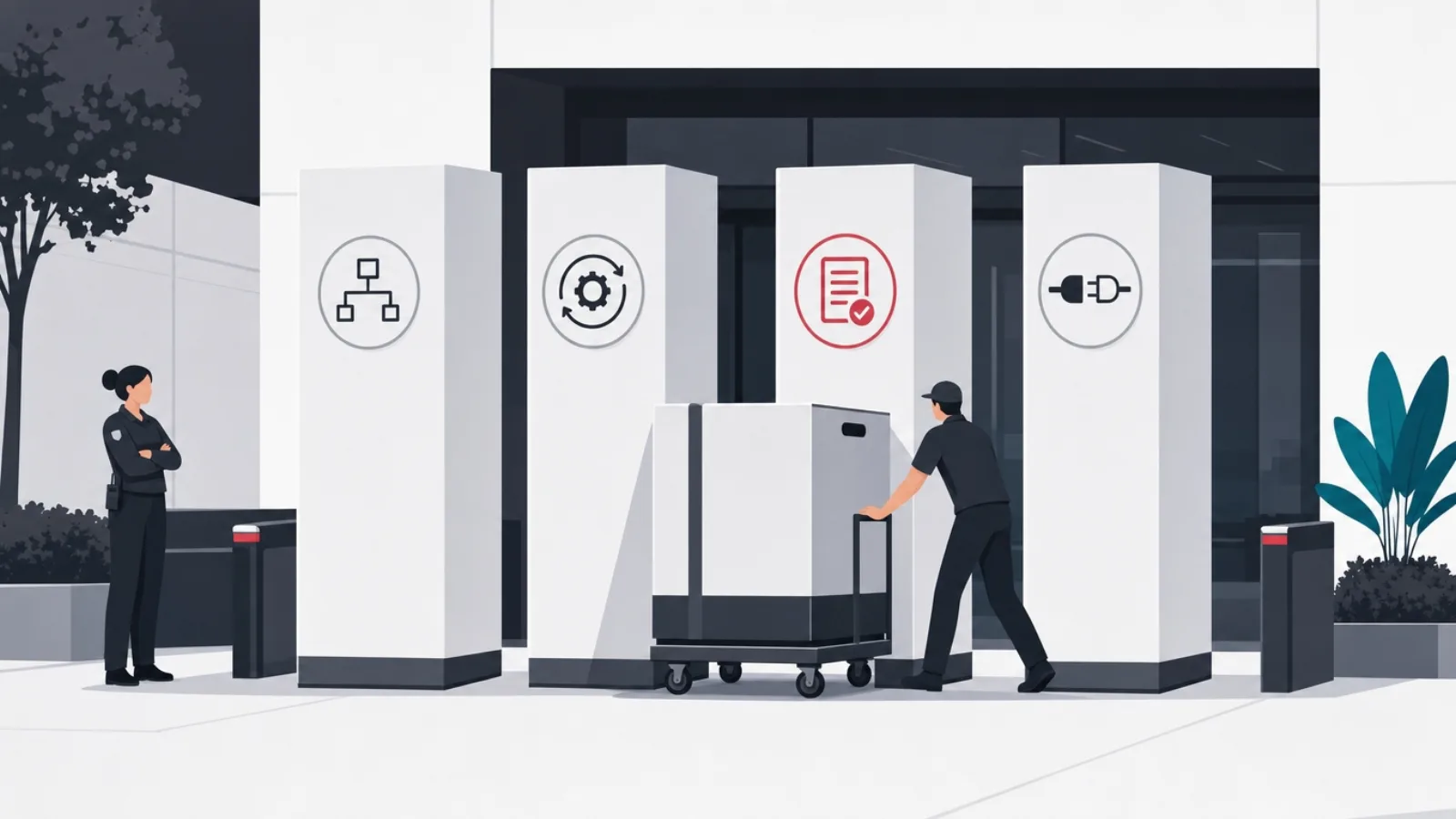
Four requirements separate the corporate tier from everything below, and each quietly disqualifies platforms that look fine in a demo. Scale with delegation: ten thousand learners require organizational hierarchies, delegated administration by region and department, and audience segmentation that mirrors the actual org chart, including its monthly reorganizations. Compliance automation: recurring certifications with versioned content, escalation chains for the non-compliant, and audit exports at a rigor a regulator accepts without a meeting.
Integration surface is the third and usually decisive one. A corporate LMS synchronizes people and org structure from the HRIS, authenticates through the identity provider, pulls content from licensed libraries, pushes completions into HR records and data warehouses, and increasingly feeds skills data into talent systems. Every arrow in that sentence is an integration that either exists as a supported connector or becomes a project. The fourth requirement is extended enterprise: training resellers, partners, franchisees and customers on the same platform as employees, with separate branding, separate access rules and pricing that does not treat an external learner like a salaried seat.
Reading vendor lists against those four is the fast filter. Platforms born in the SMB tier strain at delegation and HRIS sync; platforms born in the suite era handle both but carry suite weight; the modern standalone tier, Docebo, Absorb, LearnUpon and peers, competes precisely on covering all four without the baggage. That tension, capability against weight, is the axis the whole corporate market organizes around.
The standalone leaders: Docebo, Absorb, LearnUpon, 360Learning

Docebo is the reference standalone at the top of the market: genuinely multi-audience (employee, partner and customer learning on one platform with separate branded portals), a mature integration catalog, strong AI-assisted content tooling, and the scale record enterprises check references for. Its costs are the flip side: pricing lands enterprise-high, the platform's breadth demands a real administrator, and smaller companies often buy more machine than they can staff.
Absorb and LearnUpon are the strongest picks in the mid-market band, roughly one to ten thousand learners, and they win differently. Absorb pairs a polished learner experience with unusually strong reporting and a smart-administration layer that reduces daily burden; LearnUpon's reputation is operational simplicity at multi-portal scale, the extended-enterprise setup without the enterprise administration tax. Both integrate cleanly with the common HRIS and identity stacks, and both price more predictably than the suite tier.
360Learning occupies a lane worth naming precisely: collaborative learning, where courses are created by internal experts rather than a central L&D team, with co-authoring, reactions and iteration built into the product. For companies whose knowledge lives in practitioners' heads, sales methods, engineering practices, product knowledge, it converts that knowledge into courses faster than any top-down authoring model. The trade is governance: expert-generated content needs curation machinery, and compliance-heavy programs still want the central control the platform de-emphasizes.
The corporate shortlist, honestly compared
| Platform | Strongest for | Pricing shape | The catch |
|---|---|---|---|
| Docebo | Multi-audience learning at scale | Enterprise contracts, active-user based | Needs a real admin; priced accordingly |
| Absorb | Mid-market power with low admin burden | Per active user, modular add-ons | Deep customization pushes into services |
| LearnUpon | Multi-portal extended enterprise, simply run | Portal and user banded tiers | Analytics ceiling below the leaders |
| 360Learning | Expert-driven collaborative authoring | Per registered user, team tiers | Governance machinery needed at scale |
| Cornerstone | Talent-suite consolidation | Suite contracts, per employee | Suite weight; slower to change |
| SAP SuccessFactors Learning | SAP-run enterprises, compliance depth | Suite module pricing | The experience is the suite's, not the learner's |
| Workday Learning | Workday-run enterprises | Suite module pricing | Thin as a standalone learning product |
Placement reflects operating reality at enterprise scale, not demo quality. Pricing at this tier is negotiated; shapes are what compare.
The suite tier: Cornerstone, SuccessFactors, Workday Learning
The suite question decides more corporate LMS purchases than any feature: if the company already runs its HR spine on SAP SuccessFactors or Workday, or its talent processes on Cornerstone, the bundled learning module starts with an integration advantage no standalone can neutralize. People, org structures, roles and compensation events already flow inside the suite; compliance training triggered by a role change simply happens, where a standalone would need a connector, a mapping and a monitoring runbook.
The honest trade is learner experience against integration gravity. Suite learning modules are administratively powerful and experientially adequate: interfaces built by HR-systems companies, release cadences measured in quarters, innovation arriving after the standalones proved it. Companies that choose suites accept that trade knowingly, and the ones that regret it are usually those whose learning ambitions, customer academies, partner enablement, revenue-generating content, exceed what an employee-records company builds for.
The pattern that resolves most suite-versus-standalone deadlocks is the two-system reality: the suite module handles employee compliance and role-based training where its integration gravity pays, and a standalone (most often Docebo or LearnUpon in our client work) runs the extended enterprise, customers, partners, resellers, where branding, commerce and experience matter. It costs two contracts and pays for itself in fit; pretending one system serves both masters well is the expensive fiction.
Compliance at enterprise scale: the automation checklist
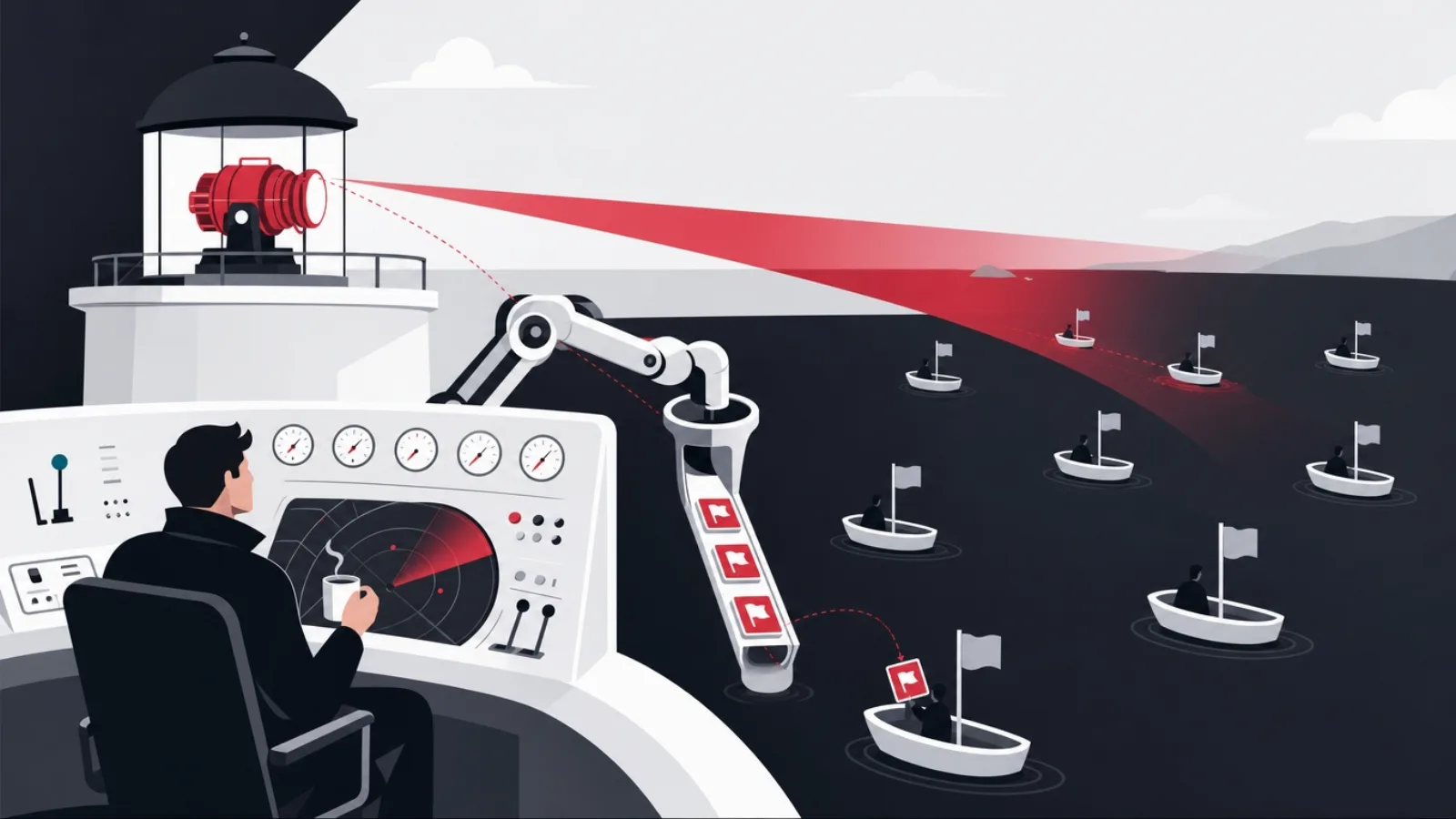
Enterprise compliance training is an automation and evidence problem. The content is usually purchased; what the LMS contributes is machinery: assignments that recur on anniversaries and role changes, policy versions that re-trigger training when documents change, escalation chains that notify managers before deadlines rather than after, and completion records that survive three years and a merger. Every corporate platform on this page claims all four; the pilots reveal how much configuration each claim hides.
The audit export deserves its own paragraph because it is the artifact careers depend on. A regulator or certifying body asks a narrow question, prove these five hundred people completed this versioned training within this window, and the difference between a platform that answers in one export and one that answers in a week of spreadsheet assembly is the difference the LMS was bought for. In pilots, run the exact export with historical data migrated in; migrated history is where exports break first.
Two scale-tier specifics worth checking that SMB evaluations skip: multi-jurisdiction content versioning, the same policy training differing by country and language with completions tracked against the right version, and contractor and contingent-worker handling, since audit populations rarely stop at payroll employees, and platforms priced and modeled per employee handle the extended population awkwardly. Both are five-minute demo questions and quarter-long retrofits.
The enterprise pilot checklist
- Sync the real org chartConnect the actual HRIS in a sandbox and run a mid-pilot reorg. Watch what breaks and who fixes it.
- Run the real audit exportMigrate a slice of historical completions and produce the exact report your last audit demanded.
- Stand up one external portalBrand a partner academy and price its audience. Extended enterprise claims meet reality here.
- Measure admin minutes per taskTime the ten routine tasks your L&D team does weekly. Administration burden is the two-year satisfaction predictor.
- Test the identity edge casesContractors, mergers, rehires and name changes. Identity is where LMS data quietly rots.
- Load the purchased content libraryYour actual SCORM and xAPI packages, on mobile, over the corporate network and its proxy.
Run the two-platform shortlist through these with real data. The suite-versus-standalone answer usually falls out by item four.
Corporate LMS pricing: shapes, traps and what negotiates

Corporate LMS pricing has three shapes. Per registered user, the bluntest, charges for existence and punishes turnover and dormant populations. Per active user charges for engagement, friendlier and increasingly standard, with the definition of active as the clause to read twice: monthly login is fair, receiving an assignment email is not. Suite module pricing bundles learning into the HR contract, which looks cheap per line and costs visibility, because unbundling later means re-procuring everything.
What negotiates at enterprise volume, in rough order of leverage: the external-learner rate (partner and customer audiences should price at a fraction of employee seats, and vendors expect the ask), the active-user definition, multi-year commitments traded for capped escalators, implementation and success-services fees (frequently halved or waived at quarter-end), and sandbox and test environments (should be free; often invoiced until asked). The pilot itself is leverage: two finalists piloting in parallel keeps both accountable.
The total-cost honesty that procurement decks skip: the license is typically half the three-year cost. Implementation and integration work, content licensing, internal administration headcount and change management carry the rest. A cheaper license with a heavier admin burden loses on total cost within the first renewal, which is why the pilot checklist above times administrative tasks rather than counting features.
The figures that decide a corporate LMS purchase
Establish these four before vendor conversations; they anchor every negotiation that follows.
The integration architecture: where the LMS actually sits
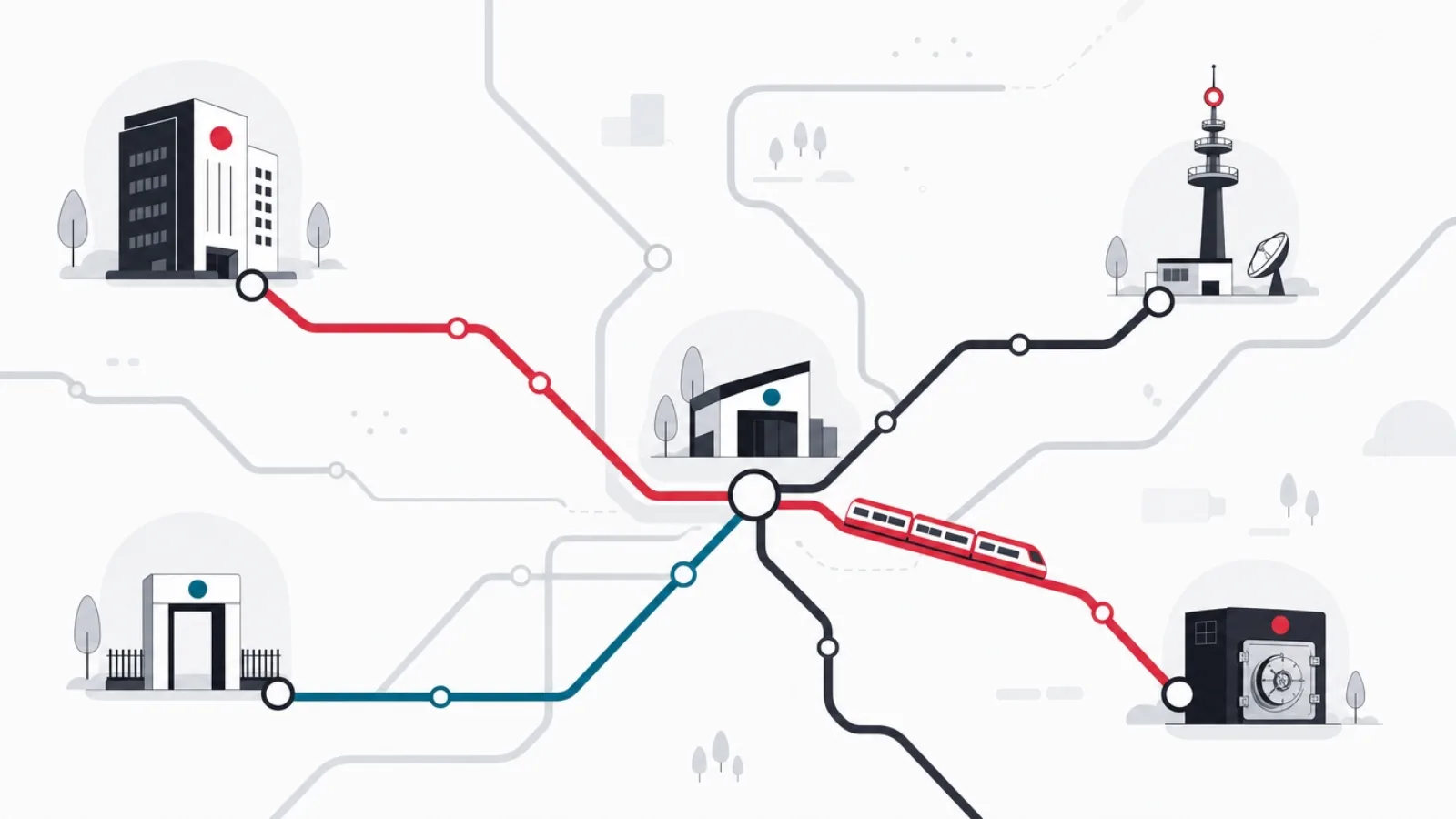
A corporate LMS is a node in a system, and drawing the system before buying prevents the most expensive surprises. Upstream, the HRIS is the source of truth for people and structure: the LMS consumes joiners, movers and leavers, and every audience rule depends on that feed's freshness. Identity flows through the company's single sign-on, with lifecycle events (suspension on exit above all) enforced at the identity layer. Content arrives from licensed libraries and internal authoring tools, packaged as SCORM or xAPI.
Downstream is where corporate requirements exceed SMB ones. Completions push back into HR records for compliance posture; learning events stream into the data warehouse where L&D analytics actually happen, because in-LMS reporting always ends one question short; and skills signals increasingly feed talent systems, the skills-graph ambition most vendors now market. Each downstream arrow needs an owner, a monitoring alarm and a documented replay path, the same integration discipline as any data platform work, because a silent three-week feed failure before an audit is the incident this architecture exists to prevent.
This architecture is also where the extend-versus-replace decision lives. Most corporate customization needs, branded portals, custom dashboards, workflow glue into ticketing and messaging tools, are edges on this diagram, buildable over the LMS's APIs without touching its core. That is deliberately the shape of most of our enterprise LMS engagements: the vendor keeps the learning machinery and its upgrades; the client owns the surfaces and flows that differentiate. Full replacement enters the conversation only when the core model itself cannot hold the workflow.
When corporate scale justifies custom, and when it does not

The threshold for full custom builds sits higher at corporate scale than founders expect, because the platforms above absorb enormous configuration before their ceilings appear. The genuine triggers we see: learning as a revenue product where the vendor's commerce and experience ceiling caps the business; regulated assessment workflows (aviation, healthcare, industrial certification) whose evidence chains no configurable model represents; and learning embedded so deeply in an operational workflow, field service, clinical practice, manufacturing floor, that a general-purpose LMS frame breaks the job. Absent one of those, custom is usually enthusiasm wearing a business case.
What corporate budgets actually buy when custom pays: a focused learning platform, curriculum, delivery, assessment with evidence capture, administration, analytics, integrated into the HRIS and identity stack from day one, typically runs 150,000 to 400,000 US dollars with an offshore product team depending on assessment complexity and integration count, with the costing mechanics laid out in our guide to what software genuinely costs. That is real money against a six-figure annual license, which is why the arithmetic only closes when the vendor ceiling costs revenue or risk, not merely aesthetics.
The staged path de-risks it: extend first (portals, dashboards, integrations over the bought core), isolate the genuinely custom workflow second (the regulated assessment engine as its own system beside the LMS), and replace the core last, if ever. Each stage ships value independently, and each teaches the requirements the next would need, the same build-versus-buy sequencing that governs the small end of the market, with more zeros attached.
Corporate LMS decisions: the patterns that hold
Do this
- Decide the suite question firstIf the HR spine is SAP, Workday or Cornerstone, evaluate its module seriously before the standalone market. Integration gravity is real.
- Pilot with real data and a real reorgThe differences between corporate platforms only appear under enterprise conditions. Manufacture those conditions in pilot.
- Price the external audience separatelyPartner and customer learners at employee rates is the quietest overspend in the market. Vendors expect the negotiation.
- Extend before you replaceAPIs over the bought core deliver most customization at a fraction of the risk, and preserve the vendor's upgrade path.
Not this
- Buy the demoCorporate LMS demos are rehearsed theater. The product you will live with appears only under your data, your org chart, your audit.
- Treat admin burden as a soft factorAdministration minutes are the largest unpriced cost and the strongest predictor of two-year regret. Time them.
- Consolidate audiences onto one unfit systemEmployee compliance and customer academies want different machines. The two-system reality beats the one-system fiction.
- Start custom because configuration is tediousTedium is not a ceiling. Custom pays only when the vendor model caps revenue or cannot hold a regulated workflow.
Drawn from enterprise procurements and the engineering engagements that follow them.
The shortlist, by situation
SAP or Workday runs your HR spine: evaluate the bundled module first, seriously, and let a standalone earn its way in only through the extended-enterprise door. Talent-suite consolidation is the goal: Cornerstone, with eyes open about suite weight. Ten thousand learners across employees, partners and customers: Docebo, staffed with the administrator it deserves. Mid-market, one to ten thousand, wanting power without weight: Absorb or LearnUpon, chosen by whether reporting depth or multi-portal simplicity is the sharper need.
Knowledge lives in practitioners and courses should come from them: 360Learning, with governance planned from day one. Compliance is the overwhelming job: whichever finalist passes the audit-export pilot with your migrated history, because that artifact is the purchase. And when learning is your revenue line or your workflow breaks every configurable model: the staged custom path, extend, isolate, replace, entered with the vendor ceiling demonstrated rather than presumed.
The meta-advice, at this tier more than any: buy the operating reality, not the roadmap. Every vendor's roadmap converges on the same AI-assisted, skills-graphed future; what differs today is how each platform behaves under your org chart, your audit and your administrator's Tuesday. The pilot checklist above measures exactly that, and the companion guides on choosing an LMS and the small-business market frame the tiers on either side of this one.
Frequently asked questions
What is the best corporate LMS in 2026?
By anchor requirement: Docebo for multi-audience learning at scale, Cornerstone or SAP SuccessFactors Learning where the LMS must live inside a talent or HR suite, Absorb or LearnUpon for mid-market power without suite weight, and 360Learning for expert-driven collaborative authoring. Features converged across the tier; integration surface and administration burden are what actually separate them.
Should we use our HR suite's LMS or buy a standalone?
If SAP SuccessFactors, Workday or Cornerstone already runs your HR spine, evaluate its learning module first: people and org data already flow inside it, which no standalone matches without integration work. Standalones earn their way in through experience and extended enterprise, and many enterprises land on both: the suite for employee compliance, a standalone like Docebo or LearnUpon for customer and partner academies.
How much does a corporate LMS cost?
Enterprise contracts are negotiated, but the shapes are consistent: per active user rates that fall with volume, meaningful implementation fees, and external-audience rates that should price well below employee seats. Plan on the license being roughly half the three-year total; integration, content licensing, administration headcount and change management carry the rest. The negotiable levers are the active-user definition, external rates, and multi-year escalator caps.
What is extended enterprise in an LMS?
Training audiences beyond employees, partners, resellers, franchisees and customers, on the same platform with separate branded portals, separate access rules and separate pricing. It is the requirement that splits the corporate market hardest: platforms modeled around payroll employees handle external audiences awkwardly, and vendors priced per employee seat make external academies uneconomic. If external training is in scope, pilot it explicitly.
When should an enterprise build a custom LMS?
Rarely outright. The genuine triggers are learning as a revenue product capped by vendor ceilings, regulated assessment workflows no configurable model represents, and learning embedded inside operational workflows a general LMS frame breaks. Even then, the staged path wins: extend the bought core through its APIs first, isolate the truly custom workflow beside it second, and replace the core only when evidence, not tedium, demands it. Focused custom platforms run roughly 150,000 to 400,000 US dollars offshore.
What should a corporate LMS pilot actually test?
Enterprise conditions, not demo flows: sync the real HRIS and run a reorg mid-pilot, migrate historical completions and produce your last audit's exact export, stand up one branded external portal, time the ten routine administrative tasks your team performs weekly, and run your purchased SCORM content on mobile over the corporate network. Administration minutes and the audit export predict two-year satisfaction better than any feature score.
Corporate learning platforms are judged by their integrations, not their demos. When the LMS must fit your stack, work with AgileTech, a top software development company in Hanoi that builds the portals, pipelines and integration layers around the platform you chose.
Source: https://agiletech.vn/blog/best-corporate-lms/ · (c) AgileTech Vietnam. Printed from agiletech.vn.