 Nguyen Manh Thang
Chief Executive Officer, AgileTech Vietnam
Nguyen Manh Thang
Chief Executive Officer, AgileTech Vietnam
- Published
- Last updated
- Read time
- 16 min
- Views
- 82
Read the AI overview
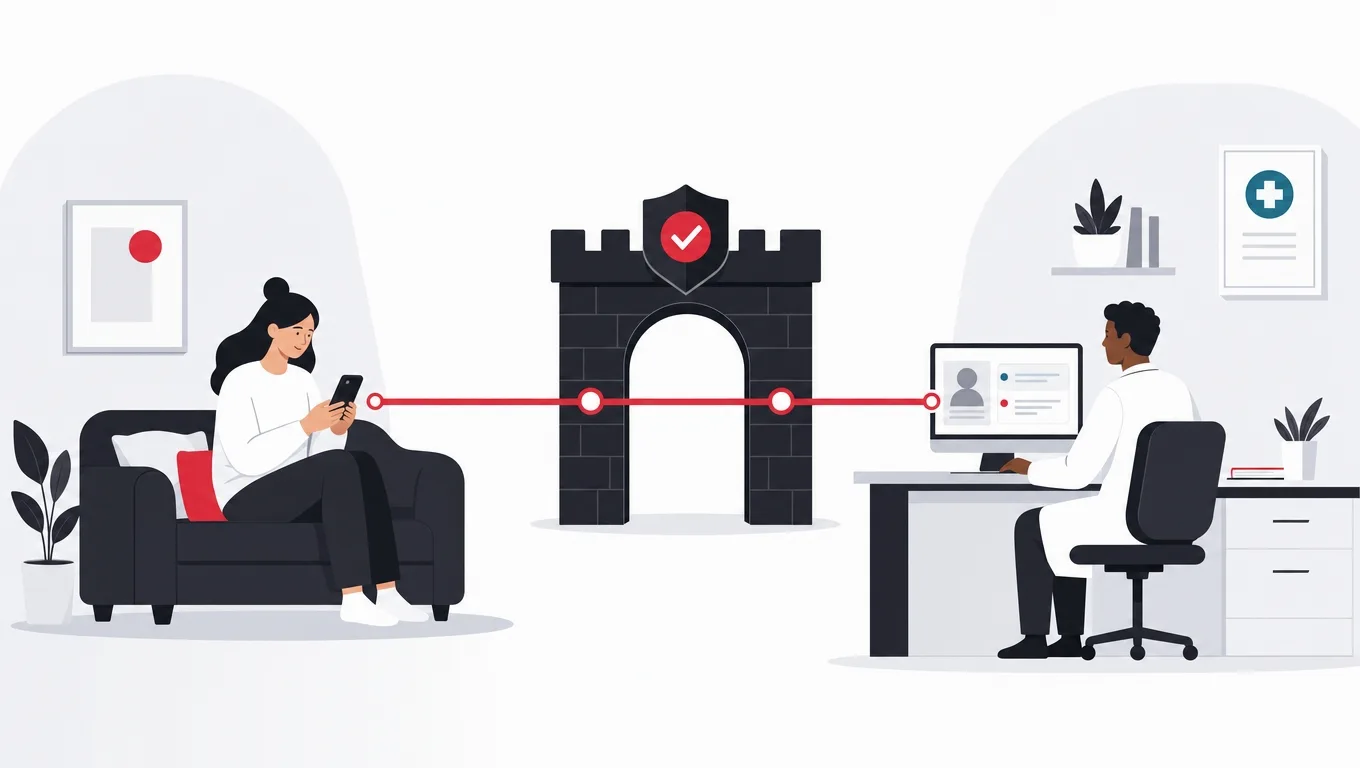
Building a telemedicine app is not primarily a video engineering problem; the call is rented infrastructure, and the product is the clinical visit around it. The build decomposes into five layers that this guide walks in order: the product shape, scheduled visits, ongoing care programs, or on-demand urgent care, which changes everything downstream; the feature set that makes the product clinical rather than a demo, verified identity, structured notes, prescriptions, and a plan for when the network drops; the architecture, where the EHR integration decides whether clinicians adopt the product; the compliance floor, which is a design input rather than a legal review at the end; and the budget, which goes mostly to workflow, integration and compliance rather than to the video call everyone pictures first.
Telemedicine looks deceptively easy to build, because its most visible feature, a video call between a patient and a clinician, is a solved problem you can rent by the minute. Teams that start from the call discover the real product later, in the expensive order: identity that must be verified rather than assumed, consultations that must become clinical records rather than chat transcripts, prescriptions that must be signed and traceable rather than emailed, and regulations that were shaping the architecture whether anyone consulted them or not. The distance between a working video demo and a product a clinic can legally and safely run is most of the budget, and almost none of it is video.
This guide walks that distance in build order. It starts where the build should, with the product shape, because a scheduled-visit product, an ongoing care program and an on-demand urgent care service are three different systems that happen to share a camera. It then covers the feature set that separates clinic-grade from demo-grade, the architecture underneath with the EHR integration that decides clinician adoption, the compliance floor that must be poured before the walls go up, and the specific weight mental health products carry. It ends with where the money actually goes and a first-release plan that survives contact with a real clinic.
It is written from the delivery seat. Our healthcare teams run a telemedicine platform practice and have shipped consultation products on both sides of the build-or-buy line, which is why this guide spends its pages on the parts that decide outcomes rather than the parts that demo well.
Key takeaways
- Pick the product shape before any feature list: scheduled visits, care programs and on-demand care are three different builds that share a video screen and little else.
- The video call is the easiest part of the build. It is rented from mature infrastructure; the visit around it, identity, consent, notes, prescriptions, follow-up, is the product.
- Clinician adoption is decided by the record, not the interface. If the visit does not land in the systems clinicians already live in, the product becomes double data entry with a camera.
- Compliance is a floor poured first, not an audit passed later. Identity, consent, encryption, audit logs and data residency shape the architecture, and retrofitting them costs multiples.
- Mental health products are telemedicine with the stakes raised: continuity of care, crisis pathways and privacy expectations all exceed the general case, and the build must reflect it.
- The budget concentrates where the demos never look: clinical workflow screens, EHR integration and the compliance floor dwarf the video line item.
- Scope the first release to one care loop done completely, book, verify, consult, record, prescribe, follow up, rather than many features done partially.
What a telemedicine app actually is
Strip the category to its function and a telemedicine app is a system that moves a clinical encounter online without losing what makes it clinical. That last clause is the entire difficulty. A video call moves the conversation online; the encounter is everything wrapped around the conversation: the patient is who they claim to be, the clinician is licensed for this patient’s location, consent was given and recorded, the symptoms and decisions became a structured note, the prescription became a signed order, and the whole exchange is retrievable when a regulator, an insurer or the next treating clinician asks. Products are graded on the wrapper, not the call.
The vocabulary is worth settling early because contracts and regulations use it precisely. Telehealth is the broad umbrella, any health service delivered remotely, including nurse lines and education. Telemedicine is the clinical subset: diagnosis, treatment and prescribing at a distance. A patient portal is the record-access layer, results and messages over an existing relationship. And remote patient monitoring is the device-fed stream, readings flowing from home equipment into clinical review. A product can span several of these, but each carries different regulatory weight, and knowing which you are building keeps both the lawyers and the feature list honest.
Two actors, three if billing is in scope, define every screen the product will need. The patient needs to find or be assigned a clinician, prove identity, consent, describe the problem, meet the clinician, and leave with a plan, a prescription and a follow-up path. The clinician needs a schedule, the patient’s history before the call, tools during it, and a way to produce the note, the orders and the billing artifacts after it, in minutes rather than half an hour. The administrator needs visibility across all of it. Products fail most often on the clinician’s after-call burden, because every extra minute of documentation is multiplied by every visit of every day.
One more framing decision shapes everything: whether the product serves an existing care organization or is itself the front door to care. A telemedicine layer for a clinic inherits the clinic’s patients, clinicians, records and obligations, and its hardest problem is integration. A standalone service must build supply as well as software, recruiting, credentialing and scheduling the clinician pool, and its hardest problems are operational. The same feature list costs entirely different amounts in the two worlds, which is one reason generic cost answers to this question are worthless.
Six terms the contracts and regulations use precisely
- Telehealth
- The umbrella: any health service delivered remotely, from nurse lines to education. Broader than telemedicine and regulated more lightly.
- Telemedicine
- The clinical subset: diagnosis, treatment and prescribing at a distance. This is where licensing, consent and documentation obligations concentrate.
- Patient portal
- Record access over an existing care relationship: results, messages, appointment history. Often confused with telemedicine, regulated differently.
- Remote patient monitoring
- Device readings flowing from home equipment into clinical review. A distinct product with its own device and data obligations.
- E-prescribing
- Prescriptions as signed, traceable electronic orders sent to a pharmacy, not documents sent to a patient. A regulated integration, not a PDF.
- EHR
- The electronic health record, the system where the clinic’s clinical truth lives. Whether visits land there decides clinician adoption.
The three product shapes, and how each changes the build
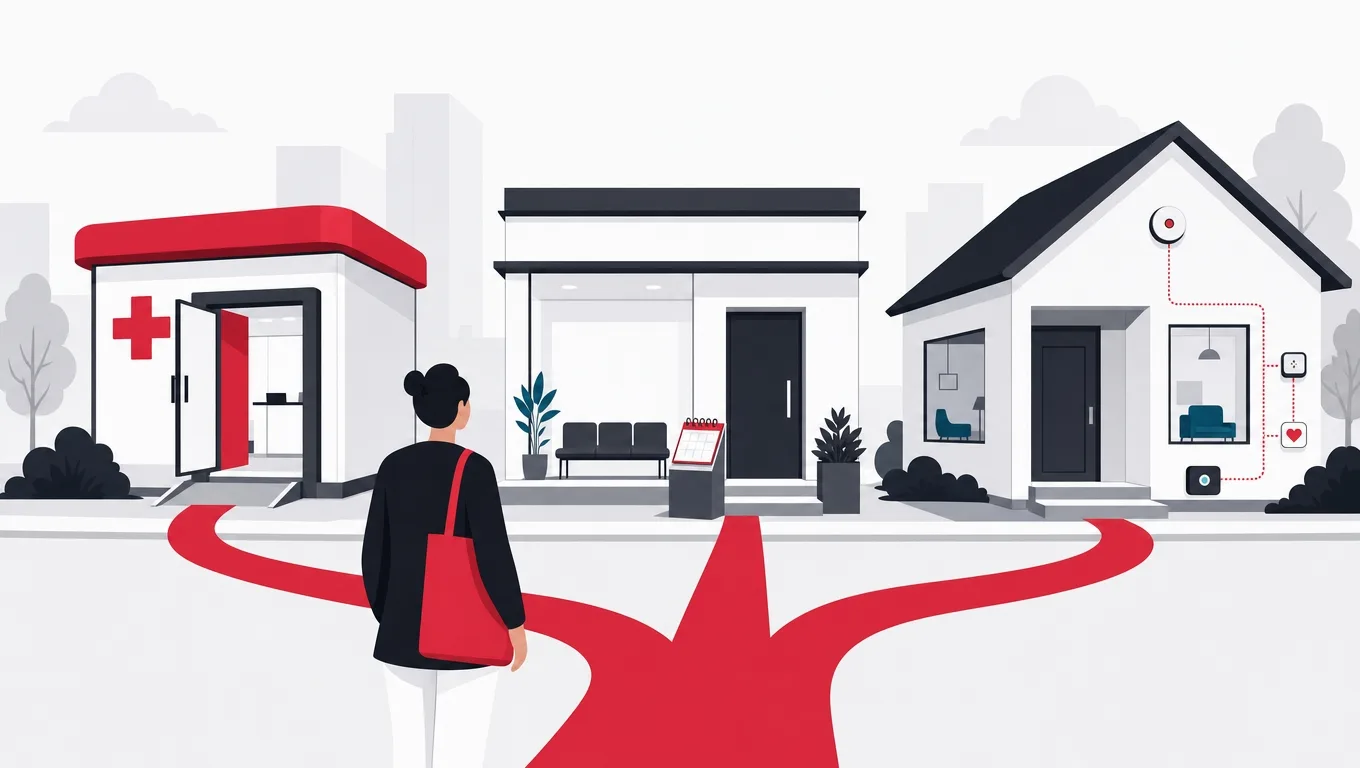
Telemedicine products cluster into three shapes, and the choice among them is the most consequential decision in the project, made before any feature is listed. The first is the scheduled-visit product: patients book appointments with clinicians and meet them at the booked time, the online mirror of an outpatient clinic. Its build centers on scheduling done seriously, calendars, availability, reminders, no-show handling, on a smooth visit experience, and on the post-visit pipeline of notes, prescriptions and follow-ups. It is the most common shape, the best understood, and the one the rest of this guide uses as its default example.
The second shape is the care program: an ongoing treatment relationship, chronic condition management, therapy courses, medication titration, where video visits are one feature among several rather than the product itself. The build centers on the care plan, structured programs with milestones and check-ins, on asynchronous messaging between visits, often on device data flowing in from monitoring equipment, and on longitudinal views that show a clinician months of trajectory at a glance. Mental health products usually live here, and the section on them returns to why. Programs are harder to design than visits but retain patients far longer, which is why the economics often prefer them.
The third shape is on-demand care: the patient arrives with an urgent problem and expects a clinician now, not Thursday. The software build adds triage, symptom intake that routes by urgency and specialty, queuing and load balancing across an available pool. But the defining difficulty is operational: the promise of "now" is kept by staffing, credentialing and surge planning, not by code, and the software is honestly the easier half of the product. Teams that choose this shape because it demos well discover they have signed up to run a medical operation, not just to ship one.
The shapes compose, and mature platforms usually offer more than one, but they compose in an order. A scheduled-visit product can grow program features; a program can add an urgent line. What rarely works is building the composite first: each shape has its own hardest problem, and a first release that takes on scheduling depth, program design and urgent operations simultaneously does all three partially. The decision figure below is the honest version of the scoping conversation, and everything after it in this guide flags where the shapes diverge.
The features that separate clinic-grade from demo-grade
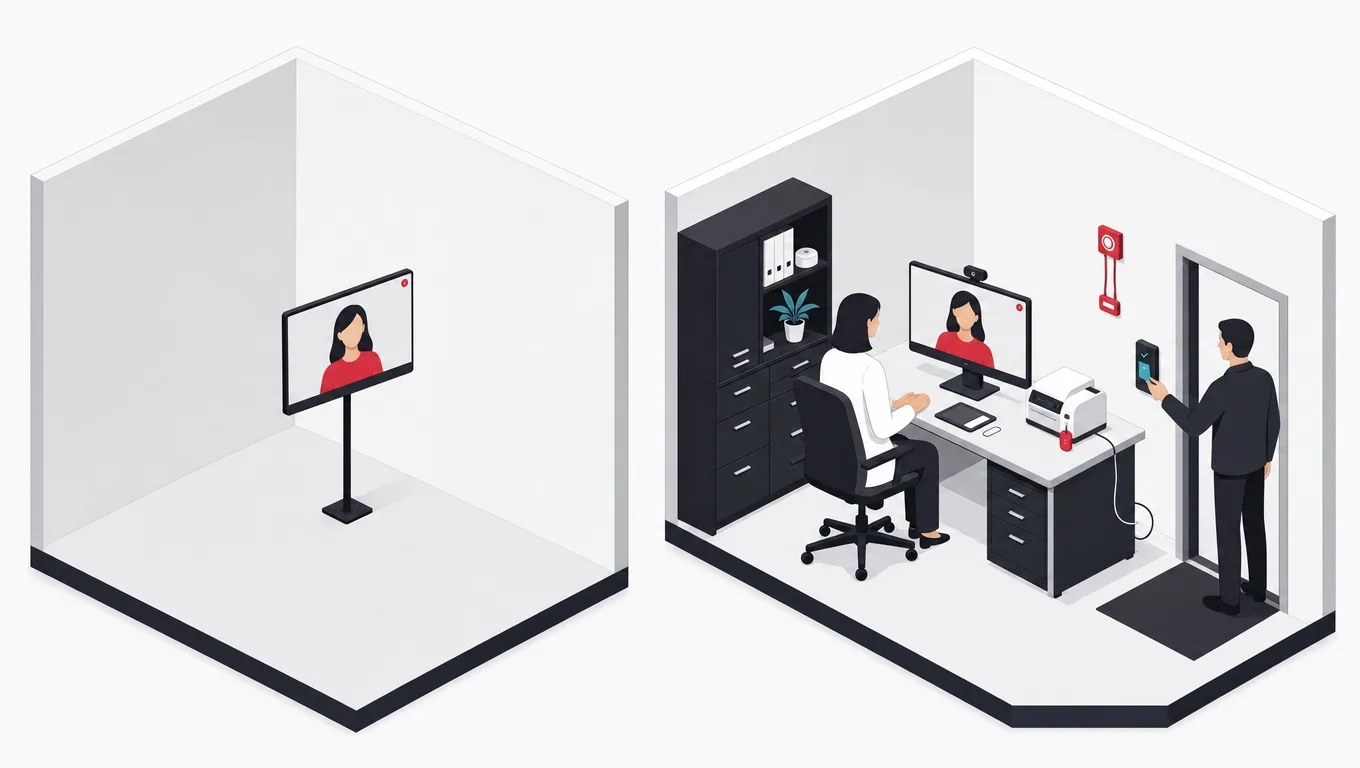
Every telemedicine pitch deck lists the same features, video, chat, scheduling, records, and the list hides the entire difference between a product and a demo. The difference is depth against clinical reality. Identity is the first example: a demo has a signup form, while a clinic-grade product verifies that the patient is a real, identified person, that the clinician is licensed in the jurisdiction where the patient sits, and that both facts are checked per visit, not per account, because licensure is geographic and patients travel. Consent is the second: not a checkbox at signup but a recorded, versioned agreement tied to this visit type, this data use, and this jurisdiction’s rules.
The visit itself needs clinical furniture the demo never shows. Before the call: the intake, structured symptom and history capture that reaches the clinician ahead of the video, so the visit starts informed rather than with an interview. During it: the history at hand, the ability to share and view documents and images, and, for examinations, a quality of video that clinical judgment can actually use. After it, and this is where products win or die, the note: structured documentation the clinician can complete in minutes, feeding diagnoses, orders and billing codes without retyping, because the after-call burden is multiplied by every visit of every clinician’s every day.
Prescriptions deserve their own paragraph because the gap between demo and product is widest here. A PDF sent to the patient is not a prescription; it is a document. A clinic-grade product issues prescriptions as signed, traceable electronic orders transmitted to a pharmacy, with the prescriber’s authority verified, controlled substances handled under their stricter rules or explicitly excluded, and the order recorded in the visit note. In most jurisdictions this means integrating with established e-prescribing rails rather than inventing anything, and the integration is exacting, but products that skip it are advice services, not care.
And then the unglamorous feature that patients will judge most viscerally: what happens when the network drops. A demo ends the call. A clinic-grade product reconnects automatically, preserves the visit state, falls back to audio when video cannot recover, falls back to phone when the app cannot, and records what happened, because a dropped consultation with an unwell patient is a clinical event, not a technical one. The engineering for graceful degradation is real work, and it is invisible in every demo precisely because demos run on good networks.
The clinic-grade bar, feature by feature
- Identity verified per visit, both directionsThe patient is a real, identified person; the clinician is licensed for the patient’s location, checked at visit time.
- Consent recorded, versioned, per visit typeTied to this jurisdiction’s rules and this data use, retrievable when a regulator asks, not a signup checkbox.
- Structured intake before the callSymptoms and history reach the clinician ahead of the visit, so the video time is spent on judgment, not interviewing.
- The note in minutes, not half an hourStructured documentation feeding diagnoses, orders and billing without retyping. The after-call burden decides adoption.
- Prescriptions as signed electronic ordersTransmitted to pharmacies over established rails, controlled substances handled or excluded explicitly. A PDF is not a prescription.
- A designed answer to network failureReconnect, preserve state, degrade to audio, fall back to phone, and record the event. Dropped visits are clinical events.
The architecture, and the integration that decides adoption
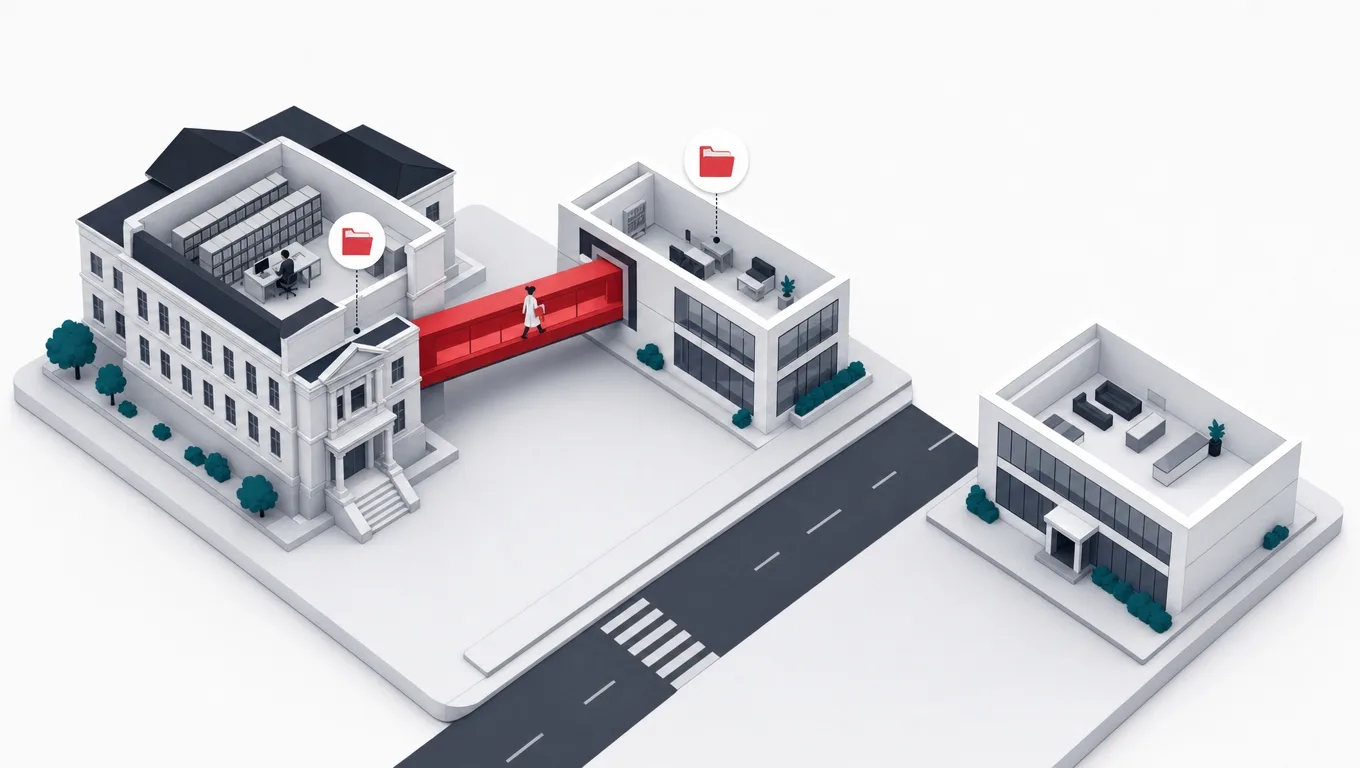
The architecture of a telemedicine product is four layers, and drawing them in order exposes where the real work lives. The top layer is the two front doors: the patient’s app or web portal and the clinician’s workstation, plus the administrative desk behind them. The second is the care workflow engine, scheduling, triage, the visit itself, prescriptions and follow-up, the layer where product decisions live. The third is the clinical record: visit notes, history, documents, results, and the integrations that connect them to the systems of record. The fourth is the compliance floor, identity, consent, encryption, audit and residency, which is drawn at the bottom because every layer above stands on it.
The video infrastructure deliberately does not get its own layer, because the correct build decision for almost every team is to rent it. Mature real-time video platforms deliver the call, the reconnection logic, the bandwidth adaptation and the global relay networks as a service, at per-minute prices that no custom build can justify beating. What cannot be rented is everything this guide has been describing around the call. Teams that budget the project as a video build get both halves wrong: they over-invest in a solved problem and starve the clinical wrapper that is the actual product.
The integration that decides clinician adoption is the EHR link, and it deserves the most senior engineering attention in the project. Clinicians live in the electronic health record; a telemedicine product that does not read from and write to it makes every visit double data entry, once in the product, once in the record, and clinicians will resent it into disuse within weeks. The integration standards exist, modern APIs on current systems and older interface formats on legacy ones, and our EMR and EHR systems guide covers that landscape in depth. What matters at the architecture stage is scheduling reality: EHR integration is measured in months, varies enormously by the counterpart system, and belongs on the critical path from day one, not in a phase-two box on the roadmap.
The remaining architectural decisions follow from load and geography rather than fashion. Consultations are bursty, evenings, Mondays, flu season, so capacity must scale elastically rather than being provisioned for the peak. Media and records are heavy, so storage tiers matter early. And if the product will serve patients in more than one country, data residency stops being a compliance footnote and becomes an architecture decision: where records live, where video is relayed, and what crosses borders are questions with legal answers that some designs cannot retrofit. The cheapest time to answer them is before the first line of the record model is written.
The compliance floor: poured first, not audited later

Health data carries the strictest obligations in commercial software, and the single most expensive mistake in this category is treating them as a legal review before launch rather than a design input before architecture. The obligations vary by market, HIPAA in the United States, GDPR with health-data provisions in Europe, national health data laws elsewhere, but they converge on one set of practical requirements, which is good news: a product designed to the convergence travels across markets far more cheaply than one retrofitted per jurisdiction.
The convergence, in the language of build requirements: every access to patient data is authenticated, authorized by role, and logged in an audit trail that can answer who saw what, when; data is encrypted in transit and at rest, with the video streams and stored recordings explicitly included; patients consent to specific uses and can see, export and request deletion of their records; data lives where the law says it must live; and the organization can detect, contain and report a breach on the timelines the regulations set. None of these is exotic engineering. All of them are structural, which is why they are cheap on day one and brutal in month eighteen.
Two obligations deserve special mention because teams consistently underestimate them. The first is the audit trail: it is not a log file but a queryable record of every access and change to clinical data, protected from tampering, retained for years, and it must be designed into the data layer rather than sprinkled on top. The second is the business relationship paperwork: every vendor that touches patient data, the video platform, the cloud provider, the analytics service if any survives the privacy review, becomes part of the compliance surface, with contracts to match. The vendor list is a compliance document, which is a sentence worth reading twice before adding any SDK to a health app.
Licensing closes the floor, and it is the obligation that surprises pure software teams most, because it attaches to the service rather than the code. Clinicians must hold licenses for the jurisdiction where the patient is located at visit time, telemedicine-specific practice rules differ by jurisdiction and by specialty, and prescribing authority differs again. The product cannot make an unlicensed encounter legal, but it must make illegal encounters hard to create by accident: location checks, licensure records, and routing that only offers clinicians permitted to treat this patient. That routing logic is a real feature with real engineering weight, and it belongs in the first release, not the compliance backlog.
Mental health products: telemedicine with the stakes raised
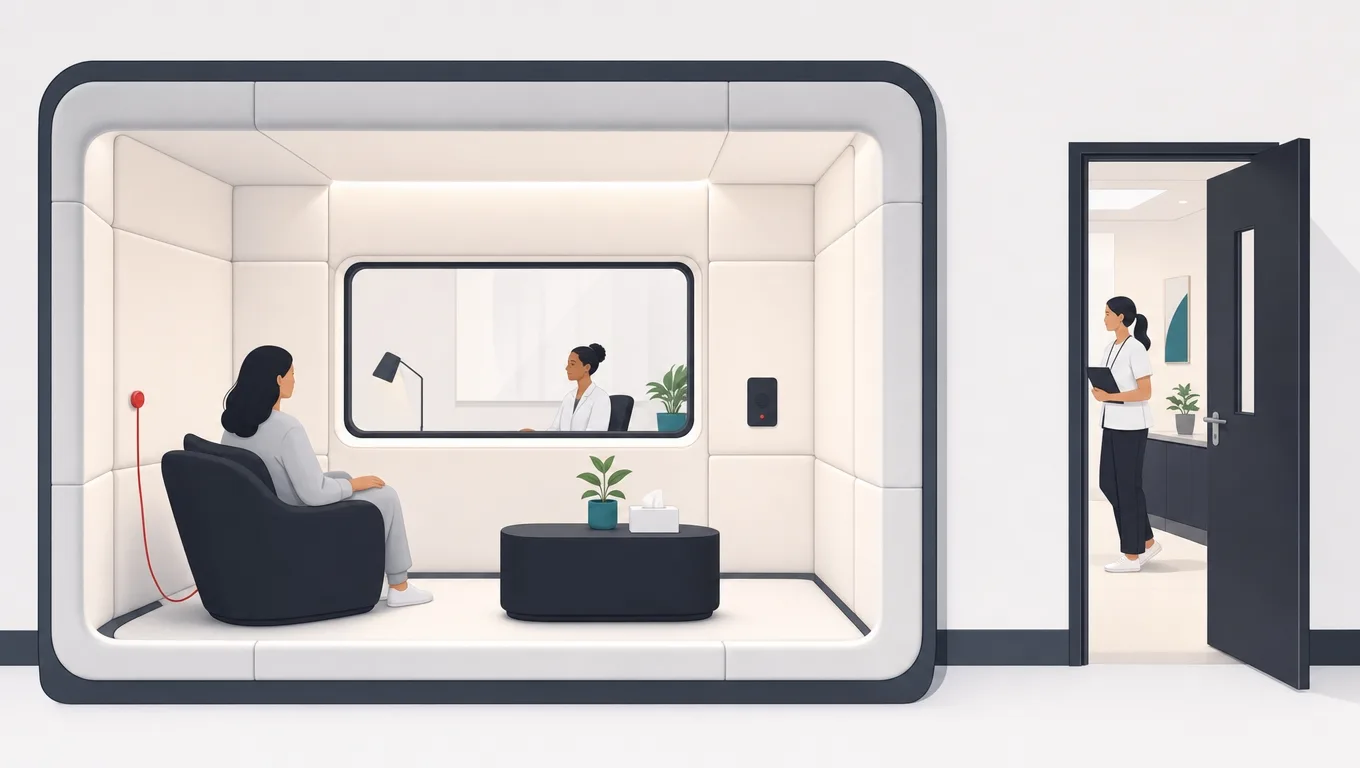
Mental health is the category where telemedicine has changed access most, therapy and psychiatric care translate to video better than most specialties, and it is also where the generic build is least sufficient. The product shape shifts first: mental health care is almost never a single visit, so the build is a care program by nature, recurring sessions with the same clinician, progress tracked across months, structured programs for specific conditions, and messaging between sessions. Continuity is not a feature here; it is the treatment. A product that treats each session as an independent transaction has misunderstood the clinical model it claims to serve.
The privacy expectations exceed even the health-data baseline. Mental health records carry stigma weight that general medical records do not: appointment reminders that name a therapy practice on a lock screen, receipts that reveal a diagnosis to a family member, notification copy readable over a shoulder, each is a privacy failure the general build would never notice. Several jurisdictions also protect psychotherapy notes above other health records, with separate consent for any sharing. The design consequence is concrete: notification content, on-device labels, receipt language and record-sharing flows all need a mental-health-specific pass, done with clinical input rather than guessed at by engineers.
And one obligation is unique to the category: the crisis pathway. A mental health product will, with certainty, at some point be the thing a person in crisis is holding. The build must answer for that moment in advance: crisis resources reachable from every screen, escalation paths a clinician can trigger mid-session, availability information that never strands a deteriorating patient at a dead end, and, where the service commits to it, staffed response. What the product must never do is imply an emergency capability it does not have; a crisis line that goes unanswered is worse than an honest statement of scope. This is a clinical governance decision that software encodes, not a software decision, and it needs clinicians in the room when it is made.
The mental health pass, applied to a telemedicine build
Do this
- Build for continuity from the first screenSame clinician, session history, progress over months. The relationship is the treatment, and the product must hold it.
- Run a stigma review of every surfaceNotifications, receipts, lock-screen copy and calendar entries, each checked for what it reveals about a person’s care.
- Design the crisis pathway with cliniciansResources on every screen, mid-session escalation, and honest scope. Decide it as clinical governance, then encode it.
Not this
- Treat sessions as independent transactionsA marketplace of one-off video calls is the wrong clinical model for ongoing care, however clean its funnel metrics.
- Reuse general notification templatesA reminder that names a psychiatric practice on a lock screen is a privacy breach the template never had to consider.
- Imply emergency capability you do not staffAn unanswered crisis line is worse than an honest statement of scope. Never let marketing write that screen.
Where the budget goes, and what to build first
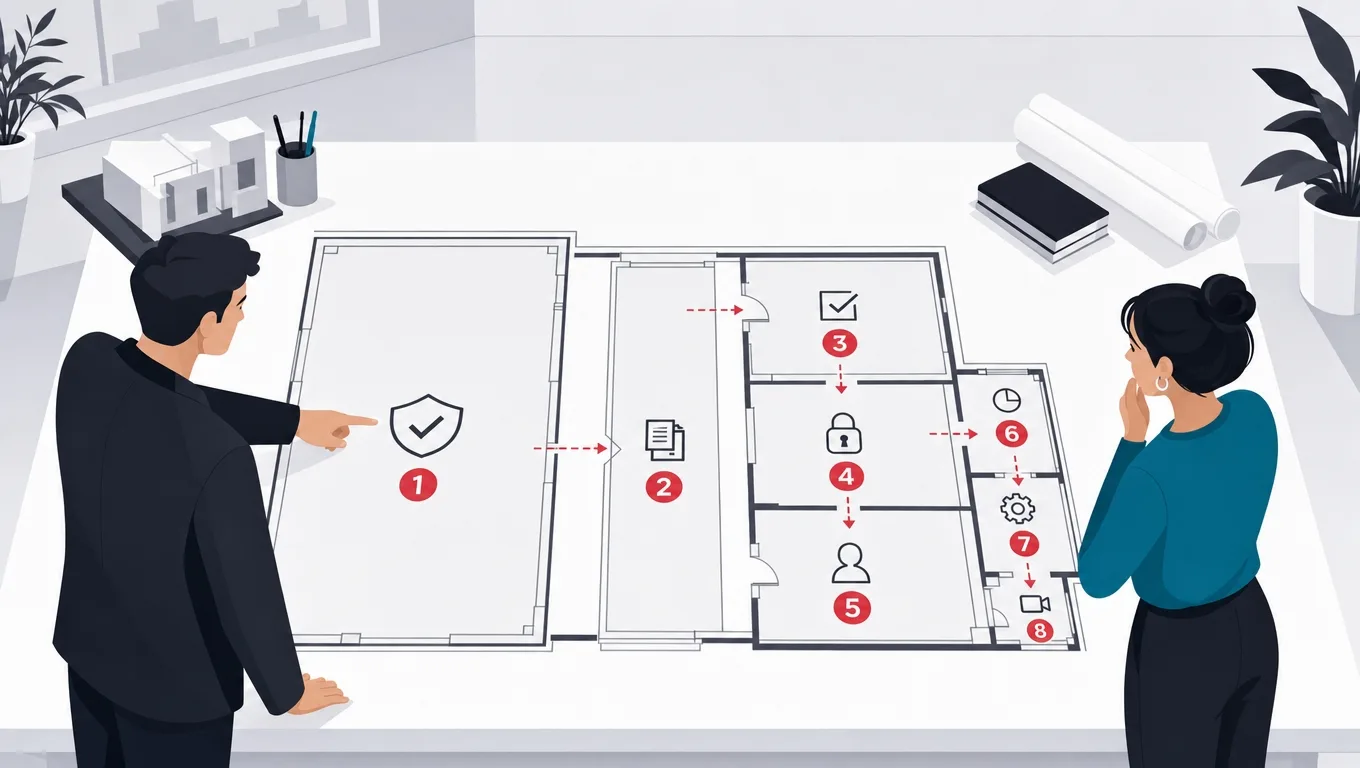
The honest cost conversation starts by discarding the number everyone asks for, because a single figure for "a telemedicine app" conflates the three product shapes, two integration realities and every compliance regime into one meaningless average. What can be said honestly is where the effort concentrates, and it is nowhere near where first-time buyers expect. The video call, the feature that defines the category in the imagination, is the smallest line: rented infrastructure plus integration work. The large lines are the ones this guide has spent its sections on: clinical workflow screens for three kinds of users, the EHR and e-prescribing integrations, and the compliance floor that runs under everything.
The structural reason is worth internalizing because it applies to every estimate you will read. Telemedicine is a thin product built on expensive context: each individual feature is ordinary engineering, but each must be built to clinical depth, verified identity rather than accounts, structured notes rather than text fields, signed orders rather than PDFs, audit trails rather than logs, and clinical depth is a multiplier on everything it touches. Integration is the second multiplier, because the counterpart systems are old, varied and slow to test against. Teams that estimate from the feature list without the multipliers produce the optimistic numbers this category is famous for.
The first release that survives contact with a real clinic is narrow and complete rather than broad and partial: one care loop, working end to end. A patient books, verifies, consents, meets a clinician, and leaves with a note in the record, a prescription at the pharmacy and a follow-up scheduled; the clinician finishes documented in minutes; the administrator can see and bill it. One specialty, one jurisdiction, one EHR counterpart. That scope is honest because it forces every hard problem, identity, consent, integration, audit, once each, at minimum size, and everything after it is repetition and breadth rather than discovery.
What the first release should exclude is just as deliberate: additional specialties and jurisdictions multiply licensing and localization before the loop is proven; device integrations and monitoring belong to the program shape and can wait for it; and native apps for every platform can follow a web-first release that reaches both patients and clinicians on day one. The discipline is the same one that runs through this whole guide: the product is the care loop, everything else is packaging, and packaging is cheap to add once the loop is real. Scoped this way, a competent team ships the first loop in months, not years, and the roadmap after it is expansion rather than rescue.
A first release that forces every hard problem once
-
Fix the shape and the jurisdictionWeek 1
One product shape, one specialty, one jurisdiction, one EHR counterpart. Every additional one multiplies before the loop is proven.
-
Pour the compliance floorWeeks 1 to 4
Identity, consent, encryption, audit and residency designed into the data layer, with the vendor list reviewed as a compliance document.
-
Build the loop, not the listMonths 1 to 3
Book, verify, consult, record, prescribe, follow up, end to end, at clinical depth. Rent the video; build the visit.
-
Land the record where clinicians liveIn parallel
The EHR integration on the critical path from day one, tested against the real counterpart, not a sandbox that flatters it.
-
Pilot with a real clinic, then widenMonth 4 on
One clinic, real patients, the clinician’s after-call minutes measured. Expansion is repetition once the loop holds.
Frequently asked questions
How much does it cost to build a telemedicine app?
Any single figure is conflating three product shapes, two integration realities and every compliance regime into one average, which is why the honest answer is structural. The video call is the smallest line, rented infrastructure. The large lines are clinical workflow screens for patients, clinicians and administrators, the EHR and e-prescribing integrations, and the compliance floor. Clinical depth multiplies every feature it touches, and integration multiplies the schedule. Scope one care loop, one specialty, one jurisdiction, one EHR counterpart, and a competent team can price that honestly and ship it in months.
What features does a telemedicine app need?
The demo list, video, chat, scheduling, records, plus the depth that makes each clinical: identity verified per visit in both directions, consent recorded and versioned, structured intake ahead of the call, a note the clinician finishes in minutes that feeds orders and billing, prescriptions as signed electronic orders on established rails, and a designed answer to network failure that reconnects, degrades to audio and falls back to phone. The depth column is the product; the feature list without it is a demo.
How do we build a mental health or therapy app specifically?
As a care program, not a visit marketplace: recurring sessions with the same clinician, progress across months, structured programs and messaging between sessions, because continuity is the treatment. Then raise the privacy bar past the health-data baseline, notifications, receipts and lock-screen copy all reviewed for what they reveal, and psychotherapy notes handled under their stricter rules. And design the crisis pathway with clinicians before launch: resources on every screen, mid-session escalation, honest scope, and never an implied emergency capability the service does not staff.
Does a telemedicine app need to integrate with an EHR?
If clinicians from an existing care organization will use it, effectively yes, because the integration is what decides whether they adopt it. A product that does not read from and write to the record makes every visit double data entry, and clinicians will resent it into disuse. The integration is measured in months and varies by counterpart system, so it belongs on the critical path from day one. A standalone service can begin with its own record, but the moment it exchanges patients with the wider system, the same integration arrives with the same weight.
What regulations apply to telemedicine apps?
Health data rules in every market the product serves, HIPAA in the United States, GDPR with health provisions in Europe, national health data laws elsewhere, converging on authenticated and audited access, encryption in transit and at rest, specific consent, residency and breach obligations. On top of that, clinical licensing: clinicians must be licensed where the patient sits at visit time, and prescribing authority differs again. The practical posture is to design to the convergence from day one and treat the vendor list as part of the compliance surface.
Should we build the video calling ourselves?
Almost never. Mature real-time video platforms deliver the call, reconnection, bandwidth adaptation and global relays as rented infrastructure at per-minute prices no custom build justifies beating, and they carry the compliance paperwork for their layer. The engineering that belongs to you is the visit around the call: intake, identity, the clinical note, prescriptions, follow-up and the failure behavior when networks drop. Teams that budget the project as a video build over-invest in a solved problem and starve the wrapper that is the actual product.
How long does it take to launch a telemedicine product?
Scoped to one complete care loop, one shape, one specialty, one jurisdiction, one EHR counterpart, months rather than years, with the EHR integration usually setting the critical path. What stretches timelines is breadth before the loop is proven: each added jurisdiction multiplies licensing and consent work, each added specialty adds workflow, and each added counterpart system adds an integration measured in months. Ship the loop, pilot it with one real clinic while measuring the clinician’s after-call minutes, and let expansion be repetition instead of rescue.
And when the loop is scoped and the counterpart systems are named, AgileTech is a software development partner in Hanoi whose healthcare teams have shipped consultation platforms from the compliance floor up, and who will tell you which multipliers apply to your build before you commit to it.
Source: https://agiletech.vn/blog/telemedicine-app-build/ · (c) AgileTech Vietnam. Printed from agiletech.vn.