 Nguyen Manh Thang
Chief Executive Officer, AgileTech Vietnam
Nguyen Manh Thang
Chief Executive Officer, AgileTech Vietnam
- Published
- Last updated
- Read time
- 12 min
- Views
- 305
Read the AI overview
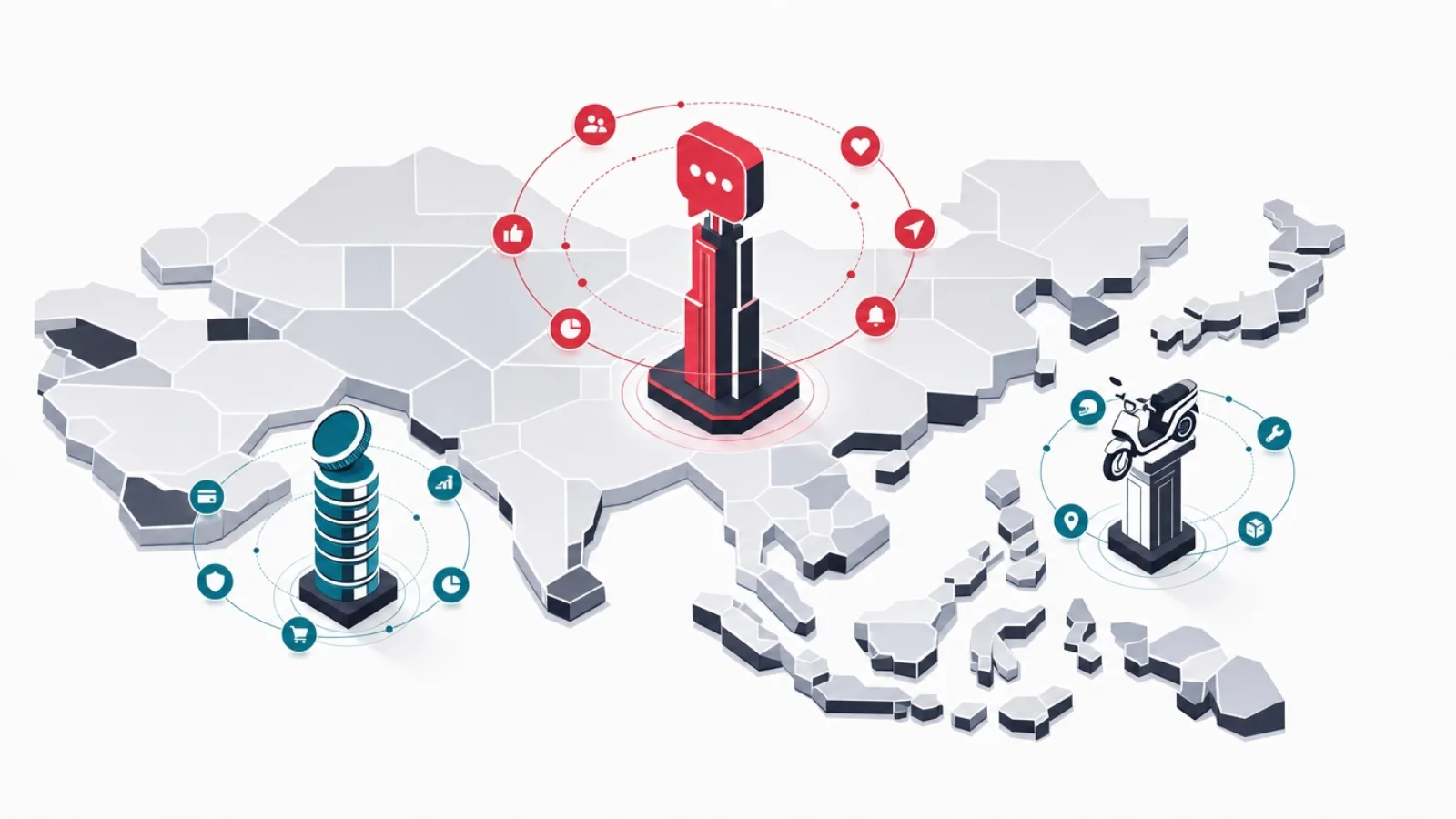
Asia's super-app winners cluster by wedge and by market. China produced the archetypes: WeChat, which grew from messaging into payments, mini-programs and a de facto operating system for daily life, and Alipay, which grew from payments into the same breadth from the other direction. Southeast Asia produced the mobility-led generation: Grab across eight markets and Gojek in Indonesia, both converting rides into delivery, payments and financial services. Korea and Japan produced messenger-led ecosystems in Kakao and LINE; India produced payment-led portfolios in Paytm and PhonePe; Vietnam's Zalo and ZaloPay ran the messenger-plus-wallet play locally; and Careem carried the model into the Middle East and Pakistan. The pattern behind every winner is the same: a high-frequency wedge, messaging, payments or rides, converted into an ecosystem through one identity and one wallet, with the rest of the bundle earned service by service rather than launched at once.
The super app is Asia's signature contribution to software strategy: one application where a user messages, pays, rides, orders, borrows and books, held together by a single identity and wallet. The category's gravity is easy to state, the winners are among the most valuable and most used products on earth, and easy to misread, because for every genuine super app there are a dozen feature-stuffed portals wearing the name.
This review covers the apps that actually earned it: the Chinese archetypes WeChat and Alipay, Southeast Asia's mobility-led Grab and Gojek, the messenger empires Kakao and LINE, India's payment-led Paytm and PhonePe, Vietnam's Zalo ecosystem, and the Middle East's Careem. For each: the wedge it started from, what the bundle contains today, the markets it owns, and the strategic lesson its story encodes.
Two companion pieces go deeper where this roster goes wide: the anatomy of a super app dissects the machinery, identity, wallet, mini-programs, the margin ladder, and how to build an app like Grab turns the pattern into a build sequence. Here, the subject is the winners themselves.
Key takeaways
- Every real super app started as one excellent service: WeChat as a messenger, Alipay as an escrow wallet, Grab and Gojek as ride-hailing, Paytm as mobile top-ups. The bundle came later, earned by frequency.
- The three wedges that work are messaging, payments and mobility, because each generates daily opens. No super app has ever grown from a low-frequency service.
- Mini-program platforms are the endgame separator: WeChat and Alipay host third-party ecosystems inside themselves, a structural depth the mobility apps approximate with partner tiles.
- Super apps are a market-structure phenomenon, not just a product strategy: they won where mobile leapfrogged desktop, banking penetration lagged smartphones, and one app could become infrastructure.
- The West keeps not producing one: app-store rules, entrenched vertical incumbents and mature banking make the bundle harder to assemble, which is why Western attempts remain partial.
- For builders, the roster's lesson is sequence discipline: pick the wedge, win it, add services the data asks for, a playbook that transfers even to markets that will never host a full super app.
What qualifies: the test that separates super apps from portals
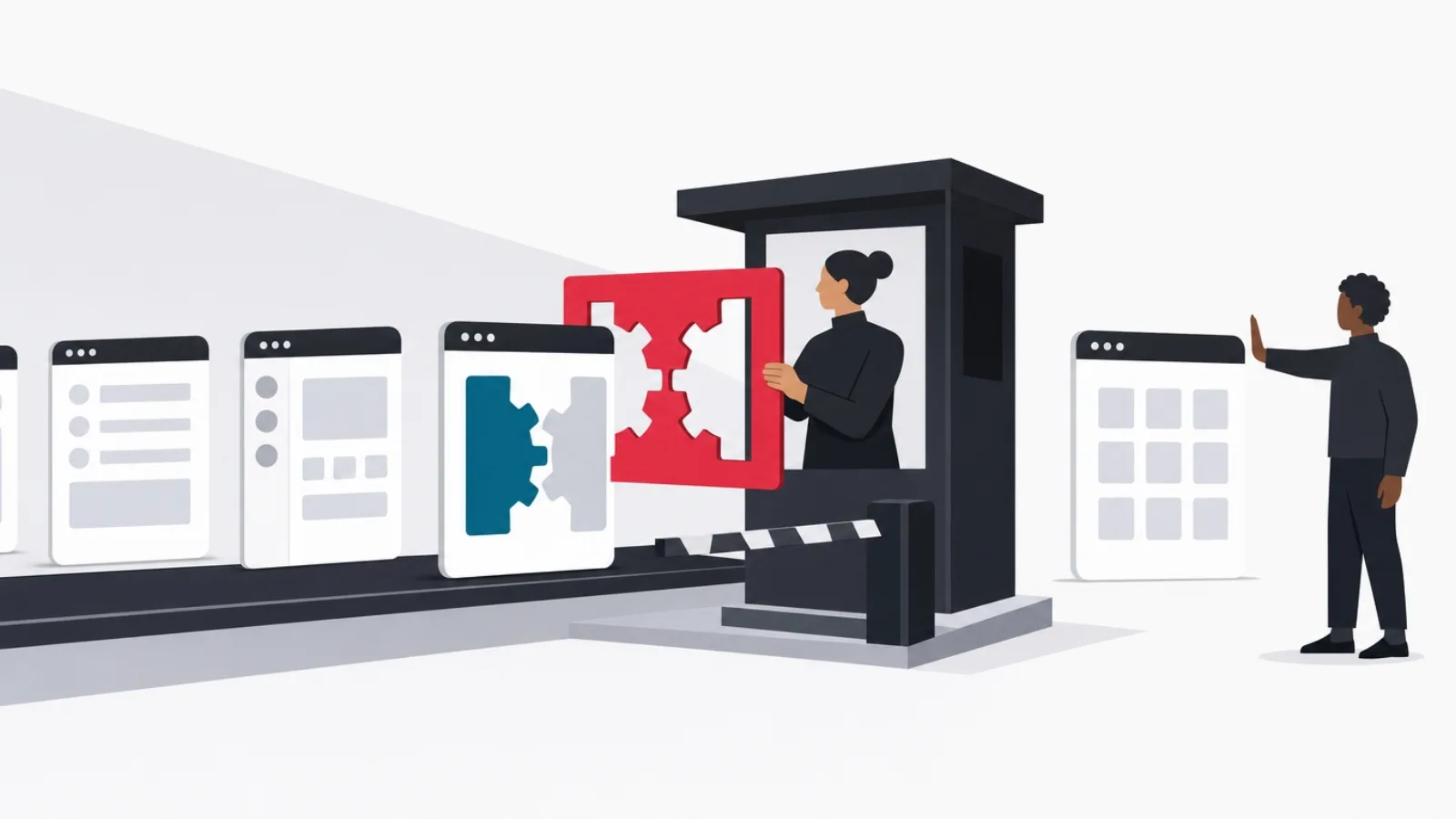
The name gets applied loosely, so the roster needs a rule. A super app, for this review, must clear four bars. Breadth with depth: multiple genuinely used service categories, not one core service with decorative tiles. A shared spine: one identity and one payment instrument across every service, because the bundle without the wallet is just a menu. An earned wedge: a first service that won on its own merits and generated the frequency the rest of the bundle monetizes. And ecosystem gravity: third parties building on or into the platform, mini-programs, partner services, embedded commerce, because a super app at maturity is closer to infrastructure than to an app.
The four bars disqualify the pretenders efficiently. Banking apps that bolted on a travel tab fail breadth-with-depth: usage lives in one category. Conglomerate portals that unify brands behind one login but separate wallets fail the spine test. Products launched as super apps from day one, with six services and no wedge, tend to fail everything at once, because no service in the bundle was ever good enough to generate the habit the others need; the graveyard of announced super apps is populated almost entirely by this species.
The test also explains the roster's geography. Super apps won where the conditions compound: mobile-first populations that leapfrogged desktop, underbanked consumers for whom the app wallet was the first financial account, fragmented or informal incumbents in commerce and transport, and regulators that permitted, for a formative decade, the bundling of payments with everything else. Asia had those conditions at scale; the West mostly did not, which the closing section returns to. Within Asia, the winners map cleanly onto three wedges, messaging, payments, mobility, and the roster below is organized accordingly.
- Breadth with depth. Multiple service categories in real use, not one service with decorative tiles.
- A shared spine. One identity, one wallet, across everything. The bundle without the wallet is a menu.
- An earned wedge. A first service that won alone and generated the frequency the bundle monetizes.
- Ecosystem gravity. Third parties building inside: mini-programs, partners, embedded commerce.
The messenger-led empires: WeChat, Kakao, LINE and Zalo
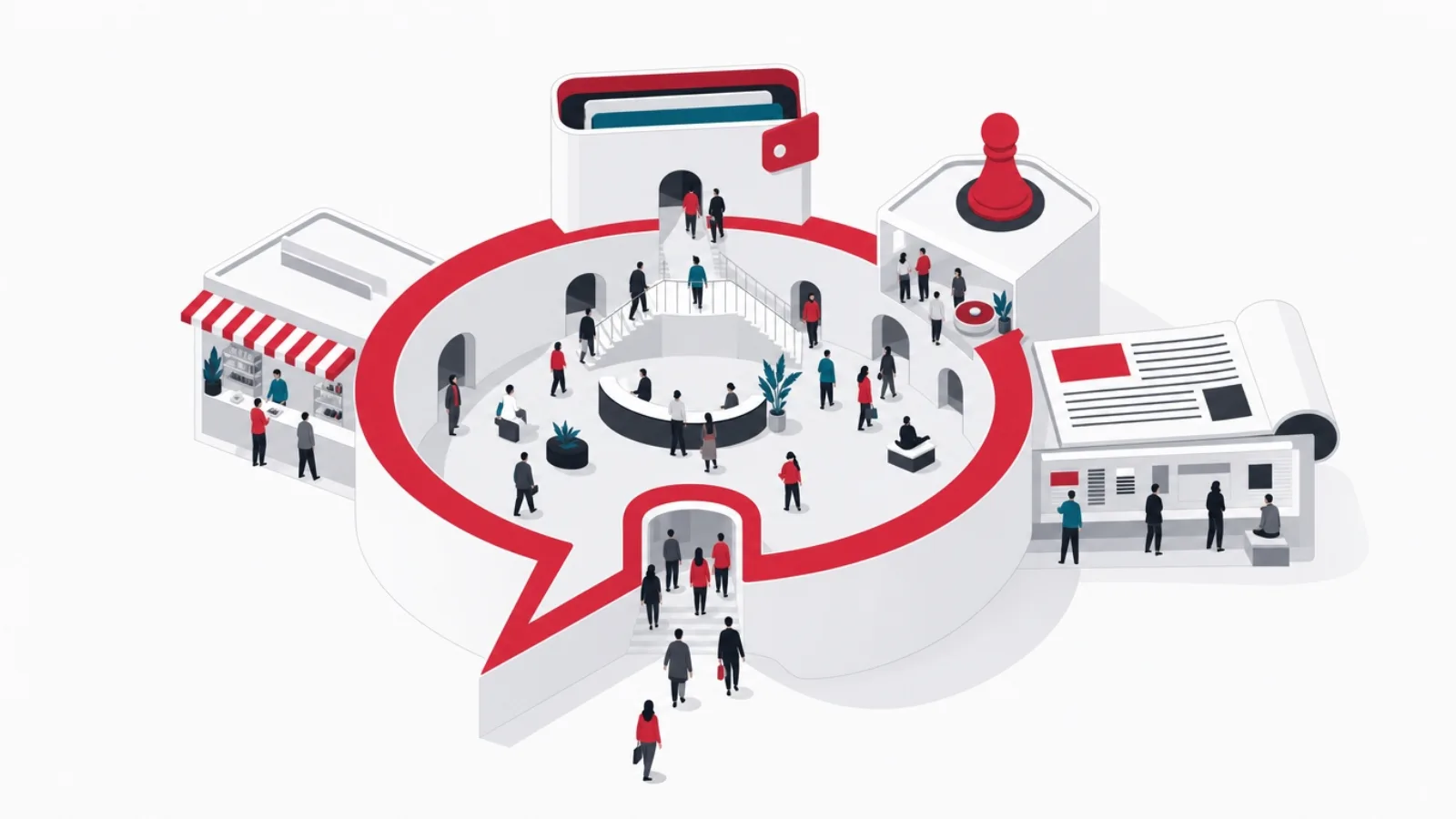
WeChat is the archetype every discussion orbits. Tencent's messenger, launched in 2011, passed a billion users and became, through two inventions, the closest thing software has to a national operating system. The first invention was WeChat Pay, which turned every chat into a potential transaction and, through the red-envelope campaign of 2014, made wallet adoption a cultural event. The second was the mini-program, launched in 2017: sub-applications built by third parties that run inside WeChat, no install, no app store, discovered through chats, QR codes and search. Millions of mini-programs now serve commerce, government services, transit and games, which means WeChat does not need to build the bundle; the bundle builds itself inside WeChat. The lesson: the deepest super apps are platforms, not portfolios, and the mini-program is the mechanism that separates hosting an ecosystem from operating a menu.
Korea's KakaoTalk and Japan's LINE ran the messenger play in wealthy, banked markets, which bent the model toward media and finance rather than daily-life infrastructure. Kakao converted a messenger monopoly into KakaoPay, Kakao Bank, one of the world's most successful digital banks, mobility, games and content, a chaebol-shaped constellation of listed subsidiaries sharing one identity. LINE bundled payments, news, shopping and eventually a digital bank across Japan, Taiwan and Thailand, and its merger into a joint venture with Yahoo Japan under SoftBank's orbit made it the anchor of one of Japan's two great consumer internet groups, alongside PayPay's payment empire. The lesson from both: in banked markets the messenger wedge still works, but the bundle's center of gravity shifts from payments-as-first-bank-account to finance-as-better-bank, and regulatory structure, separate licensed subsidiaries, shapes the architecture as much as product strategy does.
Vietnam's Zalo, with tens of millions of users in a hundred-million-person market, proves the model at national rather than continental scale, a local messenger that beat global rivals on Vietnamese-language experience and network effects, then attached ZaloPay to convert reach into rails. Its story, including the discipline of staying a messenger-plus-wallet rather than sprawling into everything, is told in full in the ZaloPay case study. The lesson: the messenger wedge does not require a billion users; it requires owning the national conversation, and a hundred-million-person market is plenty of empire.
The messenger-led lineup at a glance
| App | Home markets | Wedge to bundle | The lesson |
|---|---|---|---|
| China | Messaging to payments to mini-program platform | The deepest super apps host ecosystems, not menus | |
| KakaoTalk | South Korea | Messaging to fintech, bank, mobility, content | Banked markets bend the bundle toward better finance |
| LINE | Japan, Taiwan, Thailand | Messaging to payments, media, banking | Regulatory structure shapes the architecture |
| Zalo | Vietnam | Messaging to wallet and services | National scale is enough; own the conversation |
Four messenger wedges, four different bundles. Scale figures are rough magnitudes; the wedge and lesson columns are the durable content.
The payment-led giants: Alipay, Paytm and PhonePe
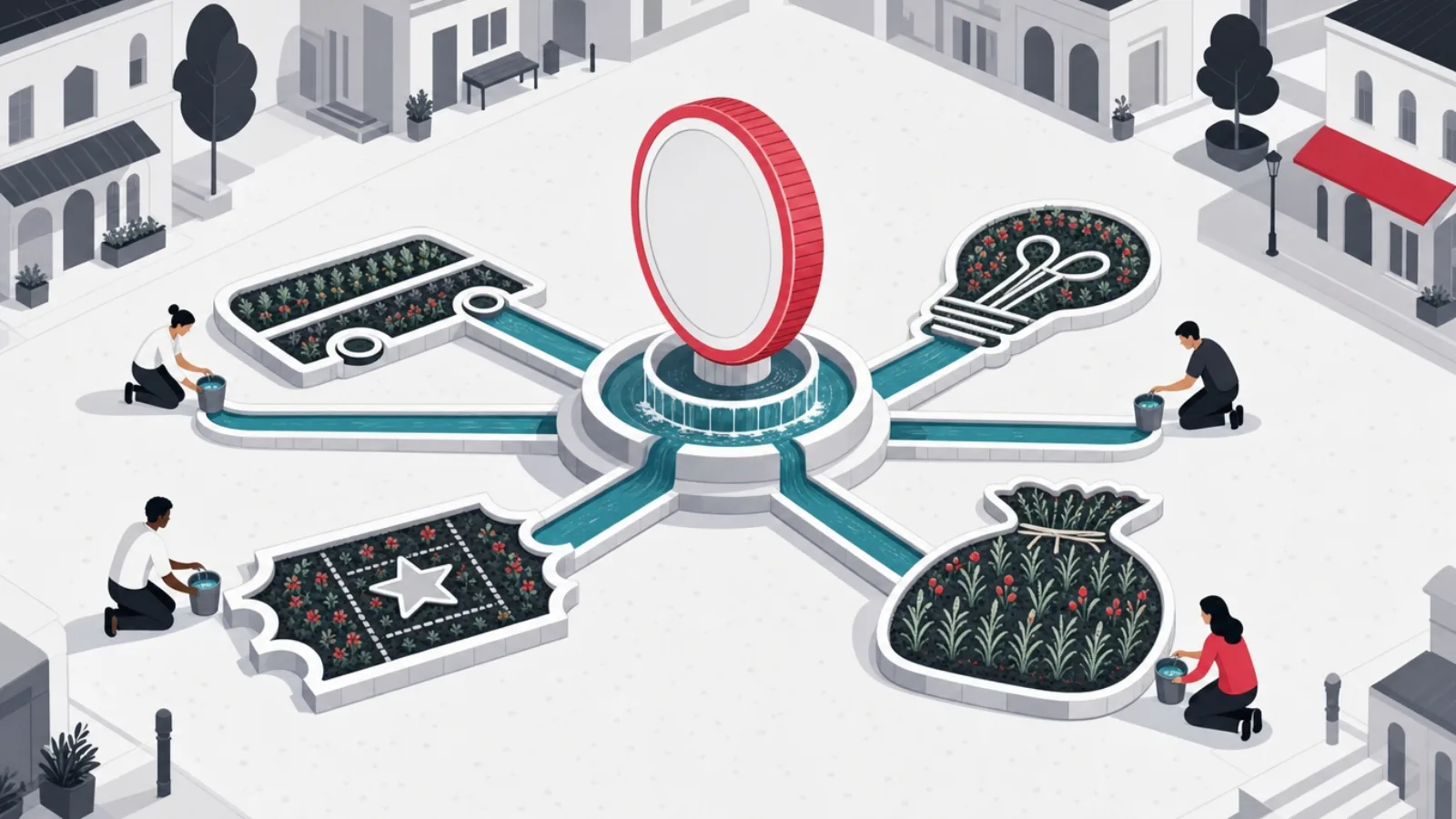
Alipay ran the arc from the opposite end. Born in 2004 as escrow for Taobao's buyers and sellers, it became China's other billion-user wallet and then a full financial ecosystem: payments, money-market funds that at their peak held one of the world's largest, credit scoring, insurance, loans, plus the same mini-program architecture WeChat pioneered, hosting commerce and city services inside the wallet. Its parent Ant Group's halted 2020 listing and the regulatory restructuring that followed is as instructive as the ascent: when a super app's financial layer grows systemic, the state treats it as finance, not as software. The lesson: payments-led bundles climb to the highest-margin services fastest, and meet the regulator soonest.
India's pair proves the wedge in the world's largest underbanked smartphone market, with a twist: the rails are public. Paytm rode mobile top-ups and wallet payments to hundreds of millions of users, then bundled commerce, ticketing, banking and lending, a decade of first-mover breadth that public-market scrutiny later forced into discipline. PhonePe, born inside Flipkart and now Walmart-owned, rose on UPI, India's public instant-payment infrastructure, to become the country's payment volume leader, adding insurance, funds and commerce entries on top. Because UPI is open and interoperable, neither can moat the payment itself; the competition moved to distribution, services and lending. The lesson: on public rails, the wallet is not the moat, the bundle on top of it is, and a super app can be built on infrastructure it does not own.
Together the payment-led stories sharpen the category's economics. Payments alone earn thin transaction fees; the bundle exists because the wallet's data and daily opens underwrite higher-margin services, credit, insurance, wealth, the same margin ladder the mobility apps climb from the other side. Every payment-led winner either became a licensed financial group or partnered its way into one, which is the structural difference between this wedge and the messenger one: the payment wedge is regulated from birth, and its winners are the teams that treated compliance as architecture rather than paperwork.
The payment-led wedge in three magnitudes
The mobility-led generation: Grab, Gojek and Careem

Grab is Southeast Asia's definitive case: taxi booking in Kuala Lumpur in 2012, motorbikes and cash for the region's streets, victory over Uber sealed by the 2018 asset swap, then the deliberate climb, GrabFood, GrabExpress, GrabPay, lending and insurance under GrabFin, across eight countries. Its NASDAQ listing made it the region's flagship tech company, and its long march from subsidy wars toward group-level profitability made it the category's economics lab: rides and delivery as the frequency engine, financial services as the margin engine. The lesson: mobility is the hardest wedge operationally, three-sided markets, physical supply, city-by-city liquidity, but it builds the most defensible regional moat, because the driver network and its density economics cannot be copied by a feature release.
Gojek is the parallel Indonesian story with a different ending: born from motorcycle taxis, ojek, in Jakarta, it bundled twenty-plus services, rides, food, massage, cleaning, payments via GoPay, at peak breadth, then learned the portfolio's limits, pruned, and in 2021 merged with e-commerce giant Tokopedia to form GoTo, pairing the frequency engine with the commerce engine under one group. Its exits from Thailand and Vietnam, ceding those markets to Grab and local champions, taught the region that super-app breadth does not travel by default; each market must be won on its own supply side. The lesson: the bundle prunes as it matures, and consolidation, not conquest, is how mobility-led super apps end their growth phase.
Careem carried the model west: founded in Dubai in 2012, ride-hailing across the Middle East, North Africa and Pakistan, acquired by Uber in 2019 for 3.1 billion dollars and, unusually, kept running as a local brand that then built the super-app layer, food, groceries, payments, courier, under an Everything App banner, later spun into a joint venture with e& to fund the expansion. The lesson: the super-app playbook transfers beyond East and Southeast Asia wherever the conditions rhyme, young mobile-first populations, cash economies, fragmented services, and a global acquirer can be the funder of localization rather than its enemy, the inversion of the Uber-versus-Grab story. The full mechanics of the mobility wedge, dispatch, liquidity, driver economics, live in the ride-hailing market guide, and Vietnam's local twist on the whole generation, including Xanh SM's owned-fleet counterattack on the marketplace orthodoxy itself, in the Vietnam market story.
What the mobility generation proved, and disproved
Do this
- Rides convert to deliveryThe same couriers, the same map, the same wallet: food and parcels are the natural second and third services, everywhere the model ran.
- The driver network is the moatSupply density and its economics resist copying. Feature parity is easy; liquidity parity is years.
- Financial services are the prizeGrab, Gojek and Careem all climbed from rides toward lending and insurance, because that is where margin lives.
- Local depth beats global breadthGrab beat Uber, local champions held Vietnam, Careem needed local ownership of the playbook to win its region.
Not this
- Twenty services at peak was too manyGojek's pruning and every rival's consolidation showed the bundle has a carrying capacity.
- Breadth does not travelRegional exits, Gojek from Thailand and Vietnam, taught that each market is won on its own supply side or not at all.
- Subsidy share is rented shareEvery player that competed on discounts alone exited. Structural advantages, supply, localization, rails, stayed.
The pattern behind the winners
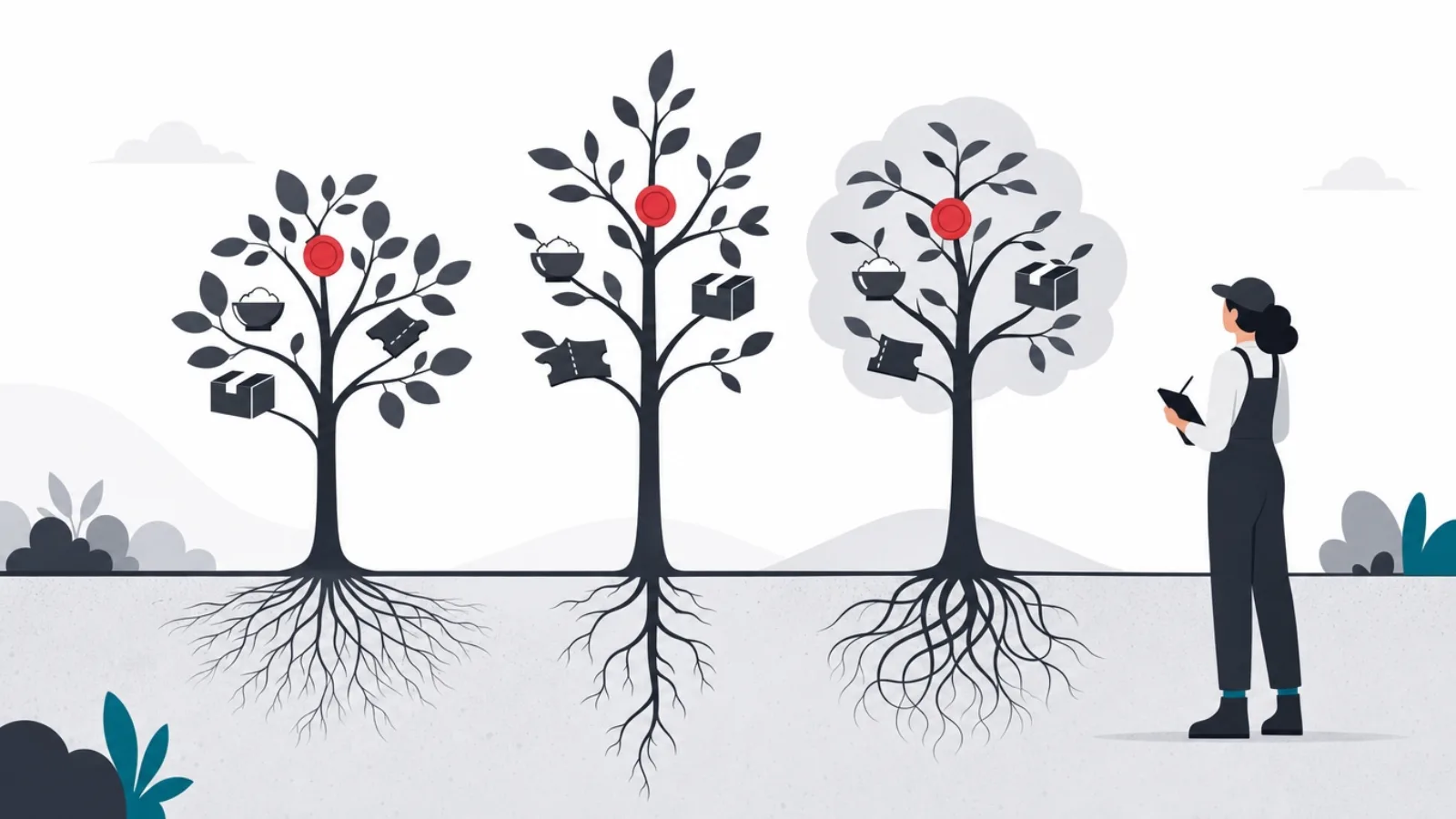
Line the stories up and the pattern is almost embarrassingly consistent. Every winner started with one high-frequency service and won it outright before bundling: messaging monopolies, wallet ubiquity, ride liquidity. Every winner attached payments early, either as the wedge itself or as the first expansion, because the wallet is the spine that makes a bundle an ecosystem rather than a menu. Every winner climbed the same margin ladder, from thin-margin frequency services toward credit, insurance and wealth, and every winner's architecture converged on the same shape: one identity, one wallet, services as modules, and, at the deepest maturity, third-party mini-programs turning the app into a platform.
The differences are wedge physics. Messenger-led apps monetize latest and deepest: the conversation graph resists direct monetization but hosts everything, and mini-program platforms emerged from this wedge because a messenger is already where intents are expressed. Payment-led apps monetize earliest and meet regulators soonest, and their end state is a licensed financial group wearing an app. Mobility-led apps carry the highest operational burden and build the strongest physical moats, and their end state is a consumer-services group whose fleet and merchant network no rival can conjure. Which wedge wins in a given market is mostly a question of what was broken there first: communication, money movement, or transport.
The pattern's edge cases teach as much as its center. Western attempts keep producing partial bundles, payments plus commerce, social plus creator commerce, because the conditions that made Asian super apps possible, underbanked mobile-first populations, informal incumbents, permissive formative regulation, do not hold, and platform gatekeepers tax any bundle they did not build. Meanwhile the model keeps colonizing rhyming markets: Latin America's delivery-led bundles and Africa's payment-led ones are running the same sequence with local wedges. The super app was never a product category; it is what happens when one team wins the most broken daily-frequency problem in a market where nothing else digital is entrenched, and then refuses to stop.
The five-step sequence every winner ran
-
Win one frequency wedgeYears, not months
Messaging, payments or mobility, taken to dominance in at least one market before any bundling.
-
Attach the walletThe spine
Payments as wedge or first expansion. One identity, one balance, every future service pre-onboarded.
-
Bundle adjacent frequencyEarned expansion
Delivery onto rides, commerce onto chat, bills onto wallets: services that reuse supply, rails and habit.
-
Climb the margin ladderThe prize
Credit, insurance, wealth on the platform's own transaction data. The economics arrive here.
-
Open the platformThe deepest few
Mini-programs and partner tiles: third parties fill the long tail, and the app becomes infrastructure.
The scorecard: comparing the leaders on what matters

Compared on ecosystem depth, the Chinese pair stands apart: WeChat and Alipay host millions of third-party mini-programs, which means their breadth is structurally unbounded, anything can exist inside them without their building it. The messenger empires Kakao and LINE achieve depth through licensed financial subsidiaries, real banks, real brokerages, rather than hosted ecosystems. The mobility generation's depth is operational: fleets, merchant networks and logistics no one else can replicate, with partner tiles approximating the long tail. The payment-led Indians sit between: enormous rails presence, bundles still consolidating into profit.
Compared on geography, the pattern inverts. WeChat and Alipay are continental but essentially single-market: their depth is Chinese, and their international presence is a payments-acceptance network for Chinese travelers more than a consumer product abroad. Grab is the genuine multi-country operator, eight markets under one operating model, with Careem running a similar breadth across its region. The messengers own their nations outright, Kakao's Korea, Zalo's Vietnam, LINE's Japan-Taiwan-Thailand triangle, which is its own kind of unassailable. Multi-market breadth and single-market depth have proven to be different games: no super app has yet achieved both.
Compared on economics, maturity is arriving unevenly. The Chinese pair and the Korean-Japanese messengers monetize deeply through finance, ads and commerce takes. Grab crossed into group-level profitability after a decade of investment, the region's proof that the model's unit economics close at scale. The Indian pair, riding free public rails, still converts scale into lending and services margin, the game's current frontier. For anyone evaluating or building in the category, the scorecard's summary is simple: depth of wallet engagement and position on the margin ladder predict economics far better than user counts, and the apps that look biggest by downloads are not the ones that earn most per user.
The super-app vocabulary the roster assumes
- Wedge
- The first service, won outright, whose frequency funds and de-risks the bundle: messaging, payments or mobility in every Asian winner.
- Spine
- The shared identity and wallet across all services. What separates an ecosystem from a menu of brands behind one login.
- Mini-program
- A third-party sub-application running inside the super app, no install, no store. The mechanism of platform-stage depth.
- Margin ladder
- The climb from thin-margin frequency services to credit, insurance and wealth, where super-app economics actually close.
- Liquidity moat
- The mobility generation's defense: supply density and driver economics that feature releases cannot copy.
- Public rails
- Open payment infrastructure like India's UPI: interoperable by design, so the moat moves from the payment to the bundle above it.
What the roster teaches builders
The first transferable lesson is wedge discipline, and it transfers even to teams that will never build a super app. Every winner's history is a rebuke to the launch-with-six-services plan: the bundle was earned by a wedge that was, for years, the entire company. For a product team, the practical version is that horizontal ambition is an architecture decision, one identity, one payment path, services as modules, made early, while the roadmap stays ruthlessly vertical until the first service's numbers prove the habit. The build sequence, spine, wedge, liquidity, expansion, is the whole subject of the Grab-style build guide.
The second lesson is that the wallet is the strategy, not a feature. Across every wedge, the transition that converted a popular app into an economic engine was stored value and payments: it pre-onboards every future service, generates the data that underwrites the margin ladder, and turns cross-sell from a marketing act into a one-tap default. The corollary is regulatory: every winner eventually became, in part, a licensed financial company, and the teams that treated compliance as architecture, licensing paths, KYC design, data governance, climbed the ladder years faster than the teams that treated it as a legal afterthought.
The third lesson is honest market selection. The super app is a market-structure outcome: it emerged where daily-frequency problems were badly served, banking was thin, mobile was first, and no gatekeeper taxed the bundle. Builders in markets with those conditions, parts of South and Southeast Asia, Africa, Latin America, the Middle East, can run the sequence deliberately. Builders in mature Western markets should steal the components instead: the spine architecture, the wedge discipline, the wallet economics, applied to a vertical, because a vertical super app, one industry's frequency, payments and adjacent services under one identity, is the version of this pattern that transfers anywhere.
Frequently asked questions
What are the biggest super apps in Asia?
By scale, China's WeChat and Alipay lead at billion-user magnitude, each hosting mini-program ecosystems that make their breadth structurally unbounded. India's PhonePe and Paytm dominate payment-led scale on UPI rails. Southeast Asia's leaders are Grab, across eight markets, and GoTo, the Gojek-Tokopedia group in Indonesia. Korea's Kakao and Japan's LINE own their national conversations with finance-heavy bundles, Vietnam's Zalo runs the national messenger-plus-wallet play, and Careem extends the model across the Middle East and Pakistan.
What was the first super app?
The title usually goes to WeChat, whose payments launch in 2013 and red-envelope campaign in 2014 turned a messenger into an everything app, with the 2017 mini-program launch completing the platform form. Alipay has a claim from the payments side, having bundled financial services around its wallet through the same era. The concept's vocabulary predates both, BlackBerry's founder used the term for an earlier vision, but the working model the world now copies, one identity, one wallet, everything inside, was proven in China in the mid-2010s.
Why are super apps successful in Asia but not the West?
Because the enabling conditions clustered in Asia: mobile-first populations that skipped desktop, thin banking penetration that made the app wallet a first financial account, fragmented or informal incumbents in transport and commerce, and a formative decade of permissive bundling regulation. Western markets have entrenched banks and vertical apps, mature card rails that reduce the wallet's marginal value, and platform gatekeepers whose store rules tax any bundle they did not build. Western attempts therefore stay partial; the transferable version there is the vertical super app and the spine architecture.
Is Grab or Gojek bigger?
They lead different games. Grab operates across eight Southeast Asian markets with the region's broadest mobility-and-delivery footprint and reached group-level profitability first; its strength is multi-market breadth under one operating model. Gojek, now inside GoTo after the 2021 Tokopedia merger, concentrates its scale in Indonesia, the region's largest single market, paired with an e-commerce engine. Grab is bigger regionally; GoTo's Indonesian depth plus commerce makes the home-market comparison closer, and both stories teach that breadth and depth are separate victories.
What services do super apps typically include?
The recurring bundle: a frequency wedge, messaging, payments or ride-hailing, then food and parcel delivery, e-commerce entries, bill payments and top-ups, and a stored-value wallet as the spine, climbing into credit, insurance and investment products at maturity. The deepest platforms add third-party mini-programs, letting outside developers ship services inside the app, which extends the bundle beyond anything the operator builds first-party. The composition tilts by wedge: messenger-led apps lean media and finance, mobility-led apps lean logistics and local services.
Can a new super app still be built today?
In markets that still have the enabling conditions, underbanked mobile-first populations and badly served daily-frequency problems, yes, and the sequence is well documented: win one wedge outright, attach the wallet, bundle services that reuse the spine and supply, climb the margin ladder. Parts of Africa, South Asia, Latin America and the Middle East are running exactly this playbook now. In mature markets the honest opportunity is the vertical super app, one industry's frequency, payments and adjacent services under one identity, built on the same architecture with a narrower ambition.
If the platform patterns in this analysis belong on your roadmap, AgileTech is an AI native software development company in Vietnam that has built wallet, marketplace and mini-app machinery for this region.
Source: https://agiletech.vn/blog/top-super-apps-asia/ · (c) AgileTech Vietnam. Printed from agiletech.vn.