 Nguyen Manh Thang
Chief Executive Officer, AgileTech Vietnam
Nguyen Manh Thang
Chief Executive Officer, AgileTech Vietnam
- Published
- Last updated
- Read time
- 14 min
- Views
- 709
Read the AI overview
The best Google Play alternative depends on why you are leaving Play. F-Droid is the best store for privacy-conscious users who want open source apps with no tracking. Aptoide is the largest independent catalog. APKPure is the practical choice for region-locked or delisted apps. Galaxy Store ships on every Samsung phone and carries real exclusives. QooApp is the specialist for Asian games. The Amazon Appstore for Android was discontinued in 2025 and SlideMe has faded, so most older lists on this topic are out of date. Whatever you use, install only from the store's official site and keep Play Protect scanning enabled.
There are two kinds of people searching for Android app store alternatives: users who want something Play will not give them, and developers wondering whether life exists beyond a single gatekeeper. Both groups are served badly by most of what ranks for this query, because the category changed sharply in the last two years and the listicles did not.
The biggest change is subtraction. Amazon shut down its Appstore for Android in 2025, ending the most credible mainstream alternative. SlideMe, a fixture of these lists for a decade, has faded to irrelevance. Meanwhile regulators moved the other direction: the EU's Digital Markets Act made alternative distribution a legal right rather than a tolerated workaround, and Google responded with developer verification requirements that change what installing from outside Play actually involves.
This guide covers the stores still worth your time in 2026, each with its honest specialty and failure mode, then turns to what the alternative distribution landscape means for anyone shipping an Android app. That second half is our home turf: AgileTech builds and ships Android apps for clients from Hanoi, and store strategy is part of every launch conversation.
Key takeaways
- The category shrank. Amazon discontinued its Android Appstore in 2025 and several long-listed stores like SlideMe are effectively dormant, so lists written before then recommend stores that no longer meaningfully exist.
- Each surviving store has one honest specialty: F-Droid for open source and privacy, Aptoide for catalog breadth, APKPure for availability, Galaxy Store for Samsung integration, QooApp for Asian games. None of them replaces Play outright.
- Safety is procedural, not brand-based: download store clients only from official sites, check app signatures where the store surfaces them, and leave Google Play Protect on, since it scans sideloaded apps too.
- Regulation is reshaping the field. The EU Digital Markets Act forced alternative distribution open on iOS and strengthened it on Android, while Google's developer verification requirements are tightening what unverified sideloading means.
- For developers, alternative stores are a distribution tactic, not a strategy: Play still carries the overwhelming share of Android revenue, and the alternatives earn their keep in specific regions, niches and preinstall deals.
- Fire tablets are the one place an alternative store is mandatory rather than optional: Amazon's store remains the native catalog on Fire OS devices even after the Android version shut down.
How we judged the stores
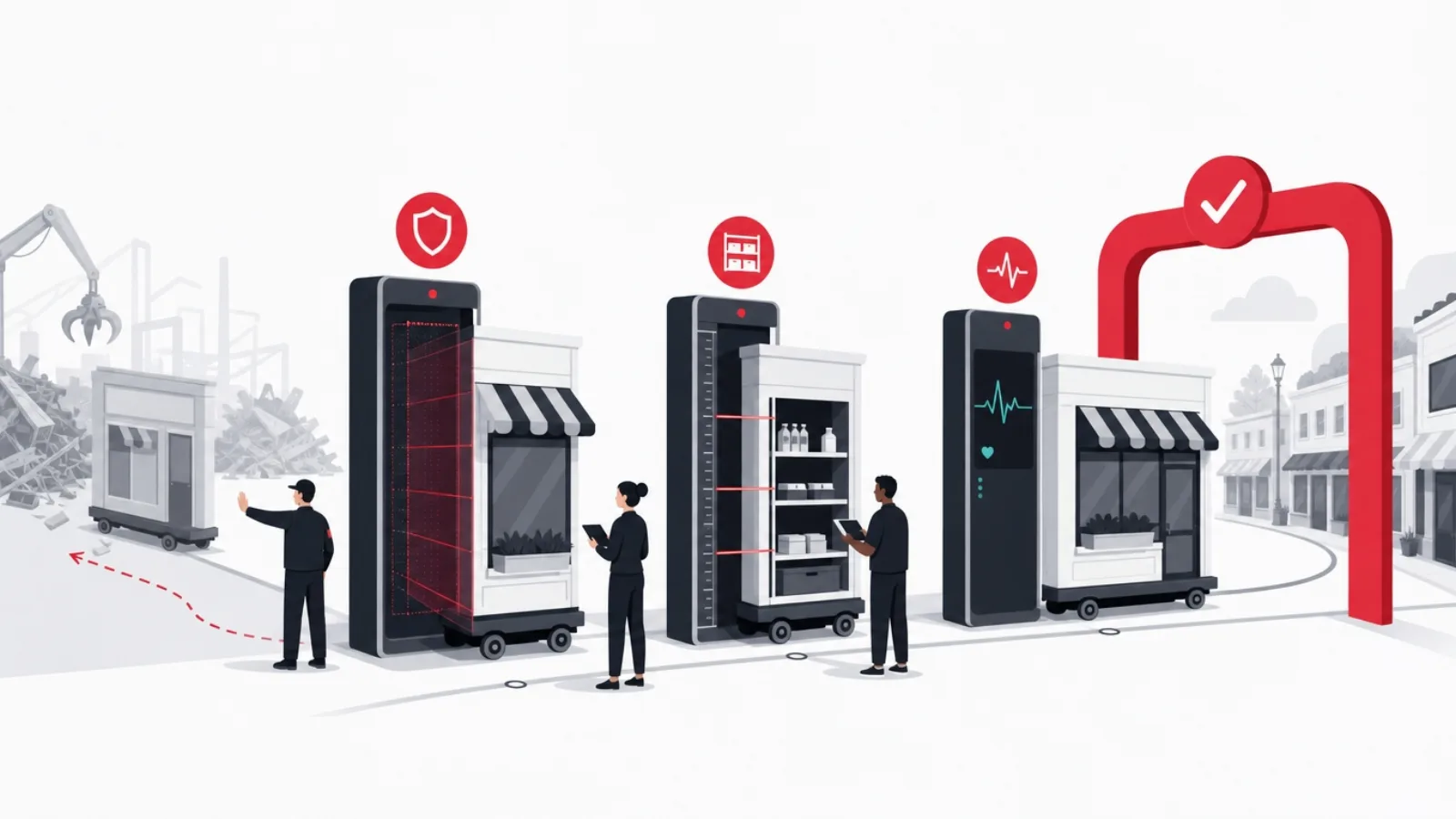
Every store below was evaluated on five questions. Is it alive, meaning actively maintained with a working client and recent catalog updates, which in 2026 disqualifies more famous names than you would expect? What does it carry that Play does not, since a store with a strict subset of Play's catalog has no reason to exist on your phone? How does it handle safety: signature checks, malware scanning, update hygiene? What does installing from it involve on a current Android version? And who is it actually for, because the honest answer is never "everyone".
One framing note before the list. Installing a store other than Play requires allowing installs from unknown sources for that app, and each store you trust becomes part of your phone's security boundary. That is not a reason to avoid alternatives; F-Droid's reproducible builds are arguably more transparent than Play's process. It is a reason to be deliberate: install store clients only from their official websites, never from a mirror a forum linked, and keep Play Protect enabled since it scans sideloaded apps as well.
Aptoide: the largest independent catalog
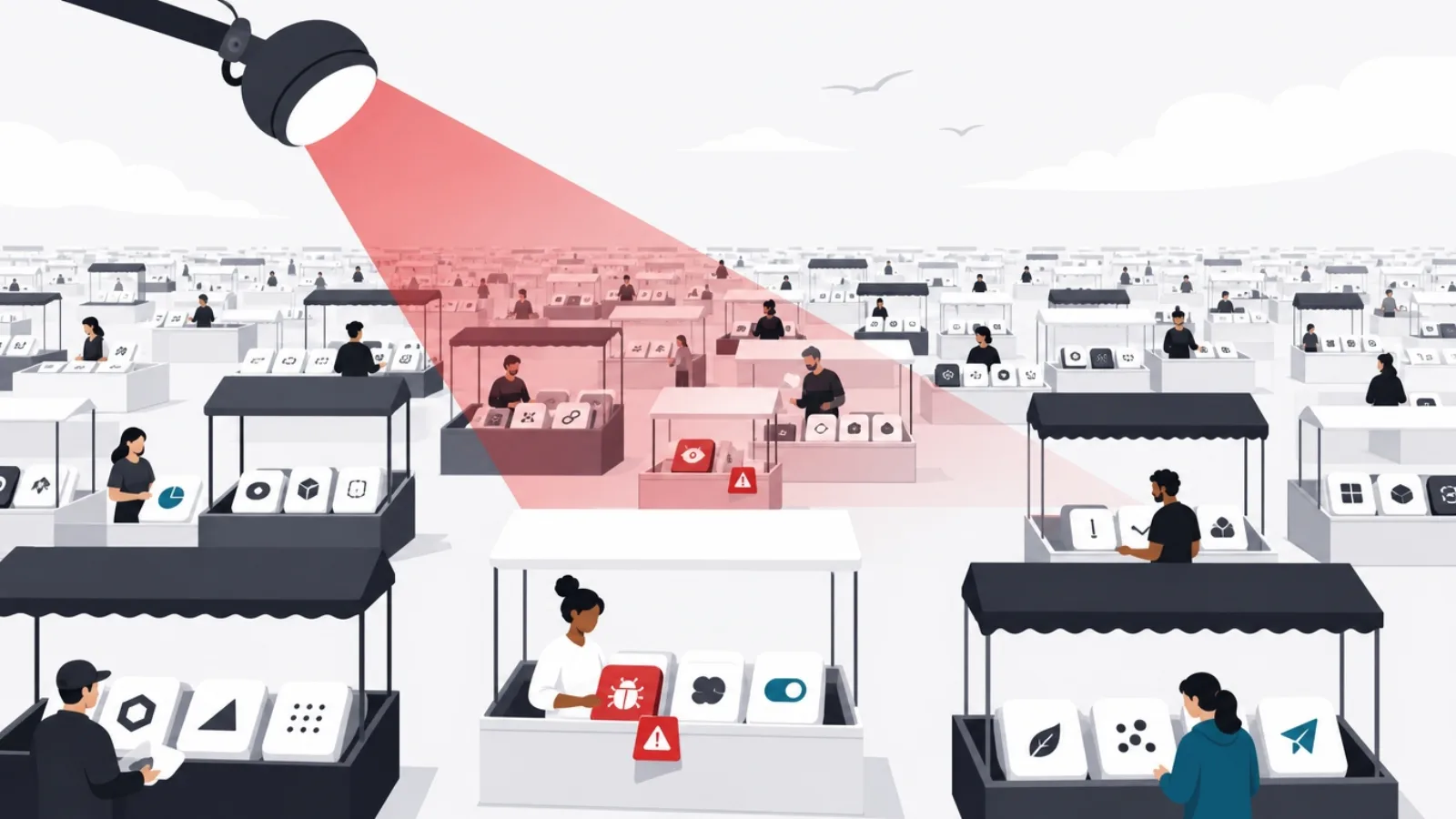
Aptoide is the biggest independent Android store by most measures, a Lisbon-based marketplace that has operated since 2011 and claims a catalog in the millions of apps and a user base in the hundreds of millions of accounts. Its structural difference from Play is federation: anyone can run their own store within Aptoide, which is why the catalog is enormous and why curation quality varies dramatically between stores inside it.
The practical reasons to use it: apps delisted from Play, earlier versions of apps when an update breaks something, region-restricted titles, and a gaming storefront with its own payment system that undercuts Play's billing in many titles. Aptoide signs and scans what it distributes through trusted stores, and its anti-malware badging is meaningful, but the federated model means the safety of what you install depends on which internal store it came from. Stay in the trusted-store lane and it is a reasonable citizen; wander into unknown user stores and you are back in unsigned-APK territory.
Aptoide also matters on the business side: it has been a named beneficiary and litigant in the antitrust pressure on Google, and it operates white-label stores for carriers and manufacturers. When regulators talk about a functioning alternative store market on Android, Aptoide is usually exhibit A.
SlideMe: a veteran fading out
SlideMe deserves a section because a decade of listicles put it in the canon, and honesty requires updating the record: it is no longer a store we can recommend. One of the oldest independent Android marketplaces, once preloaded on budget devices and a genuine indie-friendly channel, its client and catalog have gone visibly stale, and in this category staleness is a safety problem rather than a cosmetic one. A store that has stopped curating has not stopped serving downloads; it has only stopped checking them.
The pattern SlideMe represents is worth a paragraph on its own, because it will repeat. Independent stores live on razor margins around preinstall deals and developer fees, and when the deals dry up the maintenance does too, usually quietly and without an announcement. The practical rule for users: before trusting any smaller store, check when its client app and its featured catalog were last updated. Months of silence is an answer.
If what drew you to SlideMe was indie curation, the closest living equivalents are F-Droid for open source software and itch.io's Android corner for experimental games, each covered in their sections below.
Amazon Appstore: gone from Android, alive on Fire
For years the Amazon Appstore was the default answer to this article's question, the only alternative with mainstream brand trust, a real curation pipeline and its own billing. That era is over: Amazon discontinued the Appstore for Android in 2025, ending downloads and, over time, the Amazon Coins program that came with it. Lists still recommending it for Android phones are recommending a closed door.
The store lives on where Amazon controls the hardware: Fire tablets, Fire TV and Echo devices with screens all run Fire OS, an Android fork whose native catalog is the Amazon Appstore. On those devices it is not an alternative but the default, and the developer calculus reverses: if your audience includes Fire tablet households, kids' content especially, publishing to Amazon's store is how you reach them at all.
The strategic lesson from Amazon's retreat is the sobering one for this whole category: a trillion-dollar company with its own billing, its own devices and two decades of retail trust could not make an alternative Android store economically worthwhile on other people's hardware. The stores that survive do so by specializing, which is exactly what the rest of this list demonstrates.
APKPure: availability above all
APKPure is less a store than an availability layer for the Play catalog and beyond: a huge mirror of free Android apps, downloadable as APK and split-APK bundles, with version history going back years. The reasons people use it are concrete. An app is region-locked and you are in the wrong region. An update broke something and you need last month's version. A developer pulled an app you paid attention to. Your device has no Google services at all, common on phones sold in markets where Google is absent.
The safety story requires honesty in both directions. APKPure publishes signature verification so you can confirm an APK matches the developer's original signing key, which is genuine protection against tampering. It has also had real incidents, including a 2021 episode where its own client app shipped with malicious code injected through a compromised advertising SDK, patched quickly but instructive: the supply chain risk is the client itself, not only the catalog. Download the client from apkpure.com directly, keep it updated, and let Play Protect scan everything it installs.
The etiquette point matters too: APKPure mirrors free apps, and using it to bypass paid distribution or regional licensing sits somewhere between gray and wrong depending on the title. For delisted or region-locked free apps, it is the most practical tool in this article.
F-Droid: the privacy standard
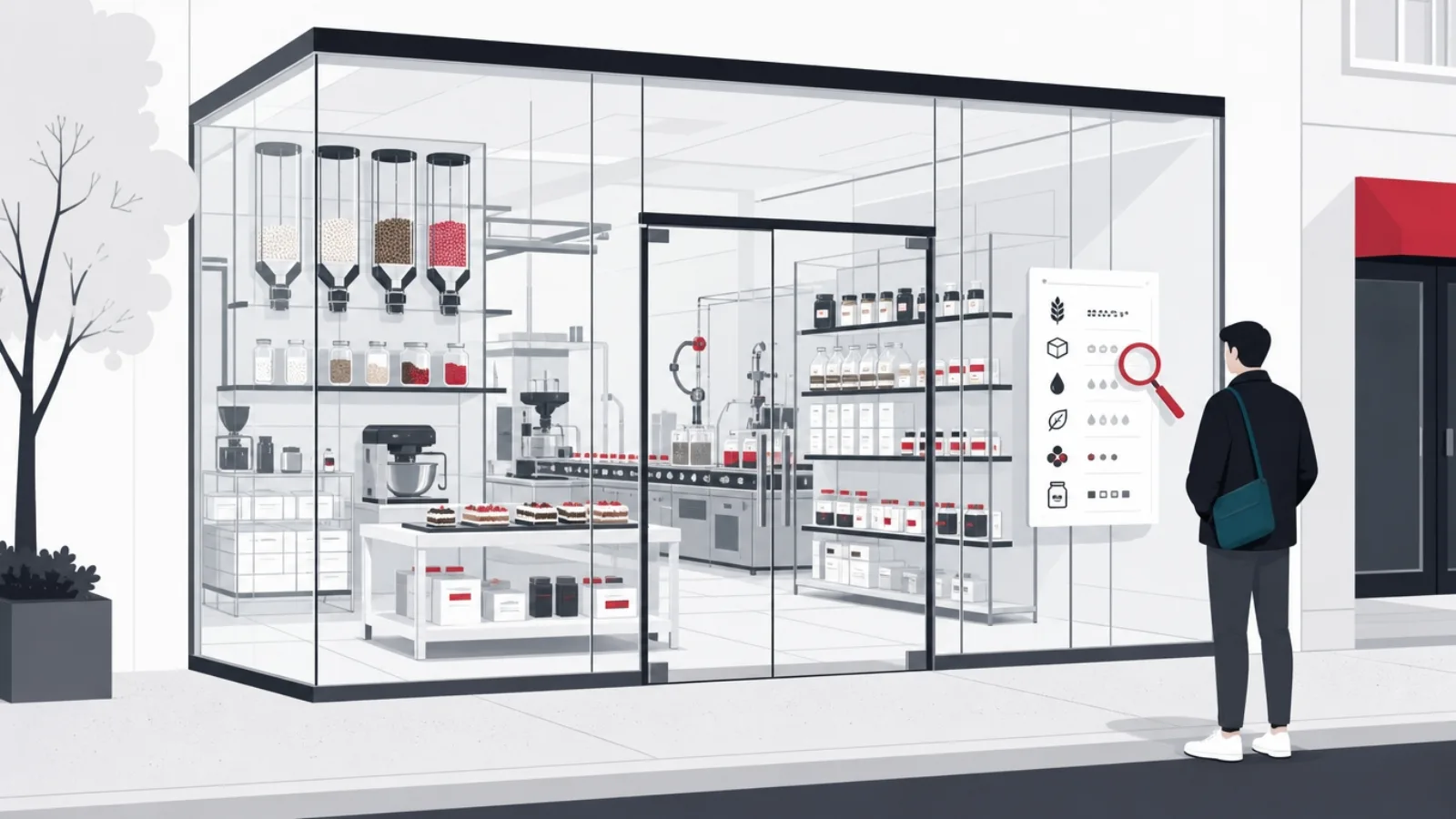
F-Droid is the store this category should be proudest of: a nonprofit-run catalog exclusively of free and open source Android apps, built from source by the F-Droid infrastructure itself, with every app's trackers and permissions disclosed as anti-features right on its listing. There is no account, no telemetry to speak of, and increasingly reproducible builds that let independent parties verify the published binary matches the public source code. As a trust architecture, that is stronger than any commercial store's promise, including Play's.
The catalog is small, a few thousand apps against Play's millions, and that is the point. What it carries is the open source canon: NewPipe for YouTube without ads or tracking, Signal-adjacent messengers, KDE Connect, Termux, OsmAnd for offline maps, and hundreds of quietly excellent utilities that could never survive Play's advertising economics. Users switching to de-Googled Android builds like GrapheneOS or LineageOS treat F-Droid as their primary store, usually alongside Aurora Store, an open source Play client for the apps that only exist there.
The trade-offs are real but honest: updates historically lag developers' own releases because F-Droid rebuilds from source, and the interface assumes you know what you came for. Neither changes the recommendation. If privacy is your reason for leaving Play, F-Droid is not an alternative store so much as the destination.
Galaxy Store: the preinstalled giant
The Galaxy Store is the easiest recommendation on this list to act on, because if you own a Samsung phone it is already installed. Samsung ships hundreds of millions of devices a year, and its store is a first-party channel with real curation, its own billing, and content Play does not carry: Good Lock modules and themes for deep One UI customization, watch faces for Galaxy wearables, and game exclusives or early releases that publishers cut deals for, Fortnite's Android launch being the historical headline.
For users the pitch is integration rather than rebellion: app updates for Samsung's own software arrive through it, themes and watch faces live there, and promotional bundles for Galaxy owners are frequently genuine value. For developers it is a serious storefront in a way most alternatives are not, with a review process, staged rollouts and a payments system, plus preinstall and promotion programs that can matter enormously in markets where Samsung dominates the mid-range.
The limitation is the obvious one: it is a Samsung channel for Samsung owners. The catalog outside games and customization is thin compared to Play, and non-Samsung users cannot meaningfully use it. Treat it as a complement that came with the phone, and as a developer, treat it as a regional and device-targeted distribution lever rather than a Play replacement.
QooApp: the specialist for Asian games
QooApp is what a surviving alternative store looks like: absolute specialization. It serves one audience, players outside East Asia who want Japanese, Korean, Chinese and Taiwanese mobile games, and it serves them better than Play does or wants to. Region-locked gacha titles, games that never get global releases, Japanese-region versions with different content and event schedules, all installable without VPN gymnastics or region-switched accounts.
The store understands its niche deeply: listings carry region tags, localization status and community notes, the client handles the update churn that region-imported games generate, and its editorial covers the anime-game world with actual fluency. For its audience, QooApp is not an alternative store; it is the only store that carries what they play.
The caveats are those of the niche itself. Games installed from another region may be against a publisher's terms, account safety for cross-region play varies by title, and QooApp's client should, as always, come only from qoo-app.com. But as a demonstration that focused curation for a underserved audience can sustain an independent store for over a decade, QooApp is the category's best evidence.
The sideloading safety checklist
- Install store clients only from their official sitesMirrors and forum links are the single largest infection vector in this category. Type the domain yourself.
- Leave Google Play Protect enabledIt scans sideloaded apps too, and it is the safety net that catches what a store's own curation misses.
- Check signatures when the store surfaces themA signature match to the developer's key means the APK was not tampered with in transit. APKPure and F-Droid both expose this.
- Grant unknown-source permission per app, then review itModern Android scopes the permission to each installing app. Audit the list in settings occasionally and revoke what you no longer use.
- Prefer stores that update their own clientA store client that has not updated in months has stopped maintaining its catalog defenses too. Staleness is the warning sign.
Whichever store you adopt, these five habits remove most of the real risk. None takes more than a minute.
Honorable mentions: Aurora, Huawei AppGallery, itch.io and the DMA newcomers
Four more channels deserve a paragraph each. Aurora Store is not a catalog but an open source client for Google Play itself, letting de-Googled devices install Play apps anonymously; paired with F-Droid it completes the privacy stack. Huawei AppGallery is one of the largest app stores in the world by users, the mandatory channel for Huawei devices that ship without Google services, and a real regional storefront across parts of Asia, the Middle East and Latin America; for most Western users it is irrelevant, but for developers targeting those markets it is a first-class consideration.
itch.io's Android section is tiny and wonderful: experimental indie games, jam entries and pay-what-you-want pricing, distributed as plain APKs by developers who own the relationship. And the newest cohort exists because of law rather than markets: the EU's Digital Markets Act obliged gatekeepers to permit alternative marketplaces, producing entrants like the Epic Games Store on mobile, which launched globally on Android and in the EU on iOS, carrying Fortnite and a growing third-party catalog with a headline-grabbing revenue split.
The DMA cohort is the one to watch. Epic has the content gravity and the litigation appetite to make mobile alternative distribution mainstream in a way SlideMe-era stores never could, and every concession it extracts resets what users expect installing an app to look like.
What alternative distribution means if you ship Android apps
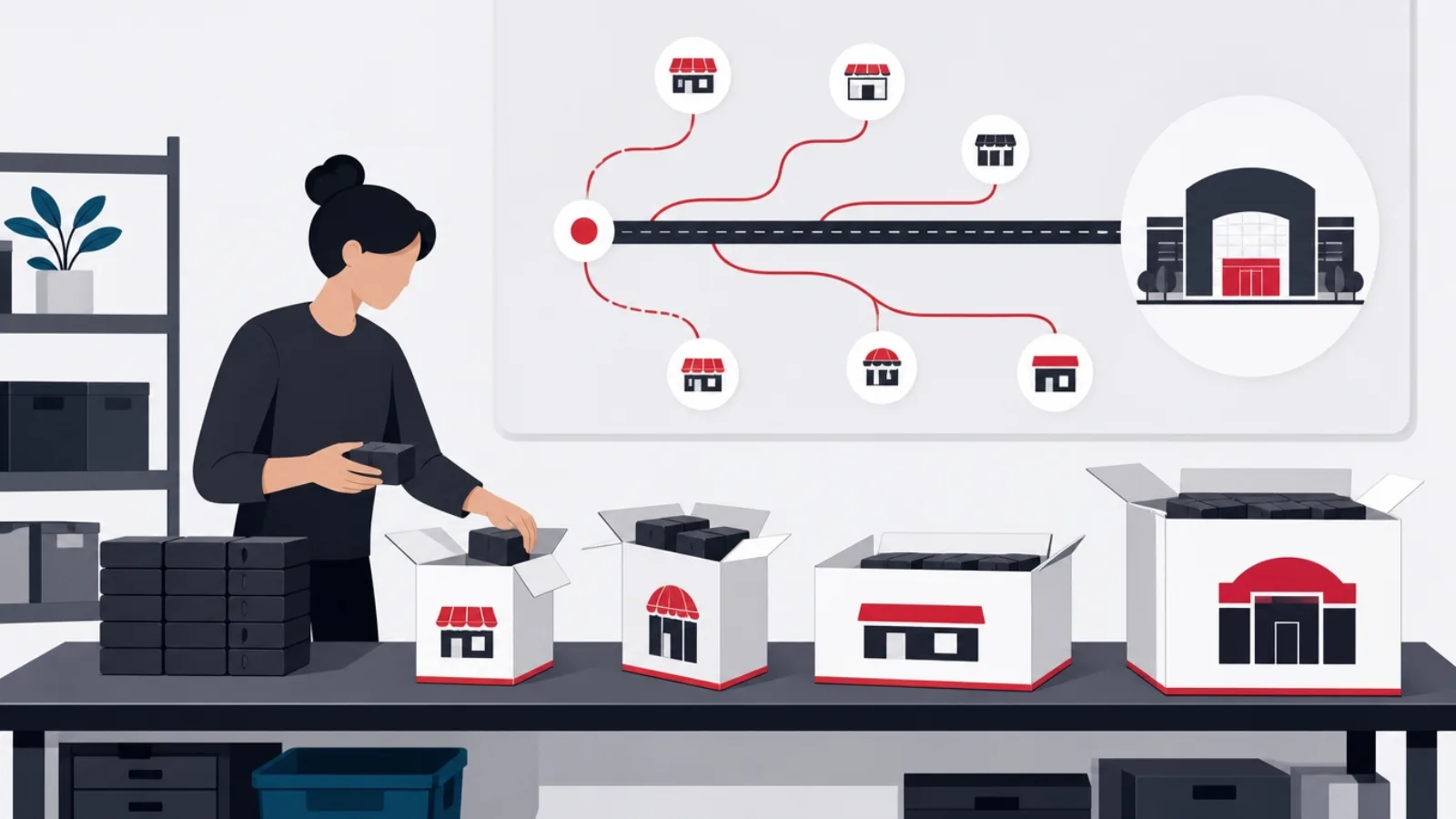
Now the developer half of the question. The blunt baseline: Google Play still carries the overwhelming majority of Android app revenue outside China, and no alternative store changes your launch plan on its own. Alternative distribution is a set of targeted levers, each with a specific payoff: Galaxy Store for Samsung-heavy markets and preinstall programs, AppGallery for Huawei territories, Amazon for Fire tablet households, QooApp-style specialists if your genre matches, F-Droid if your app is open source and your audience privacy-minded, and your own website now that DMA-era rules and Android's install flows make direct distribution viable for committed audiences.
The technical costs are predictable and worth budgeting honestly. Each store means another signing and release pipeline, another review process with its own rejection quirks, and sometimes another billing integration; Fire OS and Huawei devices additionally mean building without Google services, which touches push notifications, maps and analytics. In client work we treat each added store as roughly an extra release-engineering week up front plus a small ongoing tax per release, and the decision framework in our guides to how development actually gets priced and choosing between a PWA and native apps applies directly: pay the tax only where a store reaches users Play demonstrably does not.
The strategic read for 2026: regulation, not competition, is what finally moved this market. Developer verification is tightening the wild-west end of sideloading at the same time as the DMA legitimizes the structured end. The likely destination is a landscape that looks less like one store and seven curiosities, and more like consoles: a dominant first-party channel, two or three serious alternatives with real content deals, and direct distribution for apps whose audiences seek them out. Position for that by keeping your build pipeline store-agnostic now.
Since publication, two companion articles have covered the questions this one raises but does not answer. App Clips, Instant Apps and PWAs compares the three routes to reaching a user without any store at all, which is the logical next step for anyone who reads the sideloading section and wonders whether they need a store. And because every alternative store ships its own billing and analytics kit, SDK vs API explains what you take on when you integrate one. The store comparison above stands as written.
Multi-store distribution: what pays and what burns time
Do this
- Automate builds per store from one pipelineStore-specific flavors in CI, one version bump releasing everywhere. Manual per-store builds decay within a quarter.
- Go where your users demonstrably areSamsung-dominant markets justify Galaxy Store; Huawei territories justify AppGallery; a kids' app justifies Fire. Data first, stores second.
- Abstract Google services behind interfacesPush, maps, analytics and billing behind your own seams makes Fire and AppGallery builds a configuration, not a rewrite.
- Track review quirks per storeEach store rejects for different reasons. A shared internal checklist per store turns week-long resubmission loops into day-long ones.
Not this
- Ship everywhere because it feels like reachSix stores with no market rationale is six review processes and one analytics headache, for installs a single preinstall deal would dwarf.
- Let store builds drift apartA Fire build three versions behind Play is a support burden and a review liability. Parity or absence; nothing between.
- Ignore the billing rules per storeEach serious store has its own payment requirements and revenue split. Assuming Play's rules travel is how rejections and clawbacks happen.
- Treat direct APK distribution as freeDistributing from your website means owning updates, integrity and install support yourself. Viable for committed audiences, invisible cost for casual ones.
Field notes from shipping client apps across Play, Galaxy Store, AppGallery and Amazon's catalog.
Frequently asked questions
What is the best alternative to the Google Play Store?
It depends on your reason for wanting one. F-Droid is the best store for privacy and open source software, Aptoide has the largest independent catalog, APKPure is the practical source for region-locked or delisted apps, Galaxy Store is the strongest option for Samsung owners, and QooApp is the specialist for Japanese and Korean games. No single alternative replaces Play outright; the survivors all specialize.
Is the Amazon Appstore still available for Android?
No. Amazon discontinued the Appstore for Android devices in 2025. It continues to operate as the native store on Amazon's own hardware, Fire tablets and Fire TV, which run the Fire OS fork of Android. Any list still recommending the Amazon Appstore for regular Android phones predates the shutdown.
Are alternative app stores safe to use?
The reputable ones are reasonably safe if you follow the procedure: download the store's client only from its official website, keep Google Play Protect enabled since it scans sideloaded apps too, and prefer stores that verify app signatures, as F-Droid and APKPure do. The real danger is not the named stores but random APK download sites, which remain the largest Android malware vector.
Is F-Droid better than Google Play for privacy?
For privacy specifically, yes. F-Droid carries only open source apps, builds them from source itself, discloses trackers and questionable permissions as anti-features on each listing, and requires no account. Its trade-offs are a small catalog and slower update propagation. Most privacy-focused users pair it with Aurora Store, an open source client that fetches Play-only apps anonymously.
Can I publish my app to alternative stores as well as Google Play?
Yes, and for some audiences you should. Galaxy Store reaches Samsung owners with preinstall and promotion programs, Huawei AppGallery is essential for Huawei devices that lack Google services, and Amazon's store reaches Fire tablets. Each store adds a signing pipeline, a review process and sometimes a billing integration, so the practical rule is to add a store only where it reaches users Play demonstrably does not.
What changed with the EU Digital Markets Act and app stores?
The DMA obliged gatekeeper platforms to allow alternative app marketplaces and sideloading under defined conditions, which brought the Epic Games Store to iOS in the EU and strengthened its position on Android globally. In parallel, Google has been tightening developer verification for apps installed outside Play. The combined effect is a more legitimate but more structured alternative distribution landscape than the old sideloading era.
Store strategy is one slice of shipping a product well. If you are building an Android app and want the distribution thinking included from sprint one, work with AgileTech, a software house in Hanoi that ships client apps across Play, Galaxy Store, AppGallery and Fire OS.
Source: https://agiletech.vn/blog/android-app-store-alternatives/ · (c) AgileTech Vietnam. Printed from agiletech.vn.