 Nguyen Manh Thang
Chief Executive Officer, AgileTech Vietnam
Nguyen Manh Thang
Chief Executive Officer, AgileTech Vietnam
- Published
- Read time
- 10 min
Read the AI overview
A healthcare LMS is a learning platform whose center of gravity is compliance, not courseware: it tracks every clinician's licenses, certifications and mandatory training against expiration dates and accreditation requirements, assigns role-specific curricula automatically as people are hired or change roles, validates clinical skills through checklists and proctored assessments rather than slide completion, and produces the audit reports surveyors ask for. General corporate LMS platforms can host healthcare content but usually lack the credential engine, so buyers choose between healthcare-specialized platforms, general platforms extended with compliance modules, and custom builds, with the decision driven by organization size, the complexity of the credential matrix, and how much of the workflow already lives in the HR and scheduling systems the LMS must integrate with.
Every hospital runs a training operation whether it wants to or not. Regulators require documented competency for hundreds of clinical tasks, accreditors audit training records during surveys, licenses and certifications expire on their own calendars, and a nurse who floats to a new unit needs that unit's training before the shift starts, not after. The system that carries all of this is a learning management system, but the healthcare version of that category is a different machine from the corporate one, and buyers who evaluate it with a corporate checklist buy the wrong thing.
This guide explains the healthcare LMS properly: what makes clinical training structurally different, the compliance engine that sits at the platform's center, the integrations that decide whether the system runs itself or becomes a manual reconciliation job, the honest comparison between specialized platforms, extended general platforms and custom builds, and what each path costs. The test applied throughout is the one that matters: what happens during an accreditation survey, when someone asks for evidence that every person on a unit was competent to do what they did.
It belongs to a wider cluster: the LMS selection guide covers the general platform decision this article specializes, the corporate LMS comparison maps the general vendors, and the hospital systems guide shows where the LMS sits among the other systems a hospital runs.
Key takeaways
- A healthcare LMS is a compliance system wearing a learning platform's interface: credential tracking, mandatory training assignment and audit reporting are the core, courses are the payload.
- Hospital training differs structurally from corporate training: role-based mandatory curricula, hard regulatory deadlines, skills validated by observation rather than quiz scores, and surveyors who ask for evidence.
- The credential engine is the make-or-break module: licenses, certifications and competencies per person, each with issuers, expiry dates, renewal requirements and escalation when a deadline approaches unheeded.
- Integration weight sits with HR and scheduling: hires, transfers and terminations must flow into training assignments automatically, and training status must flow back to the systems that build shifts.
- Specialized healthcare platforms win on the credential engine, general platforms win on price and content ecosystems, and custom builds win only when the workflow is genuinely unusual at meaningful scale.
- Budget honestly: a mid-size hospital pays roughly 15 to 40 dollars per user per year for specialized platforms, and a custom build starts around 150,000 dollars before the integrations that make it useful.
Why healthcare training is structurally different
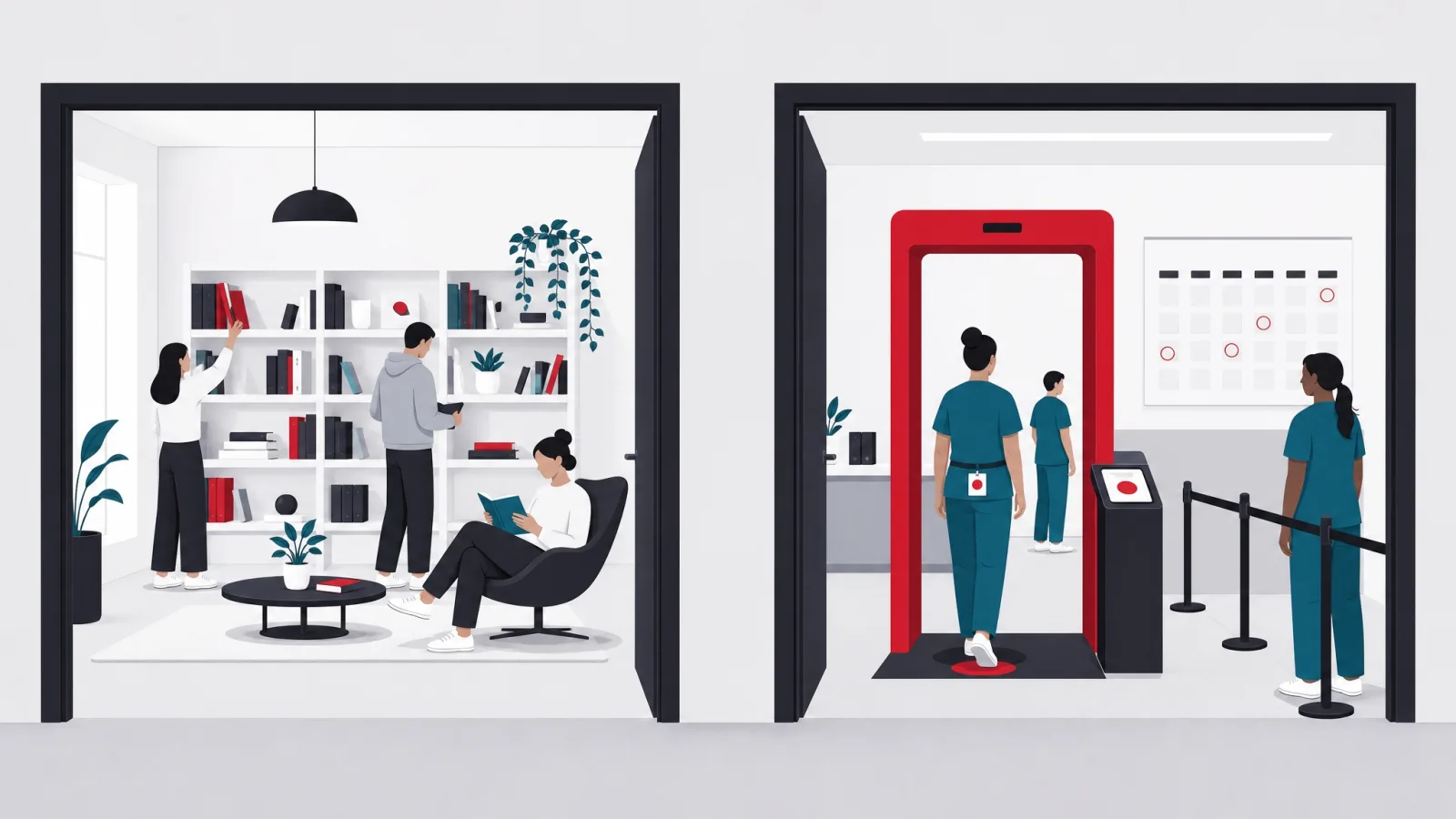
Corporate training is mostly elective and reputational: a company decides what its people should learn, assigns it, and the consequence of skipping it is internal. Healthcare training is mandated and evidentiary: a regulator or accreditor requires it, the requirement attaches to a role or a procedure rather than to a preference, and the consequence of missing it ranges from a survey finding to a suspended license to a lawsuit where the training record is an exhibit. That single difference, training as evidence rather than training as enrichment, reshapes every module of the platform that manages it.
The second structural difference is that clinical competence cannot be measured by course completion. A slide deck about central line insertion proves nothing about whether a clinician can insert a central line; what proves it is a skills checklist completed by a qualified observer, a simulation session, or a proctored assessment. Healthcare LMS platforms therefore carry validation machinery that corporate platforms lack entirely: observable competency checklists with sign-off workflows, skills fairs and simulation scheduling, and the distinction between knowledge (a quiz can test it) and competency (a person must watch you do it).
The third difference is churn and floating. Hospitals run on shift work, agency staff, per-diem nurses and clinicians who move between units, and every one of those movements changes what training applies. A corporate LMS assigns a curriculum when someone joins a department and rarely thinks about it again; a healthcare LMS re-evaluates assignments continuously against role, unit, shift and credential status, because the float nurse arriving on a telemetry unit tonight either has telemetry competencies on file or should not take the assignment. The platforms that handle this well treat assignment as a rules engine over live HR data, not as a list an administrator maintains.
The last difference is the audience for the records. Corporate training reports go to HR dashboards; healthcare training records go to surveyors from accrediting bodies, to state boards during license investigations, and to lawyers during litigation. That audience defines the reporting requirements: point-in-time reconstruction (who was qualified for what on a specific date), evidence chains (who signed off, what their qualification was), and export formats that survive scrutiny. An LMS that cannot answer "show me everyone qualified to run this device on the night of March 12" is a course catalog, not a compliance system.
Corporate LMS versus healthcare LMS, structurally
| Dimension | Corporate LMS | Healthcare LMS |
|---|---|---|
| What drives assignment | Manager or L&D choice | Role, unit, regulation and credential status |
| What proves learning | Course completion, quiz score | Observed competency, proctored sign-off |
| Deadline character | Soft, internal | Hard, regulatory, license-linked |
| Reporting audience | HR dashboards | Surveyors, state boards, litigation |
| Population dynamics | Stable departments | Shifts, floats, agency staff, per-diem |
| Cost of a gap | Reputational | Survey finding, license risk, liability |
The same product category, two different machines. The differences are structural, not cosmetic.
The compliance engine: credentials, deadlines and escalation
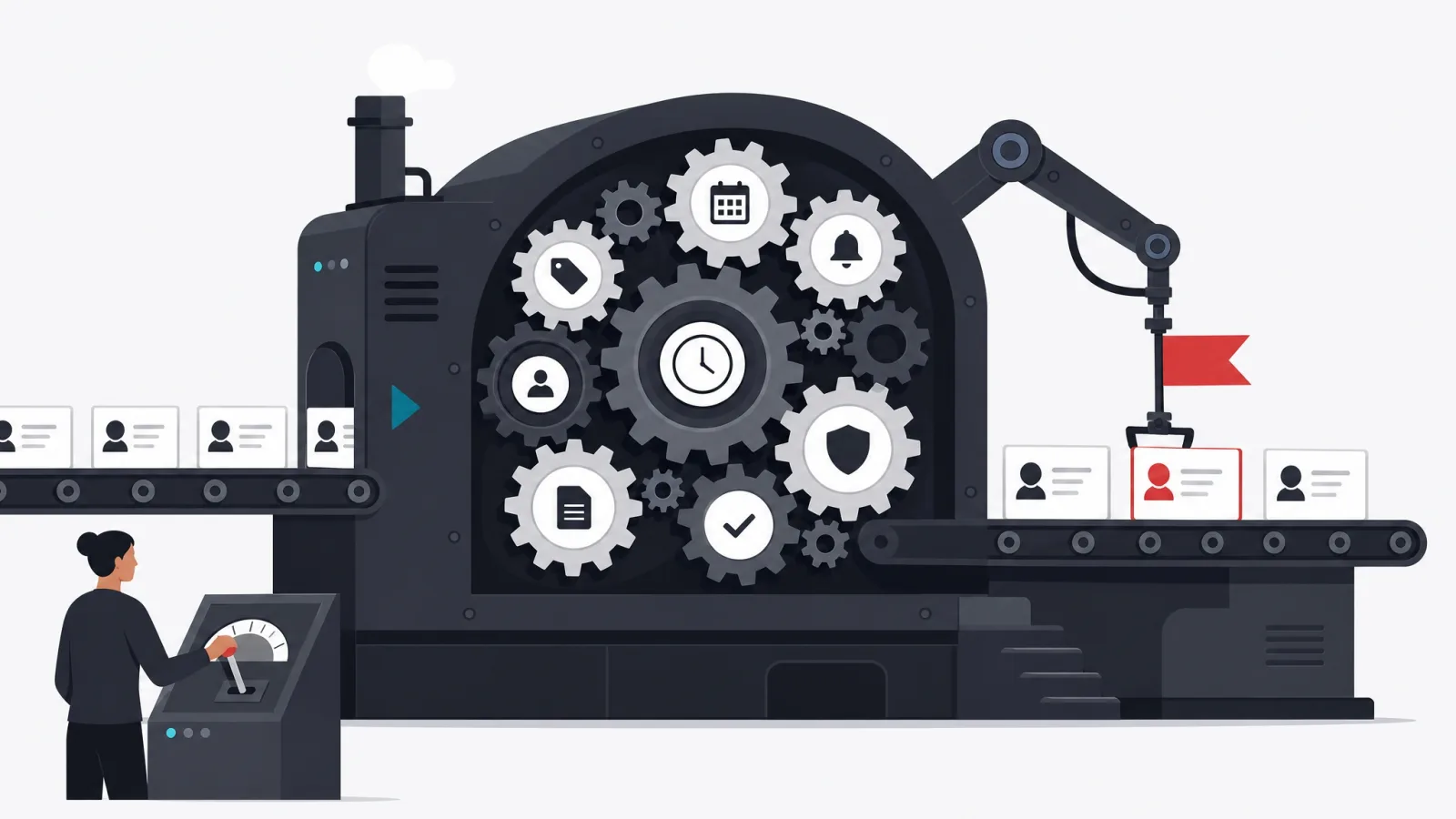
The center of a healthcare LMS is a credential registry: a record per person listing licenses, certifications, competencies and mandatory training, each with an issuer, an issue date, an expiration date, renewal requirements and current status. Everything else the platform does hangs off this registry. Curricula are assigned because the registry says a credential is required and missing; reminders fire because the registry says an expiration approaches; dashboards go red because the registry says a unit has an uncovered requirement. Buyers evaluating platforms should spend most of their evaluation here, because a weak credential engine cannot be compensated by a strong course player.
The engine's first job is modeling the requirement matrix, and the matrix is genuinely complicated. Requirements attach to roles (every RN needs basic life support), to units (telemetry needs dysrhythmia competency), to procedures (moderate sedation requires specific training), to equipment (this ventilator model requires device training), and to employment events (new hires need orientation within 30 days, transfers need unit orientation before independent practice). A real hospital's matrix runs to hundreds of rules, and the platform must evaluate every person against every applicable rule continuously, because both sides change: people move, and requirements are updated whenever a regulation or policy changes.
The second job is the deadline machine. Every credential has a life cycle: current, expiring soon, expired, in renewal. The platform watches the calendar and escalates: a reminder to the clinician at 90 days, a copy to the manager at 60, an escalation to the director at 30, and at expiration, a status change that other systems can act on, up to and including removal from the schedule. The escalation chain matters more than the reminder, because reminders are ignored at scale; what changes behavior is the manager's dashboard showing three nurses going non-compliant in two weeks and the scheduling system refusing the assignment.
The third job is producing evidence. During an accreditation survey, the organization gets questions of the form: show me the competency records for everyone who worked in the emergency department in January, or show me how you ensure agency nurses meet the same requirements as employees. The platform must answer from stored data, historically (as of a date, not just currently), and with the sign-off chain intact: who validated the competency, when, and what qualified the validator to sign. Platforms that only report current status fail the survey use case, and organizations discover this during the survey, which is the most expensive possible moment.
The compliance vocabulary
- Credential
- A license, certification or validated competency attached to a person, with an issuer, dates and renewal rules.
- Requirement matrix
- The ruleset mapping roles, units, procedures and equipment to the credentials they require.
- Competency validation
- Proof of skill by observation or assessment, signed by a qualified validator. Distinct from course completion.
- Point-in-time reporting
- Reconstructing who was qualified for what on a past date. The survey and litigation use case.
- Escalation chain
- The sequence of notifications and status changes as a deadline approaches: clinician, manager, director, scheduler.
Courses, checklists and the validation workflow
The content layer of a healthcare LMS carries three kinds of material, and each has its own workflow. Knowledge content, courses, videos, policies to read and acknowledge, works like any LMS: assign, complete, record, with SCORM or xAPI packages from content vendors and authoring tools for internal material. Healthcare buyers should weigh the content ecosystem heavily here, because mandatory topics, infection control, safety, harassment, HIPAA in the American market, are commodity content that specialized vendors ship pre-built and pre-mapped to requirements, and building that library internally is expensive redundancy.
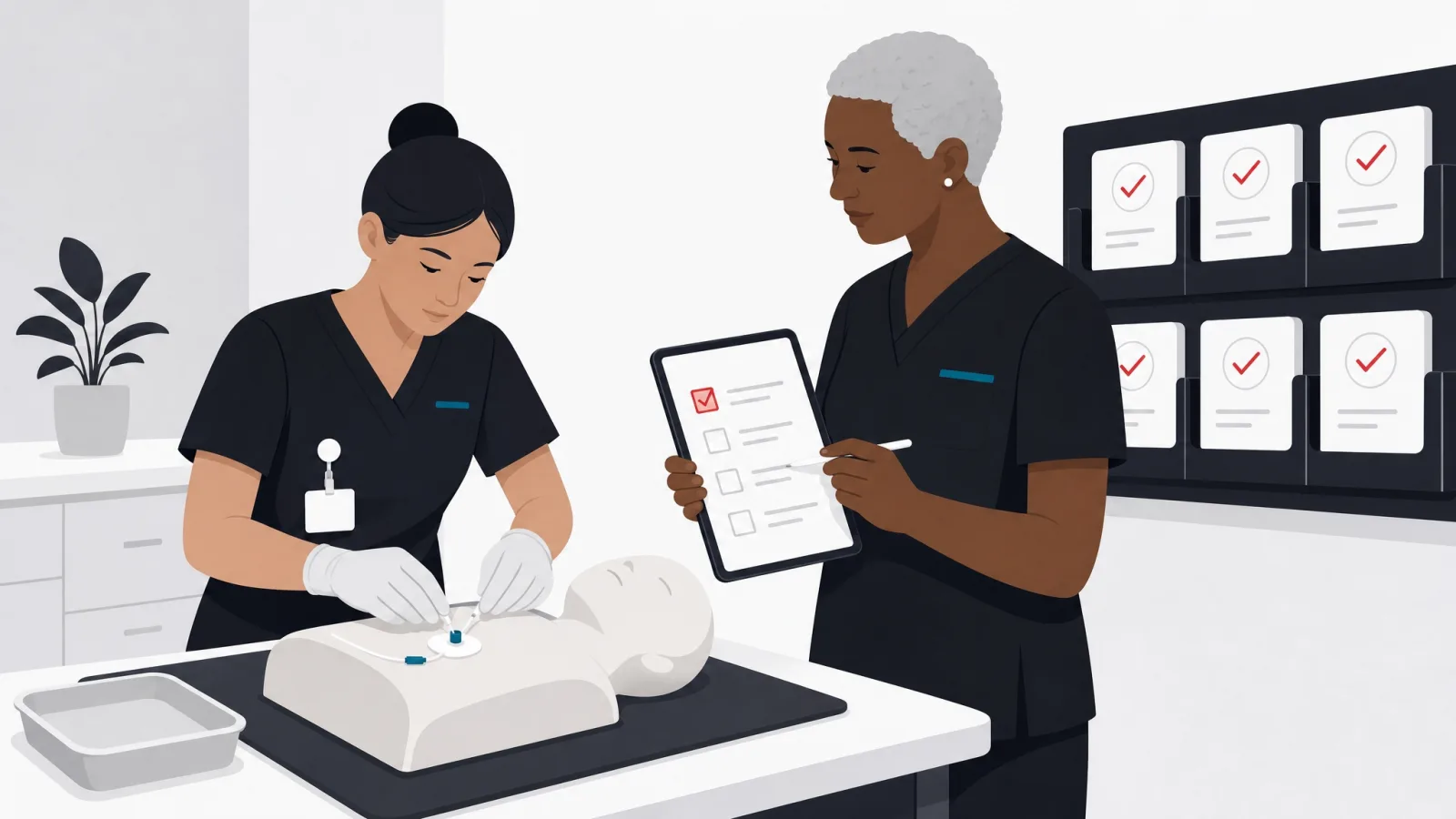
Competency content is where healthcare departs. A competency is defined as an observable checklist: the steps a clinician must demonstrate, the standard for each, and who may validate it. The workflow runs through people: a validator observes, checks off steps on a tablet at the bedside or in a simulation lab, records exceptions, and signs; the signature and the validator's own qualification become part of the record. Platforms differ enormously in how well this works offline (hospital basements have dead zones), how validators are qualified and tracked, and whether the checklist library can be maintained by educators without vendor involvement.
The third kind is regulated external training, the certifications that clinicians earn outside the organization: basic and advanced life support cards, specialty certifications, continuing education units required by state boards. The LMS does not deliver these but must track them, which means ingesting evidence: card uploads, verification against issuer databases where APIs exist, and expiration tracking with the same escalation machinery as internal requirements. The manual version of this, binders and spreadsheets in every education department, is exactly what the platform exists to retire, so the ingestion workflow's usability is a real selection criterion.
Around all three runs the assignment engine described earlier, and one workflow deserves specific attention: onboarding. A new nurse's first weeks generate dozens of requirements, orientation modules, unit competencies, device training, policy acknowledgments, preceptor sign-offs, and the difference between a good and bad platform is whether that program assembles itself from the requirement matrix when HR creates the hire, or whether an educator builds each new hire's checklist by hand. At hospital hiring volumes, self-assembling onboarding is worth more than any single feature on the marketing page.
Content and validation capabilities to verify in a demo
- Pre-built mandatory libraryCommodity compliance topics shipped and mapped to requirements, not sold as authoring work.
- Bedside checklist workflowTablet-friendly competency sign-off that survives dead zones and records the validator's qualification.
- External credential ingestionCard uploads, issuer verification where possible, and the same escalation as internal deadlines.
- Self-assembling onboardingA new hire's full program generated from the requirement matrix at HR create, not built by hand.
- Educator-maintained librariesChecklists and curricula editable by your educators without vendor tickets.
- Policy acknowledgment flowRead-and-sign for policy updates, with the audit trail surveys ask about.
The integrations that decide whether it runs itself
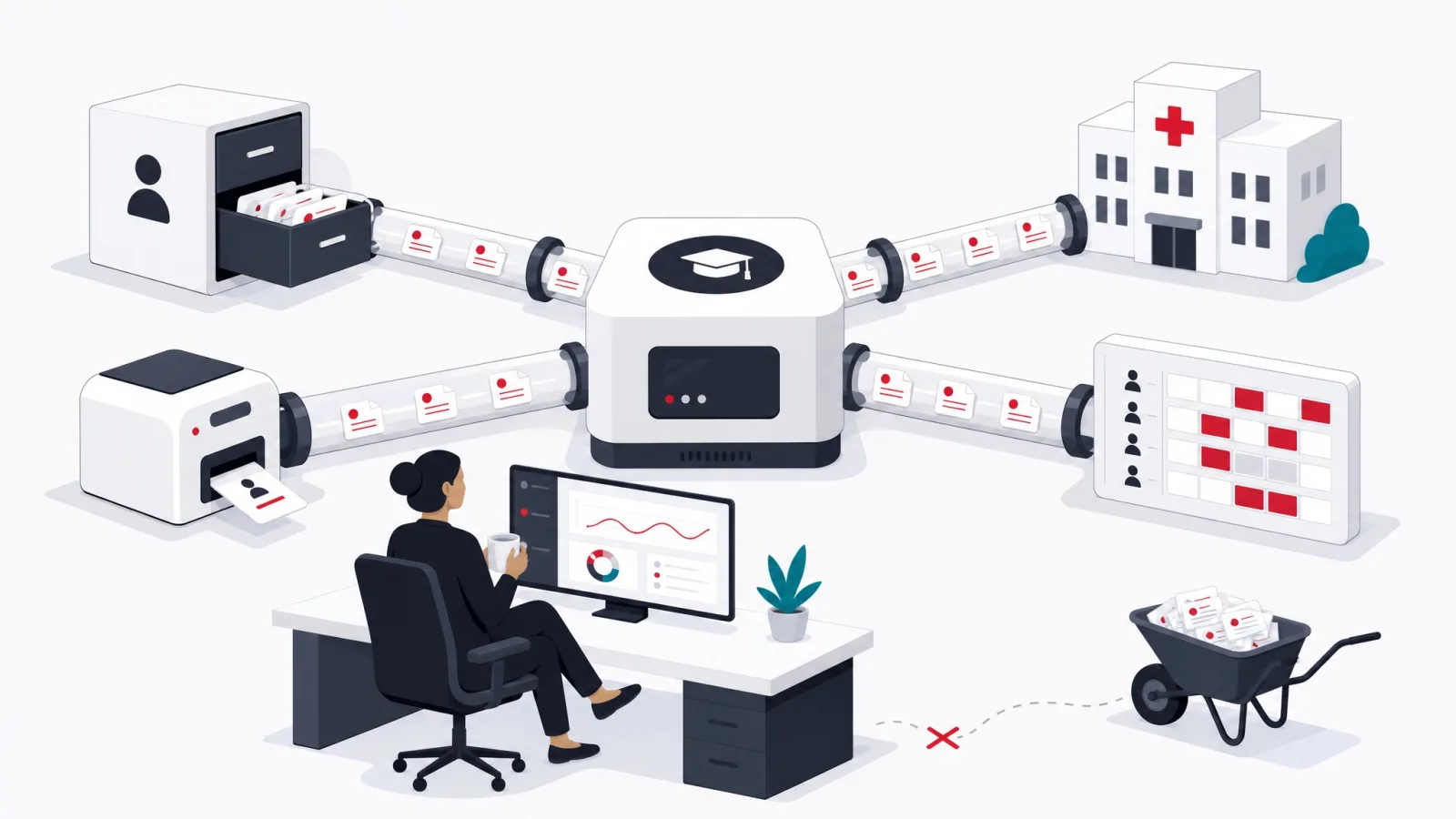
A healthcare LMS earns its keep by reacting to events it does not own: hires, transfers, terminations, role changes, unit changes. All of those live in the HR system, so the HR integration is the platform's most important pipe. Done well, it is a nightly or event-driven feed that creates accounts, assigns curricula, re-evaluates requirements on transfer and deactivates on termination, with no human in the loop. Done poorly, it is a monthly CSV upload, and every gap between uploads is a window where a transferred nurse works a unit whose training she was never assigned. Evaluate the integration by asking how transfers propagate, because hires are easy and transfers are where implementations quietly fail.
The second pipe runs to scheduling and staffing systems, and it runs both directions. Inbound, the schedule tells the LMS who is actually working where, which matters for float and agency populations the HR feed describes poorly. Outbound, training status feeds scheduling decisions: a charge nurse building tomorrow's assignments should see competency status next to availability, and the strictest organizations configure hard stops, an assignment the system refuses because the credential lapsed. Not every organization wants hard stops, but every organization should want the data available where assignment decisions are made, because a compliance dashboard nobody looks at during scheduling changes nothing.
The third set of pipes is identity and access: single sign-on against the corporate directory, because clinicians will not maintain another password, and ideally provisioning through the same identity lifecycle the other clinical systems use. Alongside it sits the learning content ecosystem, SCORM and xAPI package support, LTI for external content providers, and APIs for the analytics warehouse, because training data eventually joins quality and safety data in the organization's reporting layer, and platforms without a real API become another silo that analysts work around with exports.
What does not usually integrate, and should not be promised, is the EHR. The instinct to wire training status into the electronic health record is common and almost always wrong: the EHR is the wrong system for competency enforcement, the interface work is expensive, and the clinical workflow impact of blocking documentation on training status is dangerous. The correct boundary is scheduling and access provisioning: control what work a person is assigned and what systems they can enter, not whether they can document care they already delivered. Buyers pressured by vendors selling EHR integration should ask precisely what event flows in which direction and what happens when it fails.
Specialized platform, extended general platform, or custom build
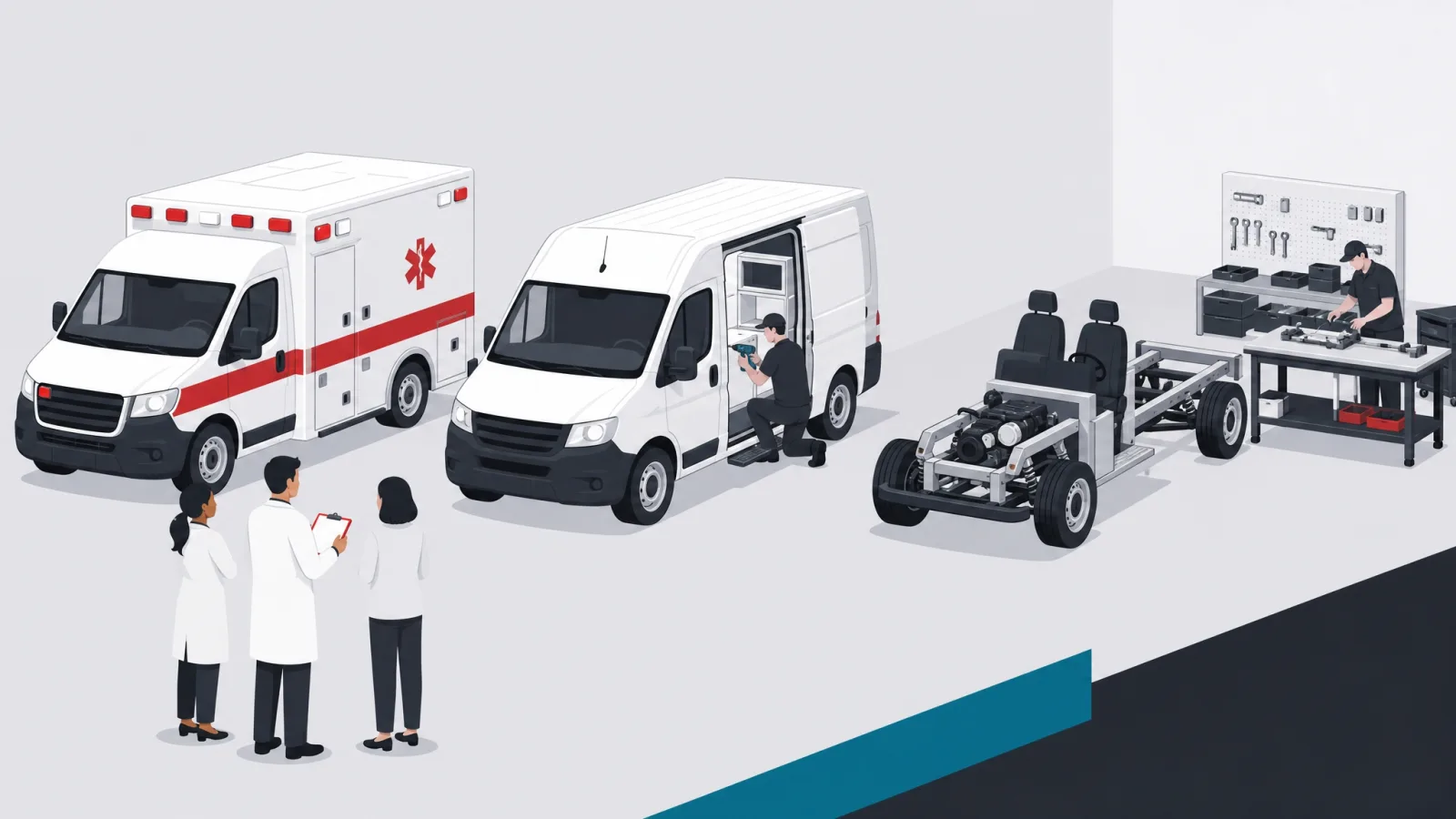
The market offers three honest paths. Healthcare-specialized platforms, HealthStream and Relias are the recognizable names in the American market, ship the credential engine, the requirement matrix, the mandatory content library and the survey reporting as their core product, because their entire customer base needs exactly that. General corporate platforms, the market the corporate LMS comparison maps, offer better prices, broader content marketplaces and often better learner experience, with compliance handled through added modules or configuration that approximates the credential engine without quite being one. Custom builds put the requirement matrix and workflow exactly where the organization wants them, at custom software prices and timelines.
The specialized platform is the default for hospitals and care networks, and the reasoning is concrete rather than deferential: the credential engine is genuinely hard to retrofit, the pre-built mandatory library and its requirement mappings save educator months every year, and surveyor-shaped reporting exists because thousands of prior surveys shaped it. The trade-offs are real too: learner experience tends to lag consumer expectations, pricing is opaque and negotiable in ways that reward diligence, and the platforms' age shows in administration workflows. Organizations choosing this path should negotiate hard on per-user pricing and demand the integration behaviors described above in writing.
The extended general platform fits organizations whose clinical footprint is a minority of their training problem: a senior-care network with heavy non-clinical staff, a medical device company training a salesforce with some clinical content, a payer whose compliance needs are corporate more than clinical. For them, the general platform's price and experience advantages outweigh a thinner credential engine, provided the clinical minority's requirements are genuinely modeled and not merely hosted. The failure mode is buying a general platform for a hospital because the demo looked modern, then rebuilding the credential engine in spreadsheets around it, which is the worst of both purchases.
The custom build is the narrow path, and it should be argued for rather than defaulted into. It earns its cost when the training workflow is itself unusual at scale: a multi-country provider network whose requirement matrix spans regulators no vendor models, a training business whose LMS is the product, a telehealth operation whose clinician onboarding is its growth bottleneck and competitive edge. In those cases the build follows the same discipline as any custom platform decision: the requirement matrix and credential engine first, content delivery second, and integrations budgeted as first-class scope rather than as the line that gets cut. A build that skips the engine to ship a course player first has built the commodity and deferred the differentiator.
The three paths, as a decision
How unusual is your requirement matrix, and how clinical is your population?
-
Hospital or care network, standard accreditation footprint
Specialized healthcare platform
The credential engine, content library and survey reporting are the product. Retrofitting them elsewhere costs more than the price difference.
-
Mixed population, clinical minority
General platform, extended carefully
Price and experience advantages outweigh a thinner credential engine, if the clinical requirements are genuinely modeled.
-
Unusual matrix at scale, or the LMS is the product
Custom build, engine first
No vendor models your workflow; the build is justified by the differentiator, not by feature comparison.
What each path costs, honestly
Specialized healthcare platforms price per user per year, and the sticker is negotiable in ways corporate software buyers underestimate. Realistic landed prices for a mid-size hospital run roughly 15 to 40 dollars per user per year for the platform, with mandatory content libraries adding a similar amount again depending on how much of the vendor's catalog is licensed. A 2,000-employee hospital should therefore model 60,000 to 160,000 dollars a year all-in, before implementation. Implementation itself, the requirement matrix build, the HR integration, historical data migration, runs 25,000 to 100,000 dollars depending on how clean the incoming records are, and dirty credential records are the rule rather than the exception.
General platforms price lower per seat, commonly 4 to 15 dollars per user per year at organizational volumes, which is exactly why they tempt clinical buyers. The honest comparison adds what the sticker omits: the compliance module's additional per-user fee, the configuration consulting that approximates a credential engine, the mandatory content licensed separately from a content vendor, and the educator hours spent maintaining what the specialized platform automates. Organizations that have run both report the gap narrowing to little or nothing at hospital-shaped requirements, and reversing for mixed populations where most users never touch clinical content.
Custom builds start around 150,000 dollars for a credible first release, the credential registry, the requirement matrix engine, assignment automation, a course player for standard packages, and the competency checklist workflow, and climb with integrations, which deserve their own line: an event-driven HR integration and a scheduling integration are each real projects, typically 20,000 to 60,000 dollars apiece depending on the systems on the other end. Ongoing cost is engineering time rather than subscription: a platform this shape needs a small continuing team, because requirement matrices change with regulations, and a compliance system without maintenance decays into the spreadsheets it replaced.
The cost that dominates all three paths at five-year horizon is not software but administration: the educators and coordinators who maintain the matrix, validate competencies, chase exceptions and prepare surveys. A platform choice that saves 30,000 dollars a year of subscription but adds a coordinator's worth of manual reconciliation is a bad trade at any hospital's loaded labor costs. This is the honest argument for weighting the credential engine and the HR integration above every other criterion: they are the difference between a system that runs itself and a system that runs on people, and people are the expensive part.
The healthcare LMS, priced
Implementation, and staying survey-ready
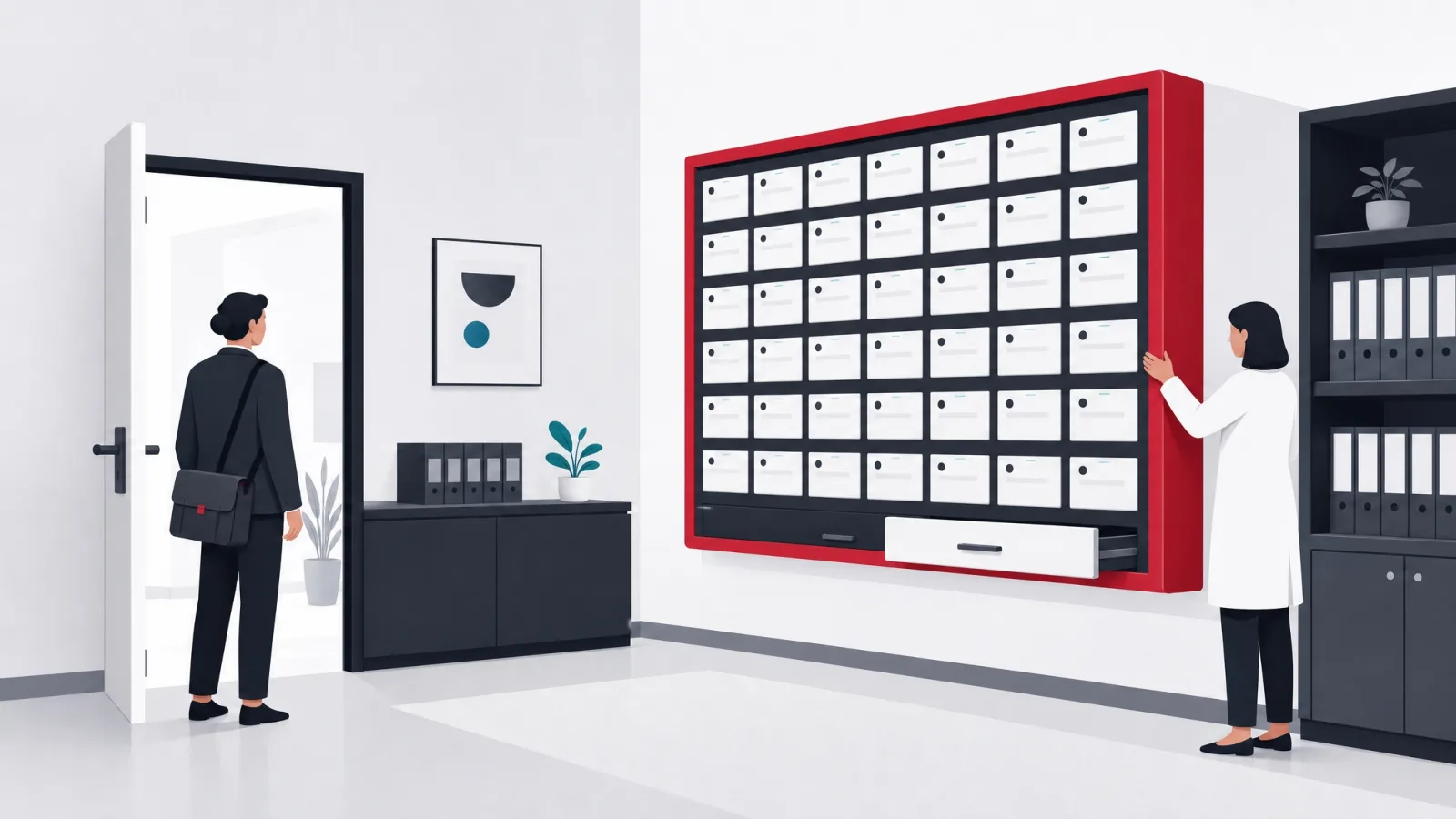
Implementations succeed or fail on the requirement matrix, so build it first and build it honestly. The temptation is to migrate the legacy spreadsheet's requirements wholesale; the better move is a requirements audit with the educators who own each domain, because legacy matrices accumulate rules whose regulation was retired years ago and miss rules added since anyone last reconciled. Budget real educator time for this, weeks, not meetings, and treat the resulting matrix as a governed document with an owner and a change process, because an ungoverned matrix drifts back into folklore within a year.
Migrate credentials with their history, not just their current status. Point-in-time reporting, the survey and litigation use case, only works if the record shows when each credential was earned, validated and renewed, so a migration that loads only current status has quietly amputated the platform's evidentiary value. Where legacy records are paper, prioritize scanning the populations surveyors sample: current employees' current credentials first, recent history second, departed employees as the archive project it honestly is. Then run the two systems in parallel for one full renewal cycle on a pilot unit before cutover, because renewal is where escalation chains, issuer verification and reporting all get exercised at once.
Rollout order matters in a hospital because attention is the scarce resource. Start with a service line whose leadership wants the system, wire the HR feed before the first user logs in (a platform that starts as a manual roster never recovers), and lead with the workflow that pays users back: for managers, the unit compliance dashboard that replaces their spreadsheet; for clinicians, mobile completion and a wallet view of their own credentials; for educators, self-assembling onboarding. The compliance value arrives regardless; adoption arrives because someone's Tuesday got easier.
Survey readiness is then a standing state rather than an annual scramble. The organizations that do this well run the platform's reports as operational rhythm: unit compliance reviewed in the same meetings as staffing, expirations worked from dashboards weekly, mock survey extracts pulled quarterly so the export formats and evidence chains are proven before a surveyor is in the building. The platform's contribution is making that rhythm cheap; the organization's contribution is running it. A healthcare LMS bought as survey insurance and then ignored between surveys delivers exactly the scramble it was bought to prevent, with a subscription attached.
The implementation, in order
-
Audit and rebuild the requirement matrixWeeks of educator time
With the educators who own each domain, against current regulations, into a governed document with an owner.
-
Wire the HR feed firstThe load-bearing pipe
Event-driven hires, transfers and terminations before the first user logs in. Test transfers explicitly.
-
Migrate credentials with historyEvidence, not just data
Point-in-time reporting needs the past, not just current status. Prioritize populations surveyors sample.
-
Pilot through a renewal cycleOne full cycle
One unit, parallel run, long enough for escalations and renewals to fire for real.
-
Roll out by service lineAdoption follows utility
Lead with the dashboard for managers, mobile completion for clinicians, self-assembling onboarding for educators.
-
Make reporting operational rhythmStanding readiness
Compliance in staffing meetings, expirations worked weekly, mock extracts quarterly.
Frequently asked questions
What is a healthcare LMS?
A learning management system built around clinical compliance: it tracks every clinician's licenses, certifications and validated competencies against expiration dates and accreditation requirements, assigns role- and unit-specific training automatically from HR events, validates skills through observed checklists rather than course completion alone, and produces the point-in-time evidence reports surveyors and regulators ask for. The credential engine, not the course catalog, is what distinguishes it from a corporate LMS.
How is a healthcare LMS different from a regular corporate LMS?
Four structural differences: assignment is driven by roles, units and regulations rather than manager choice; competence is proven by observed validation with qualified sign-off, not quiz scores; deadlines are hard and license-linked, with escalation chains that reach scheduling; and the reporting audience is surveyors, state boards and litigation, which requires point-in-time reconstruction and evidence chains. Corporate platforms can host clinical content but usually lack the credential engine that automates all of this.
What should a hospital look for first when evaluating LMS platforms?
The credential engine and the HR integration, in that order. Verify the requirement matrix can model rules attached to roles, units, procedures and equipment; test point-in-time reporting, not just current status; and test transfers explicitly in an HR sandbox, because transfer propagation is where integrations quietly fail. Content libraries, learner experience and price matter, but a weak engine cannot be compensated by any of them.
Should a hospital build a custom LMS?
Rarely, and only with a specific argument. A custom build earns its cost when the requirement matrix is genuinely unusual at scale, a multi-country network spanning regulators no vendor models, or when the LMS is itself the product or the growth bottleneck, as in some telehealth and training businesses. A credible first release starts around 150,000 dollars plus 20,000 to 60,000 dollars per event-driven integration, and it needs a continuing team, because requirement matrices change with regulations.
What does a healthcare LMS cost?
Specialized platforms land at roughly 15 to 40 dollars per user per year after negotiation, with content libraries adding a similar amount; a 2,000-employee hospital should model 60,000 to 160,000 dollars a year plus 25,000 to 100,000 dollars of implementation. Extended general platforms price lower per seat but recover the gap through compliance modules, separately licensed content and administrative labor. The dominant five-year cost on every path is administration, which is why the automation quality matters more than the sticker.
How does a healthcare LMS handle agency and float staff?
Through the scheduling integration and the requirement matrix. The schedule tells the platform who actually works where, which the HR feed describes poorly for contingent staff; the matrix applies the same unit and procedure requirements to them as to employees; and credential evidence is ingested at onboarding, ideally verified against issuers. Surveyors specifically probe whether contingent staff meet employee-equivalent requirements, so this population is a test case worth running during evaluation.
If the evaluation ends in a build decision, AgileTech is a trusted AI software development company in Vietnam that has shipped learning platforms and the compliance engines inside them.
Source: https://agiletech.vn/blog/healthcare-lms/ · (c) AgileTech Vietnam. Printed from agiletech.vn.